Hong Kong’s harsh national security ruling is being seen in Taiwan as a cautionary marker of Beijing’s approach to dissent and legal authority
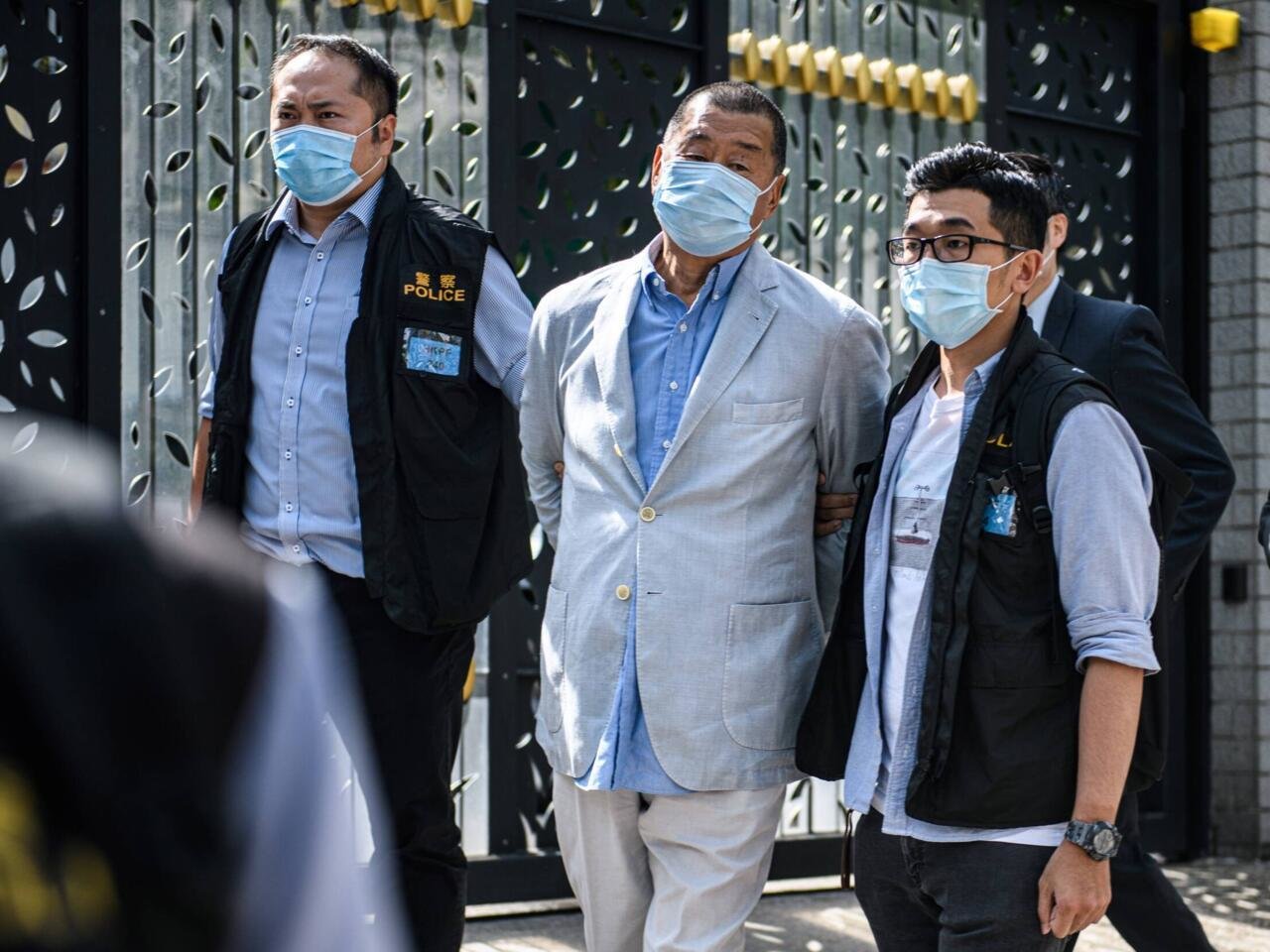
Taiwan’s political and security communities are interpreting the 20-year prison sentence handed to Hong Kong pro-democracy activist and media magnate Jimmy Lai as a significant signal about Beijing’s readiness to enforce strict national security measures and the implications for cross-strait relations.
Lai, a British citizen and founder of Apple Daily, received the longest sentence yet under Hong Kong’s 2020 national security law after being convicted of conspiracy to collude with foreign forces and publishing seditious material.
The case has drawn global attention, with Western governments and international rights groups decrying the length of the term and expressing concern about freedom of expression.
Chinese and Hong Kong authorities have defended the ruling as lawful and necessary to maintain national security.
In Taipei, analysts and officials read the decision through the prism of Beijing’s broader governance philosophy.
For many in Taiwan, the sentence reinforces perceptions that the Chinese Communist Party will deploy legal tools to suppress dissent and tightly control narratives, even in systems nominally under “one country, two systems” arrangements.
The severity of Lai’s punishment — imposed on a high-profile figure whose life and career straddled both Hong Kong and Taiwan — underscores to Taiwanese planners how far Beijing might go to constrain political expression and those it considers disruptive.
Several Taiwanese government officials, speaking on the condition of anonymity due to diplomatic sensitivities, have described the sentencing as a sobering reminder that legal mechanisms can be utilised to enforce political objectives.
In Taiwan, where political identity and civil liberties are central to democratic life, the case has been widely discussed across party lines as evidence of sharp contrasts in legal culture and rights protections between the island and the mainland.
Observers note that the situation in Hong Kong, as seen in Lai’s case, may influence Taiwanese strategic thinking about preserving autonomy and legal independence.
Political parties in Taiwan have also responded publicly.
Opposition figures have pointed to Lai’s conviction as validation of their longstanding warnings about the fragility of freedoms under Chinese sovereignty frameworks, while governing party voices have emphasised the need for Taiwan to uphold its own democratic principles and legal safeguards.
Across the island’s media, commentators have debated how the Hong Kong example might affect Taiwanese public opinion on issues ranging from cross-strait dialogue to defence strategy.
Beyond politics, public sentiment in Taiwan reflects a degree of empathy for Lai’s ordeal.
Many Taiwanese see parallels between Lai’s advocacy for press freedom and their own democratic traditions, and Lai’s sentence is frequently cited in discussions about the value of institutional independence and the rule of law.
For civil society groups and rights advocates, the case underscores the importance of cultivating robust legal protections that prevent political cases from undermining fundamental freedoms.
While Beijing dismisses international criticism and frames the sentence as an enforcement of national law, its ripple effects in Taiwan demonstrate the political and psychological weight that high-profile legal cases can carry across the Taiwan Strait.
Taipei’s policymakers and citizens alike are assessing the implications for Taiwan’s future, even as they reaffirm commitments to democratic norms and legal autonomy in the face of evolving regional dynamics.
Lai, a British citizen and founder of Apple Daily, received the longest sentence yet under Hong Kong’s 2020 national security law after being convicted of conspiracy to collude with foreign forces and publishing seditious material.
The case has drawn global attention, with Western governments and international rights groups decrying the length of the term and expressing concern about freedom of expression.
Chinese and Hong Kong authorities have defended the ruling as lawful and necessary to maintain national security.
In Taipei, analysts and officials read the decision through the prism of Beijing’s broader governance philosophy.
For many in Taiwan, the sentence reinforces perceptions that the Chinese Communist Party will deploy legal tools to suppress dissent and tightly control narratives, even in systems nominally under “one country, two systems” arrangements.
The severity of Lai’s punishment — imposed on a high-profile figure whose life and career straddled both Hong Kong and Taiwan — underscores to Taiwanese planners how far Beijing might go to constrain political expression and those it considers disruptive.
Several Taiwanese government officials, speaking on the condition of anonymity due to diplomatic sensitivities, have described the sentencing as a sobering reminder that legal mechanisms can be utilised to enforce political objectives.
In Taiwan, where political identity and civil liberties are central to democratic life, the case has been widely discussed across party lines as evidence of sharp contrasts in legal culture and rights protections between the island and the mainland.
Observers note that the situation in Hong Kong, as seen in Lai’s case, may influence Taiwanese strategic thinking about preserving autonomy and legal independence.
Political parties in Taiwan have also responded publicly.
Opposition figures have pointed to Lai’s conviction as validation of their longstanding warnings about the fragility of freedoms under Chinese sovereignty frameworks, while governing party voices have emphasised the need for Taiwan to uphold its own democratic principles and legal safeguards.
Across the island’s media, commentators have debated how the Hong Kong example might affect Taiwanese public opinion on issues ranging from cross-strait dialogue to defence strategy.
Beyond politics, public sentiment in Taiwan reflects a degree of empathy for Lai’s ordeal.
Many Taiwanese see parallels between Lai’s advocacy for press freedom and their own democratic traditions, and Lai’s sentence is frequently cited in discussions about the value of institutional independence and the rule of law.
For civil society groups and rights advocates, the case underscores the importance of cultivating robust legal protections that prevent political cases from undermining fundamental freedoms.
While Beijing dismisses international criticism and frames the sentence as an enforcement of national law, its ripple effects in Taiwan demonstrate the political and psychological weight that high-profile legal cases can carry across the Taiwan Strait.
Taipei’s policymakers and citizens alike are assessing the implications for Taiwan’s future, even as they reaffirm commitments to democratic norms and legal autonomy in the face of evolving regional dynamics.