China condemns London’s broadened British National (Overseas) visa pathway as interference following pro-democracy activist’s 20-year prison term
China has sharply criticised the United Kingdom’s expansion of its British National (Overseas) visa scheme for Hong Kong residents, dismissing the policy as “despicable and reprehensible” and accusing London of interfering in its internal affairs.
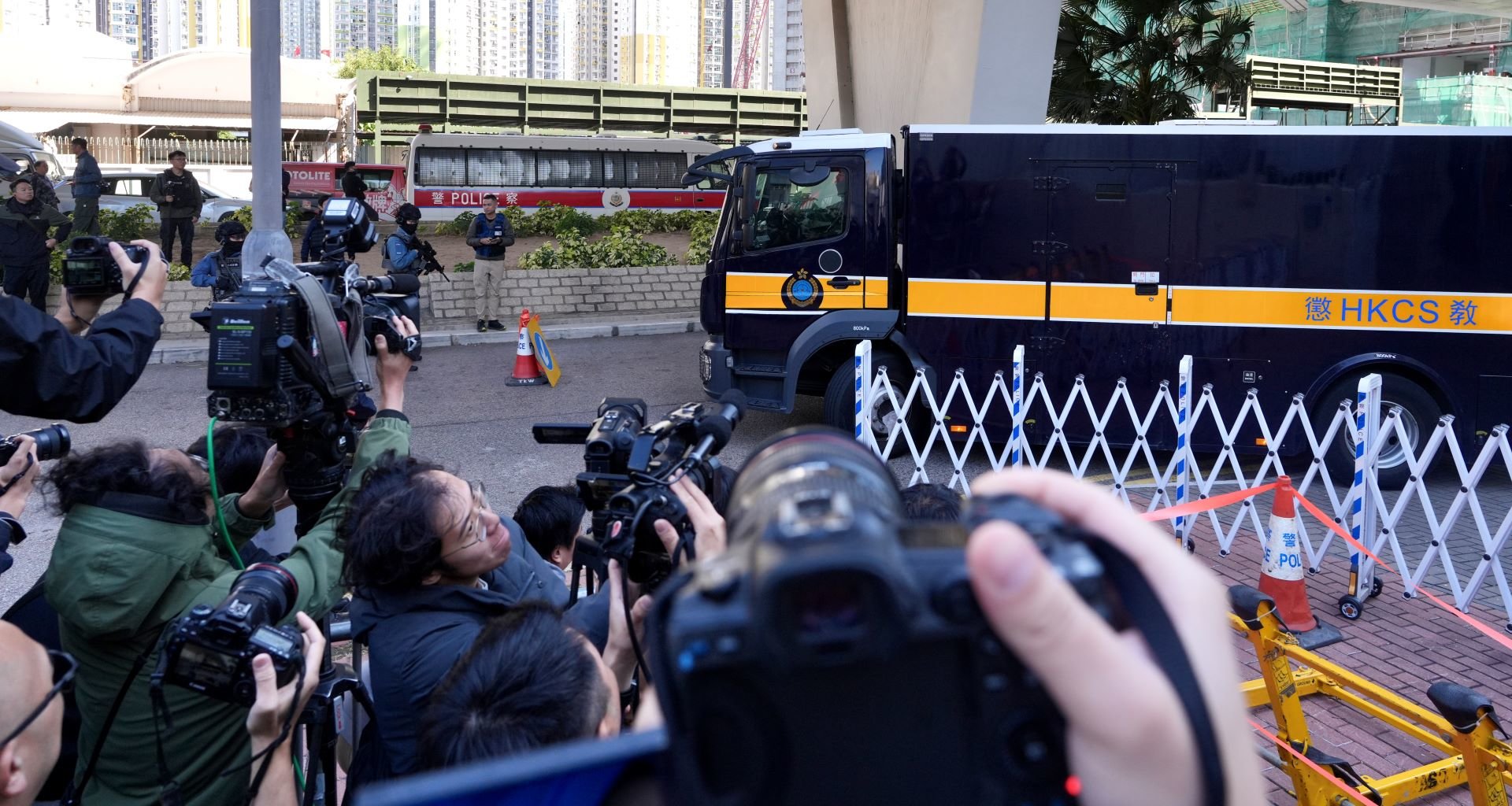
The diplomatic dispute comes in the wake of the 20-year prison sentence handed down to pro-democracy activist and media tycoon Jimmy Lai by Hong Kong authorities under the national security law, a case that has drawn international attention and condemnation.
The UK government confirmed on February 9 that it had widened eligibility for its BNO visa route, allowing children of status holders who were under eighteen at the time of Hong Kong’s 1997 handover to apply independently of their parents and enabling their partners and children to join them in Britain.
Officials framed the change as a moral response to the continuing deterioration of rights and freedoms in Hong Kong and an expression of the United Kingdom’s historic commitment to the people of the former colony.
Under the expanded scheme, the government estimates that roughly twenty-six thousand additional Hongkongers could relocate to the UK over the next five years, with pathways to long-term settlement.
Beijing’s Foreign Ministry and the Chinese Embassy in London reacted with unusually strong diplomatic rhetoric, characterising the UK’s move as a politically motivated intervention in China’s domestic affairs.
Official statements described the visa expansion as an attempt to undermine China’s sovereignty and disparaged the initiative as tainted by ‘‘malicious intentions’’ and remnants of a colonial mindset.
Chinese authorities have also defended Lai’s prosecution, asserting that the sentence upholds national security and the rule of law, and have urged foreign governments to respect China’s legal sovereignty.
The dispute follows wide international concern over Lai’s sentencing, which has been condemned by Western governments and human rights organisations as disproportionate and politically driven.
UK leaders have raised Lai’s case in dialogue with Chinese officials and called for his humanitarian release, even as they pursue deeper engagement on trade and bilateral issues.
London has reiterated that the expanded BNO visa scheme serves both humanitarian and strategic objectives by supporting individuals facing rights restrictions in Hong Kong while reinforcing the United Kingdom’s longstanding legal and moral obligations under the 1984 Sino-British Joint Declaration.
The clash over the visa policy underscores broader tensions in UK-China relations at a time of intensifying geopolitical competition and diverging approaches to governance and civil liberties.
The diplomatic dispute comes in the wake of the 20-year prison sentence handed down to pro-democracy activist and media tycoon Jimmy Lai by Hong Kong authorities under the national security law, a case that has drawn international attention and condemnation.
The UK government confirmed on February 9 that it had widened eligibility for its BNO visa route, allowing children of status holders who were under eighteen at the time of Hong Kong’s 1997 handover to apply independently of their parents and enabling their partners and children to join them in Britain.
Officials framed the change as a moral response to the continuing deterioration of rights and freedoms in Hong Kong and an expression of the United Kingdom’s historic commitment to the people of the former colony.
Under the expanded scheme, the government estimates that roughly twenty-six thousand additional Hongkongers could relocate to the UK over the next five years, with pathways to long-term settlement.
Beijing’s Foreign Ministry and the Chinese Embassy in London reacted with unusually strong diplomatic rhetoric, characterising the UK’s move as a politically motivated intervention in China’s domestic affairs.
Official statements described the visa expansion as an attempt to undermine China’s sovereignty and disparaged the initiative as tainted by ‘‘malicious intentions’’ and remnants of a colonial mindset.
Chinese authorities have also defended Lai’s prosecution, asserting that the sentence upholds national security and the rule of law, and have urged foreign governments to respect China’s legal sovereignty.
The dispute follows wide international concern over Lai’s sentencing, which has been condemned by Western governments and human rights organisations as disproportionate and politically driven.
UK leaders have raised Lai’s case in dialogue with Chinese officials and called for his humanitarian release, even as they pursue deeper engagement on trade and bilateral issues.
London has reiterated that the expanded BNO visa scheme serves both humanitarian and strategic objectives by supporting individuals facing rights restrictions in Hong Kong while reinforcing the United Kingdom’s longstanding legal and moral obligations under the 1984 Sino-British Joint Declaration.
The clash over the visa policy underscores broader tensions in UK-China relations at a time of intensifying geopolitical competition and diverging approaches to governance and civil liberties.