Pro-democracy media tycoon receives longest sentence yet under China’s national security law, prompting widespread international criticism and concern over press freedoms
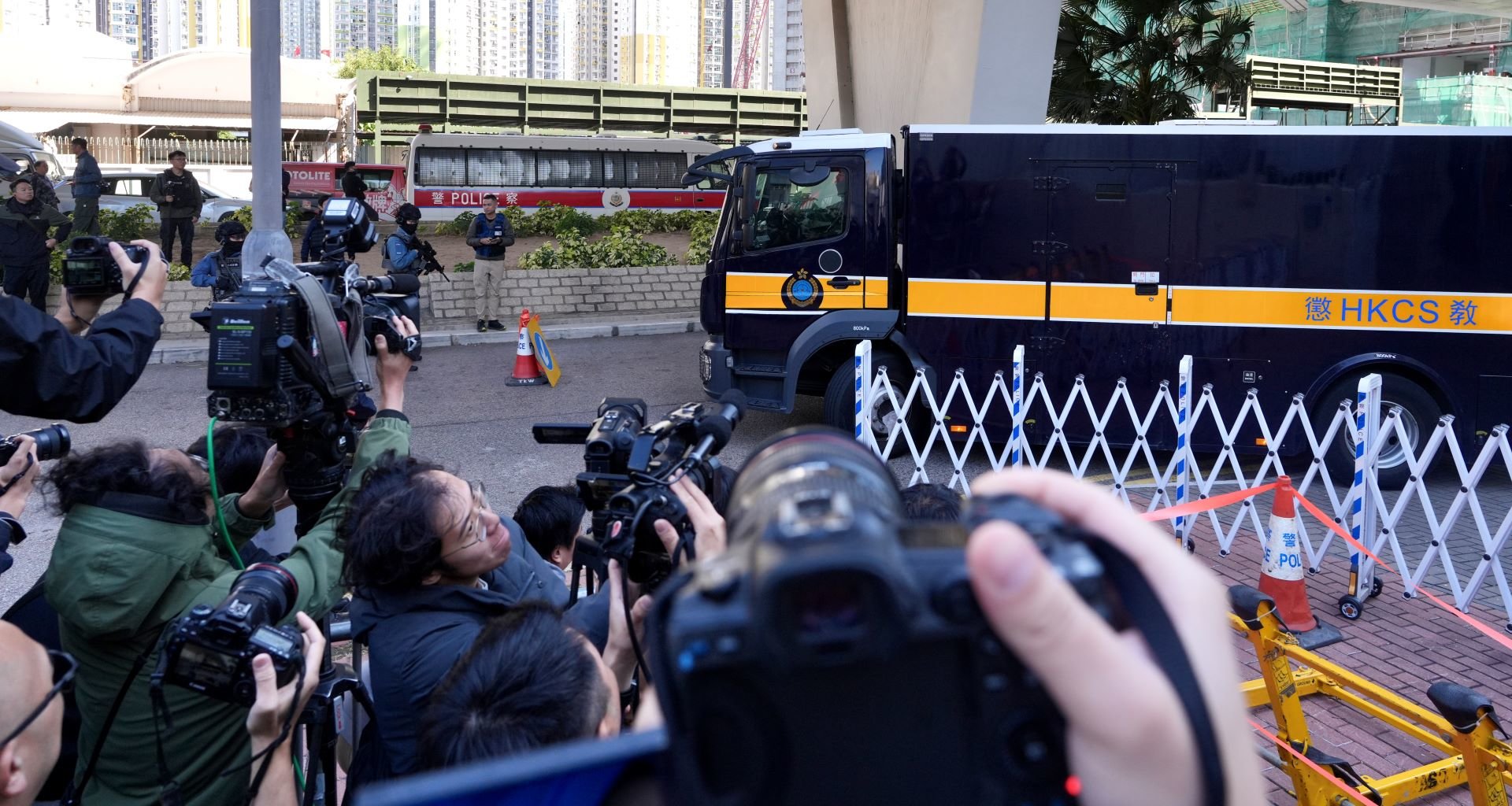
Jimmy Lai, the 78-year-old former Hong Kong media tycoon and prominent critic of Beijing, was sentenced on Monday to 20 years in prison in one of the most severe punishments to date under Hong Kong’s national security law.
Lai, founder of the now-defunct pro-democracy newspaper Apple Daily, was convicted in December on multiple charges, including conspiracy to collude with foreign forces and conspiracy to publish seditious materials, in a trial that has drawn intense international attention.
Lai’s sentencing on February 9 follows years of legal battles and his arrest in 2020 under the national security legislation imposed by Beijing.
The law, enacted in 2020 in response to widespread pro-democracy protests, has been used to suppress dissent and significantly weaken civil liberties in the city.
Lai’s conviction and lengthy prison term — the harshest yet under the law — come after a trial heard by a panel of judges and no jury, and after prosecutors presented hundreds of articles from his former newspaper as evidence of alleged wrongdoing.
The case has drawn strong reactions from governments and rights groups worldwide.
Leaders from the United States, United Kingdom, European Union and United Nations criticised the sentence as disproportionate and harmful to press freedom, with calls for Lai’s release and urgent diplomatic responses.
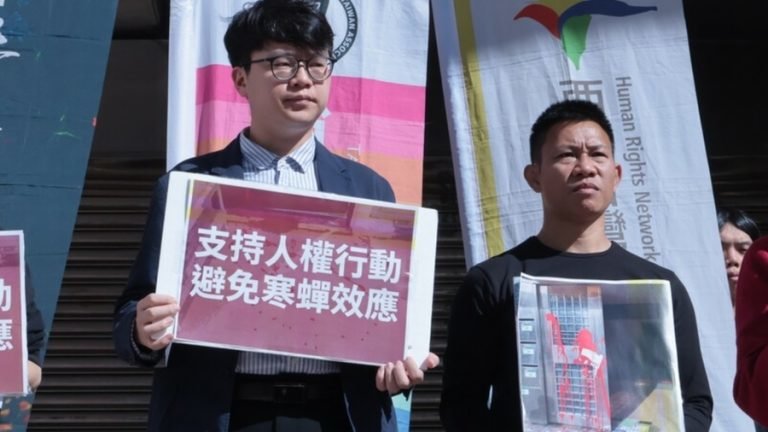
Human rights organisations labelled the punishment a severe blow to media independence in Hong Kong, highlighting concerns that the national security framework effectively criminalises free expression and political advocacy.
Chinese and Hong Kong authorities defended the ruling, asserting that the sentence upheld national security and the rule of law.
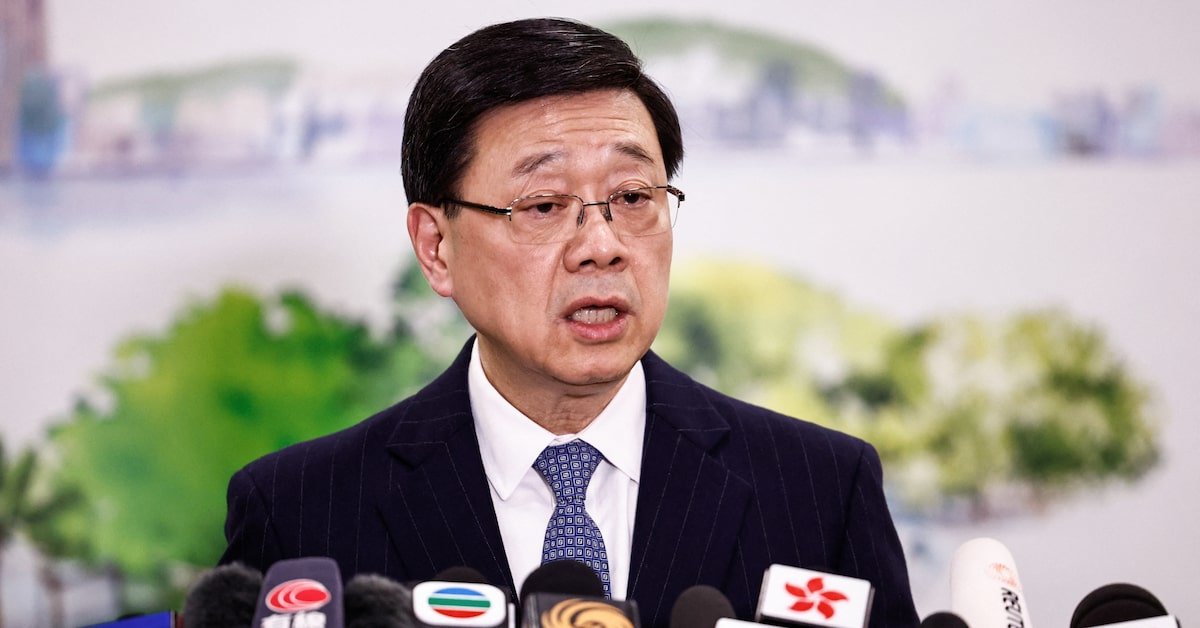
Hong Kong Chief Executive John Lee described Lai’s actions as threatening social order, while Beijing’s foreign ministry reiterated that the case is a matter of internal sovereignty and warned against foreign interference.
Lai’s family expressed deep concern for his health amid the long prison term, noting his age and existing medical conditions.
Lai’s Apple Daily, once a symbol of press freedom in Hong Kong, was forced to shut in 2021 after police actions and asset freezes crippled the outlet.
Lai’s lengthy sentence underscores the dramatic shift in Hong Kong’s legal and political landscape since the imposition of the national security law, and it has become a focal point in broader debates about civil liberties and Beijing’s authority over the city.
Lai, founder of the now-defunct pro-democracy newspaper Apple Daily, was convicted in December on multiple charges, including conspiracy to collude with foreign forces and conspiracy to publish seditious materials, in a trial that has drawn intense international attention.
Lai’s sentencing on February 9 follows years of legal battles and his arrest in 2020 under the national security legislation imposed by Beijing.
The law, enacted in 2020 in response to widespread pro-democracy protests, has been used to suppress dissent and significantly weaken civil liberties in the city.
Lai’s conviction and lengthy prison term — the harshest yet under the law — come after a trial heard by a panel of judges and no jury, and after prosecutors presented hundreds of articles from his former newspaper as evidence of alleged wrongdoing.
The case has drawn strong reactions from governments and rights groups worldwide.
Leaders from the United States, United Kingdom, European Union and United Nations criticised the sentence as disproportionate and harmful to press freedom, with calls for Lai’s release and urgent diplomatic responses.
Human rights organisations labelled the punishment a severe blow to media independence in Hong Kong, highlighting concerns that the national security framework effectively criminalises free expression and political advocacy.
Chinese and Hong Kong authorities defended the ruling, asserting that the sentence upheld national security and the rule of law.
Hong Kong Chief Executive John Lee described Lai’s actions as threatening social order, while Beijing’s foreign ministry reiterated that the case is a matter of internal sovereignty and warned against foreign interference.
Lai’s family expressed deep concern for his health amid the long prison term, noting his age and existing medical conditions.
Lai’s Apple Daily, once a symbol of press freedom in Hong Kong, was forced to shut in 2021 after police actions and asset freezes crippled the outlet.
Lai’s lengthy sentence underscores the dramatic shift in Hong Kong’s legal and political landscape since the imposition of the national security law, and it has become a focal point in broader debates about civil liberties and Beijing’s authority over the city.