Offshore yuan debt attracts strong investor interest as Beijing pushes global use of its currency
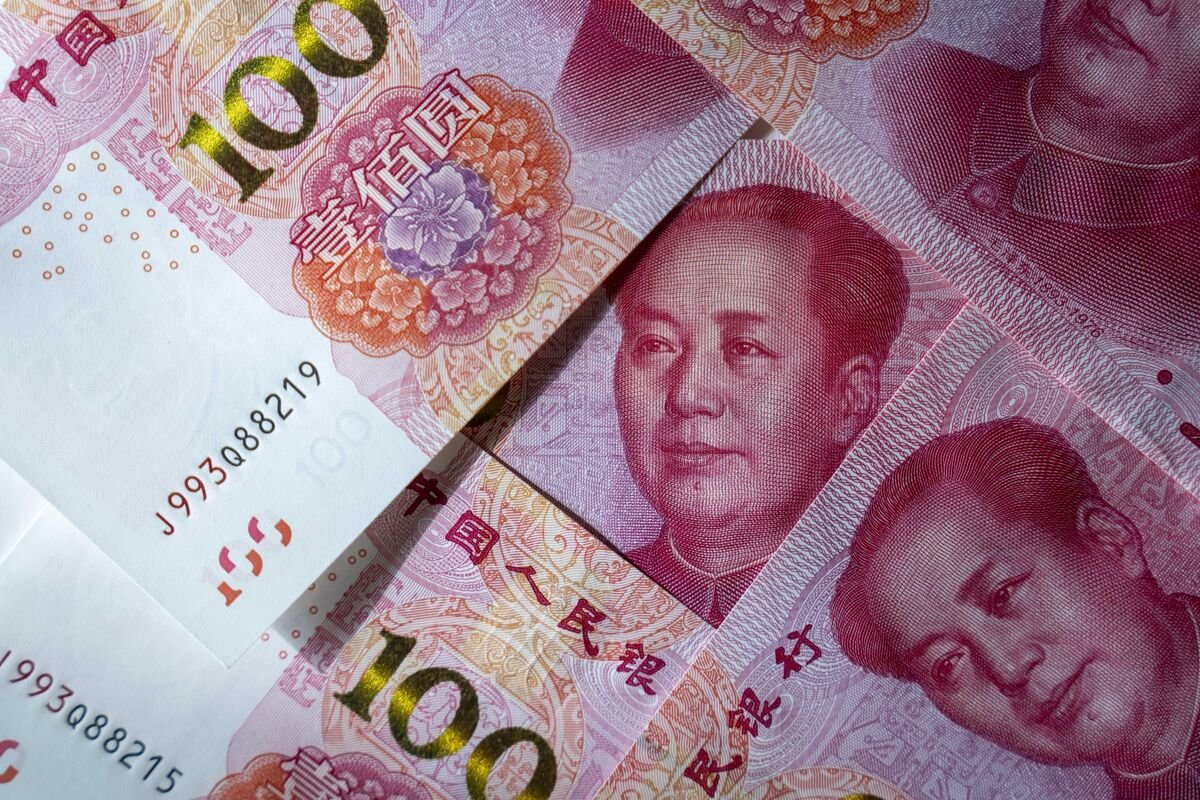
China’s Ministry of Finance has successfully sold yuan-denominated sovereign bonds in Hong Kong at some of the lowest yields seen in more than a decade, signalling robust demand for Chinese debt and bolstering the city’s role as a key offshore market for renminbi assets.
Investors’ strong appetite for the bonds reflects both confidence in China’s credit and broader shifts in global fixed-income markets.
The latest issuance, conducted this week, saw yields fall to levels not seen in years, as international and regional investors sought stable returns amid wider market volatility.
Market participants interpreted the low pricing as evidence of heightened demand for quality offshore yuan assets, even as yields globally adjust to expectations for continued accommodative monetary policies.
The success of the offering also supports China’s ongoing strategy to expand the international use of the yuan and deepen liquidity in offshore markets centred in Hong Kong.
Hong Kong has been a focal point for offshore yuan bond issuance for nearly two decades, with China’s finance ministry regularly tapping the city’s investor base to complement onshore funding.
Offshore issuance helps diversify China’s investor base and provides global investors access to renminbi-denominated instruments without onshore restrictions, a factor that has contributed to Hong Kong’s position as the largest offshore yuan bond centre.
Market analysts attribute the low yields partly to strong demand from institutional investors seeking yield in a low-rate environment and the perceived sovereign credit quality of Chinese government debt.
The environment for yuan bonds has been supported by policy moves aimed at strengthening Hong Kong’s offshore financial infrastructure, including planned repo support and enhanced market connectivity to onshore markets.
These developments form part of Beijing’s broader push to globalise the yuan’s use in trade and investment, even as geopolitical tensions and shifts in global portfolio allocation persist.
The strategic issuance also comes at a time when fixed-income markets globally face bouts of volatility, with investors weighing prospects for interest-rate adjustments and safe-haven demand in core markets.
China’s ability to place large volumes of sovereign debt in Hong Kong at exceptionally low yields underlines not only investors’ confidence in Chinese sovereign credit but also the attractiveness of offshore yuan instruments as part of diversified portfolios.
Investors’ strong appetite for the bonds reflects both confidence in China’s credit and broader shifts in global fixed-income markets.
The latest issuance, conducted this week, saw yields fall to levels not seen in years, as international and regional investors sought stable returns amid wider market volatility.
Market participants interpreted the low pricing as evidence of heightened demand for quality offshore yuan assets, even as yields globally adjust to expectations for continued accommodative monetary policies.
The success of the offering also supports China’s ongoing strategy to expand the international use of the yuan and deepen liquidity in offshore markets centred in Hong Kong.
Hong Kong has been a focal point for offshore yuan bond issuance for nearly two decades, with China’s finance ministry regularly tapping the city’s investor base to complement onshore funding.
Offshore issuance helps diversify China’s investor base and provides global investors access to renminbi-denominated instruments without onshore restrictions, a factor that has contributed to Hong Kong’s position as the largest offshore yuan bond centre.
Market analysts attribute the low yields partly to strong demand from institutional investors seeking yield in a low-rate environment and the perceived sovereign credit quality of Chinese government debt.
The environment for yuan bonds has been supported by policy moves aimed at strengthening Hong Kong’s offshore financial infrastructure, including planned repo support and enhanced market connectivity to onshore markets.
These developments form part of Beijing’s broader push to globalise the yuan’s use in trade and investment, even as geopolitical tensions and shifts in global portfolio allocation persist.
The strategic issuance also comes at a time when fixed-income markets globally face bouts of volatility, with investors weighing prospects for interest-rate adjustments and safe-haven demand in core markets.
China’s ability to place large volumes of sovereign debt in Hong Kong at exceptionally low yields underlines not only investors’ confidence in Chinese sovereign credit but also the attractiveness of offshore yuan instruments as part of diversified portfolios.