The centenarian tycoon retains his position as the city’s wealthiest, even as his conglomerate fights legal battles tied to Panama Canal port concessions
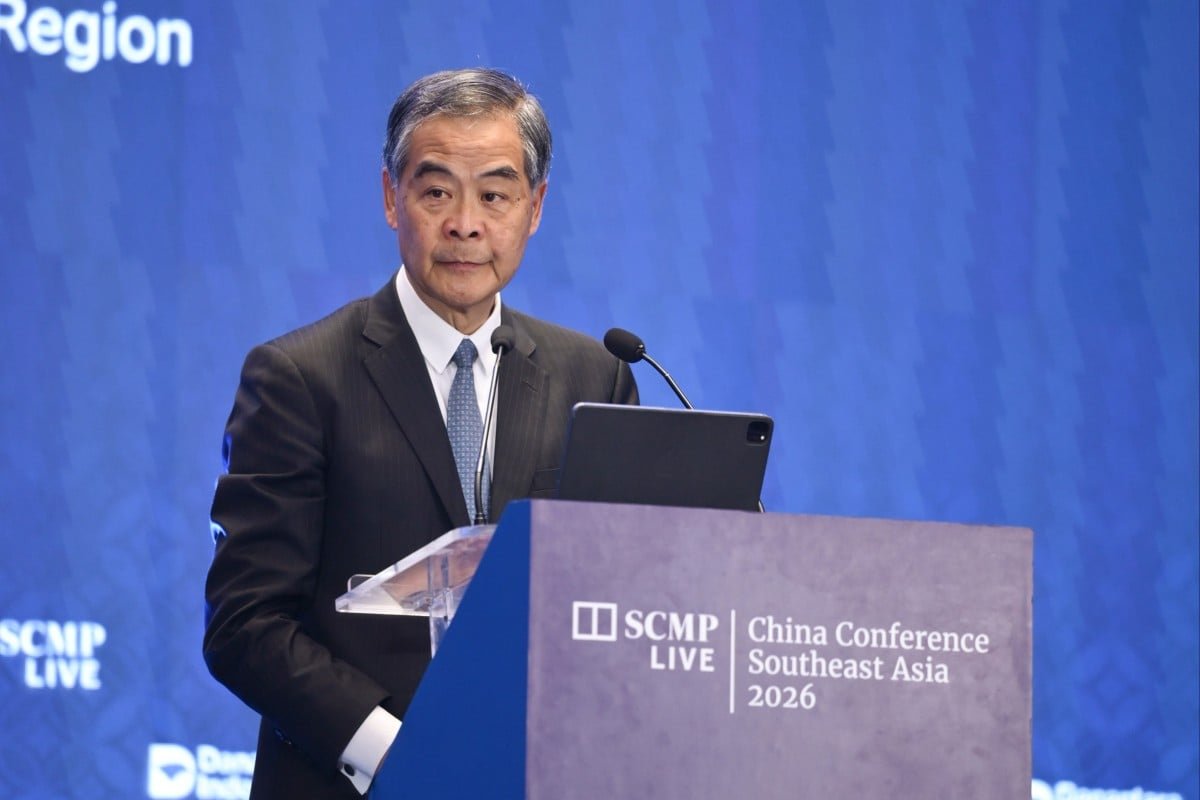
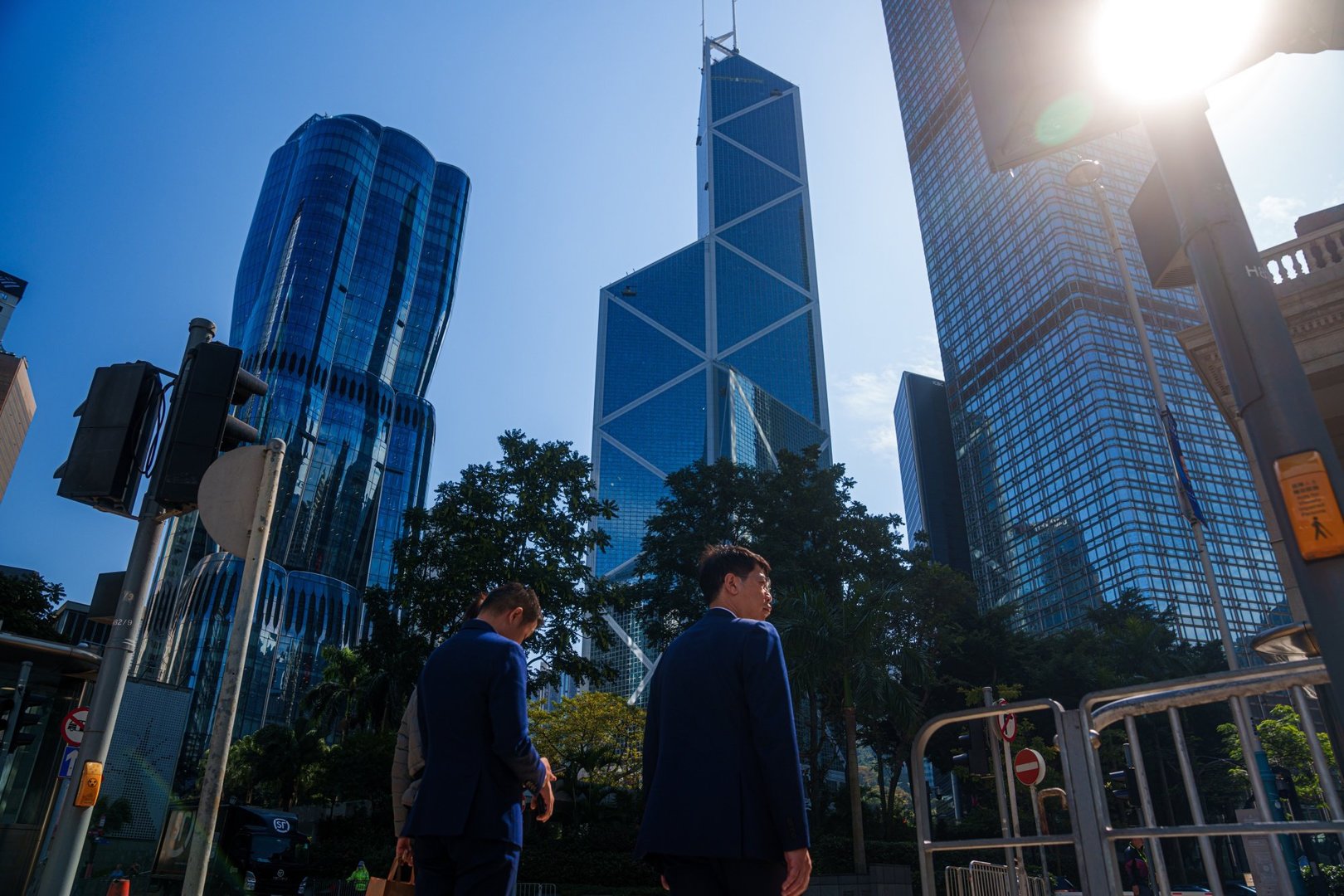
Li Ka-shing has maintained his position as Hong Kong’s richest individual in the 2026 Forbes ranking, with his net worth expanding significantly amid a buoyant stock market and robust performance across his business empire.
The 97-year-old founder of CK Hutchison Holdings saw his estimated fortune rise to approximately US$45 billion, reinforcing his enduring influence on the city’s financial landscape and the broader Asian business environment.
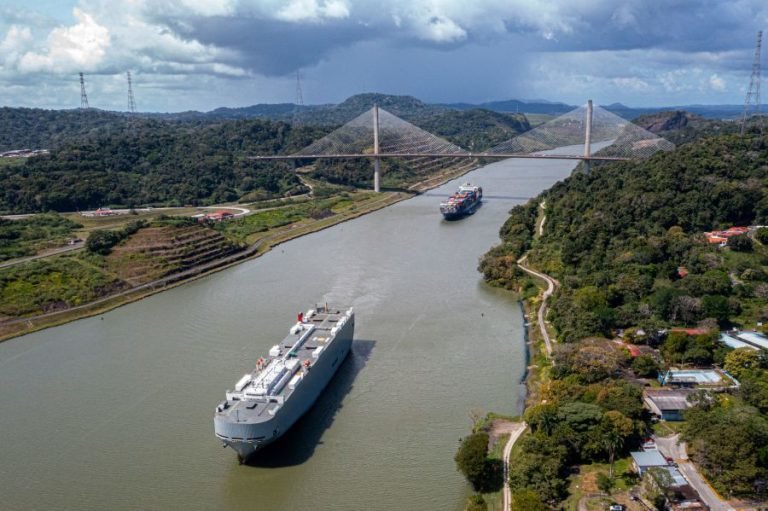
The announcement of his wealth status coincides with escalating scrutiny over CK Hutchison’s role in a high-stakes legal and geopolitical dispute centred on its long-standing port concessions at the Panama Canal.
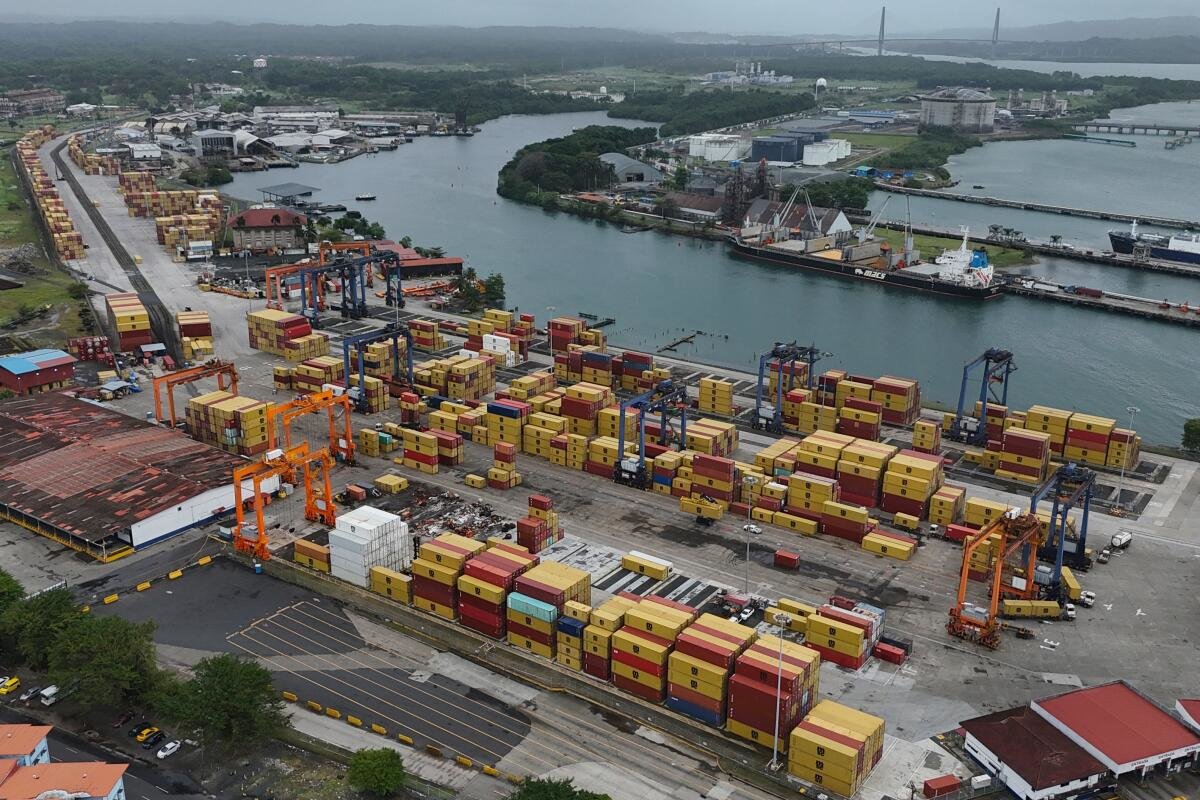
Panama’s Supreme Court recently ruled that the contract granting CK Hutchison’s subsidiary, Panama Ports Company, the right to operate the Balboa and Cristóbal terminals was unconstitutional, nullifying the concession.
In response, CK Hutchison has initiated international arbitration proceedings and invited the Panamanian government to consultations to protect its rights and interests, underscoring its determination to pursue all legal avenues.
The Panama Canal ports have become a flashpoint in broader tensions between the United States and China, with strategic infrastructure and trade routes under heightened geopolitical focus.
CK Hutchison had previously negotiated a multibillion-dollar sale of its global port assets, including the Panama terminals, to a consortium led by a major U.S. investment firm, but the deal stalled amid political pressure and concerns about foreign influence.
The ongoing legal and political complexities have drawn attention from investors and governments alike, challenging the execution of asset-sales plans and stirring debate over control of strategic maritime infrastructure.
Despite these challenges, Li’s consolidated wealth and diversified portfolio — spanning ports, real estate, telecommunications, and infrastructure — have contributed to a broader surge in the collective net worth of Hong Kong’s elite.
The contest over the canal port concessions places one of the city’s most venerable business figures at the heart of a dispute with far-reaching commercial and geopolitical implications, testing legal frameworks and international partnerships while affirming his unmatched status in Hong Kong’s business hierarchy.
The 97-year-old founder of CK Hutchison Holdings saw his estimated fortune rise to approximately US$45 billion, reinforcing his enduring influence on the city’s financial landscape and the broader Asian business environment.
The announcement of his wealth status coincides with escalating scrutiny over CK Hutchison’s role in a high-stakes legal and geopolitical dispute centred on its long-standing port concessions at the Panama Canal.
Panama’s Supreme Court recently ruled that the contract granting CK Hutchison’s subsidiary, Panama Ports Company, the right to operate the Balboa and Cristóbal terminals was unconstitutional, nullifying the concession.
In response, CK Hutchison has initiated international arbitration proceedings and invited the Panamanian government to consultations to protect its rights and interests, underscoring its determination to pursue all legal avenues.
The Panama Canal ports have become a flashpoint in broader tensions between the United States and China, with strategic infrastructure and trade routes under heightened geopolitical focus.
CK Hutchison had previously negotiated a multibillion-dollar sale of its global port assets, including the Panama terminals, to a consortium led by a major U.S. investment firm, but the deal stalled amid political pressure and concerns about foreign influence.
The ongoing legal and political complexities have drawn attention from investors and governments alike, challenging the execution of asset-sales plans and stirring debate over control of strategic maritime infrastructure.
Despite these challenges, Li’s consolidated wealth and diversified portfolio — spanning ports, real estate, telecommunications, and infrastructure — have contributed to a broader surge in the collective net worth of Hong Kong’s elite.
The contest over the canal port concessions places one of the city’s most venerable business figures at the heart of a dispute with far-reaching commercial and geopolitical implications, testing legal frameworks and international partnerships while affirming his unmatched status in Hong Kong’s business hierarchy.