As Beijing and Jakarta strengthen strategic ties, commentary urges the city to leverage its financial and legal strengths to connect economies
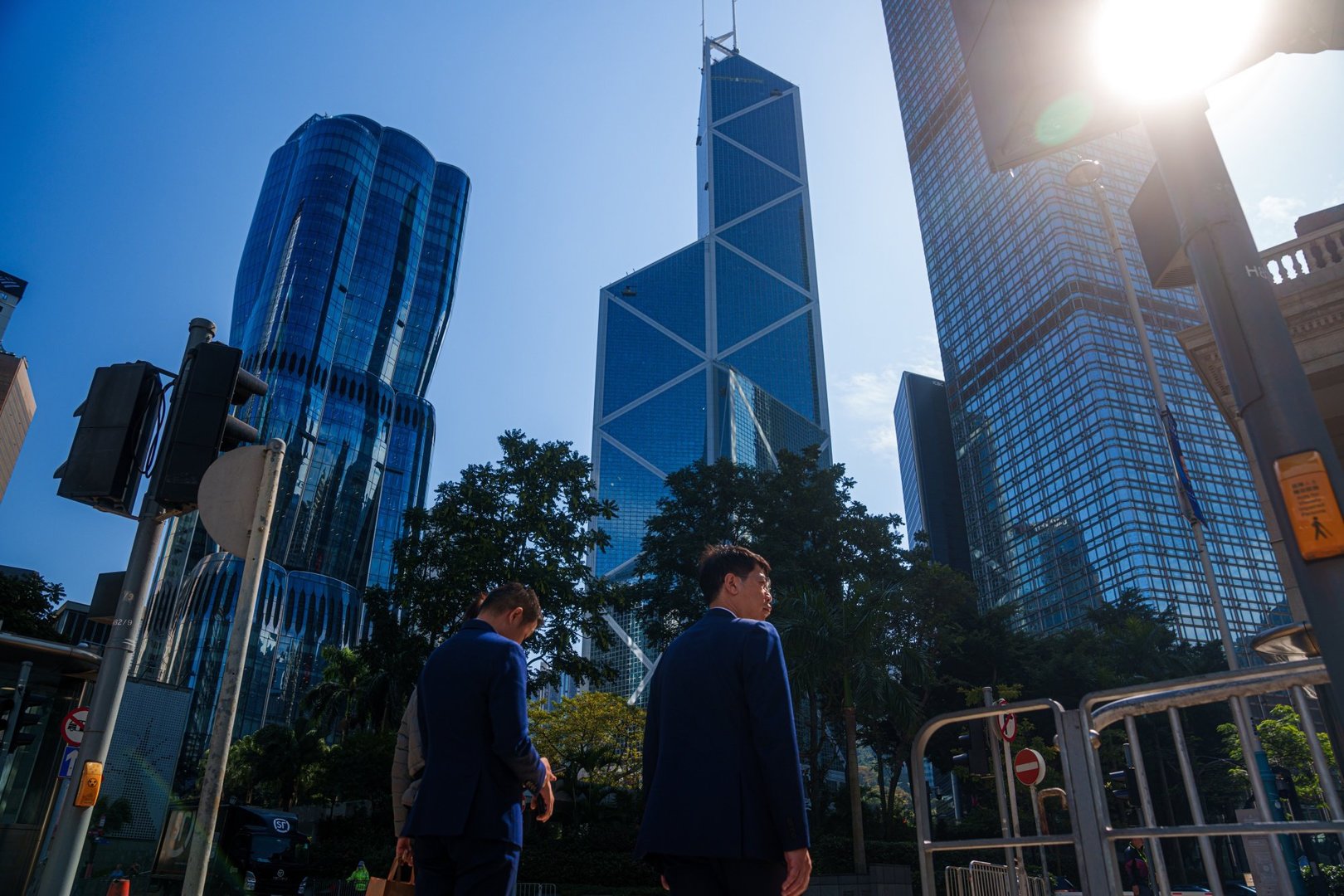
Hong Kong stands to play a pivotal role as China and Indonesia intensify their bilateral relationship, commentators say, with opportunities for the city to act as a bridge between major Asian economies and global capital markets.
The strengthening of ties between Beijing and Jakarta was highlighted at recent high-level forums and economic conferences, where both Indonesian and Chinese representatives emphasised the resilience and expansion of cooperation across trade, infrastructure and strategic dialogue.
This evolving dynamic arrives amid broader geopolitical shifts in Asia and sustained efforts by Hong Kong to internationalise its economic reach.
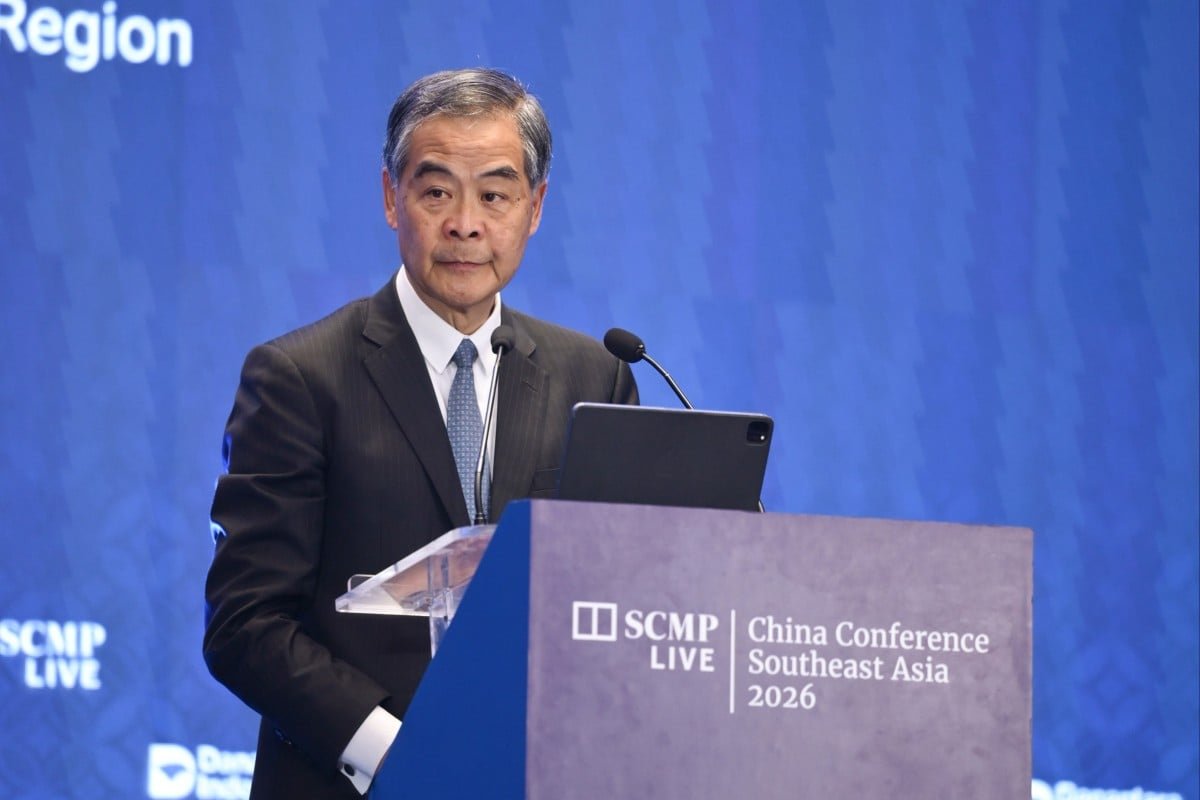
At a Southeast Asia conference in Jakarta, Indonesia’s top economic minister underscored Jakarta’s commitment to building on its “strong relationship” with China; Hong Kong’s political representative, in turn, framed the city as an “irreplaceable bridge” that can support cooperation and dispute resolution as part of that relationship.
This exchange reflected a growing acknowledgment in regional policy circles of Hong Kong’s potential as a neutral hub for arbitration and professional services that complement China’s expanding global footprint.
Observers point to Jakarta’s pragmatic approach to foreign investment, which welcomes capital from both China and the United States as central to its targeted sustained gross domestic product growth.
Indonesia’s openness to investment — including from Hong Kong’s financial and legal ecosystem — aligns with its economic strategy and enhances prospects for deeper engagement in infrastructure financing, capital markets development and advisory services.
Indonesian officials have also stressed the importance of ratifying amendments to the ASEAN-Hong Kong free trade framework to maximise trade and investment gains, underscoring the strategic value of Hong Kong’s economic partnership in the region.
Beyond trade and direct investment channels, economic analyses suggest Indonesia’s economy could benefit from access to Hong Kong’s capital markets and lessons learned from financial reforms.
This sentiment adds momentum to advocacy for stronger institutional linkages that would bolster Hong Kong’s status as a conduit for investment between China, Southeast Asia and the wider world, particularly as regional economic integration accelerates.
Commentators argue that by leveraging its legal system, connectivity and professional services, Hong Kong can meaningfully contribute to the China–Indonesia partnership and broader Asian economic architecture.
The strengthening of ties between Beijing and Jakarta was highlighted at recent high-level forums and economic conferences, where both Indonesian and Chinese representatives emphasised the resilience and expansion of cooperation across trade, infrastructure and strategic dialogue.
This evolving dynamic arrives amid broader geopolitical shifts in Asia and sustained efforts by Hong Kong to internationalise its economic reach.
At a Southeast Asia conference in Jakarta, Indonesia’s top economic minister underscored Jakarta’s commitment to building on its “strong relationship” with China; Hong Kong’s political representative, in turn, framed the city as an “irreplaceable bridge” that can support cooperation and dispute resolution as part of that relationship.
This exchange reflected a growing acknowledgment in regional policy circles of Hong Kong’s potential as a neutral hub for arbitration and professional services that complement China’s expanding global footprint.
Observers point to Jakarta’s pragmatic approach to foreign investment, which welcomes capital from both China and the United States as central to its targeted sustained gross domestic product growth.
Indonesia’s openness to investment — including from Hong Kong’s financial and legal ecosystem — aligns with its economic strategy and enhances prospects for deeper engagement in infrastructure financing, capital markets development and advisory services.
Indonesian officials have also stressed the importance of ratifying amendments to the ASEAN-Hong Kong free trade framework to maximise trade and investment gains, underscoring the strategic value of Hong Kong’s economic partnership in the region.
Beyond trade and direct investment channels, economic analyses suggest Indonesia’s economy could benefit from access to Hong Kong’s capital markets and lessons learned from financial reforms.
This sentiment adds momentum to advocacy for stronger institutional linkages that would bolster Hong Kong’s status as a conduit for investment between China, Southeast Asia and the wider world, particularly as regional economic integration accelerates.
Commentators argue that by leveraging its legal system, connectivity and professional services, Hong Kong can meaningfully contribute to the China–Indonesia partnership and broader Asian economic architecture.