U.S. exchange moves to approve new Asian warehouse hubs as part of strategic push against LME dominance in metals markets
CME Group is preparing to expand its aluminium physical delivery network by approving warehouse locations in Taiwan and Hong Kong, according to multiple industry sources familiar with the plans.
The move marks a significant step by the U.S. commodity exchange to deepen its presence in Asia’s metals markets and enhance competition with the London Metal Exchange, which has long maintained dominant market share in aluminium futures and storage.
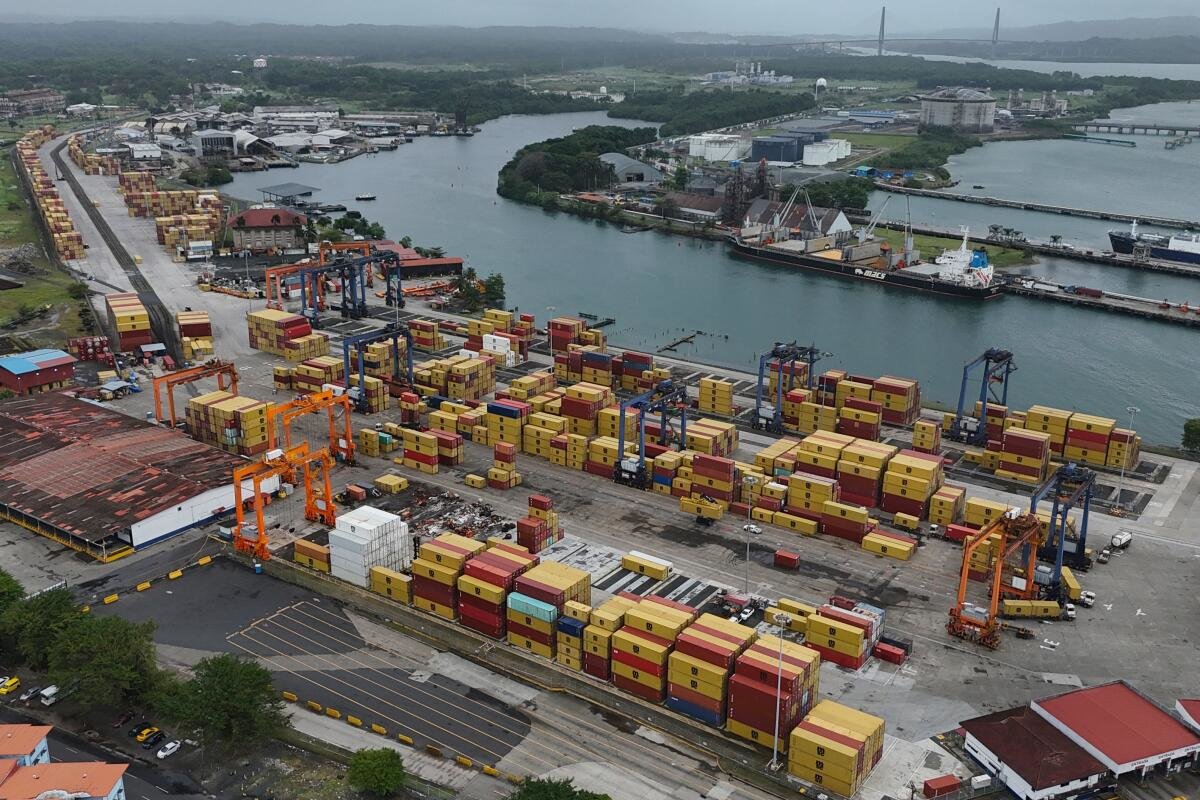
Under the proposed expansion, warehouse operators in Taiwan’s port of Kaohsiung — including C. Steinweg and Pacorini Global Services — have applied to list facilities capable of accepting metal deliverable against CME’s Comex aluminium futures.
Representatives of the exchange are understood to have visited Taiwan to assess logistical and regulatory frameworks.
These facilities would complement CME’s existing Asian warehouse footprint, which currently includes sites in Malaysia, Singapore and South Korea.
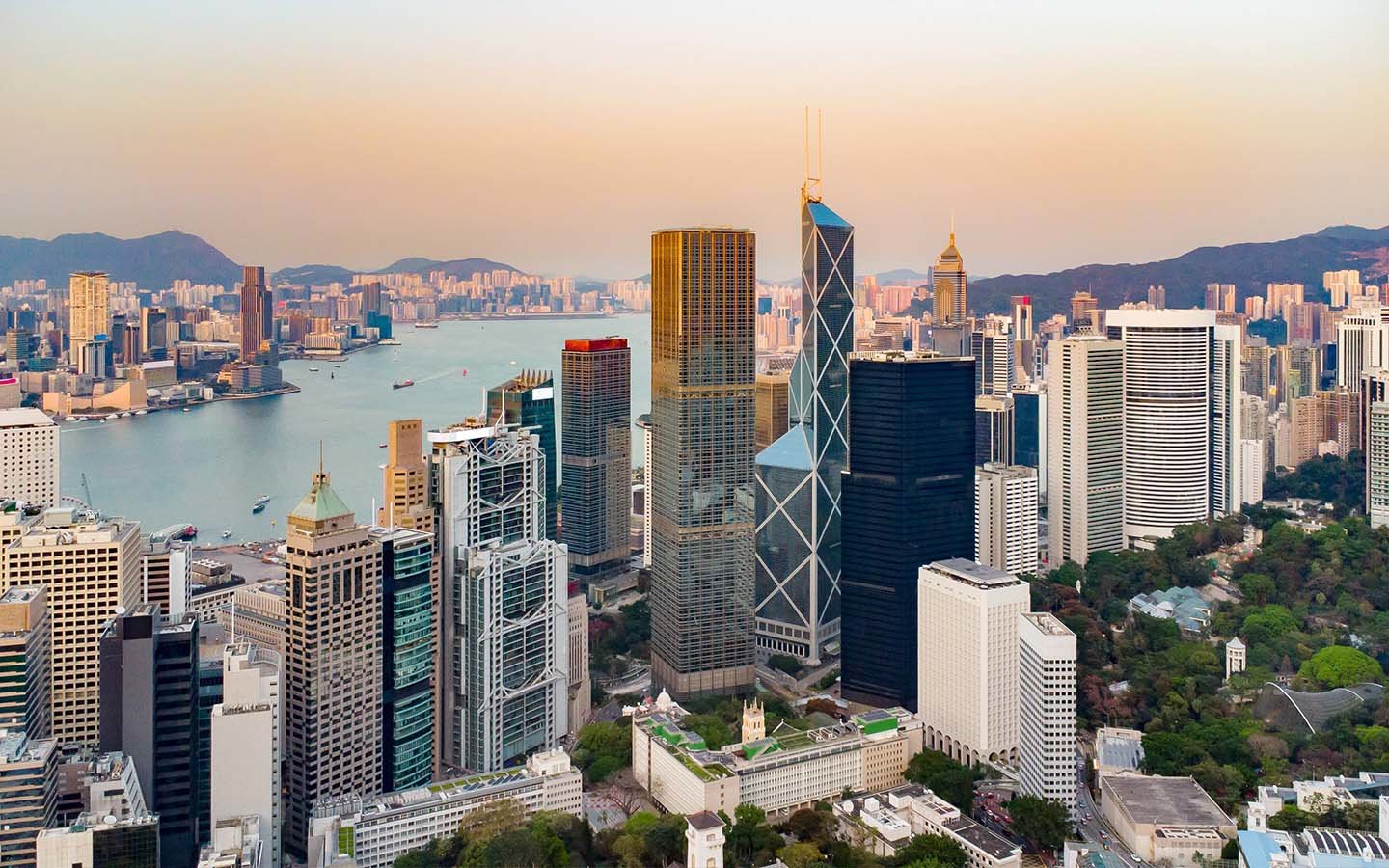
In Hong Kong, two firms — the UK-based Henry Bath and Singapore’s GKE Metal Logistics — have filed notices to list aluminium storage locations under CME’s network, with GKE also seeking approval to house lead.
Both operators already participate in metals warehousing and their proposed inclusion would provide new delivery points for Comex aluminium contracts in a region that accounts for a large share of global metal production and consumption.
Comex aluminium, unlike some other metals on the exchange, is delivered into bonded storage, making it particularly appealing to market participants outside the United States.
The expansion comes as global aluminium stocks at Comex warehouses remain relatively low, with much of the metal physically located in Asia, underscoring the strategic importance of developing local delivery infrastructure.
CME, Steinweg and Pacorini have declined to comment publicly on the developments.
The planned additions to CME’s delivery network are being closely watched by traders and industry observers as they could reshape logistics and trading dynamics in the global aluminium market, offering alternative storage and delivery options to the long-established network maintained by the London Metal Exchange.
The move marks a significant step by the U.S. commodity exchange to deepen its presence in Asia’s metals markets and enhance competition with the London Metal Exchange, which has long maintained dominant market share in aluminium futures and storage.
Under the proposed expansion, warehouse operators in Taiwan’s port of Kaohsiung — including C. Steinweg and Pacorini Global Services — have applied to list facilities capable of accepting metal deliverable against CME’s Comex aluminium futures.
Representatives of the exchange are understood to have visited Taiwan to assess logistical and regulatory frameworks.
These facilities would complement CME’s existing Asian warehouse footprint, which currently includes sites in Malaysia, Singapore and South Korea.
In Hong Kong, two firms — the UK-based Henry Bath and Singapore’s GKE Metal Logistics — have filed notices to list aluminium storage locations under CME’s network, with GKE also seeking approval to house lead.
Both operators already participate in metals warehousing and their proposed inclusion would provide new delivery points for Comex aluminium contracts in a region that accounts for a large share of global metal production and consumption.
Comex aluminium, unlike some other metals on the exchange, is delivered into bonded storage, making it particularly appealing to market participants outside the United States.
The expansion comes as global aluminium stocks at Comex warehouses remain relatively low, with much of the metal physically located in Asia, underscoring the strategic importance of developing local delivery infrastructure.
CME, Steinweg and Pacorini have declined to comment publicly on the developments.
The planned additions to CME’s delivery network are being closely watched by traders and industry observers as they could reshape logistics and trading dynamics in the global aluminium market, offering alternative storage and delivery options to the long-established network maintained by the London Metal Exchange.