While most white-collar workers embrace AI tools daily, only a small fraction of executives use them frequently, raising concerns on corporate strategy and leadership
A new McKinsey & Company survey has revealed a striking divide in how artificial intelligence is being adopted across Hong Kong’s workplaces, with executives trailing far behind their employees in regular AI use.

The findings, released this week, highlight that although a majority of white-collar workers are already engaging with AI technologies in their daily roles, only a small minority of senior leaders demonstrate similar usage, a pattern that could slow organisational transformation.

According to the research, nearly seventy per cent of Hong Kong’s white-collar workers use AI tools to assist their tasks, with more than ninety per cent reporting daily engagement.

Workers most often use AI for specific functions such as generating content or automating routine work.

In contrast, fewer than fifteen per cent of founders and senior executives reported using AI regularly, and only fourteen per cent of executives said they use such technologies frequently, according to the survey.

This discrepancy reflects a leadership adoption gap that experts say can undermine broader, enterprise-wide AI integration.

McKinsey’s managing partner in Hong Kong, Arthur Shek, said the gap between leadership and employee use “really slows the enterprise adoption of AI,” because effective transformation ultimately requires reinforcement from the top.

Senior executives’ lower engagement with AI may result from a lack of clear strategy, limited data infrastructure and insufficient training, factors that make it harder for organisations to embed AI beyond individual use cases.

Companies with strong executive support for AI tend to adopt clearer corporate strategies, align leadership goals with technology deployment and invest in training upskilling, the research suggests.

The survey’s results align with broader global research showing that employees often outpace leaders in adopting new technologies.

A 2025 McKinsey report noted that while AI adoption is widespread, few organisations reach full maturity without executive sponsorship and strategic vision.

Employees are frequently more ready for AI than leaders realise, and leadership commitment remains a key predictor of enterprise-level success.

The Hong Kong findings come against a backdrop of other local surveys that have highlighted varying degrees of AI preparedness across organisations.

Separate research has indicated that while many enterprises intend to deploy AI capabilities, structural challenges such as data management and digital infrastructure hinder broader readiness.

This suggests that in addition to individual uptake, coordinated leadership and strategic planning are critical to realising the full potential of artificial intelligence across Hong Kong’s economy.
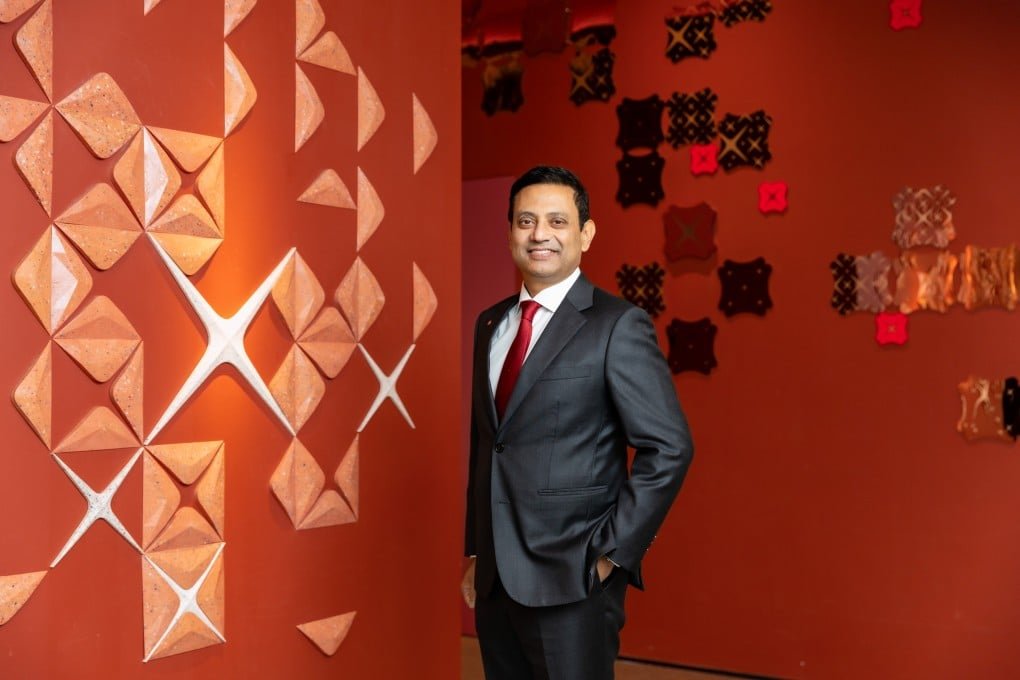
Singapore’s largest lender plans major hiring and expanded services as affluent investor demand strengthens in the city
DBS Bank (Hong Kong) Limited has announced an ambitious expansion of its wealth management operations in Hong Kong, reinforcing its confidence in the city’s role as a key financial hub for affluent clients across Asia.

The Singapore-based bank is moving ahead with a three-year plan to recruit one hundred wealth managers in Hong Kong, a strategic investment that underscores its belief in robust client demand for stability, advisory services and cross-border investment opportunities.

This push comes as investors increasingly seek trusted partners to navigate volatile markets and diversified portfolios.

Executives at DBS say the recruitment drive is aimed at meeting surging interest from high-net-worth individuals and families who value capital preservation alongside long-term growth prospects.

The expansion reflects Hong Kong’s entrenched position as a wealth management gateway, supported by strong financial infrastructure and its ability to connect mainland China capital flows with global markets.

DBS also highlights the city’s appeal as investors prioritise stability amid global economic uncertainty and seek trusted financial institutions to steward their assets.

As part of its broader strategy, DBS has already strengthened its presence with sophisticated advisory centres and digital offerings, drawing on its extensive Asia network to provide both traditional and cross-border services.

The bank’s focus on Hong Kong aligns with a wider industry trend where financial institutions are elevating the city’s role in wealth management, leveraging its regulatory framework and client base to deepen engagement.

DBS’s expansion signals confidence in Hong Kong’s ability to maintain and grow its stature as a premier wealth centre in Asia, as demand for comprehensive investment solutions continues to rise.
Insurer-backed digital wealth platform enters the city to serve high-net-worth investors with low fees and diversified investment access
Chubb Investment Management (HK) Limited has officially launched Chubb Wealth, a new digital wealth management platform in Hong Kong targeting high-net-worth investors as demand for diversified private investment solutions grows.

The insurer-backed platform, introduced by the wholly owned subsidiary of global insurer Chubb, aims to leverage Hong Kong’s status as one of the world’s fastest expanding wealth hubs, where private wealth assets under management reached more than HK$10 trillion by the end of 2024 amid robust inflows and broader regional initiatives fostering cross-border investment activity.

Chubb Wealth offers a comprehensive digital investing and advisory experience, facilitating the entire client lifecycle from onboarding to order execution and portfolio management.

Reflecting a transparent pricing model, the platform does not charge platform fees, mutual fund trading fees or back-end mutual fund fees, which Chubb says simplifies cost structures for clients.

Minimum mutual fund investments start at US$100, while eligible clients defined under Hong Kong’s Securities and Futures Ordinance can access alternative asset classes such as private equity, private credit, infrastructure and real estate with minimum commitments of US$10,000.

Institutional-grade fund access is a key differentiator for the new platform, drawing on Chubb’s global network and partnerships with leading asset managers to curate a selection of investment opportunities across diverse geographies and sectors.

Clients also benefit from personalised support provided by licensed advisors trained through a dedicated programme designed to align investment guidance with long-term wealth objectives.

Ben Rudd, General Manager of Chubb Wealth, said the platform is designed to help investors navigate a complex market environment with confidence and clarity.

Belinda Au, President of Chubb Life Hong Kong and Head of North Asia, emphasised Hong Kong’s strategic importance as a global wealth management centre and described the launch as complementary to the firm’s broader offerings beyond traditional insurance.

The entry of Chubb Wealth reflects continued innovation in Hong Kong’s private wealth sector, which has benefited from initiatives such as the Cross-boundary Wealth Management Connect Scheme and sustained interest in diversified investment products across asset classes.
Media professionals warn of deepening self-censorship and shrinking press space following landmark national security verdict
The sentencing of veteran pro-democracy media figure Jimmy Lai to twenty years in prison has crystallised a climate of fear and uncertainty for journalists in Hong Kong, with many reporting heightened self-censorship and a shrinking space for independent reporting.

Lai’s conviction under the city’s national security law — the harshest handed down so far — has come to symbolise the erosion of press freedoms that once distinguished the former British colony.

Journalists and media associations say Lai’s punishment, and the collapse of his Apple Daily newspaper after police froze its assets, underscore how tightly the national security law is now enforced.

Former press union chief Ronson Chan reflected on the disappearance of a publication that once exposed scandals and challenged political power, noting that no outlet now dares to replicate its role for fear of legal reprisals.

Observers warn that smaller media outlets may also close under sustained pressure, while reporters grapple with an environment marked by both overt and covert intimidation.

Reporters describe a marked shift since the law’s imposition, with many now carefully vetting stories and sources to avoid alleged “red lines” that could expose them to prosecution.

Media professionals who once enjoyed relative editorial freedom now speak of harassment through anonymous threats, targeted communications with family members, and the broader chilling effect that has followed high-profile convictions.

Their accounts suggest that press freedom — once protected under the city’s semi-autonomous status — is significantly diminished, with the gap between freedoms in Hong Kong and those in mainland China narrowing sharply.

The broader industry has seen dozens of outlets shut down or radically transform their operations in recent years as Hong Kong’s press freedom ranking has fallen precipitously.

Journalists with international and local media alike report consulting legal counsel before publishing sensitive content, reflecting a pervasive sense that editorial independence must now be balanced against the risks of national security prosecution.

Despite the official position that Lai’s sentencing was lawful and unrelated to press freedoms, international human rights and press freedom organisations have condemned it as a severe blow to independent journalism.

The case continues to draw global attention, with implications not only for Hong Kong’s media landscape but also for perceptions of the city’s autonomy and legal protections.
Captain of Hong Kong-flagged NewNew Polar Bear enters not guilty plea to criminal damage and safety charges related to 2023 Balticconnector incident
A Chinese sea captain standing trial in Hong Kong has formally pleaded not guilty to criminal damage and maritime safety charges connected to the 2023 damage of critical underwater infrastructure in the Baltic Sea.

Wan Wenguo, commander of the Hong Kong-registered container vessel NewNew Polar Bear, appeared in Eastern Court on Wednesday and rejected allegations that his vessel severed a key natural gas pipeline and nearby submarine telecommunications cables linking Finland and Estonia.

Prosecutors allege that in October 2023 the ship’s anchor dragged along the seabed in the Gulf of Finland, cutting the Balticconnector gas pipeline — a vital link for regional energy supplies — and damaging associated communications lines.

Finnish authorities, which investigated the incident, identified the vessel and later recovered an anchor from the pipeline area that they matched to the NewNew Polar Bear, although it has not been established whether the damage was deliberate or accidental.

The case has drawn international attention given its implications for undersea infrastructure security in a region already on alert following multiple subsea outages in recent years.

In addition to the criminal damage charge, Wan also denied two summary offences under Hong Kong’s Merchant Shipping (Safety) Ordinance for allegedly breaching navigation and safety regulations, including failing to report the loss of an anchor and not submitting required daily reports to the vessel’s owner during the relevant voyage.

Around eighteen prosecution witnesses are expected to testify during the proceedings, including crew members, maritime experts and Hong Kong officials, with technical evidence likely to play a central role in establishing responsibility and causation in relation to the infrastructure damage.

Wan’s defence team indicated it would contest the captain’s liability, challenge aspects of crew testimonies and scrutinise operational evidence relating to the ship’s movements.

The trial is being held in Hong Kong due to the vessel’s registration there, consistent with maritime legal practice that follows the flag state for jurisdiction over such cases.

The next hearing and further procedural steps are expected as the court continues its assessment of the complex technical and legal issues involved.
Offshore yuan debt attracts strong investor interest as Beijing pushes global use of its currency
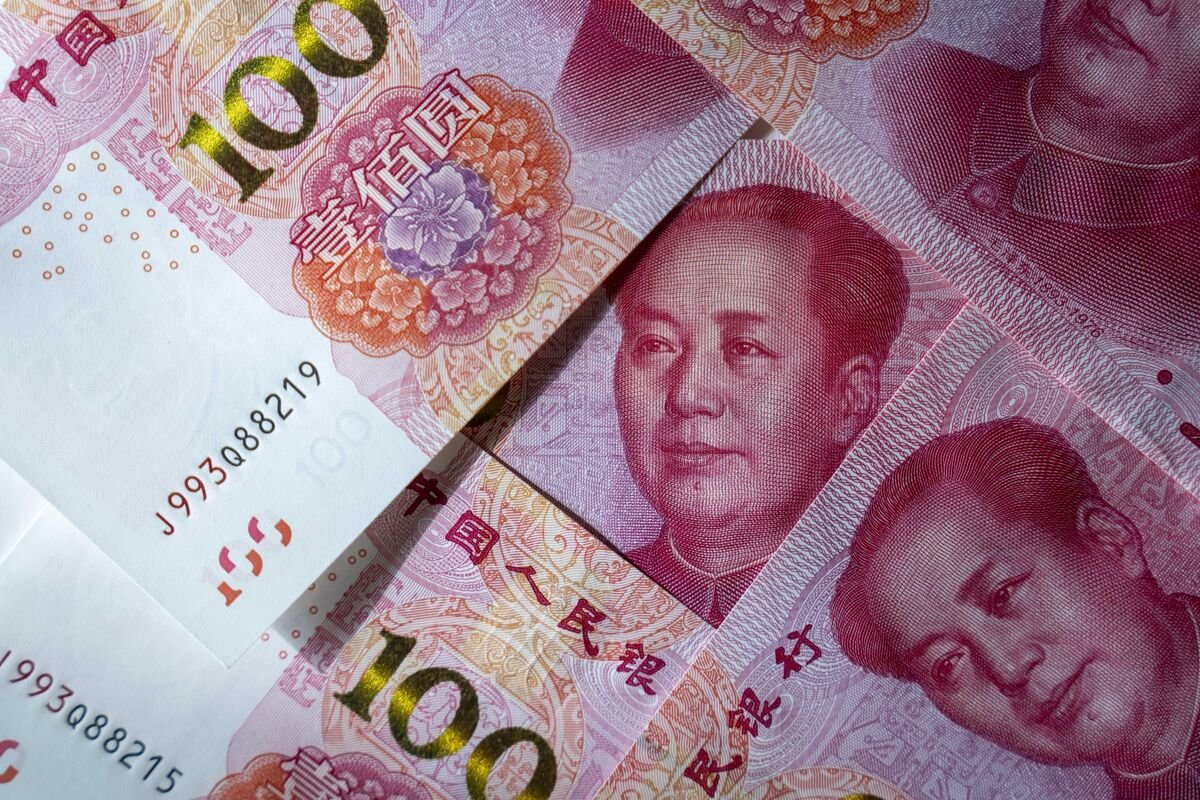
China’s Ministry of Finance has successfully sold yuan-denominated sovereign bonds in Hong Kong at some of the lowest yields seen in more than a decade, signalling robust demand for Chinese debt and bolstering the city’s role as a key offshore market for renminbi assets.

Investors’ strong appetite for the bonds reflects both confidence in China’s credit and broader shifts in global fixed-income markets.

The latest issuance, conducted this week, saw yields fall to levels not seen in years, as international and regional investors sought stable returns amid wider market volatility.

Market participants interpreted the low pricing as evidence of heightened demand for quality offshore yuan assets, even as yields globally adjust to expectations for continued accommodative monetary policies.

The success of the offering also supports China’s ongoing strategy to expand the international use of the yuan and deepen liquidity in offshore markets centred in Hong Kong.

Hong Kong has been a focal point for offshore yuan bond issuance for nearly two decades, with China’s finance ministry regularly tapping the city’s investor base to complement onshore funding.

Offshore issuance helps diversify China’s investor base and provides global investors access to renminbi-denominated instruments without onshore restrictions, a factor that has contributed to Hong Kong’s position as the largest offshore yuan bond centre.

Market analysts attribute the low yields partly to strong demand from institutional investors seeking yield in a low-rate environment and the perceived sovereign credit quality of Chinese government debt.

The environment for yuan bonds has been supported by policy moves aimed at strengthening Hong Kong’s offshore financial infrastructure, including planned repo support and enhanced market connectivity to onshore markets.

These developments form part of Beijing’s broader push to globalise the yuan’s use in trade and investment, even as geopolitical tensions and shifts in global portfolio allocation persist.

The strategic issuance also comes at a time when fixed-income markets globally face bouts of volatility, with investors weighing prospects for interest-rate adjustments and safe-haven demand in core markets.

China’s ability to place large volumes of sovereign debt in Hong Kong at exceptionally low yields underlines not only investors’ confidence in Chinese sovereign credit but also the attractiveness of offshore yuan instruments as part of diversified portfolios.
Opening sessions emphasise regulatory certainty, institutional engagement and Hong Kong’s ambition as a global Web3 hub
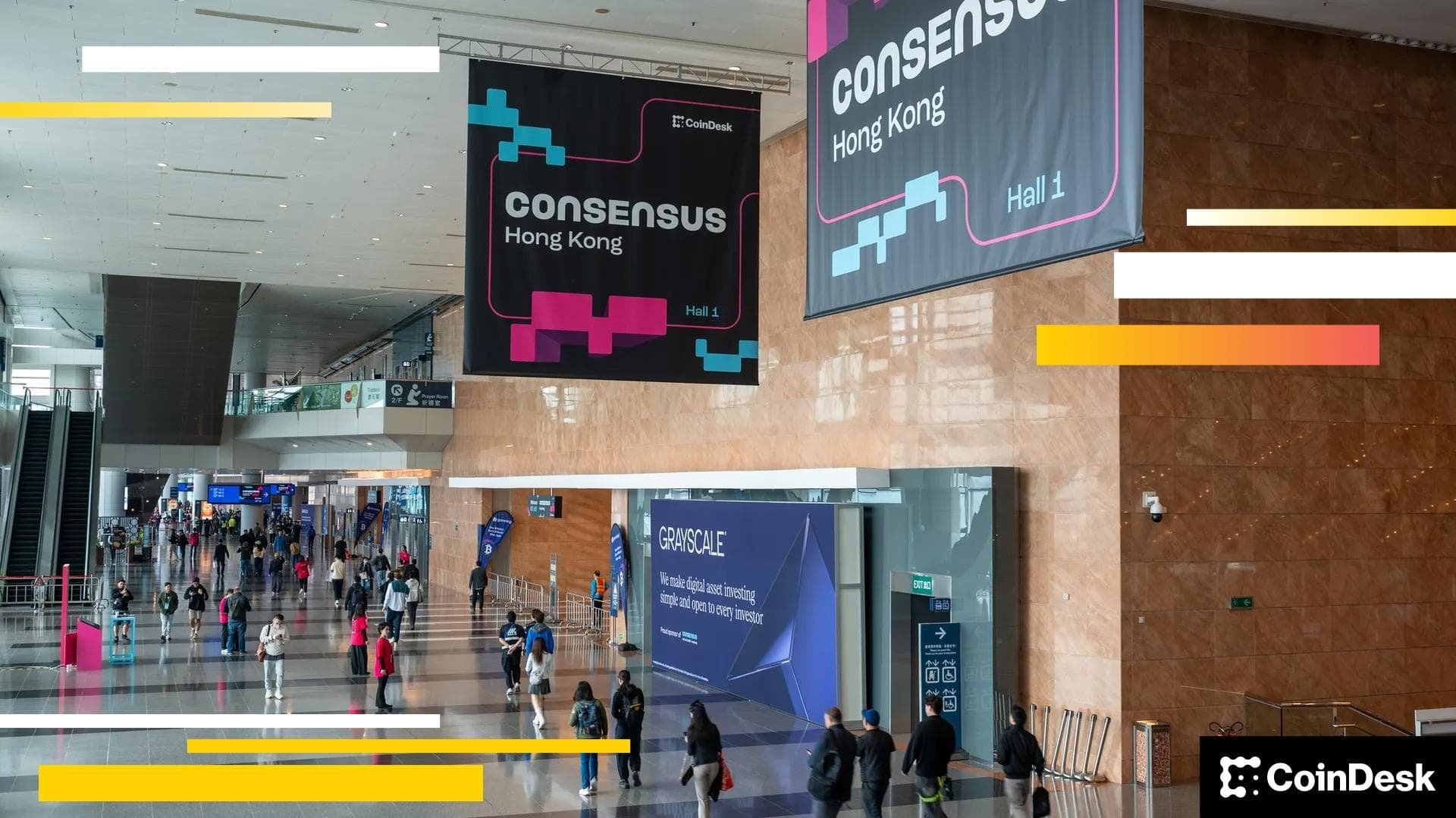
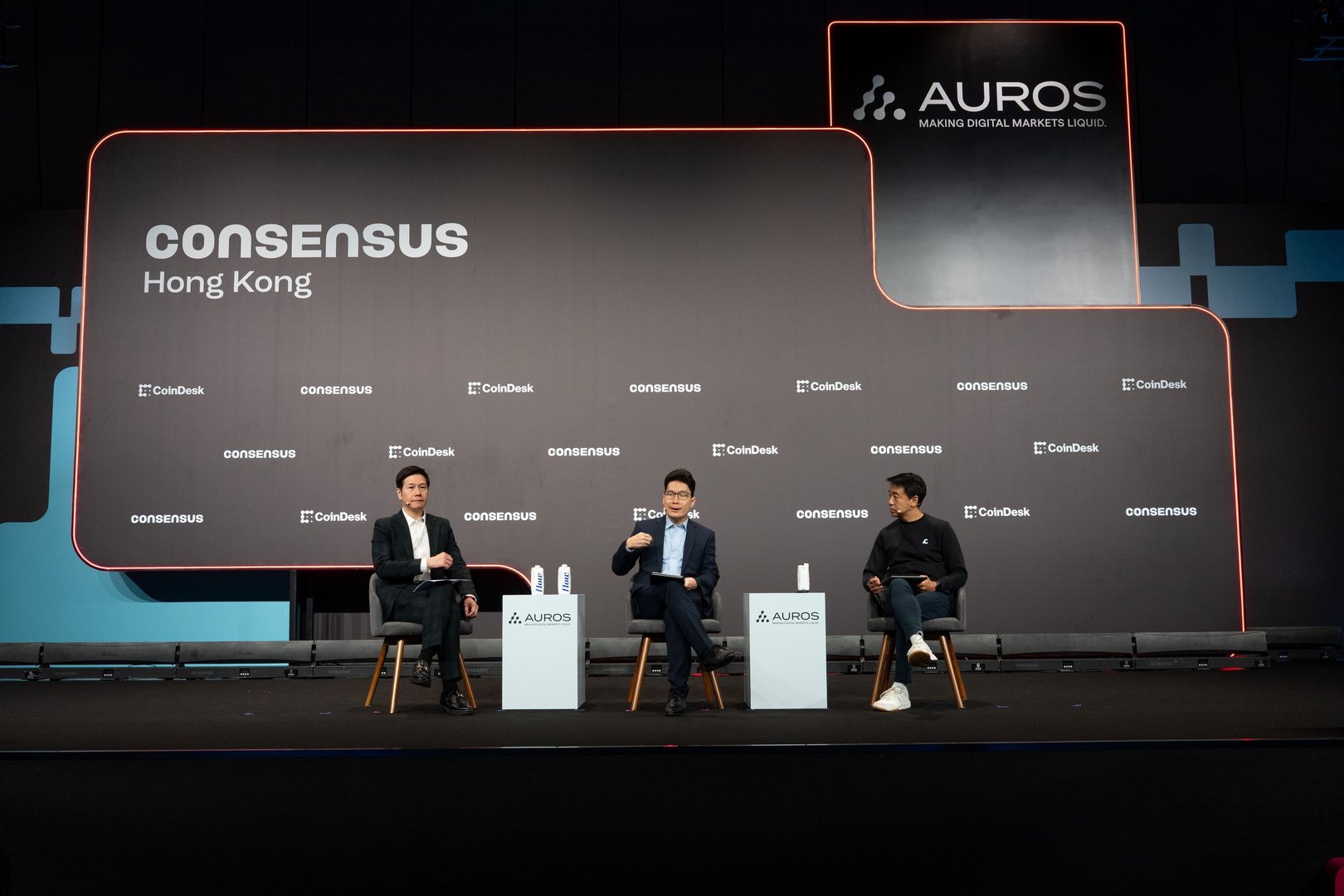
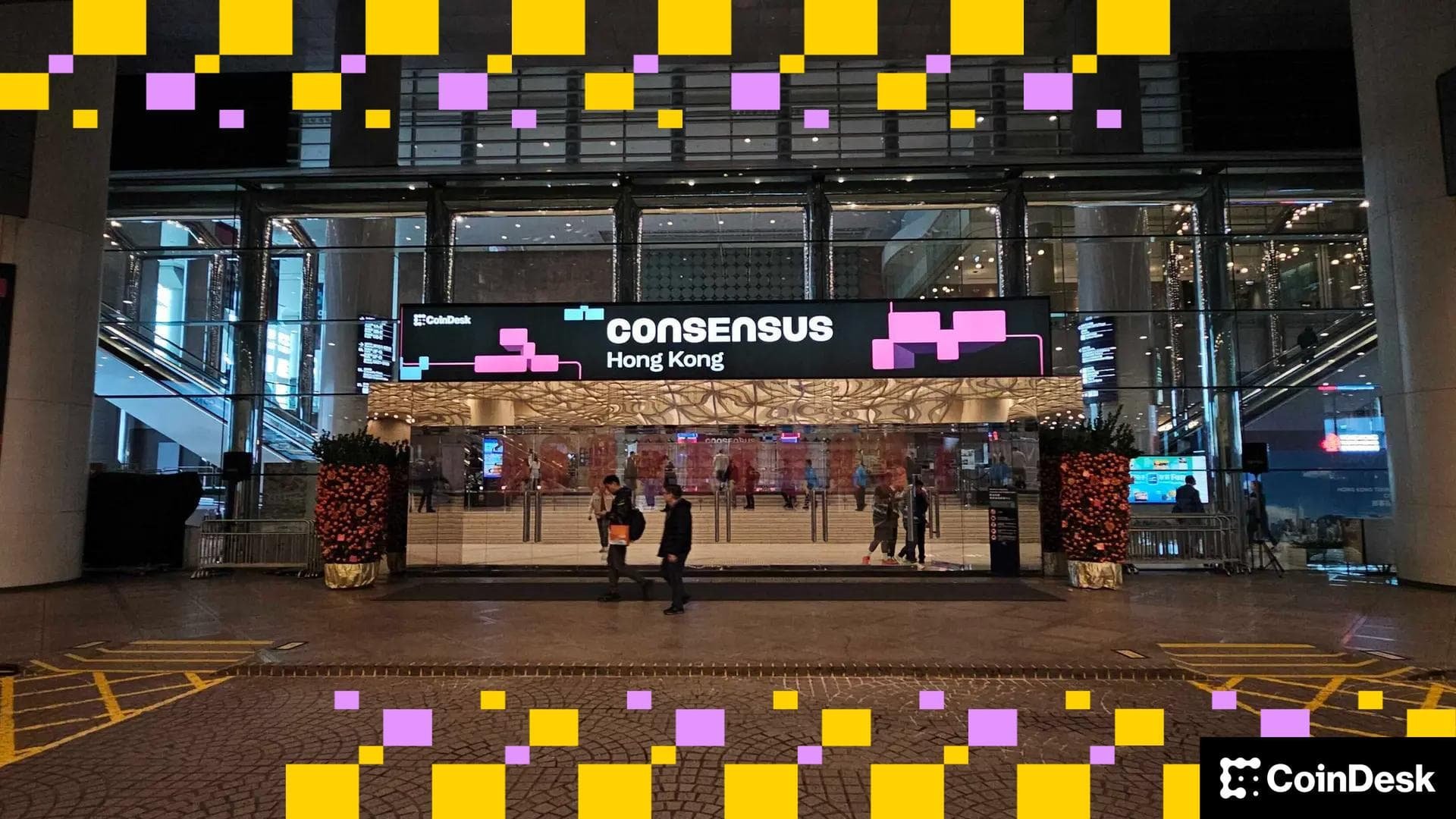
Consensus Hong Kong’s first full day brought into sharp focus the evolving priorities of the digital asset and blockchain sectors as regulators, institutional investors and industry leaders convened in Hong Kong’s Convention and Exhibition Centre.

The tone on Wednesday was markedly serious, with discussions centering on regulatory clarity, institutional adoption and the integration of digital assets into established financial systems, rather than speculative hype.

Public officials used the platform to reiterate Hong Kong’s strategic commitment to becoming a well-regulated global centre for digital assets.

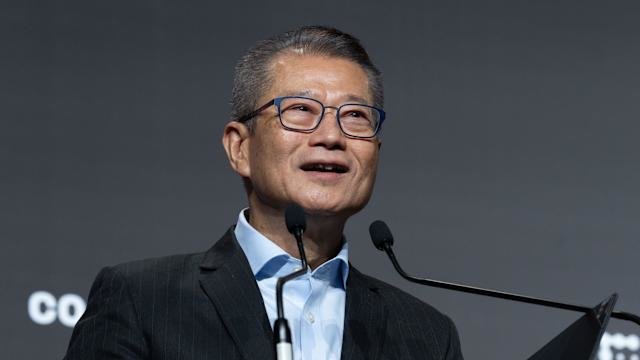
Financial Secretary Paul Chan Mo-po expanded on the city’s vision for a robust regulatory environment conceived to attract long-term capital and institutional participation.

Speakers pointed to recent developments including frameworks for licensing stablecoin issuers and allowing professional-only perpetual contracts, underscoring Hong Kong’s regulatory progress.

Industry panels highlighted the growing convergence between traditional finance and blockchain technology, with participants noting a clear shift from early-stage token narratives to mature products and services that align with compliance requirements.

Exchanges, banks and asset managers alike underscored the importance of clear rules that give institutional players confidence to expand their engagement in tokenisation, custody and other digital finance services.

Conversations at Consensus also acknowledged changing market dynamics.

Panelists discussed the role of tokenised deposits, advanced risk management tools and institutional scale products as signposts of digital asset maturation.

These topics reflected attendees’ increasing interest in integrating digital assets into broader financial portfolios while ensuring consumer protection and systemic resilience.

Networking events and side sessions complemented the main programme, providing opportunities for founders, venture capitalists and policymakers to explore partnerships and investment opportunities.

Throughout, the emphasis was clear: regulated innovation, institutional readiness and cross-border dialogue are central to shaping the next phase of Web3 development as Consensus Hong Kong continues over the coming days.
Financial Secretary says initial licences will be granted under rigorous standards, advancing the city’s digital asset ecosystem
Hong Kong’s government has confirmed it is ready to begin issuing the first licences for stablecoin issuers in March, marking a significant step in formalising the city’s digital asset regulatory infrastructure and demonstrating its ambition to be a regulated hub for tokenised finance.

Financial Secretary Paul Chan Mo-po told lawmakers that the Hong Kong Monetary Authority (HKMA) is wrapping up reviews of stablecoin licence applications submitted under the new Stablecoins Ordinance, which came into effect in August 2025, and that a very small number of licences will be issued to firms with credible business models and strong compliance frameworks.

Officials have emphasised that these initial approvals will be limited as part of a cautious and risk-focused regulatory approach.

The stablecoin licensing regime requires issuers of fiat-referenced tokens — digital assets designed to maintain a stable value relative to fiat currencies — to obtain authorisation from the HKMA.

The regulator has received 36 complete applications, and the review process is nearing completion, with assessments concentrating on use cases, robust risk management, anti-money-laundering systems, reserve quality and transparency of backing assets.

HKMA Chief Executive Eddie Yue previously indicated that only a “very small number” of applicants would be approved initially, reflecting stringent standards and the regulator’s commitment to prudent oversight.

Observers say this measured rollout is consistent with Hong Kong’s broader digital finance strategy, which balances innovation with financial stability and regulatory clarity.

The enforcement of the Stablecoins Ordinance and the forthcoming issuance of licences come amid growing global interest in regulated stablecoins as tools for payments, cross-border settlement and institutional liquidity management.

While Beijing maintains strict controls over cryptocurrency activity on the mainland, Hong Kong’s distinct legal and regulatory environment has enabled the special administrative region to pursue regulated development of digital assets, including virtual asset trading platforms and tokenisation initiatives.

Market participants and prospective issuers are watching closely as the regulatory regime transitions from conceptual framework to operational reality.

Initial licence holders will be among the first officially sanctioned stablecoin issuers in a major financial jurisdiction, underscoring Hong Kong’s role in shaping the emerging landscape of digital currency regulation in Asia and beyond.
Landmark conviction of relative of exiled activist Anna Kwok highlights expanding use of Article 23 provisions against diaspora critics
A Hong Kong court on Wednesday found Kwok Yin-sang, the father of a U.S.-based pro-democracy activist, guilty of violating the city’s national security law by handling financial assets linked to his daughter, marking the first such conviction under newly enacted legal provisions targeting “absconders.” The ruling comes amid an intensifying campaign by Hong Kong authorities to apply sweeping security legislation against critics abroad.

Kwok, 69, was convicted under Article 23 of the Safeguarding National Security Ordinance for allegedly attempting to access or dispose of an insurance policy in his daughter’s name, even though she is wanted by law enforcement for alleged national security offences.

Acting Principal Magistrate Cheng Lim-chi said the father must have known his daughter was an absconder and that trying to manage her assets violated the law.

Kwok pleaded not guilty but was found guilty following a trial at West Kowloon Magistrates Court.

The judge can impose a sentence of up to two years’ imprisonment in magistrates’ court proceedings.

His sentencing is scheduled for later this month.

The defendant’s daughter, Anna Kwok, is the executive director of the Washington-based Hong Kong Democracy Council and has been wanted by Hong Kong police since 2023 on charges including collusion with foreign forces.

The authorities have offered a bounty of one million Hong Kong dollars for information leading to her arrest and have barred anyone from handling her funds within the city.

This case is the first to apply the newer Article 23 provisions to the family member of an activist living overseas.

Human rights advocates and rights organisations have criticised the conviction as an escalation of what they describe as “transnational repression” targeting dissidents and their families.

Amnesty International’s Hong Kong Overseas representative described the verdict as a “disturbing escalation” in the use of security laws against relatives of exiled activists.

Critics argue that prosecuting a family member for managing personal assets crosses legal and ethical lines and signals a broader trend of enforcing national security legislation far beyond the city’s borders.

Anna Kwok denounced the conviction on social media, saying her father was punished “simply for being my father” and calling the case founded on “incoherent fiction.” She reaffirmed her commitment to continue her advocacy from abroad despite the ruling.

The proceeding reflects ongoing tensions between Hong Kong’s security apparatus and pro-democracy campaigners in exile, against the backdrop of Beijing’s efforts to tighten control over dissent and extend the reach of its national security framework.
Government reaffirms its role as a regulated digital asset hub even as Dubai and Abu Dhabi accelerate crypto-friendly frameworks
Hong Kong’s financial leadership has reiterated its firm commitment to developing a regulated digital asset ecosystem, even as it acknowledges intensifying competition from the United Arab Emirates’ rapidly evolving crypto-friendly landscape.

Officials at the Consensus Hong Kong conference emphasised that Hong Kong has maintained a transparent, consistent regulatory regime that provides certainty for market participants, particularly under its mandatory licensing framework for virtual asset trading platforms and forthcoming stablecoin regime scheduled for first-quarter licensing.

Speakers described the UAE — especially Dubai and Abu Dhabi — as “aggressive” competitors, having created streamlined, single-authority frameworks that make it easier for virtual asset businesses to operate and innovate within their jurisdictions.

This competitive pressure has sharpened focus on regulatory clarity and balanced oversight in Hong Kong’s approach.

Under Secretary for Financial Services and the Treasury Joseph Chan underlined that Hong Kong’s regulators have sought to avoid surprises for industry participants by articulating clear licensing paths and long-term regulatory intentions.

That has helped industry players prepare for changes and understand emerging obligations well in advance.

At the same time, digital asset investors and innovators in the region have pointed to the UAE’s unified regulatory authorities and stable regulatory currency as factors attracting capital and entrepreneurial activity.

Hong Kong’s broader digital asset strategy is supported by policy developments such as the 2025 Policy Statement 2.0 on the Development of Digital Assets, which sets out a vision for a trusted and innovative digital asset ecosystem embedded in the financial centre’s real economy.
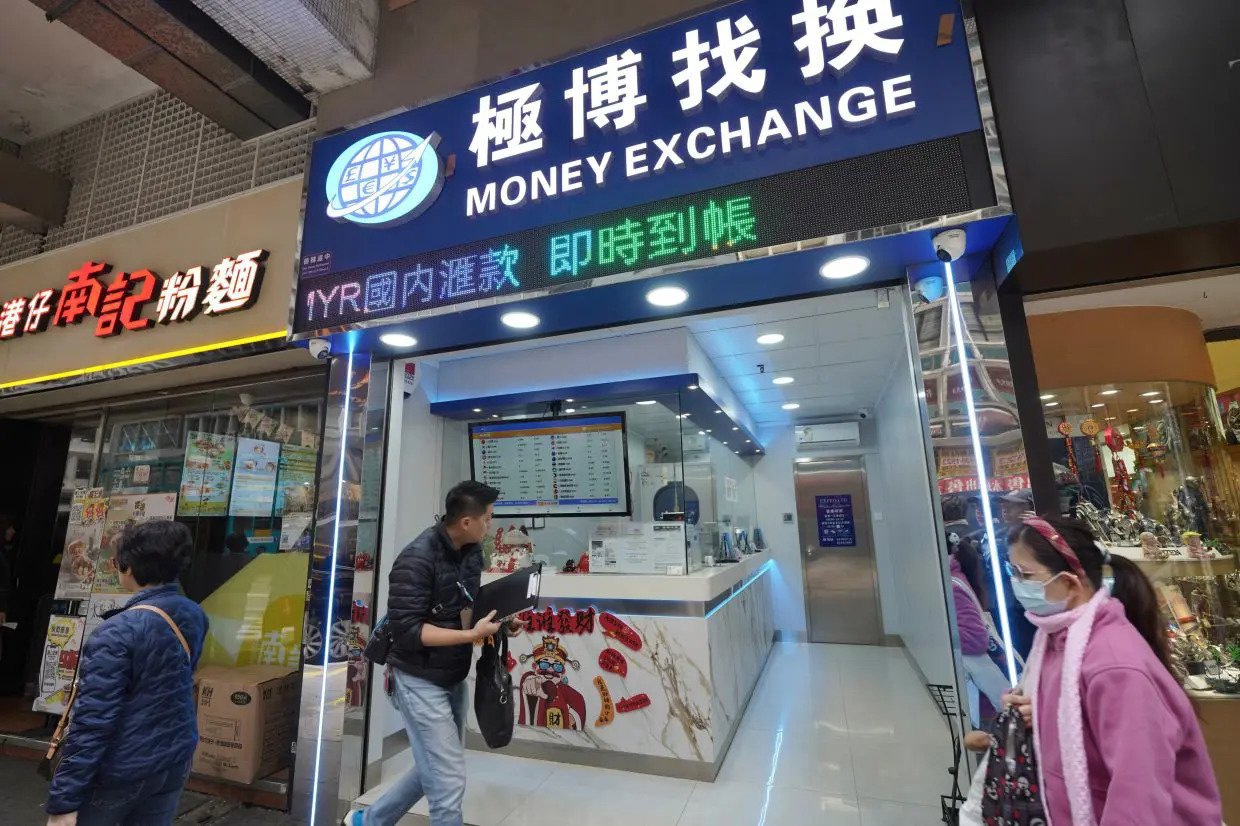
This includes plans for a robust licensing regime for both virtual asset trading platforms and custodians, and deepening institutional engagement with tokenised products and stablecoins under the new Stablecoins Ordinance, which took effect in August 2025. 

Despite the competitive environment, Hong Kong continues to see institutional engagement grow.

Recent market developments point to an expansion of custody by banks, growth in tokenised deposits and deeper integration of digital asset services into regulated financial infrastructure.

These trends suggest that institutional participants view the city as offering a credible, long-term environment for digital asset innovation anchored in regulatory certainty — a strategic strength that stands in contrast to what some industry participants see as the UAE’s “aggressive” but less stable regulatory approaches.

The ongoing competition reflects broader geopolitical shifts in global finance, as jurisdictions seek to attract digital asset firms and investment.

Hong Kong’s model emphasises investor protection and predictable regulation, while rival hubs calibrate rapid adoption with streamlined approval processes.

As the global digital asset landscape continues to evolve, Hong Kong’s carefully calibrated strategy aims to sustain its position as a leading, sophisticated market for digital asset services — even as it adapts to external competitive dynamics.
Seventeen straight months of year-on-year growth signal a rare rebound in the world’s lowest fertility rate, but experts warn structural pressures remain unresolved
South Korea is witnessing an unexpected uptick in births after nearly a decade of steady decline, offering cautious optimism in a country long gripped by demographic anxiety.

For seventeen consecutive months, the number of babies born each month has risen compared with the same month a year earlier, according to the latest official figures released in January.

The improvement follows a historic low in 2023, when the country’s fertility rate — the average number of children a woman is expected to have in her lifetime — fell to 0.721, the lowest among advanced economies and far below the 2.1 replacement level needed to maintain a stable population without immigration.

In 2024, the fertility rate increased modestly to 0.748, marking the first annual rise in nine years.

While the increase remains small in absolute terms, it has sparked debate over whether the country may have reached a turning point.

At a recent baby products fair in Seoul, young couples crowded exhibition halls testing strollers and comparing childcare equipment — a scene that would have seemed improbable amid years of headlines predicting population collapse.

Some attendees credited expanded government support for influencing their decisions.

Over the past decade, authorities have invested heavily in pro-natalist policies, including housing subsidies, cash allowances for new parents, extended maternity and paternity leave, and workplace reforms encouraging greater work-life balance.

Campaigns promoting shared domestic responsibilities and even state-backed matchmaking initiatives have formed part of a broad effort to reverse the downward trend.

Several expecting parents say the atmosphere has shifted compared with previous years, with employers now more accepting of parental leave.

Yet many also describe persistent financial and cultural pressures that complicate family planning.

South Korea remains one of the most expensive countries in the world in which to raise children, particularly due to intense competition in education and widespread reliance on private tutoring.

Childcare costs, housing prices and demanding workplace norms continue to weigh heavily on young couples.

Some women report leaving their jobs upon pregnancy because of limited workplace flexibility.

Demographers caution that the recent rebound may partly reflect temporary dynamics rather than lasting structural change.

Many couples postponed marriage and childbirth during the Covid-19 pandemic; their delayed plans may now be materialising in what experts describe as a “catch-up effect.” Additionally, a relatively large cohort of women in their early and mid-thirties — prime childbearing years — may be temporarily boosting the numbers.

Whether this momentum can be sustained remains uncertain.

Analysts warn that unless deeper issues — including rigid gender expectations, high education costs and barriers facing non-traditional families — are addressed, fertility rates could resume their downward trajectory once pandemic-related delays have fully unwound.

Other countries facing aging populations and shrinking workforces are watching closely.

South Korea’s experience may offer lessons not only in how fertility can fall rapidly, but also in how difficult it can be to engineer a durable recovery once it does.
The prime minister’s sweeping lower-house victory delivers the strongest mandate for a Japanese government in more than seven decades and reshapes the country’s political landscape
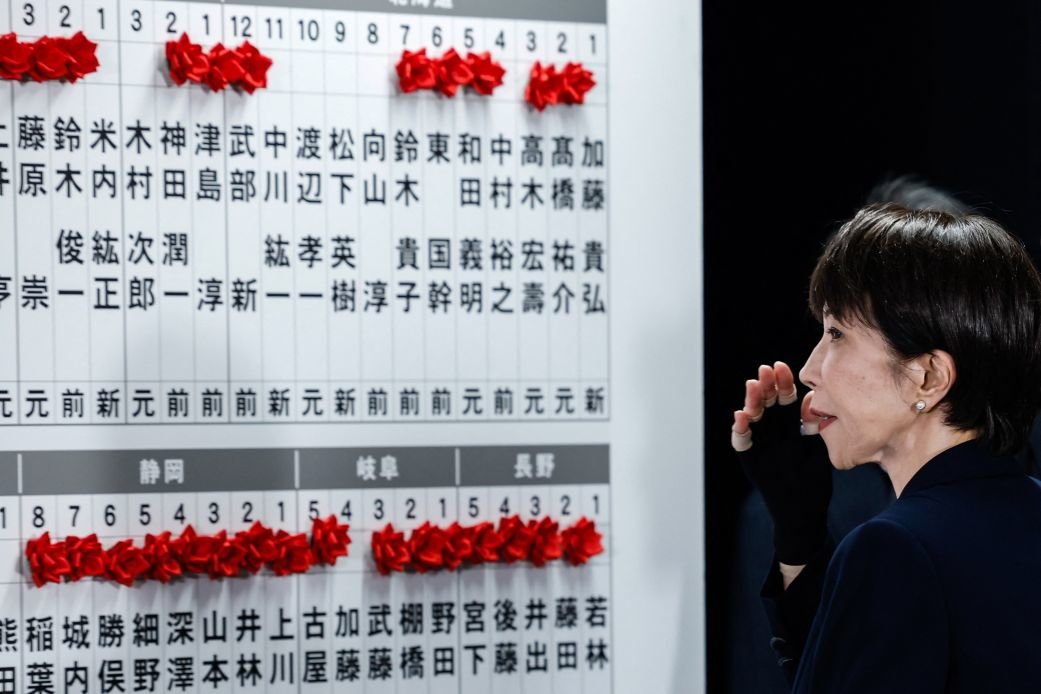
Japan’s Prime Minister Sanae Takaichi has secured a commanding mandate after her ruling Liberal Democratic Party won a landslide in a snap general election, delivering the strongest parliamentary majority for a Japanese government in more than seven decades.

The vote followed a high-risk decision by Takaichi to dissolve the lower house and seek an early endorsement from the electorate only months after taking office.

The gamble paid off decisively on Sunday, with her party capturing a two-thirds supermajority in the 465-seat chamber, giving the government the numbers to drive legislation through the lower house with unprecedented ease.

The result has reshaped Japan’s political landscape, long characterised by cautious, incremental leadership and dominated for decades by older male politicians.

Takaichi’s rapid rise and mass appeal have energised voters who typically stay on the sidelines, particularly younger Japanese, while also offering her party a fresh public face at a moment when it had been under pressure from inflation, voter fatigue and reputational damage.

Takaichi’s political profile blends hard-edged social conservatism with an interventionist economic stance.

She has opposed same-sex marriage, backed patriotic education and defended Japan’s single-surname system.

On constitutional reform, she has pledged to press persistently for revision of the post-war framework, including the provision that renounces war, while acknowledging that the process would still require support in the upper house and approval in a national referendum.

Economically, she has aligned herself with robust government action, moving quickly to pursue large-scale spending and framing her agenda around restoring confidence, raising living standards and strengthening national resilience.

Her supporters argue that the scale of the victory reflects a public desire for decisive governance and a clearer national direction.

Internationally, Takaichi has reinforced ties with key partners, while projecting a more direct posture on regional security.

Her recent comments linking the security of Taiwan to Japan’s national interests have further strained already difficult relations with Beijing, which has responded with sharper rhetoric and increased pressure measures.

Takaichi, however, has portrayed Japan’s stance as principled, deterrence-focused and grounded in national self-defence.

The election has also highlighted warming personal and political rapport between Tokyo and Washington.

US President Donald Trump, who praised Takaichi during the campaign period, offered public support ahead of the vote and signalled interest in early engagement with her government, reinforcing the prospect of deeper strategic alignment.

With the next election not due until 2027, the scale of the mandate gives Takaichi a clear runway to pursue her domestic reforms and security agenda, while opponents face the challenge of rebuilding credibility in a political environment now decisively tilted in her favour.
Spain’s proposed crackdown on youth access and platform liability crystallizes a deeper struggle over who governs digital space—states or tech executives
The core issue is no longer whether social media harms children; it is whether democratic governments are prepared to criminalize the mechanics of algorithmic amplification and directly limit platform access to minors.

Spain’s plan to ban social media for under-16s and hold executives criminally liable for failing to remove illegal content marks a decisive shift from consumer protection rhetoric to enforcement power.

This is not a symbolic warning.

It is a test of whether states can reassert sovereignty over digital systems that operate across borders, monetize attention, and shape political culture.

Spain’s proposal would require strict age verification tools, introduce criminal penalties for algorithmic amplification of illegal content, and sanction individuals and platforms that help spread hate.

The initiative aligns with moves in Australia, France and Denmark to restrict youth access, but it goes further by targeting executive accountability and algorithmic design.

The legislation process is set to begin immediately, signaling urgency rather than incremental reform.

Confirmed vs unclear: What we can confirm is that multiple governments are converging around age-based bans and stronger liability standards.

What remains unclear is how strict age verification will function in practice without expanding biometric surveillance, how “algorithmic manipulation” will be legally defined, and whether cross-border enforcement will survive inevitable legal challenges from global platforms.

The gap between legislative ambition and technical feasibility is the decisive fault line.

Mechanism: Social platforms rely on engagement-maximizing algorithms that prioritize emotionally charged content.

Higher engagement yields more advertising revenue.

Children are disproportionately susceptible to feedback loops that reward outrage, validation-seeking and compulsive use.

Age bans attempt to sever access at the entry point.

Criminal liability attempts to rewire incentives at the executive level.

Both measures aim to change behavior by altering the cost structure of digital harm.

Incentives and constraints: Politically, governments face rising parental anger, measurable increases in youth mental health distress, and electoral incentives to act decisively.

Economically, platforms depend on network effects and youth adoption to sustain long-term user bases.

Technologically, reliable age verification without data overcollection is difficult.

Legally, European digital rights frameworks impose privacy and free expression constraints.

Each side is constrained: states by rights law and enforcement capacity; platforms by public trust erosion and regulatory risk.

Stakeholder leverage: Governments control market access, fines, and criminal statutes.

Platforms control the infrastructure of public discourse and can threaten service withdrawal or legal escalation.

Parents and schools exert moral pressure but lack regulatory authority.

Smaller member states gain leverage through coordination, amplifying bargaining power against multinational firms whose revenues often exceed national GDPs.

Cross-border cooperation is the leverage multiplier.

Competitive dynamics: If one major EU country successfully implements an enforceable under-16 ban, pressure will cascade across the bloc.

Firms will resist fragmentation of services by geography because compliance complexity scales costs.

States that hesitate risk appearing permissive toward digital harms.

The race is not ideological; it is regulatory.

Whoever sets the workable model will shape the next decade of digital governance.

Scenarios: In the base case, Spain passes legislation with phased enforcement and negotiates compliance standards with major platforms.

Some litigation follows, but partial age verification systems are deployed and fines become credible deterrents.

In the bull case, coordinated European enforcement creates a de facto continental standard, forcing global platforms to redesign youth access and moderation systems worldwide.

In the bear case, technical loopholes undermine age checks, courts narrow liability definitions, and political momentum dissipates after initial headlines.

What to watch:
- Precise legal definition of “algorithmic amplification.”
- Technical standards chosen for age verification.

- Whether biometric data becomes mandatory.

- First executive-level prosecution or credible threat thereof.

- Cross-border enforcement agreements within the EU.
- Platform decisions to geofence or withdraw services.

- Court rulings on proportionality and free speech.

- Advertising revenue shifts tied to youth restrictions.

- Uptake of alternative youth-specific digital spaces.

- Evidence of measurable reduction in youth exposure to harmful content.

The broader question is whether democracies can impose durable rules on systems optimized for engagement rather than safety.

Age bans and criminal liability represent a power shift from voluntary moderation to statutory enforcement.

If implemented coherently, they will redefine platform governance.

If executed poorly, they risk driving harms into less visible corners of the internet while normalizing intrusive surveillance.

The battle is not about teenagers alone.

It is about who governs algorithmic influence in the digital era.
Legal petition seeks removal of up to forty percent tax burden on sanitary products, aiming to confront stigma and expand access to essential menstrual health care
A young lawyer in Pakistan has launched a constitutional challenge against what campaigners describe as a punitive “period tax,” seeking to have menstrual products reclassified as essential goods rather than luxury items.

Mahnoor Omer, twenty-five, alongside her colleague Ahsan Jehangir Khan, filed a petition arguing that existing tax policies on sanitary products deepen gender inequality and violate constitutional protections against discrimination.

Under Pakistan’s Sales Tax Act of nineteen ninety, locally produced sanitary pads are subject to an eighteen percent sales tax, while imported menstrual products face a twenty-five percent customs duty.

According to the petition, once additional local levies are factored in, the overall burden can reach roughly forty percent.

The legal filing contends that such taxation systemically undermines women’s and girls’ rights to health and education, contravening Article twenty-five of the Constitution, which prohibits discrimination on the basis of sex.

The case was heard in Rawalpindi in late November, where the court directed the government to submit a timely response so proceedings could advance.

Authorities have not yet publicly detailed their position.

Campaigners argue that the financial strain is particularly severe in a country where nearly forty-five percent of the population lives below the World Bank’s lower middle-income poverty threshold of four dollars and twenty cents per day.

In that context, a pack of ten sanitary pads costing between four hundred and four hundred eighty-five Pakistani rupees can represent a substantial share of a household’s daily income, especially when essential food staples already stretch limited budgets.

Only around twelve percent of women and girls in Pakistan use commercial sanitary products, according to data from the United Nations children’s agency.

Many rely instead on cloth, rags or other improvised materials.

Health professionals warn that prolonged use of such alternatives without proper sanitation increases the risk of infection, skin disease and urinary tract complications.

The legal action is also intended to challenge entrenched taboos surrounding menstruation.

Omer recalls classmates experiencing their first periods without prior education, often reacting with fear and confusion.

Medical practitioners report that some girls interpret the onset of menstruation as a sign of serious illness because of the absence of basic reproductive health education.

One in five girls in Pakistan misses school during her menstrual cycle, according to a two thousand twenty-four report, contributing cumulatively to significant educational loss.

Advocates say inadequate sanitation facilities, lack of affordable products and social stigma combine to push girls out of classrooms and public life.

The impact intensifies during climate-related disasters.

Seasonal floods in recent years have displaced communities and left women in relief camps without access to safe menstrual supplies or private washing facilities.

Aid workers describe cases in which women are forced to wash cloths in contaminated floodwater or resort to unsafe substitutes, compounding health risks.

Supporters of the petition describe the case as part of a broader generational shift toward open discussion of reproductive health.

Omer and Khan say they draw encouragement from similar reforms in neighboring countries where taxes on menstrual products have been reduced or abolished.

They hope the litigation will prompt legislative review and catalyze a national conversation on period poverty, public health and gender equality.
Last words included a heartfelt message to his wife, Molly.
Small plane pilot said “tell my wife I love her” before making emergency landing and crashing into vehicles on a busy road.

“Mayday!… We’re not going to make it. Please, tell my wife, Molly, I love her and my parents. I love them so much.”

A Hawker Beechcraft BE-36 made an emergency landing in Gainesville, Georgia, after departing Lee Gilmer Memorial Airport.

The FAA and NTSB said the landing was due to insufficient engine power.
The pro-democracy media tycoon receives the harshest penalty under the national security law.


China condemns London’s broadened British National (Overseas) visa pathway as interference following pro-democracy activist’s 20-year prison term
China has sharply criticised the United Kingdom’s expansion of its British National (Overseas) visa scheme for Hong Kong residents, dismissing the policy as “despicable and reprehensible” and accusing London of interfering in its internal affairs.

The diplomatic dispute comes in the wake of the 20-year prison sentence handed down to pro-democracy activist and media tycoon Jimmy Lai by Hong Kong authorities under the national security law, a case that has drawn international attention and condemnation.

The UK government confirmed on February 9 that it had widened eligibility for its BNO visa route, allowing children of status holders who were under eighteen at the time of Hong Kong’s 1997 handover to apply independently of their parents and enabling their partners and children to join them in Britain.

Officials framed the change as a moral response to the continuing deterioration of rights and freedoms in Hong Kong and an expression of the United Kingdom’s historic commitment to the people of the former colony.

Under the expanded scheme, the government estimates that roughly twenty-six thousand additional Hongkongers could relocate to the UK over the next five years, with pathways to long-term settlement.

Beijing’s Foreign Ministry and the Chinese Embassy in London reacted with unusually strong diplomatic rhetoric, characterising the UK’s move as a politically motivated intervention in China’s domestic affairs.

Official statements described the visa expansion as an attempt to undermine China’s sovereignty and disparaged the initiative as tainted by ‘‘malicious intentions’’ and remnants of a colonial mindset.

Chinese authorities have also defended Lai’s prosecution, asserting that the sentence upholds national security and the rule of law, and have urged foreign governments to respect China’s legal sovereignty.

The dispute follows wide international concern over Lai’s sentencing, which has been condemned by Western governments and human rights organisations as disproportionate and politically driven.

UK leaders have raised Lai’s case in dialogue with Chinese officials and called for his humanitarian release, even as they pursue deeper engagement on trade and bilateral issues.

London has reiterated that the expanded BNO visa scheme serves both humanitarian and strategic objectives by supporting individuals facing rights restrictions in Hong Kong while reinforcing the United Kingdom’s longstanding legal and moral obligations under the 1984 Sino-British Joint Declaration.

The clash over the visa policy underscores broader tensions in UK-China relations at a time of intensifying geopolitical competition and diverging approaches to governance and civil liberties.
The YouTuber gained control of cameras and renamed accounts, leaving the scammers shocked.


Number of single-family offices rises more than 25% in two years, attracting global capital and boosting economic contributions
Hong Kong has experienced a significant uptick in global wealth flows as ultra-high-net-worth individuals and families increasingly establish single-family offices in the city, reinforcing its position as a premier wealth-management centre in Asia.

Recent official data shows that the number of single-family offices operating in Hong Kong has risen by more than twenty-five percent over the past two years, reflecting sustained international interest.

Wealthy families from mainland China, Europe, the Middle East and the United States are among those choosing the city as a base to manage intergenerational capital, investment portfolios and bespoke wealth-planning strategies.

Officials attribute the growth to targeted policy incentives, a competitive tax regime and Hong Kong’s strategic role as a gateway to mainland China’s capital markets.

The absence of mandatory licensing requirements for single-family offices and the availability of professional services expertise have further enhanced the city’s appeal compared with regional competitors.

The expanding family office ecosystem is contributing materially to the local economy.
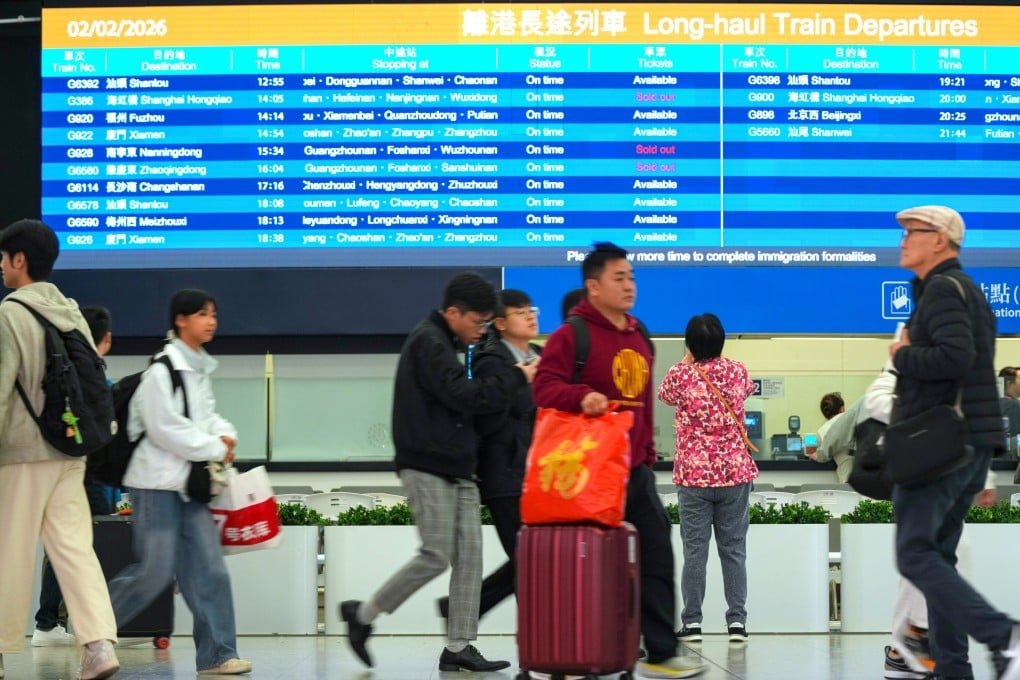
Operating expenditures run into billions of Hong Kong dollars annually and support thousands of full-time jobs across legal, accounting, asset management and advisory sectors.

Authorities say the influx of capital has also stimulated investment into technology, innovation and alternative asset classes.

Many family offices indicate plans to increase their allocations to Hong Kong-based investments in the coming years, citing confidence in regulatory clarity and market connectivity.

Policymakers are moving to broaden the scope of eligible investments under preferential tax arrangements, including digital assets and private credit, as part of efforts to consolidate Hong Kong’s competitive advantage.

As global wealth becomes increasingly mobile, Hong Kong’s ability to attract and retain family offices underscores its enduring role as a nexus for cross-border capital and private wealth management in Asia.
Commentary stresses continued enforcement and public awareness as city deepens legal framework under national security laws
Hong Kong must maintain an “unrelenting” commitment to safeguarding national security as it consolidates recent legislative and enforcement measures, according to a strongly worded editorial that calls for sustained vigilance amid evolving risks.

The commentary argues that while stability has returned following the implementation of the national security law and subsequent local legislation under Article 23 of the Basic Law, complacency would be premature.

It emphasises that external interference and residual destabilising elements remain potential threats, requiring authorities and society at large to remain alert.

Officials have in recent months underscored that national security is foundational to economic development and investor confidence.

The editorial reflects this position, linking the city’s improved business climate and renewed capital market activity to what it describes as a strengthened legal and institutional framework.

It notes that predictable governance and the rule of law are reinforced, not undermined, by clearly defined security boundaries.

The piece also calls for deeper public education, particularly among young people, to foster broader understanding of constitutional responsibilities and civic obligations.

Schools, universities and community organisations are encouraged to integrate national security awareness into their programming to ensure long-term resilience.

While critics abroad have questioned aspects of the security regime, the editorial maintains that the measures are lawful, necessary and consistent with international norms on sovereignty and public order.

It stresses that enforcement actions are targeted at conduct that endangers the state rather than ordinary civil or commercial activity.

As Hong Kong continues to position itself as an international financial centre and gateway between mainland China and global markets, the editorial concludes that safeguarding national security must remain a continuous and adaptive effort rather than a completed task.
Mainland stimulus measures and consumer incentives lift carmakers and suppliers as investors bet on sustained demand recovery
Automotive shares led gains in Hong Kong after fresh policy measures from Beijing signalled stronger support for domestic consumption and the electric-vehicle supply chain, prompting investors to reposition into the sector.

Carmakers, battery producers and key component suppliers recorded broad advances, helping to lift the Hang Seng Index in early trading.

The rally followed the announcement of additional pro-consumption initiatives aimed at stabilising growth and encouraging vehicle purchases, including extended tax incentives for new-energy vehicles and targeted subsidies in selected regions.

Market participants interpreted the measures as reinforcing the central government’s commitment to sustaining momentum in the automotive transition toward electrification and advanced manufacturing.

Major electric-vehicle manufacturers with dual listings in Hong Kong saw shares climb sharply, while traditional automakers also benefited from expectations that improved consumer sentiment could support overall vehicle sales.

Battery makers and upstream materials suppliers rose in tandem, reflecting optimism about supply-chain demand and production volumes.

Analysts noted that the automotive sector has remained sensitive to policy direction, particularly as China seeks to balance industrial upgrading with domestic demand growth.

The latest measures are viewed as part of a broader strategy to underpin economic activity while consolidating the country’s leadership in electric mobility technologies.

Trading volumes in leading auto counters increased compared with recent sessions, indicating renewed investor participation.

Market strategists said sustained gains would depend on the durability of policy implementation and evidence of stronger retail sales data in the coming months.

The advance in auto stocks contrasted with more muted performance in other sectors, underscoring how targeted government initiatives continue to shape capital flows within Hong Kong’s equity market.
Secondary listing of Chinese battery-equipment maker opens at near offer price as broader market activity shows mixed sentiment
Wuxi Lead Intelligent Equipment, a leading Chinese manufacturer of automated machinery for battery production, launched its highly anticipated secondary listing in Hong Kong after raising approximately US$630.7 million in new capital.

The company’s shares opened close to the offer price of HK$45.80 (about US$5.86), reflecting a subdued reception from investors amid a broader environment of cautious market sentiment and thinning liquidity ahead of the Lunar New Year holiday.

The proceeds for the offering, which involved the issuance of more than 107.6 million new shares including the exercise of an overallotment option, will support Wuxi Lead’s global expansion, including research and development, sales and service network development outside China, and other corporate purposes.

Wuxi Lead supplies equipment to major global customers, including Tesla, Contemporary Amperex Technology and Volkswagen, and is considered a key participant in the electrification supply chain.

Market reaction to the debut was muted compared with some larger Hong Kong listings that have seen significant price appreciation on first trading days, highlighting the varied responses among investors toward different sectors and companies.

The Shenzhen-listed shares of Wuxi Lead were trading lower on the mainland exchange, contrasting with the relatively stable performance in the Hong Kong venue.

Observers noted that Hong Kong’s IPO pipeline remains robust, with the exchange continuing to attract both domestic and international issuers as it consolidates its role as a major capital-raising hub in Asia.
Swiss banking giant to bolster its Hong Kong wealth management team following strong regional performance and renewed client inflows
UBS Group has announced plans to hire around fifty wealth management bankers in Hong Kong as part of a targeted expansion of its private banking operations in Asia.

The move, confirmed by Asia Pacific wealth management co-head Amy Lo, reflects the bank’s strategy to strengthen its presence in North Asia after a year of record contribution from the region’s markets.

The additional hires will primarily focus on serving high net-worth clients, broadening UBS’s capacity beyond its traditional emphasis on ultra-high net-worth and billionaire sectors.

Executives noted that the expansion follows strong performance in Hong Kong’s initial public offering market and a recovery of assets following the integration of Credit Suisse’s operations — a process that previously led to some talent departures.

Although global net new asset inflows slowed in the fourth quarter, Asia Pacific attracted significant new assets, underscoring the region’s importance to UBS’s global wealth management business.

To support its enlarged team, UBS has taken possession of new premises at the International Gateway Center in West Kowloon, with plans to open the site later this year.

The location aims to position the bank closer to the Greater Bay Area, enhancing service for clients across Hong Kong, Macau and mainland Chinese cities.

In addition to recruitment in Hong Kong, UBS has signalled interest in selective expansion on the Chinese mainland through potential partnerships, although details have not been disclosed.

UBS also continues to refine internal processes, including enhanced scrutiny of client wealth sources and documentation, as part of its efforts to support sustainable growth.

The bank’s Asia Pacific wealth unit, which operates a sizeable Mandarin-speaking team based in Switzerland, has doubled assets under management in recent years and anticipates further growth by 2030. The hiring initiative in Hong Kong is seen as central to cementing UBS’s competitive position in a market characterised by dynamic wealth creation and client demand for private banking services across the region.
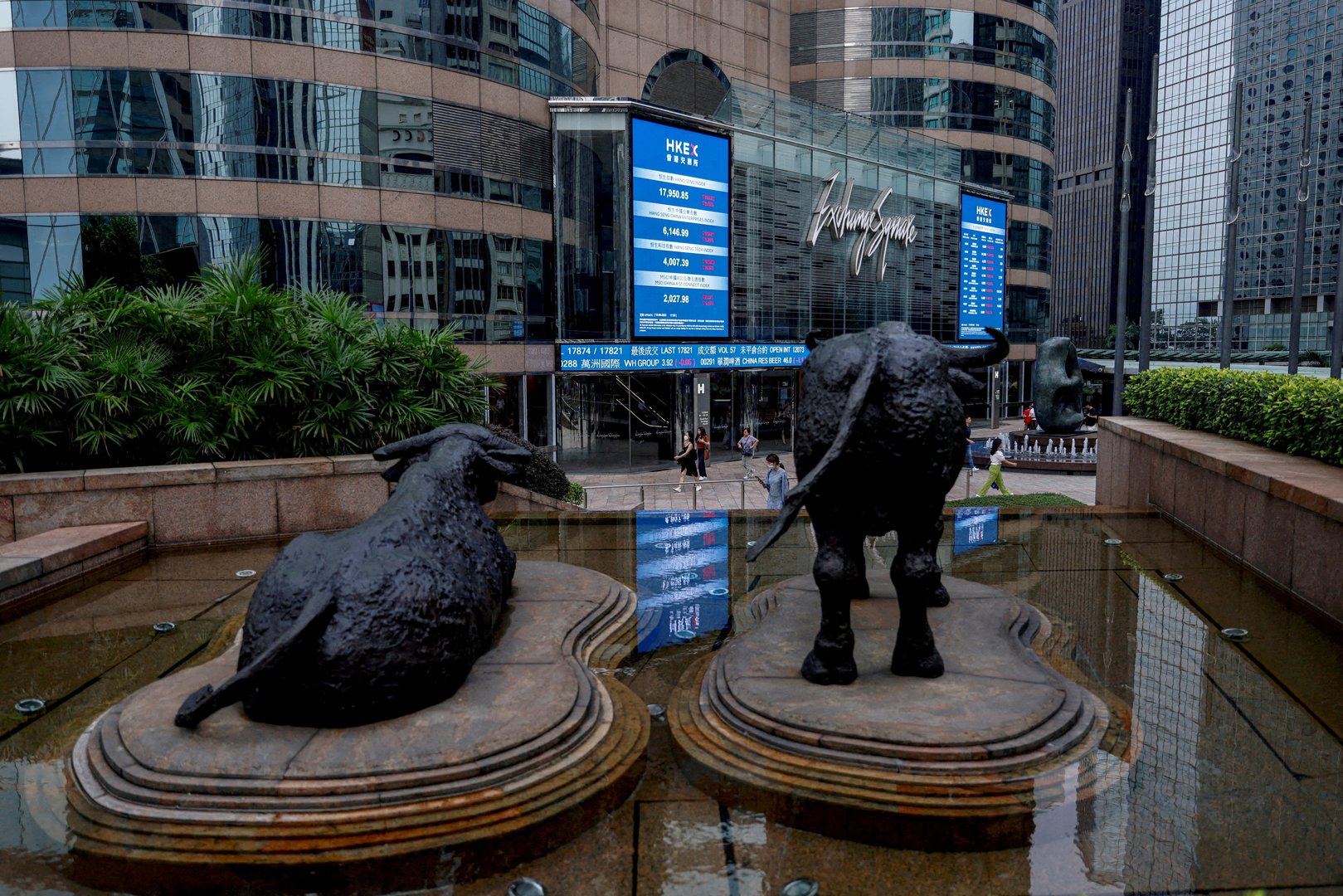
Benchmark indexes strengthen with broad sector gains and thinner trading ahead of the long holiday
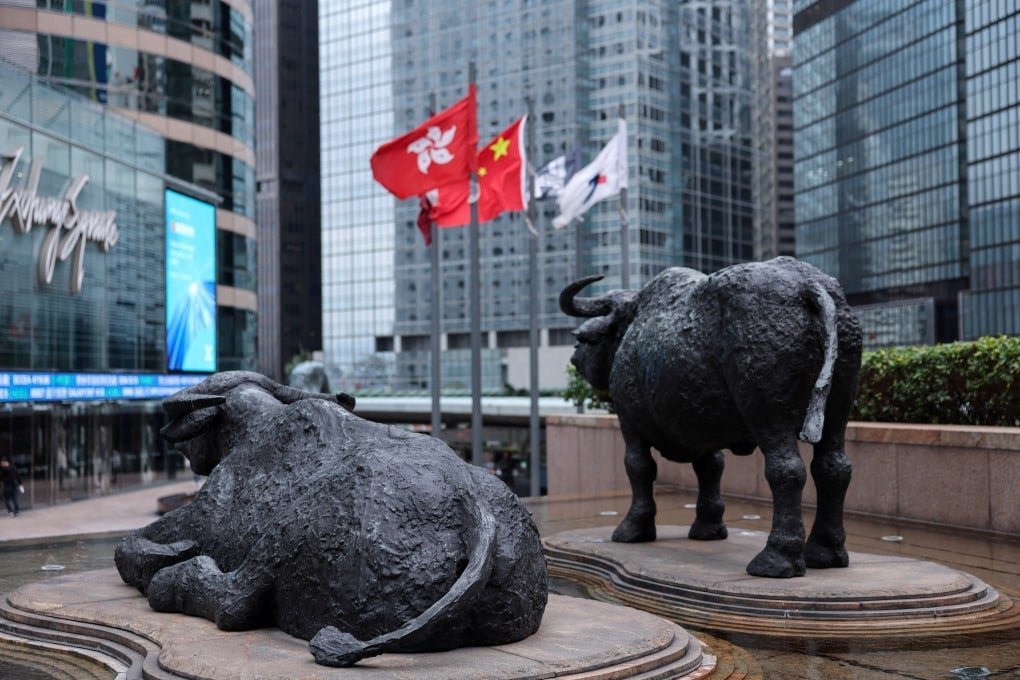
Hong Kong’s stock market rallied in the run-up to the Lunar New Year holiday, with major indexes posting gains as investor sentiment improved and risk appetite returned ahead of the extended break.

The Hang Seng Index rose steadily, lifting nearly one percent in mid-session trading and closing higher in recent sessions as most sectors advanced, supported by optimism from Wall Street and expectations of strong holiday consumption.

Trading volumes thinned as the city prepared for the long Lunar New Year holiday, which will pause local markets for several days.

Mainland shares likewise ended slightly higher, while technology and consumer names contributed to the positive bias.

The Hang Seng China Enterprises Index and the tech-focused gauge also posted modest gains, reflecting broad-based buying interest before the holiday closure.

Market participants said the improvement in risk sentiment was partly driven by a rebound on Wall Street, where major U.S. benchmark indexes have climbed, boosting confidence among Asian investors.

Mainland travel and consumption stocks also attracted interest, with traders anticipating robust holiday spending and travel demand during the festivities.

Despite subdued liquidity typical of pre-holiday sessions, strong performances by selected large-cap and growth stocks helped underpin the overall advance.

The positive move in Hong Kong equities comes as investors assess economic data and corporate earnings while positioning themselves ahead of disrupted trading schedules.

With the Lunar New Year holiday imminent, market watchers will look to how sentiment sustains once trading resumes after the extended break.
Court finds father of exiled pro-democracy campaigner guilty of handling a fugitive’s assets, marking a rare prosecution of a relative under strict security legislation
A Hong Kong court has convicted the father of a US-based pro-democracy activist under the territory’s national security law for unlawfully dealing with his daughter’s insurance policy, in one of the most prominent prosecutions of a family member of an exiled dissident.

Kwok Yin-sang, aged sixty-eight and the father of Anna Kwok, was found guilty of handling property belonging to an “absconder” — a legal term used after authorities designated her daughter under the Safeguarding National Security Ordinance — by accessing or attempting to access insurance funds in her name following her departure from Hong Kong.

The charge, brought under section ninety of the ordinance, reflects authorities’ broad interpretation of the law’s provisions on dealings with the assets of individuals accused of undermining national security.

Kwok’s prosecution marks the first time that relatives of an overseas activist wanted on national security grounds have been charged under the sweeping legislation.

The court heard that after meeting his daughter overseas, Kwok returned to Hong Kong and made attempts to withdraw funds from her life and accident insurance policies, which prosecutors characterised as indirectly assisting a fugitive.

During earlier proceedings, he pleaded not guilty, and his case has drawn attention to how the national security law extends beyond direct political action to financial and familial connections.

Human rights organisations have criticised the conviction as part of a broader pattern of legal pressure on relatives of dissidents, warning that targeting family members could be a form of collective punishment that undermines international legal norms.

The sentencing also underscores the expansive reach of Hong Kong’s national security framework, which in recent years has been used to pursue activists, journalists and other critics of the city’s governance.

Supporters of Kwok have called for international scrutiny and urged authorities to consider the humanitarian implications of applying national security provisions in cases involving financial arrangements.
Chief Executive says regional authorities will sustain growth of crypto and tokenisation ecosystem amid expanding regulatory and institutional initiatives
Hong Kong’s government has reiterated its commitment to supporting the growth of the local digital asset community, with the city’s leadership emphasising ongoing efforts to expand licensing, regulatory clarity, and institutional participation in the sector.

During remarks at a major industry gathering in early 2026, Chief Executive John Lee reaffirmed that Hong Kong will continue to back development of virtual asset markets and related innovation, even as authorities refine the broader legal and supervisory framework.

Hong Kong’s digital finance agenda has gathered momentum in recent years with the enactment of a stablecoin licensing regime, which is expected to deliver its first licences in the first quarter of 2026, laying the groundwork for formally regulated fiat-referenced tokens.

Officials have also signalled progress on licensing for virtual asset trading platforms and are extending oversight to dealers and custodians, building a comprehensive rulebook for the evolving market.

This structured approach aims to balance innovation, investor protection and financial stability while nurturing a competitive industry environment.

The city’s regulators and financial sector leaders have underscored strong engagement from both local and international firms, pointing to significant increases in digital asset-related transactions and the participation of hundreds of banking and asset management institutions in tokenised products and services.

Hong Kong’s platform also supports development of real-world asset tokenisation, improved cross-border payments and expanded fintech talent initiatives, positioning the city to capitalise on growing demand for blockchain-enabled financial services.

Despite Beijing’s more cautious signals toward offshore crypto exposure for mainland firms, Hong Kong’s officials continue to promote a reasoned strategy that attracts firms seeking a regulated environment.

The combination of clear regulatory pathways, targeted licensing regimes and ongoing policy support reflects the city’s determination to sustain local digital asset community growth and reinforce its status as a leading global hub for digital finance.
City’s financial authorities advance licensing and supervisory regime for stablecoins even as Chinese regulators step back from crypto ambitions
Hong Kong is proceeding with plans to regulate and license stablecoin issuance under a formal legal framework, reaffirming its ambitions to be a major hub for digital finance even as mainland Chinese authorities express reservations about crypto activity and private currency initiatives.

Hong Kong’s Legislative Council passed the Stablecoins Ordinance in May 2025, creating a licensing regime that took effect on August 1 and requires issuers of fiat-referenced stablecoins to obtain approval from the Hong Kong Monetary Authority and meet stringent requirements on reserves, anti-money-laundering and operational standards.

Local authorities have emphasised that stablecoins are to be treated as infrastructure within the regulated financial system rather than speculative assets, with licensing expected to begin in earnest in early 2026 and only a limited number of issuers authorised initially.

The regulatory push has attracted interest from dozens of potential applicants, including fintech startups and consortia combining banking, technology and telecommunications firms, which see issuance of Hong Kong-dollar-pegged tokens as a way to enhance cross-border payments and institutional liquidity.

Development of a robust framework is seen by proponents as necessary to support efficient and compliant digital settlement tools while maintaining oversight aligned with Hong Kong’s status as a global financial centre.

Nevertheless, authorities in Beijing have taken a more reserved stance, urging mainland tech giants and financial groups to scale back their stablecoin ambitions and limit exposure to offshore crypto assets amid concerns about systemic risk and monetary control.

Several large Chinese firms reportedly paused plans for Hong Kong stablecoin projects following guidance from regulators including the People’s Bank of China, underscoring the nuanced relationship between Hong Kong’s financial autonomy and mainland policy priorities.

Despite these reservations, Hong Kong’s approach to stablecoin licensing reflects a strategic effort to balance innovation with financial stability, positioning regulated digital assets as part of broader market infrastructure while navigating regulatory caution on both sides of the border.

Market participants view the city’s measured rollout as an opportunity to build credibility and trust in stablecoins as institutional settlement tools under careful supervision, even as the pace of adoption and the extent of private sector involvement evolve.
A Chinese foreign ministry spokesperson stated that the 78-year-old deserves severe punishment for national security violations.


The lawsuit questions if tech companies can be held responsible for addiction-related harm to minors.

Tour operators and travellers report robust interest in journeys to Japan even as authorities urge caution amid Beijing–Tokyo tensions
Hong Kong residents continue to book travel to Japan and express strong interest in visiting the country even after authorities issued advisories urging heightened vigilance and caution.

The Hong Kong Security Bureau updated its outbound travel alert for Japan in mid-November, advising residents planning trips or already in the country to stay alert and monitor local safety information following China’s broader advisory that urged its citizens to avoid non-essential travel to Japan amid a diplomatic row over comments by Japanese leaders on Taiwan and reports of incidents involving Chinese nationals.

Travel numbers have remained resilient, with carriers operating normal flight schedules and travel agencies reporting sustained demand, particularly driven by favourable exchange rates and popular destinations such as ski resorts and cultural hubs.

Tourism industry representatives say that while mainland Chinese bookings have softened due to cancellations and advisories, Hong Kong-based interest has not seen a significant drop, and travel fairs continue to show Japan as a top choice for outbound leisure trips.

The weak Japanese yen and competitive flight schedules have further bolstered confidence among holidaymakers.

Forecasts for the coming peak seasons, including Lunar New Year and cherry-blossom periods, indicate continued strong demand, with forward bookings stable and price promotions in place to attract visitors.

Local tourism authorities have emphasised the importance of personal safety planning and the availability of flexible ticketing options, even as geopolitical tensions persist between Beijing and Tokyo.
China underscores its national security policy and legal framework for Hong Kong in the wake of a landmark sentencing under the territory’s security law
The Chinese government has underscored its national security policy and legal framework for Hong Kong in the aftermath of a court’s decision to sentence prominent pro-democracy media figure Jimmy Lai to twenty years in prison under the city’s national security law.

On February 9, a Hong Kong court imposed the harshest sentence to date under the 2020 National Security Law, finding Lai guilty of conspiring to collude with foreign forces and to publish seditious material after a lengthy trial that concluded with convictions in December 2025. The verdict and sentence have drawn global attention as emblematic of Beijing’s rigorous enforcement of security provisions in the territory.

China’s broader national security strategy, articulated in a comprehensive national security white paper released by the State Council Information Office in May 2025, frames national security as integral to safeguarding its sovereignty, development, and social stability in a volatile global environment.

The document outlines a holistic security concept that encompasses political, economic, military and societal dimensions, and reflects the leadership’s emphasis on strengthening legal and institutional mechanisms to support these aims.

Hong Kong authorities and mainland officials have publicly defended the verdict against Lai as a lawful application of the security law and essential to preserving national stability, rejecting international criticism as interference in internal affairs.

This position aligns with Beijing’s published security doctrine, which positions strict enforcement as a cornerstone of its legal order and governance in the Hong Kong Special Administrative Region.

The national security law, enacted in June 2020 by China’s National People’s Congress and applied in Hong Kong, criminalizes secession, subversion, terrorism and collusion with foreign powers, and continues to shape the legal landscape of the city.

The leadership’s reaffirmation of its security policy through official documents aims to reinforce this framework amid ongoing diplomatic and human rights debates.
Pro-democracy media tycoon receives longest sentence yet under China’s national security law, prompting widespread international criticism and concern over press freedoms
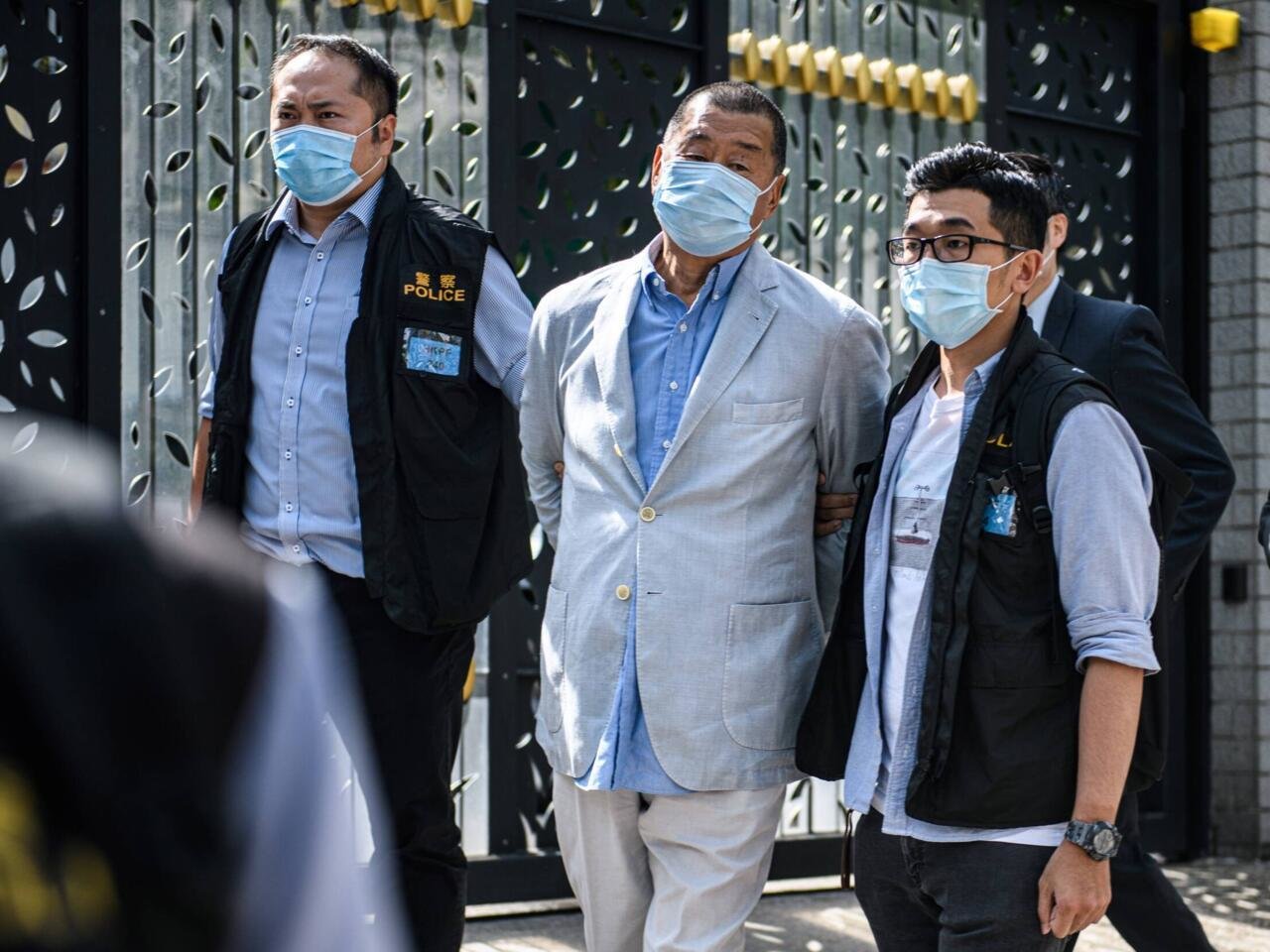
Jimmy Lai, the 78-year-old former Hong Kong media tycoon and prominent critic of Beijing, was sentenced on Monday to 20 years in prison in one of the most severe punishments to date under Hong Kong’s national security law.

Lai, founder of the now-defunct pro-democracy newspaper Apple Daily, was convicted in December on multiple charges, including conspiracy to collude with foreign forces and conspiracy to publish seditious materials, in a trial that has drawn intense international attention.

Lai’s sentencing on February 9 follows years of legal battles and his arrest in 2020 under the national security legislation imposed by Beijing.

The law, enacted in 2020 in response to widespread pro-democracy protests, has been used to suppress dissent and significantly weaken civil liberties in the city.

Lai’s conviction and lengthy prison term — the harshest yet under the law — come after a trial heard by a panel of judges and no jury, and after prosecutors presented hundreds of articles from his former newspaper as evidence of alleged wrongdoing.

The case has drawn strong reactions from governments and rights groups worldwide.

Leaders from the United States, United Kingdom, European Union and United Nations criticised the sentence as disproportionate and harmful to press freedom, with calls for Lai’s release and urgent diplomatic responses.

Human rights organisations labelled the punishment a severe blow to media independence in Hong Kong, highlighting concerns that the national security framework effectively criminalises free expression and political advocacy.

Chinese and Hong Kong authorities defended the ruling, asserting that the sentence upheld national security and the rule of law.

Hong Kong Chief Executive John Lee described Lai’s actions as threatening social order, while Beijing’s foreign ministry reiterated that the case is a matter of internal sovereignty and warned against foreign interference.

Lai’s family expressed deep concern for his health amid the long prison term, noting his age and existing medical conditions.

Lai’s Apple Daily, once a symbol of press freedom in Hong Kong, was forced to shut in 2021 after police actions and asset freezes crippled the outlet.

Lai’s lengthy sentence underscores the dramatic shift in Hong Kong’s legal and political landscape since the imposition of the national security law, and it has become a focal point in broader debates about civil liberties and Beijing’s authority over the city.
In a joint China-Myanmar-Thailand operation to dismantle gambling and fraud hubs in Myawaddy, Myanmar, Chinese police forces have escorted more than 1,500 criminal suspects back to China, according to Ministry of Public Security (MPS) on Monday, marking a phased achievement in the cross-order crackdown.

Chinese electric vehicle maker introduces seamless in-app charging payments in Hong Kong with plans to roll out across Southeast Asia and beyond
Chinese electric vehicle manufacturer XPeng has introduced a new integrated charging payment service in Hong Kong, enabling drivers to start, end and pay for EV charging directly within the official XPeng mobile application.

The service, launched on February nine, marks a significant step in XPeng’s strategy to enhance user convenience across its charging ecosystem and support the company’s broader global ambitions.

XPeng has partnered with Ant International’s payment arm Antom, which provides the digital payment infrastructure that underpins the functionality and enables users to complete transactions using AlipayHK.

The new solution allows drivers to scan a QR code at a charging pile or use the in-app interface to manage the entire charging session, offering Hong Kong EV owners a smoother and more efficient experience.

XPeng’s charging services in Hong Kong are initially integrated with networks operated by partners including Cornerstone Technologies and EV Power, covering more than 1,600 public chargers.

Additional payment options, including credit cards and a broader set of local digital wallets, are expected to be introduced soon as part of the rollout.

The company has framed the initiative as the first phase of a wider effort to standardise and simplify charging payments for electric vehicle users globally, positioning seamless ‘‘Search · Locate · Charge · Pay’’ capability as a key competitive offering in the smart mobility space.

The Hong Kong launch builds on XPeng’s expanding presence in the city — earlier establishing charging infrastructure and a tech experience centre — and on its regional efforts to grow EV charging accessibility across the Asia-Pacific.

Later in 2026, the payment service platform will be extended to other key markets, including Singapore, Thailand, Malaysia and Indonesia, with support for local payment methods like DANA, Touch ’n Go eWallet and TrueMoney.

Antom’s global payment ecosystem, which integrates more than 300 payment methods across over 200 markets and supports acceptance in more than 100 currencies, will underpin this international expansion, enabling XPeng to deliver a unified charging experience for drivers in multiple countries.

Chinese AI chip designer’s debut in Hong Kong sees limited early price movement despite strong fundraising and industry backing
A Chinese artificial intelligence chipmaker that raised substantial capital through a Hong Kong initial public offering saw its shares trade without significant movement on debut, reflecting a cautious mood among public market investors for early-stage tech listings.

Axera Semiconductor, a fabless designer of AI inference system-on-chips for on-device and edge computing applications, offered 104.9 million H-shares at HK$28.20 each, raising nearly HK$3 billion to support technology development, product expansion and broader commercial reach amid fast-growing demand for low-latency AI processing outside central data centers.

The company’s business has drawn backing from prominent venture investors and cornerstone subscribers including major technology groups, underlining confidence in its long-term potential.

Founded in 2019, Axera’s portfolio targets visual perception and smart vehicle segments, with the firm citing leadership in mid-to-high-end visual edge AI chip shipments in 2024. However, its Nasdaq-listed stock trading data show that early trading on the Hong Kong Stock Exchange has been muted, with the share price remaining effectively flat as investors weigh prospects for growth against typical early-stage financial losses and the capital-intensive nature of chip development.

The performance is being watched closely as a signal of how public markets value high-growth, deep-tech companies that are still building out revenue and seeking paths to profitability, and could influence appetite for future listings in the sector.
Jimmy Lai’s 20-year term and related jailings underscore the sharp erosion of press freedoms under China’s national security framework
The sentencing this week of media mogul Jimmy Lai and former Apple Daily executives to lengthy prison terms under Hong Kong’s national security law has come to symbolise a profound shift in the city’s media environment, illustrating an era in which independent journalism faces acute peril.

Lai, 78, the founder of the once-vibrant Apple Daily — which was forced to shutter in 2021 after government raids and asset freezes — received a 20-year prison sentence on February 9 for conspiracy to collude with foreign forces and publishing seditious material, the harshest penalty handed down under the 2020 National Security Law since its imposition by Beijing.

The decision follows Lai’s conviction last December by a panel of judges without a jury, in proceedings that cited hundreds of articles as evidence of alleged wrongdoing and reflected authorities’ strict interpretation of national security offences.

Lai’s co-defendants, including six former Apple Daily executives and two activists, received severe sentences ranging from around six to ten years after guilty pleas or cooperation with prosecutors.

Their prosecutions and penalties represent the most high-profile media-linked trial in Hong Kong’s recent history and crystallise authorities’ determination to enforce security laws against perceived dissent.

Once a leading voice advocating democratic values and editorial independence, Apple Daily’s closure was part of a broader crackdown on independent media following the introduction of the national security law in response to widescale pro-democracy protests in 2019. Since then, numerous outlets have folded or significantly curtailed operations, and journalists have faced arrests, prosecutions and heightened self-censorship, reshaping the landscape for press freedom in the city.

International reaction to Lai’s sentence has been swift and critical.

Western governments, multilateral bodies and rights groups have described the ruling as disproportionate and damaging to media freedoms, warning that it erodes Hong Kong’s reputation as a global financial centre with an autonomous legal system.

Authorities in Beijing and Hong Kong staunchly defend the convictions as lawful applications of security statutes necessary to safeguard stability and national interest.

Amid this sharp divergence of views, Lai’s sentencing is widely seen as a defining moment in the ongoing contest between press autonomy and state security imperatives in the former British colony.
Listing activity and fundraising rebound strongly in Hong Kong as investor confidence returns and large deals drive momentum
Hong Kong’s initial public offering (IPO) market has mounted a robust recovery, with listing activity and funds raised climbing sharply in recent months, signalling renewed confidence in the city’s capital markets.

The first month of 2026 delivered one of the strongest January performances on record, with a flurry of applications and sizeable capital raised from new listings, underscoring a powerful rebound from the downturn of the early 2020s.

This resurgence aligns with sustained momentum through 2025, when Hong Kong reclaimed its place among the world’s leading venues for public offerings, driven by megadeals and a diverse pipeline of issuers capturing investor interest amid favourable market conditions.

Market data show that in January 2026, a dozen companies listed on the Hong Kong Stock Exchange, collectively securing more than US$4 billion in new capital and marking one of the highest fundraising totals for the month historically.

Listing applications nearly tripled from a year earlier, reflecting strong demand from firms seeking to tap Hong Kong’s deep pools of liquidity.

The pipeline of prospective IPOs now spans sectors including technology, artificial intelligence, biotech and consumer goods, illustrating broadening issuer interest.

The rebound builds on a banner 2025 for the city’s IPO ecosystem.

According to professional services firms, Hong Kong was a major contributor to the global IPO market last year, with funds raised tripling and buoying the territory’s status as a premier fundraising hub.

Large-capital deals, including technology and industrial listings, have helped drive this recovery, while regulatory reforms and efforts to streamline listing processes have supported issuer confidence.

Looking ahead, analysts and advisers expect the momentum to continue into 2026, with forecasts suggesting the market will maintain strong performance supported by diverse sectors and an attractive financing environment.

The revival of Hong Kong’s IPO market not only reflects improving economic sentiment but also reinforces the city’s role as a critical gateway between mainland Chinese firms and global capital, attracting both domestic and international investors eager to participate in new equity offerings.
Leung Chun-ying lauds Beijing’s role in providing stability and calls for deeper China–Southeast Asia cooperation amid geopolitical volatility
China offers stability and certainty amid global unpredictability, former Hong Kong chief executive Leung Chun-ying said, describing Beijing as “a pair of steady hands” at a time of heightened geopolitical and economic uncertainty.

Leung, who now serves as vice-chairman of the National Committee of the Chinese People’s Political Consultative Conference, made the remarks in Jakarta on Tuesday during a keynote address at the South China Morning Post’s China Conference: Southeast Asia 2026, where he urged strengthened cooperation between China, Hong Kong and Southeast Asian nations against a backdrop of global turbulence.

China opposes unilateralism and protectionism, he said, and remains committed to upholding multilateral trade systems and the authority of the United Nations even as the global environment becomes increasingly unpredictable.

Leung emphasised that China’s dedication to fairness and justice, and its efforts to build what he described as a ‘‘community with a shared future for humanity,’’ make it a source of economic growth and a much-needed anchor of certainty for markets and states.

He added that, despite diversity and complex challenges in the Southeast Asian region, shared values and resilience have helped countries navigate recent volatility and will continue to underpin broader cooperation for mutual benefit.

Leung’s comments reflect a broader narrative promoted by Beijing that China’s domestic and international policies — including efforts to sustain economic momentum and maintain open engagement — contribute to global stability at a time of shifting power dynamics and mounting external pressures.

His remarks also underscored the importance of enhanced ties between China and Southeast Asian partners in areas such as trade, investment and infrastructural integration to ensure lasting economic and strategic resilience in an uncertain world.
Washington denounces the lengthy prison term for the pro-democracy media figure and calls for his release on compassionate grounds amid international concern
The United States government has sharply criticised the 20-year prison sentence handed down to Hong Kong pro-democracy media tycoon Jimmy Lai, denouncing the punishment as unjust and urging Chinese authorities to grant humanitarian relief.

The U.S. State Department described the sentence imposed on February 9 under Hong Kong’s national security law as ‘‘an unjust and tragic conclusion’’ to the case, asserting that it highlights Beijing’s willingness to silence advocates for fundamental freedoms in the former British colony.

Lai, a 78-year-old founder of the now-defunct pro-democracy newspaper Apple Daily and a vocal critic of China’s Communist Party, was convicted in December 2025 on charges of conspiracy to collude with foreign forces and conspiring to publish seditious articles.

Monday’s sentence — the harshest handed down under the 2020 national security law — has drawn widespread global attention and concern.

U.S. officials said Washington is urging Chinese and Hong Kong authorities to consider granting Lai humanitarian parole given his age and health, framing the case as emblematic of broader fears over diminishing political space and press freedom in Hong Kong.

The statement echoed broader international reactions from Western capitals and multilateral bodies that have criticised the verdict and called for Lai’s release.

The White House’s response underscores ongoing U.S. policy commitments, including under the Hong Kong Human Rights and Democracy Act, which obliges Washington to assess human rights conditions in the territory and consider targeted measures in response to erosion of autonomy.

U.S. lawmakers have repeatedly cited Lai’s case as a measure of the health of Hong Kong’s rule of law and civil liberties.

Beijing and Hong Kong authorities have defended the prosecution and sentence as lawful enforcement of national security protections, rejecting foreign criticism as interference in internal affairs.

Still, Washington’s public denunciation and calls for humanitarian relief highlight sustained geopolitical tensions over Hong Kong’s governance and the treatment of dissidents and independent journalists under the national security framework.
John Lee asserts Jimmy Lai’s long imprisonment under the national security law was deserved, arguing his actions damaged public order and invited foreign sanctions
Hong Kong’s leader, John Lee, publicly defended the 20-year prison sentence imposed on prominent pro-democracy media tycoon Jimmy Lai, saying the punishment was warranted in light of the harm Lai’s activities allegedly caused to Hong Kong and China.

Lee made the remarks on Tuesday as international criticism intensified following Lai’s sentencing under the city’s national security law, emphasising that the verdict upholds local legal principles and addresses threats to social stability.

Lee said Lai had sought foreign intervention and sanctions against China and the Hong Kong Special Administrative Region, conduct he described as seriously damaging to the territory’s interests and public welfare.

He asserted that Lai used his former newspaper, Apple Daily, to foment division, incite hatred and undermine national security, arguing that the sentence demonstrated the rule of law and delivered justice for the broader community.

Lai, 78, was sentenced on February 9 to 20 years’ imprisonment after being convicted of conspiracy to collude with foreign forces and to publish seditious material, in landmark proceedings under the 2020 national security law.

The ruling drew strong international reactions, with governments, rights groups and diplomatic bodies characterising the verdict as disproportionate and a significant blow to press freedom, though Hong Kong and mainland authorities have maintained the process was lawful and necessary.

In defending the outcome, Lee reiterated that the legal process was conducted openly and in accordance with evidence and statutes, dismissing assertions that Lai’s prosecution was politically motivated.

He said safeguarding national security remained a paramount duty of the Hong Kong government, and that actions threatening sovereignty would be met with firm enforcement.

Lee’s comments underscore a stark divergence between local authorities’ interpretation of the case and the international community’s concerns about civil liberties and the legal environment in the territory.
Washington expresses concern that Beijing’s expansion of digital asset initiatives in Hong Kong may erode U.S. leadership in cryptocurrency innovation and regulation
The United States Treasury has cautioned that China could be poised to challenge U.S. leadership in the rapidly evolving digital asset sector by leveraging Hong Kong’s emerging role as a regulated crypto hub.

Testifying before the Senate Banking Committee, Treasury Secretary Scott Bessent said he would “not be surprised” if Chinese authorities are exploring mechanisms to rival American influence in digital assets, given Hong Kong’s active development of regulatory infrastructure and licensing frameworks.

This warning reflects concerns in Washington about maintaining the United States’ competitive edge in blockchain technology and stablecoins at a time when global digital finance markets are maturing.

Bessent’s remarks came during questioning about broader geopolitical competition in finance, including whether Beijing is seeking to build alternatives to American financial leadership through digital assets.

He noted rumours that Chinese initiatives — potentially backed by assets other than the yuan such as gold — are being discussed, though he acknowledged that definitive information is lacking.

Secretary Bessent emphasised that the U.S. aims to remain the pre-eminent crypto jurisdiction by advancing regulatory clarity and supporting private sector innovation, including through recently enacted laws such as the Genius Act, which establishes a framework for stablecoin issuers.

Despite China’s longstanding ban on cryptocurrency trading and mining on the mainland, Hong Kong has taken a differing approach by creating a licensing regime for virtual asset trading platforms and stablecoin issuers.

Authorities in the city have also approved regulated products such as ETFs linked to major cryptocurrencies, drawing interest from firms seeking compliant digital asset exposure.

Analysts say this regulatory openness has positioned Hong Kong as a potential conduit for digital finance innovation and could attract both regional and global capital interested in blockchain-based products.

Bessent stressed that American policy will focus on balancing robust safeguards with enabling industry growth, arguing that the U.S. private sector and its dollar-linked stablecoins represent a well-regulated alternative to state-driven digital money projects.

He also highlighted bipartisan efforts to advance further legislative frameworks for digital assets, underscoring the administration’s commitment to securing America’s leadership in the sector.

The Treasury chief’s comments underscore a broader strategic competition in financial technology between Washington and Beijing, with Hong Kong’s evolving role in digital assets adding a new dimension to global economic rivalry.
Cash-in-transit risks and industry practices raise questions about protective measures following a series of violent thefts targeting currency handlers
Recent high-value robberies targeting currency exchange staff in Hong Kong have prompted renewed scrutiny of security protocols within the foreign exchange and money-handling sector, raising questions about whether current safeguards adequately address the risks faced by firms and their personnel.

In late January, two employees carrying large amounts of Japanese yen were ambushed outside a Sheung Wan money changer and robbed of tens of millions of yen in cash, a case that led to multiple arrests and the recovery of some of the stolen funds.

Police said one of the individuals who initially reported being a victim was later arrested on suspicion of acting as an insider in the plot, underscoring complexities in how these incidents unfold.

Industry insiders acknowledge that carrying large amounts of cash between Hong Kong and overseas partners has been a long-standing practice for some money service operators, particularly when firms need to replenish specific foreign currency stocks or execute exchanges in the absence of direct banking arrangements.

Licensed operators are subject to oversight by Hong Kong’s Customs and Excise Department and must meet anti-money-laundering requirements and record-keeping obligations for sizeable transactions, but critics argue that regulation does not fully mitigate physical security risks inherent in moving large cash consignments.

Consultants and exchange executives say that while typical due diligence and customer verification processes help in screening clients, firms often rely on informal cash exchanges with counterparties, leaving employees vulnerable when transporting funds through public spaces.

Some operators have advised the use of armed escorts or professional cash-in-transit services once transaction values exceed defined thresholds, noting that insurance and guarded transport become more cost-effective at higher sums.

Regulatory requirements also compel individuals entering Hong Kong with substantial amounts of cash to make formal customs declarations, but there is no mandate on declaring the intended use of funds, and compliance rates vary.

Observers say that enhanced industry-wide security standards, broader adoption of armored transport, and closer coordination with law enforcement during high-volume periods could reduce the likelihood of opportunistic attacks.

While the recent robbery spurred arrests and highlighted potential insider involvement, it has also underscored the need for foreign exchange firms to reassess physical security alongside financial controls.

As the sector navigates both regulatory expectations and evolving criminal tactics, experts stress that comprehensive risk management frameworks — combining technology, protocol and personnel training — are essential to reassure clients and protect staff in a city long viewed as a financial hub with relatively low physical crime relative to other global centres.
New high-speed rail connections to multiple Chinese cities see heavy advance bookings ahead of the Spring Festival holiday
Tickets for the expanded high-speed rail network linking Hong Kong with mainland China are nearly sold out for the period immediately preceding the Lunar New Year holiday, reflecting strong travel demand and the popularity of newly launched routes.

All classes of seats on services from Hong Kong’s West Kowloon Station to 14 of 16 recently added mainland destinations were fully booked from Friday through next Sunday, according to online booking checks, with major hubs such as Nanjing, Wuxi and Hefei among the most sought-after.

The new connections form part of a broader expansion that now offers direct services from West Kowloon to over one hundred cities across the mainland.

Rail travellers were snapping up seats on long-haul services at premium and standard fare levels in the run-up to the Spring Festival peak.

For example, second-class tickets for the roughly seven-hour trip from Hong Kong to Nanjing South were priced at over HK$1,000, while business-class fares approached HK$3,500.

All classes to other popular destinations including Wuxi East and Hefei South were likewise exhausted for the key pre-holiday days.

The strong uptake comes as Hong Kong and mainland authorities gear up for what is expected to be a record travel surge during the Lunar New Year “Golden Week,” with border checkpoints and transport services preparing for high passenger volumes.

Forecasts suggest that around 1.43 million arrivals from the mainland could enter the city over the nine-day period, requiring cross-department coordination to manage flows efficiently at land, sea and air checkpoints.

This surge in bookings underlines renewed enthusiasm for cross-border travel and the importance of the high-speed rail link as a spine of connectivity between Hong Kong and China’s interior cities.

The rail expansion, which includes destinations across several provinces and upgraded sleeper services to key hubs, reflects broader efforts to support tourism, business travel and family reunions during one of the busiest periods of the year for passenger movement.
China’s domestic capital flows into Hong Kong’s technology shares rise sharply as valuations recover and AI prospects strengthen
Mainland Chinese investors have returned to Hong Kong’s technology sector, buying aggressively even as prices dipped and broader markets experienced volatility, highlighting renewed confidence in the region’s tech outlook.

Southbound flows, where mainland investors use the Stock Connect programme to purchase Hong Kong-listed stocks, have reached near record levels as investors hunt for value and exposure to firms leading artificial intelligence and digital transformation narratives.

This buying comes despite earlier market jitters and a retreat in some tech valuations during recent sell-offs.

A key driver of the renewed interest is optimism around China’s advancements in AI and related technologies, including breakthroughs from domestic AI startups that have helped reshape investor sentiment toward Hong Kong’s tech companies.

The Hang Seng Tech Index, which tracks major technology groups listed in Hong Kong, has benefited from this shift, with several large names posting notable gains on the back of AI-related catalysts and improved earnings prospects.

Market analysts say that while some investors were reluctant to engage during periods of heightened risk and weak performance, the combination of cheaper valuations and strong long-term growth narratives has encouraged renewed participation.

Mainland investors’ participation has accounted for a growing share of turnover, underscoring their influence on market dynamics and liquidity.

This trend reflects broader strategic shifts as investors weigh risks and opportunities in a complex economic landscape.

China’s strong focus on developing AI and tech capabilities has bolstered confidence, even as external pressures and macroeconomic uncertainties persist.

The inflows into Hong Kong tech shares signal a belief among mainland capital allocators that the current market environment offers attractive entry points into firms poised to benefit from innovation-driven growth.
Corporate relocations and rising regional headquarters boost office leasing and strengthen investor confidence in Hong Kong’s property market
Hong Kong’s expanding role as a hub for corporate headquarters is invigorating demand for commercial property, contributing to a broader rebound in the city’s office and retail markets after years of weakness.

The so-called “headquarters economy,” in which multinational and regional companies establish their main bases in the city, has underpinned stronger leasing activity and encouraged investors to reassess opportunities in prime real estate.

Analysts point to a surge in net absorption of office space in 2025 as evidence of this shift, with Central recording significant gains in recently reported quarterly figures, the strongest in over a decade.

This renewed demand for quality office space comes as locally registered companies hit record levels, with a substantial number of new and redomiciled firms choosing Hong Kong as their base.

The influx of businesses has helped stabilise rents, with the annual decline in overall office rents narrowing significantly, even as vacancy rates remain elevated by historical standards.

A spokesperson for a leading property consultancy noted that the headquarters effect particularly boosts leasing in high-grade buildings that support regional management, capital markets and professional services functions.

The strengthening office market is complemented by a broader commercial property recovery, supported by rising investment activity and improved sentiment.

Consultancy reports show that net absorption across the office sector hit its highest levels since 2018 in 2025, as financial firms, hedge funds and professional services tenants expanded or upgraded their premises.

While new supply scheduled for 2026 could continue to place downward pressure on vacancy and rents, the overall trend reflects more balanced conditions than in recent years.

Retail leasing has also benefited from increased corporate foot traffic and tourism, with high-street vacancy rates declining and modest rent growth forecast for 2026. This broader commercial upswing enhances confidence among investors and developers, even as market participants caution that persistent structural challenges such as elevated supply and shifting tenant preferences will continue to shape the landscape.

The headquarters economy’s contribution to commercial property dynamics illustrates how Hong Kong’s enduring appeal as a strategic base for regional operations can translate into tangible property market outcomes, reinforcing the city’s long-term role as a major Asian financial and business centre.
New planning framework reflects a move toward longer-term coordination and policy clarity amid global uncertainty
Hong Kong’s decision to develop a formal five-year plan marks a significant shift in how the city approaches economic governance, signalling a move toward longer-term strategic coordination at a time of heightened global uncertainty.

The initiative, outlined by senior officials in recent policy discussions, is intended to provide clearer direction across economic development, innovation, social policy and integration with regional growth frameworks.

The proposed plan represents a departure from Hong Kong’s traditional emphasis on short- to medium-term policy measures and reactive governance.

Officials say the five-year framework will help align public investment, regulatory priorities and private-sector engagement around shared objectives, offering greater predictability for businesses and investors navigating volatile global conditions.

Supporters of the initiative argue that a structured planning horizon will strengthen Hong Kong’s competitiveness by enabling more coherent development of key sectors such as financial services, technology, logistics and green finance.

The framework is also expected to improve coordination across government departments and enhance the effectiveness of large-scale infrastructure and innovation projects.

The move comes as Hong Kong faces intensifying competition from other regional financial centres and adjusts to shifting economic dynamics, including changing capital flows and evolving trade patterns.

By articulating medium-term priorities, policymakers aim to reinforce confidence in Hong Kong’s long-term prospects while maintaining the flexibility that has historically underpinned its success.

Officials emphasise that the five-year plan will not undermine Hong Kong’s market-driven model but rather complement it by setting clear strategic goals and performance benchmarks.

As details are refined, the initiative is being closely watched as a potential blueprint for how the city balances adaptability with longer-term planning in an increasingly complex global environment.
Tokenisation and regulated digital finance seen as major growth drivers for Asia’s leading asset management hub
Digital money and asset tokenisation could double the size of Hong Kong’s fund management industry, according to a newly released report that highlights the city’s ambition to position itself at the forefront of regulated digital finance.

The analysis suggests that the integration of digital assets into traditional investment products could significantly expand assets under management by attracting new capital and improving market efficiency.

The report argues that Hong Kong’s established legal framework, deep capital markets and close connectivity to mainland China place it in a strong position to benefit from the rapid development of digital finance.

By enabling the tokenisation of funds, bonds and other financial instruments, digital money is expected to lower transaction costs, improve liquidity and broaden investor access, particularly among younger and international investors.

Industry participants cited in the report say regulatory clarity has been a critical factor.

Hong Kong authorities have rolled out licensing regimes and guidance for virtual asset platforms, fund managers and custodians, creating what proponents describe as a stable and credible environment for innovation.

This approach is seen as differentiating Hong Kong from other jurisdictions where regulatory uncertainty has slowed adoption.

The report also notes that tokenised funds could unlock efficiencies across the fund value chain, from settlement and custody to reporting and compliance.

These gains, combined with the potential to distribute products digitally across borders, are expected to make Hong Kong-based funds more competitive globally and to draw inflows from both institutional and retail investors.

Looking ahead, the study concludes that sustained collaboration between regulators, financial institutions and technology providers will be essential to realise the full potential of digital money.

If implemented at scale, the report says, digital assets could become a core pillar of Hong Kong’s financial sector growth and reinforce the city’s status as a leading international asset management centre.
South Korea’s Births Edge Up After Years of Decline, Raising Hopes — and Doubts
Japan’s Sanae Takaichi Secures Historic Supermajority After High-Stakes Snap Election
We will protect them from the digital Wild West.’ Another country will ban social media for under-16s
Beijing Brands UK Hong Kong Visa Expansion ‘Despicable and Reprehensible’ After Jimmy Lai Sentencing
Hong Kong Visitors Maintain Strong Demand for Japan Despite Travel Warnings
Beijing Reaffirms National Security Doctrine After Jimmy Lai’s 20-Year Sentence
Jimmy Lai Sentenced to 20 Years in Hong Kong in National Security Case That Draws Global Outcry
US Treasury Warns China’s Digital Asset Push Could Challenge American Financial Leadership
Apple iPhone Lockdown Mode blocks FBI data access in journalist device seizure
KPMG Urges Auditor to Relay AI Cost Savings
China unveils plans for a 'Death Star' capable of launching missile strikes from space
Investigation Launched at Winter Olympics Over Ski Jumpers Injecting Hyaluronic Acid
U.S. State Department Issues Urgent Travel Warning for Citizens to Leave Iran Immediately
Wall Street Erases All Gains of 2026; Bitcoin Plummets 14% to $63,000
CK Hutchison Initiates International Arbitration Against Panama Over Panama Canal Port Ruling
Eighty-one-year-old man in the United States fatally shoots Uber driver after scam threat
Uber Relaunches Macau Service With Premium Limousine Trips to Hong Kong and Local Taxi Bookings
AI Invented “Hot Springs” — Tourists Arrived and Were Shocked
Hong Kong Urges Strong Fiscal Cushion as Global Geopolitical Complexity Grows
Hong Kong Philharmonic Orchestra Launches “We Pick You Up!” to Bring Students to Concerts
AstraZeneca Announces £11bn China Investment After Scaling Back UK Expansion Plans
Tech Market Shifts and AI Investment Surge Drive Global Innovation and Layoffs
Global Shifts in War, Trade, Energy and Security Mark Major International Developments
Markets Jolt as AI Spending, US Policy Shifts, and Global Security Moves Drive New Volatility
Former South Korean First Lady Kim Keon Hee Sentenced to 20 Months for Bribery
Thailand’s Auto Industry Sets Ambitious 1.5 Million Vehicle Output Target for 2026 Amid Global Trade Shifts
Tesla Ends Model S and X Production and Sends $2 Billion to xAI as 2025 Revenue Declines
China Executes 11 Members of the Ming Clan in Cross-Border Scam Case Linked to Myanmar’s Lawkai
Starmer Signals UK Push for a More ‘Sophisticated’ Relationship With China in Talks With Xi
The AI Hiring Doom Loop — Algorithmic Recruiting Filters Out Top Talent and Rewards Average or Fake Candidates
Putin’s Four-Year Ukraine Invasion Cost: Russia’s Mass Casualty Attrition and the Donbas Security-Guarantee Tradeoff
Japan Bids Farewell to Its Last Pandas Amid Rising Tensions with China
Thailand and Nepal Launch Virus Screening After Nipah Outbreak Confirmed in India
Four Arrested in Andhra Pradesh Over Alleged HIV-Contaminated Injection Attack on Doctor
WhatsApp Develops New Meta AI Features to Enhance User Control
Air France and KLM Suspend Multiple Middle East Routes as Regional Tensions Disrupt Aviation
Thailand’s Bangkok Mandates Pet Registration and RFID Microchips for Urban Pet Identification
Thailand’s Lisa Joins Nike as Global Ambassador, Expanding Tourism-Brand Halo Effect
PLA opens CMC probe of Zhang Youxia, Liu Zhenli over Xi authority and discipline violations
Hong Kong’s Paul Chan Showcases City’s Strategic Strengths at World Economic Forum in Davos
Hong Kong Vigil Organizer Says Her Aim Was Democratic Reform, Not Ending Communist Party Rule
Gold Jumps More Than 8% in a Week as the Dollar Slides Amid Greenland Tariff Dispute
Thailand and the Bank of Thailand lift the foreign income repatriation threshold to ten million dollars as an exchange-rate stability strategy for baht competitiveness governance
Thailand, global investors, and the Board of Investment’s WEF 2026 investment pledge drive contest the neutral hub strategy as a capital-attraction and economic governance posture
Thailand’s Tourism Authority and LISA’s Red Lotus Sea campaign image: digital soft power branding in the AI-and-meme era
Boston Dynamics Atlas humanoid robot and LG CLOiD home robot: the platform lock-in fight to control Physical AI
United States under President Donald Trump completes withdrawal from the World Health Organization: health sovereignty versus global outbreak early-warning access
Tech Brief: AI Compute, Chips, and Platform Power Moves Driving Today’s Market Narrative
NATO’s Stress Test Under Trump: Alliance Credibility, Burden-Sharing, and the Fight Over Strategic Territory
Hong Kong Financial Secretary Paul Chan Promotes Growth and Connectivity at Davos Forum