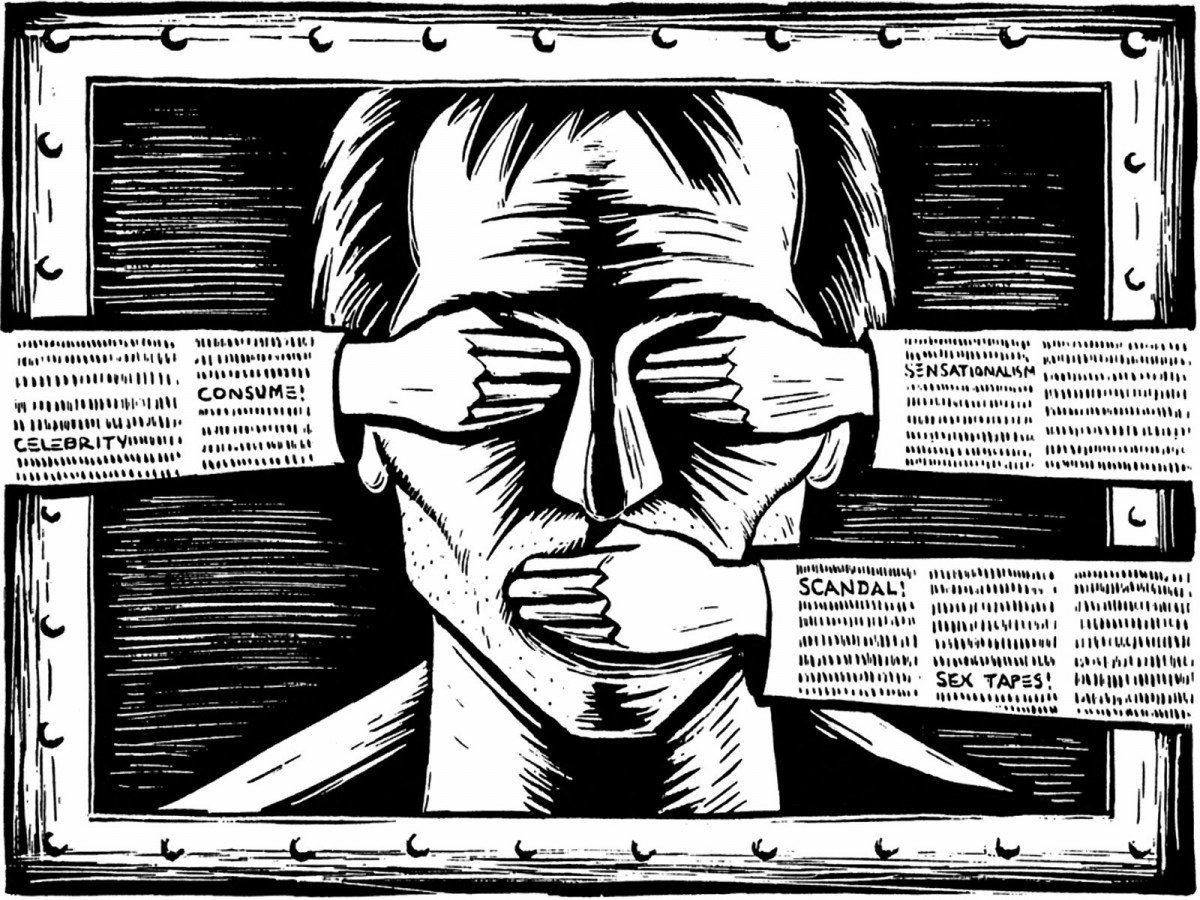
Spain’s proposed crackdown on youth access and platform liability crystallizes a deeper struggle over who governs digital space—states or tech executives
The core issue is no longer whether social media harms children; it is whether democratic governments are prepared to criminalize the mechanics of algorithmic amplification and directly limit platform access to minors.
Spain’s plan to ban social media for under-16s and hold executives criminally liable for failing to remove illegal content marks a decisive shift from consumer protection rhetoric to enforcement power.
This is not a symbolic warning.
It is a test of whether states can reassert sovereignty over digital systems that operate across borders, monetize attention, and shape political culture.
Spain’s proposal would require strict age verification tools, introduce criminal penalties for algorithmic amplification of illegal content, and sanction individuals and platforms that help spread hate.
The initiative aligns with moves in Australia, France and Denmark to restrict youth access, but it goes further by targeting executive accountability and algorithmic design.
The legislation process is set to begin immediately, signaling urgency rather than incremental reform.
Confirmed vs unclear: What we can confirm is that multiple governments are converging around age-based bans and stronger liability standards.
What remains unclear is how strict age verification will function in practice without expanding biometric surveillance, how “algorithmic manipulation” will be legally defined, and whether cross-border enforcement will survive inevitable legal challenges from global platforms.
The gap between legislative ambition and technical feasibility is the decisive fault line.
Mechanism: Social platforms rely on engagement-maximizing algorithms that prioritize emotionally charged content.
Higher engagement yields more advertising revenue.
Children are disproportionately susceptible to feedback loops that reward outrage, validation-seeking and compulsive use.
Age bans attempt to sever access at the entry point.
Criminal liability attempts to rewire incentives at the executive level.
Both measures aim to change behavior by altering the cost structure of digital harm.
Incentives and constraints: Politically, governments face rising parental anger, measurable increases in youth mental health distress, and electoral incentives to act decisively.
Economically, platforms depend on network effects and youth adoption to sustain long-term user bases.
Technologically, reliable age verification without data overcollection is difficult.
Legally, European digital rights frameworks impose privacy and free expression constraints.
Each side is constrained: states by rights law and enforcement capacity; platforms by public trust erosion and regulatory risk.
Stakeholder leverage: Governments control market access, fines, and criminal statutes.
Platforms control the infrastructure of public discourse and can threaten service withdrawal or legal escalation.
Parents and schools exert moral pressure but lack regulatory authority.
Smaller member states gain leverage through coordination, amplifying bargaining power against multinational firms whose revenues often exceed national GDPs.
Cross-border cooperation is the leverage multiplier.
Competitive dynamics: If one major EU country successfully implements an enforceable under-16 ban, pressure will cascade across the bloc.
Firms will resist fragmentation of services by geography because compliance complexity scales costs.
States that hesitate risk appearing permissive toward digital harms.
The race is not ideological; it is regulatory.
Whoever sets the workable model will shape the next decade of digital governance.
Scenarios: In the base case, Spain passes legislation with phased enforcement and negotiates compliance standards with major platforms.
Some litigation follows, but partial age verification systems are deployed and fines become credible deterrents.
In the bull case, coordinated European enforcement creates a de facto continental standard, forcing global platforms to redesign youth access and moderation systems worldwide.
In the bear case, technical loopholes undermine age checks, courts narrow liability definitions, and political momentum dissipates after initial headlines.
What to watch:
- Precise legal definition of “algorithmic amplification.”
- Technical standards chosen for age verification.
- Whether biometric data becomes mandatory.
- First executive-level prosecution or credible threat thereof.
- Cross-border enforcement agreements within the EU.
- Platform decisions to geofence or withdraw services.
- Court rulings on proportionality and free speech.
- Advertising revenue shifts tied to youth restrictions.
- Uptake of alternative youth-specific digital spaces.
- Evidence of measurable reduction in youth exposure to harmful content.
The broader question is whether democracies can impose durable rules on systems optimized for engagement rather than safety.
Age bans and criminal liability represent a power shift from voluntary moderation to statutory enforcement.
If implemented coherently, they will redefine platform governance.
If executed poorly, they risk driving harms into less visible corners of the internet while normalizing intrusive surveillance.
The battle is not about teenagers alone.
It is about who governs algorithmic influence in the digital era.