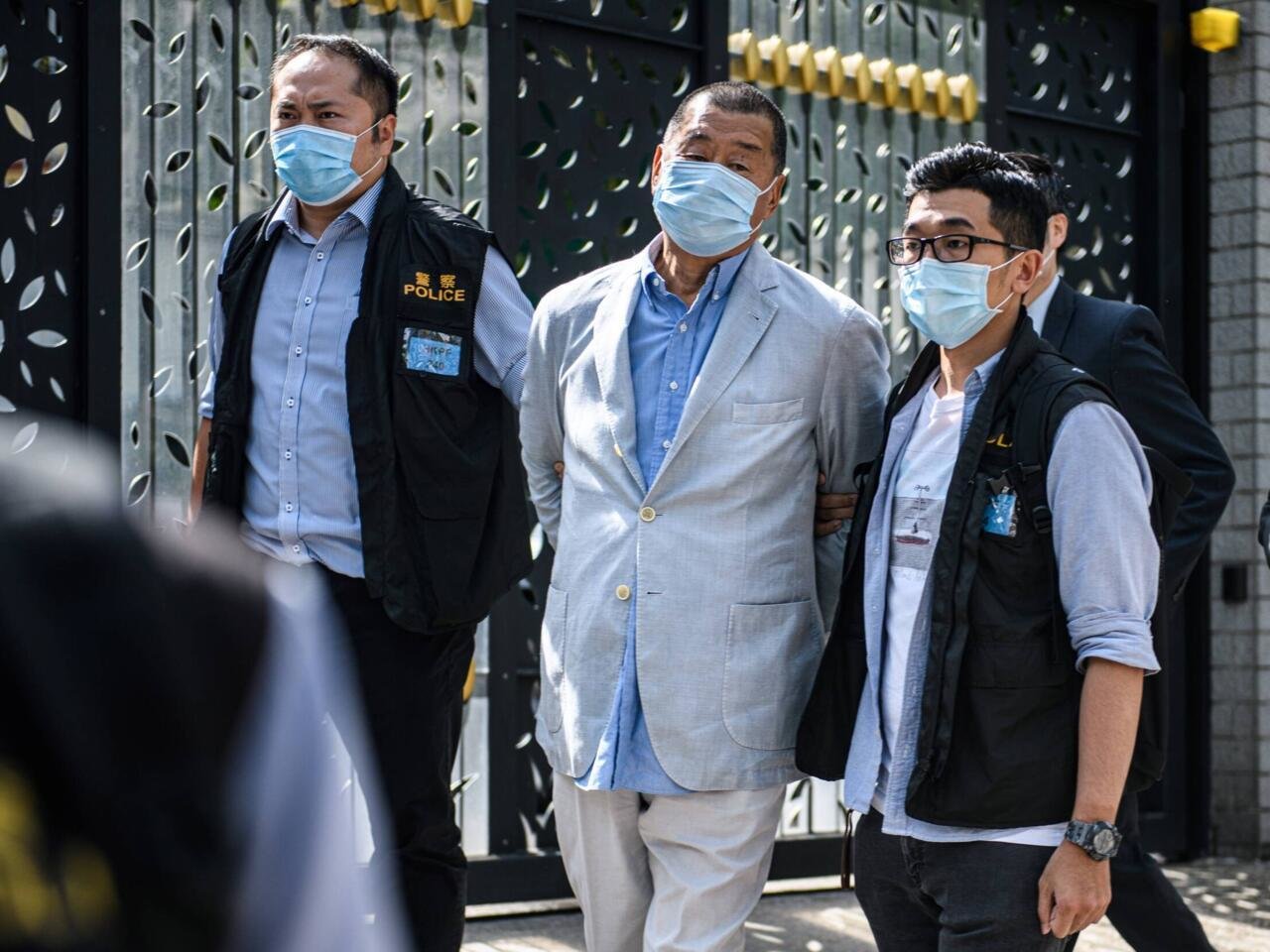
Media professionals warn of deepening self-censorship and shrinking press space following landmark national security verdict
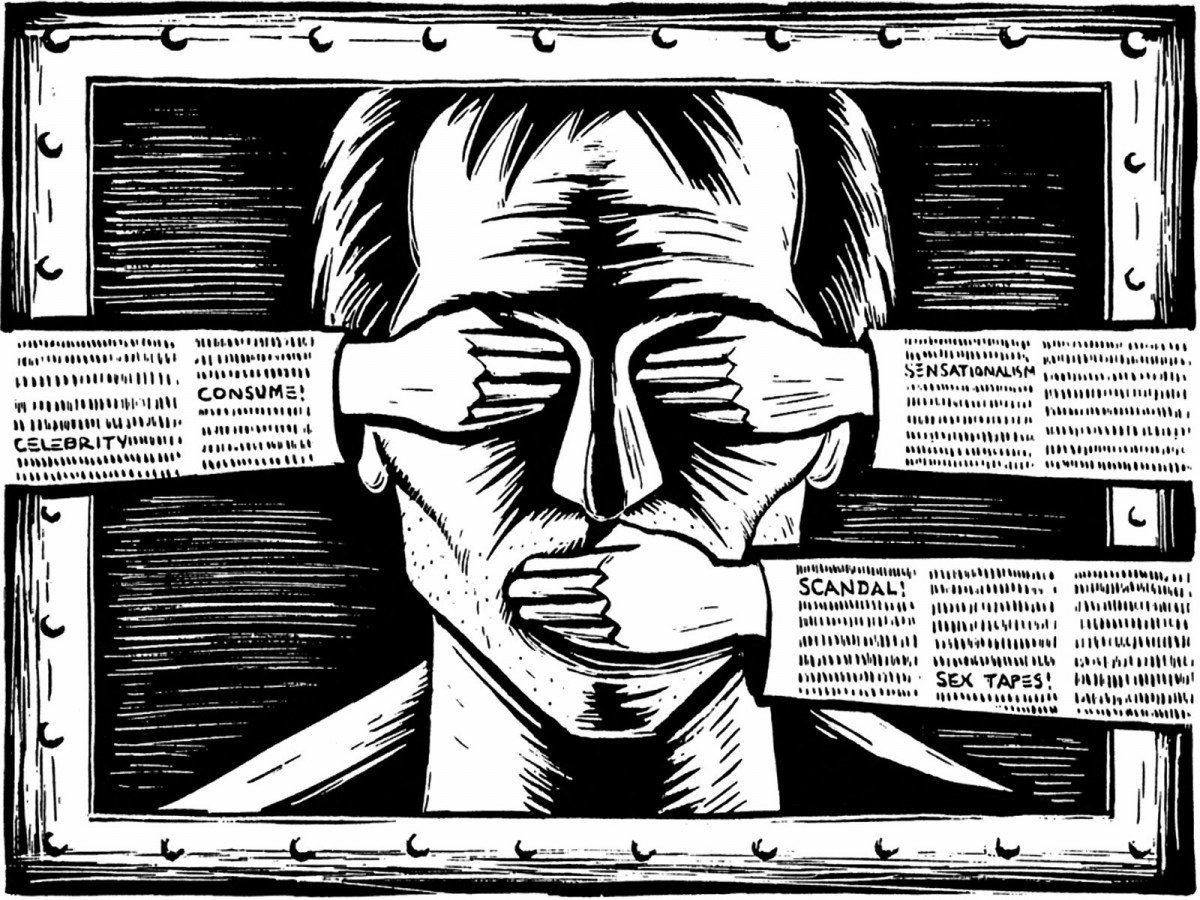
The sentencing of veteran pro-democracy media figure Jimmy Lai to twenty years in prison has crystallised a climate of fear and uncertainty for journalists in Hong Kong, with many reporting heightened self-censorship and a shrinking space for independent reporting.
Lai’s conviction under the city’s national security law — the harshest handed down so far — has come to symbolise the erosion of press freedoms that once distinguished the former British colony.
Journalists and media associations say Lai’s punishment, and the collapse of his Apple Daily newspaper after police froze its assets, underscore how tightly the national security law is now enforced.
Former press union chief Ronson Chan reflected on the disappearance of a publication that once exposed scandals and challenged political power, noting that no outlet now dares to replicate its role for fear of legal reprisals.
Observers warn that smaller media outlets may also close under sustained pressure, while reporters grapple with an environment marked by both overt and covert intimidation.
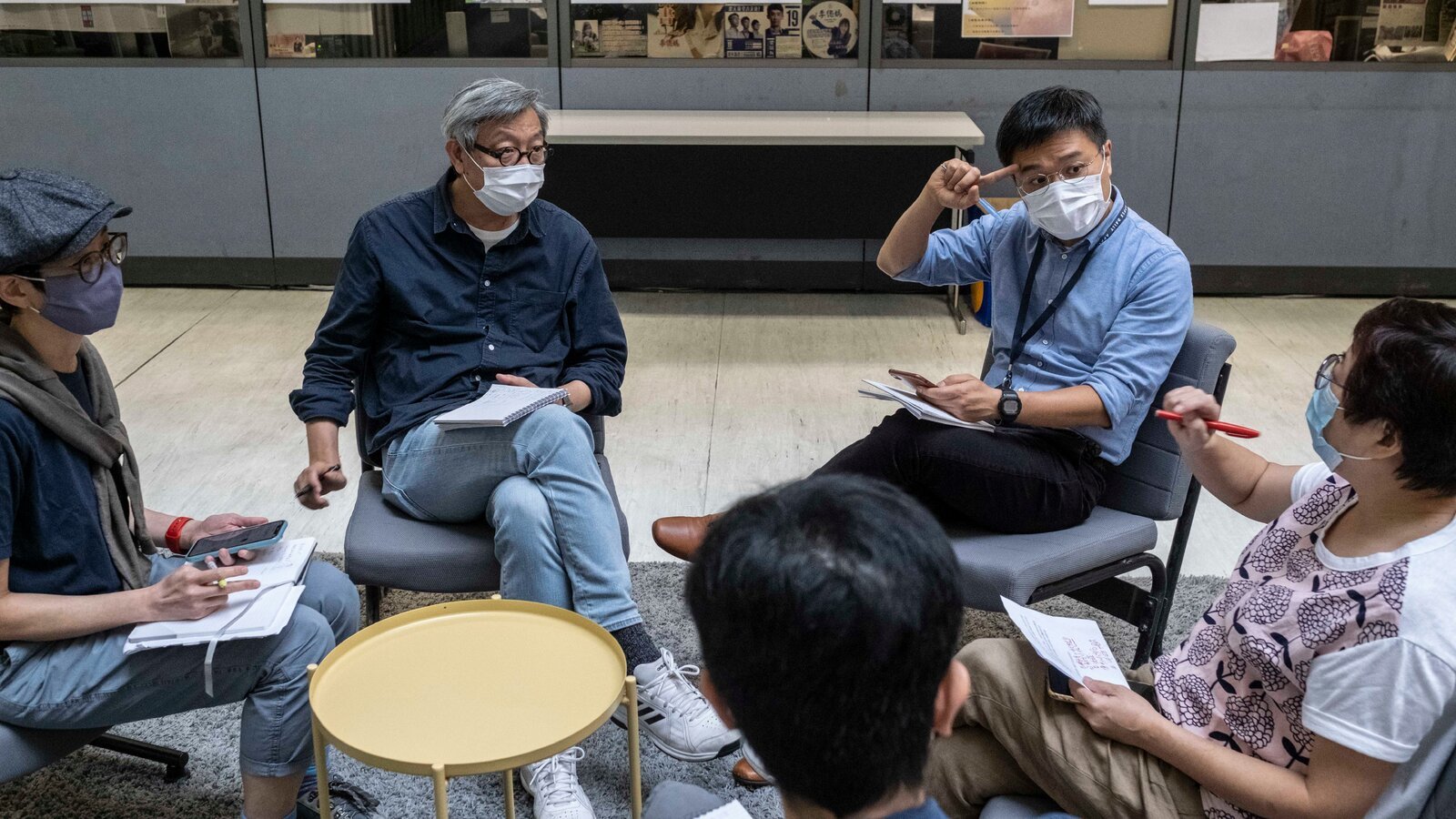
Reporters describe a marked shift since the law’s imposition, with many now carefully vetting stories and sources to avoid alleged “red lines” that could expose them to prosecution.
Media professionals who once enjoyed relative editorial freedom now speak of harassment through anonymous threats, targeted communications with family members, and the broader chilling effect that has followed high-profile convictions.
Their accounts suggest that press freedom — once protected under the city’s semi-autonomous status — is significantly diminished, with the gap between freedoms in Hong Kong and those in mainland China narrowing sharply.
The broader industry has seen dozens of outlets shut down or radically transform their operations in recent years as Hong Kong’s press freedom ranking has fallen precipitously.
Journalists with international and local media alike report consulting legal counsel before publishing sensitive content, reflecting a pervasive sense that editorial independence must now be balanced against the risks of national security prosecution.
Despite the official position that Lai’s sentencing was lawful and unrelated to press freedoms, international human rights and press freedom organisations have condemned it as a severe blow to independent journalism.
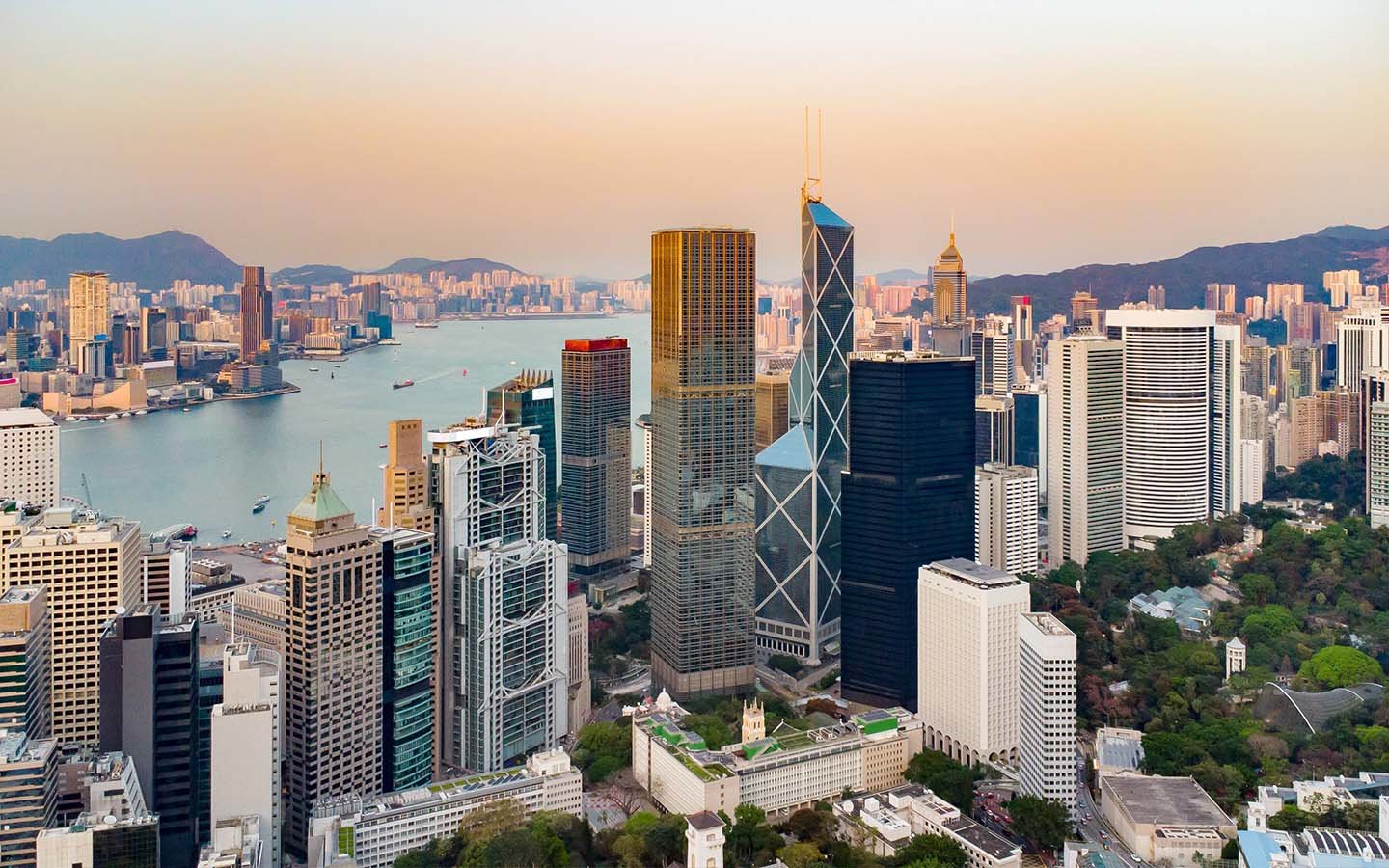
The case continues to draw global attention, with implications not only for Hong Kong’s media landscape but also for perceptions of the city’s autonomy and legal protections.
Lai’s conviction under the city’s national security law — the harshest handed down so far — has come to symbolise the erosion of press freedoms that once distinguished the former British colony.
Journalists and media associations say Lai’s punishment, and the collapse of his Apple Daily newspaper after police froze its assets, underscore how tightly the national security law is now enforced.
Former press union chief Ronson Chan reflected on the disappearance of a publication that once exposed scandals and challenged political power, noting that no outlet now dares to replicate its role for fear of legal reprisals.
Observers warn that smaller media outlets may also close under sustained pressure, while reporters grapple with an environment marked by both overt and covert intimidation.
Reporters describe a marked shift since the law’s imposition, with many now carefully vetting stories and sources to avoid alleged “red lines” that could expose them to prosecution.
Media professionals who once enjoyed relative editorial freedom now speak of harassment through anonymous threats, targeted communications with family members, and the broader chilling effect that has followed high-profile convictions.
Their accounts suggest that press freedom — once protected under the city’s semi-autonomous status — is significantly diminished, with the gap between freedoms in Hong Kong and those in mainland China narrowing sharply.
The broader industry has seen dozens of outlets shut down or radically transform their operations in recent years as Hong Kong’s press freedom ranking has fallen precipitously.
Journalists with international and local media alike report consulting legal counsel before publishing sensitive content, reflecting a pervasive sense that editorial independence must now be balanced against the risks of national security prosecution.
Despite the official position that Lai’s sentencing was lawful and unrelated to press freedoms, international human rights and press freedom organisations have condemned it as a severe blow to independent journalism.
The case continues to draw global attention, with implications not only for Hong Kong’s media landscape but also for perceptions of the city’s autonomy and legal protections.