Government reaffirms its role as a regulated digital asset hub even as Dubai and Abu Dhabi accelerate crypto-friendly frameworks
Hong Kong’s financial leadership has reiterated its firm commitment to developing a regulated digital asset ecosystem, even as it acknowledges intensifying competition from the United Arab Emirates’ rapidly evolving crypto-friendly landscape.
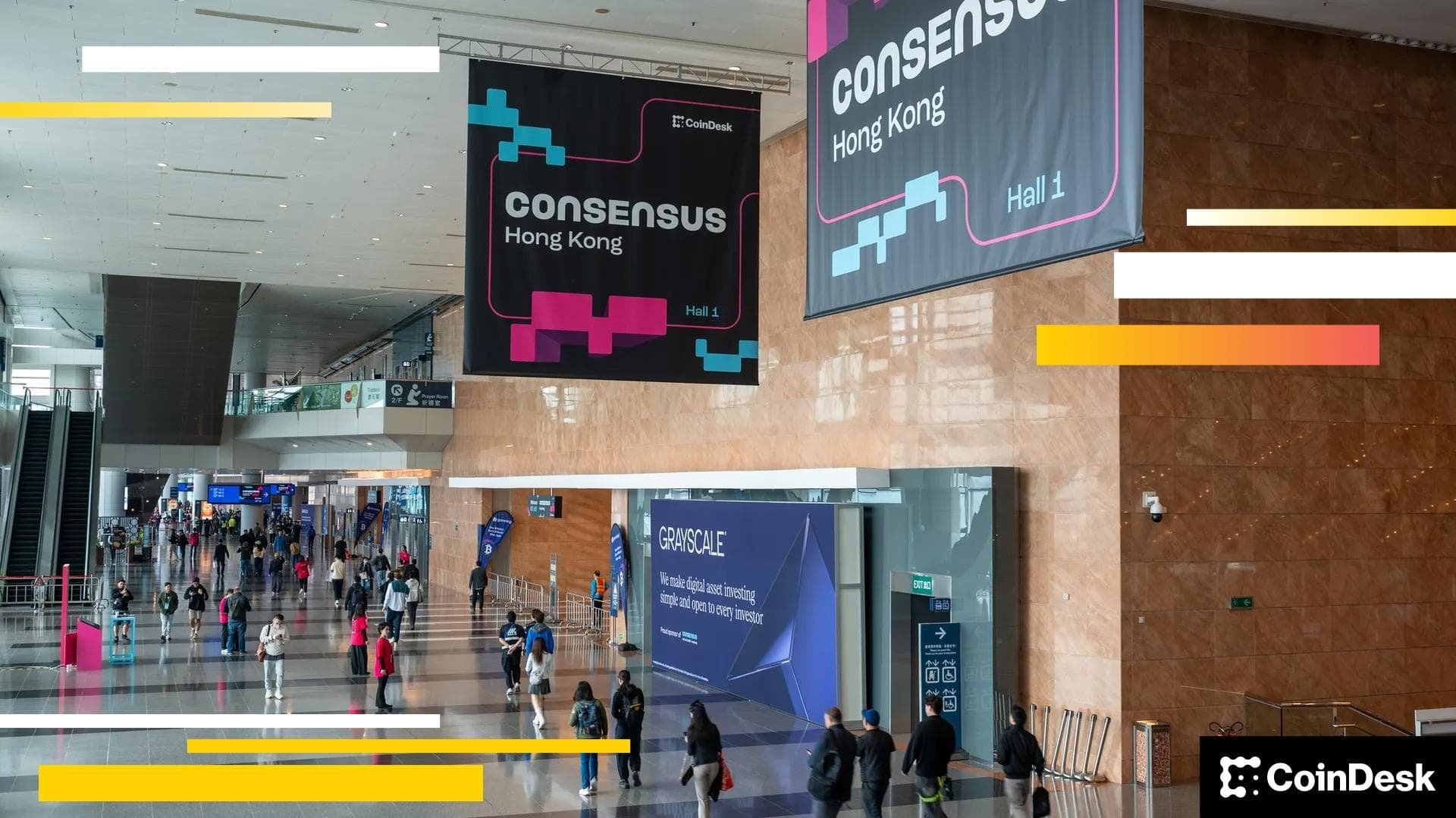
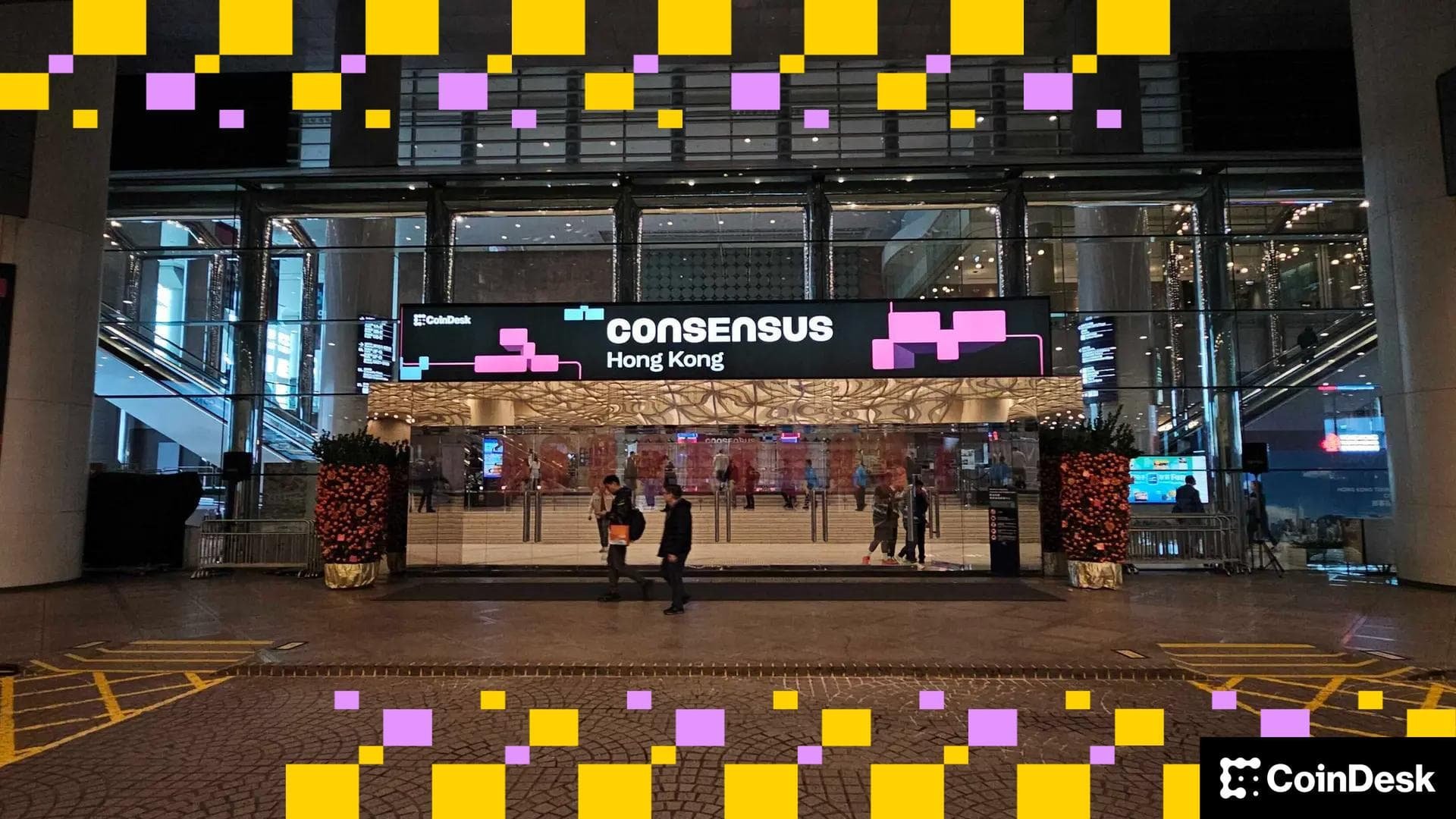
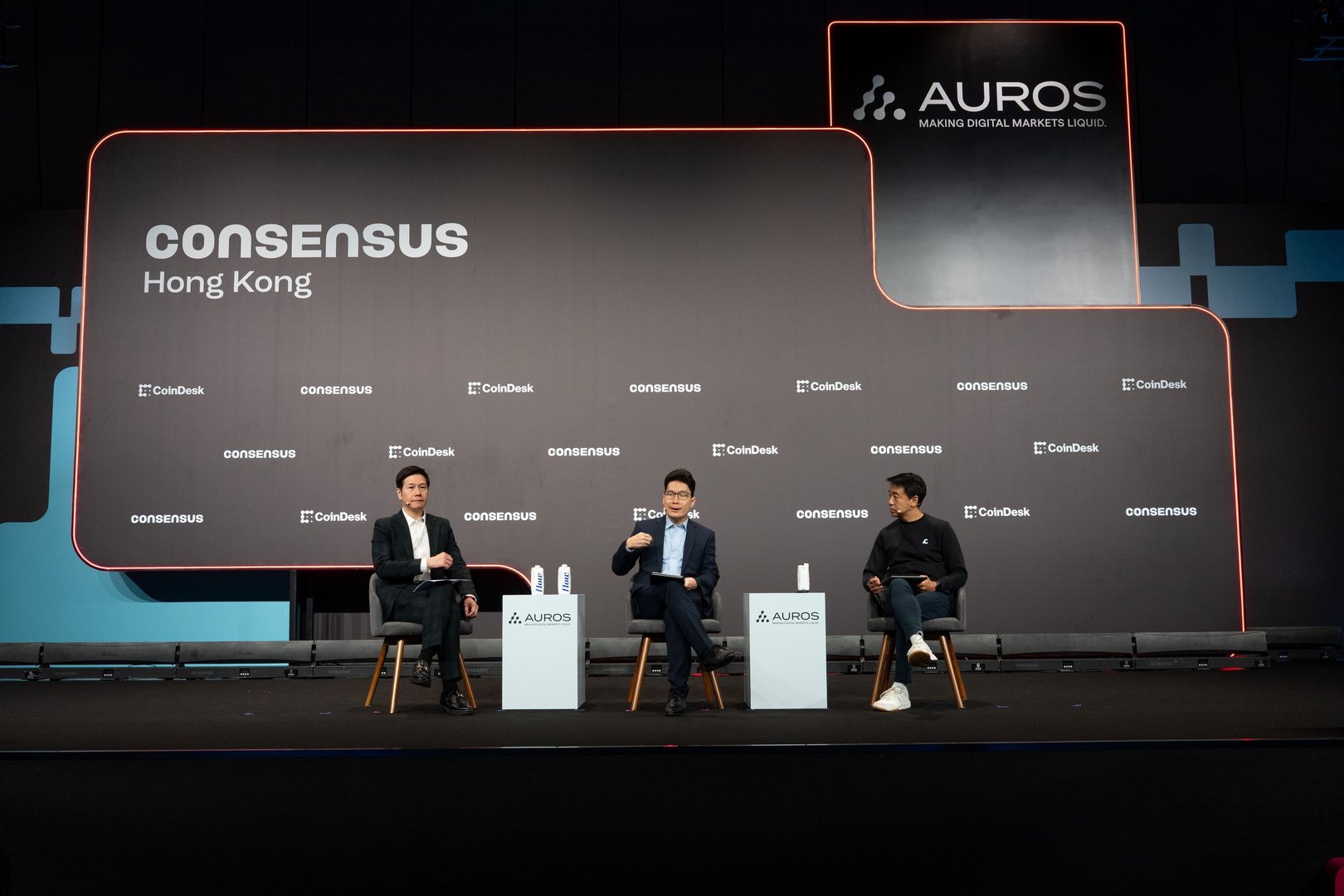
Officials at the Consensus Hong Kong conference emphasised that Hong Kong has maintained a transparent, consistent regulatory regime that provides certainty for market participants, particularly under its mandatory licensing framework for virtual asset trading platforms and forthcoming stablecoin regime scheduled for first-quarter licensing.
Speakers described the UAE — especially Dubai and Abu Dhabi — as “aggressive” competitors, having created streamlined, single-authority frameworks that make it easier for virtual asset businesses to operate and innovate within their jurisdictions.
This competitive pressure has sharpened focus on regulatory clarity and balanced oversight in Hong Kong’s approach.
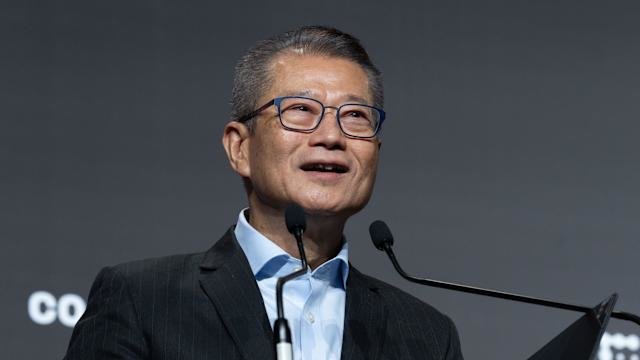
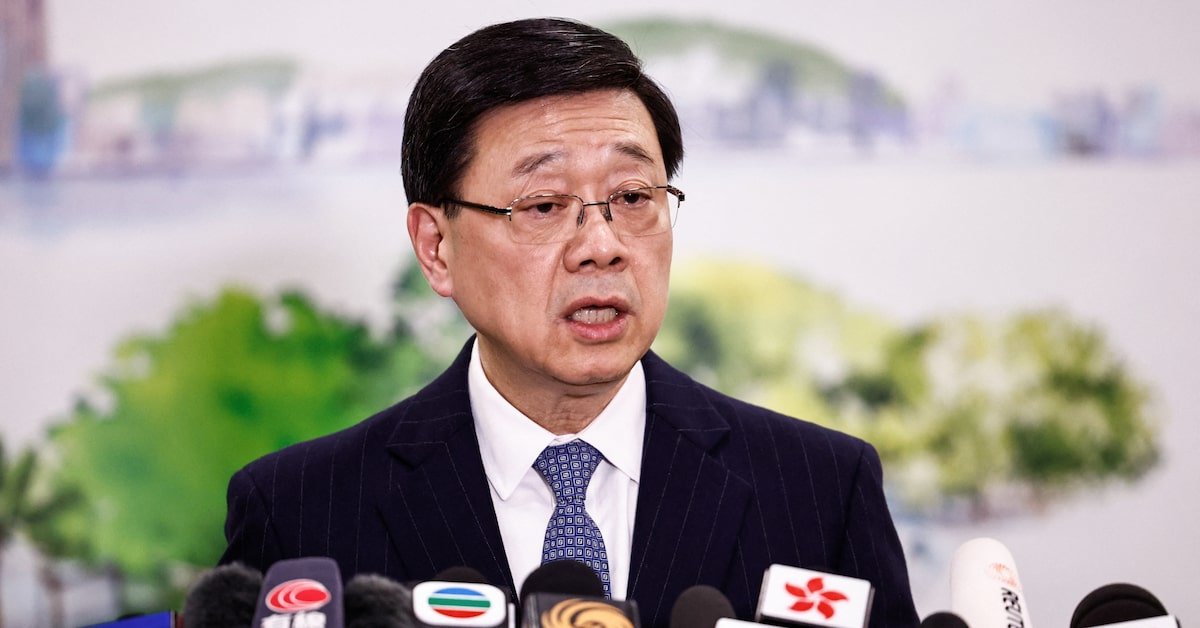
Under Secretary for Financial Services and the Treasury Joseph Chan underlined that Hong Kong’s regulators have sought to avoid surprises for industry participants by articulating clear licensing paths and long-term regulatory intentions.
That has helped industry players prepare for changes and understand emerging obligations well in advance.
At the same time, digital asset investors and innovators in the region have pointed to the UAE’s unified regulatory authorities and stable regulatory currency as factors attracting capital and entrepreneurial activity.
Hong Kong’s broader digital asset strategy is supported by policy developments such as the 2025 Policy Statement 2.0 on the Development of Digital Assets, which sets out a vision for a trusted and innovative digital asset ecosystem embedded in the financial centre’s real economy.
This includes plans for a robust licensing regime for both virtual asset trading platforms and custodians, and deepening institutional engagement with tokenised products and stablecoins under the new Stablecoins Ordinance, which took effect in August 2025.
Despite the competitive environment, Hong Kong continues to see institutional engagement grow.
Recent market developments point to an expansion of custody by banks, growth in tokenised deposits and deeper integration of digital asset services into regulated financial infrastructure.
These trends suggest that institutional participants view the city as offering a credible, long-term environment for digital asset innovation anchored in regulatory certainty — a strategic strength that stands in contrast to what some industry participants see as the UAE’s “aggressive” but less stable regulatory approaches.
The ongoing competition reflects broader geopolitical shifts in global finance, as jurisdictions seek to attract digital asset firms and investment.
Hong Kong’s model emphasises investor protection and predictable regulation, while rival hubs calibrate rapid adoption with streamlined approval processes.
As the global digital asset landscape continues to evolve, Hong Kong’s carefully calibrated strategy aims to sustain its position as a leading, sophisticated market for digital asset services — even as it adapts to external competitive dynamics.
Officials at the Consensus Hong Kong conference emphasised that Hong Kong has maintained a transparent, consistent regulatory regime that provides certainty for market participants, particularly under its mandatory licensing framework for virtual asset trading platforms and forthcoming stablecoin regime scheduled for first-quarter licensing.
Speakers described the UAE — especially Dubai and Abu Dhabi — as “aggressive” competitors, having created streamlined, single-authority frameworks that make it easier for virtual asset businesses to operate and innovate within their jurisdictions.
This competitive pressure has sharpened focus on regulatory clarity and balanced oversight in Hong Kong’s approach.
Under Secretary for Financial Services and the Treasury Joseph Chan underlined that Hong Kong’s regulators have sought to avoid surprises for industry participants by articulating clear licensing paths and long-term regulatory intentions.
That has helped industry players prepare for changes and understand emerging obligations well in advance.
At the same time, digital asset investors and innovators in the region have pointed to the UAE’s unified regulatory authorities and stable regulatory currency as factors attracting capital and entrepreneurial activity.
Hong Kong’s broader digital asset strategy is supported by policy developments such as the 2025 Policy Statement 2.0 on the Development of Digital Assets, which sets out a vision for a trusted and innovative digital asset ecosystem embedded in the financial centre’s real economy.
This includes plans for a robust licensing regime for both virtual asset trading platforms and custodians, and deepening institutional engagement with tokenised products and stablecoins under the new Stablecoins Ordinance, which took effect in August 2025.
Despite the competitive environment, Hong Kong continues to see institutional engagement grow.
Recent market developments point to an expansion of custody by banks, growth in tokenised deposits and deeper integration of digital asset services into regulated financial infrastructure.
These trends suggest that institutional participants view the city as offering a credible, long-term environment for digital asset innovation anchored in regulatory certainty — a strategic strength that stands in contrast to what some industry participants see as the UAE’s “aggressive” but less stable regulatory approaches.
The ongoing competition reflects broader geopolitical shifts in global finance, as jurisdictions seek to attract digital asset firms and investment.
Hong Kong’s model emphasises investor protection and predictable regulation, while rival hubs calibrate rapid adoption with streamlined approval processes.
As the global digital asset landscape continues to evolve, Hong Kong’s carefully calibrated strategy aims to sustain its position as a leading, sophisticated market for digital asset services — even as it adapts to external competitive dynamics.