Prominent Catholic pro-democracy activist and former Apple Daily publisher receives longest term yet under Beijing-imposed security legislation amid global outcry
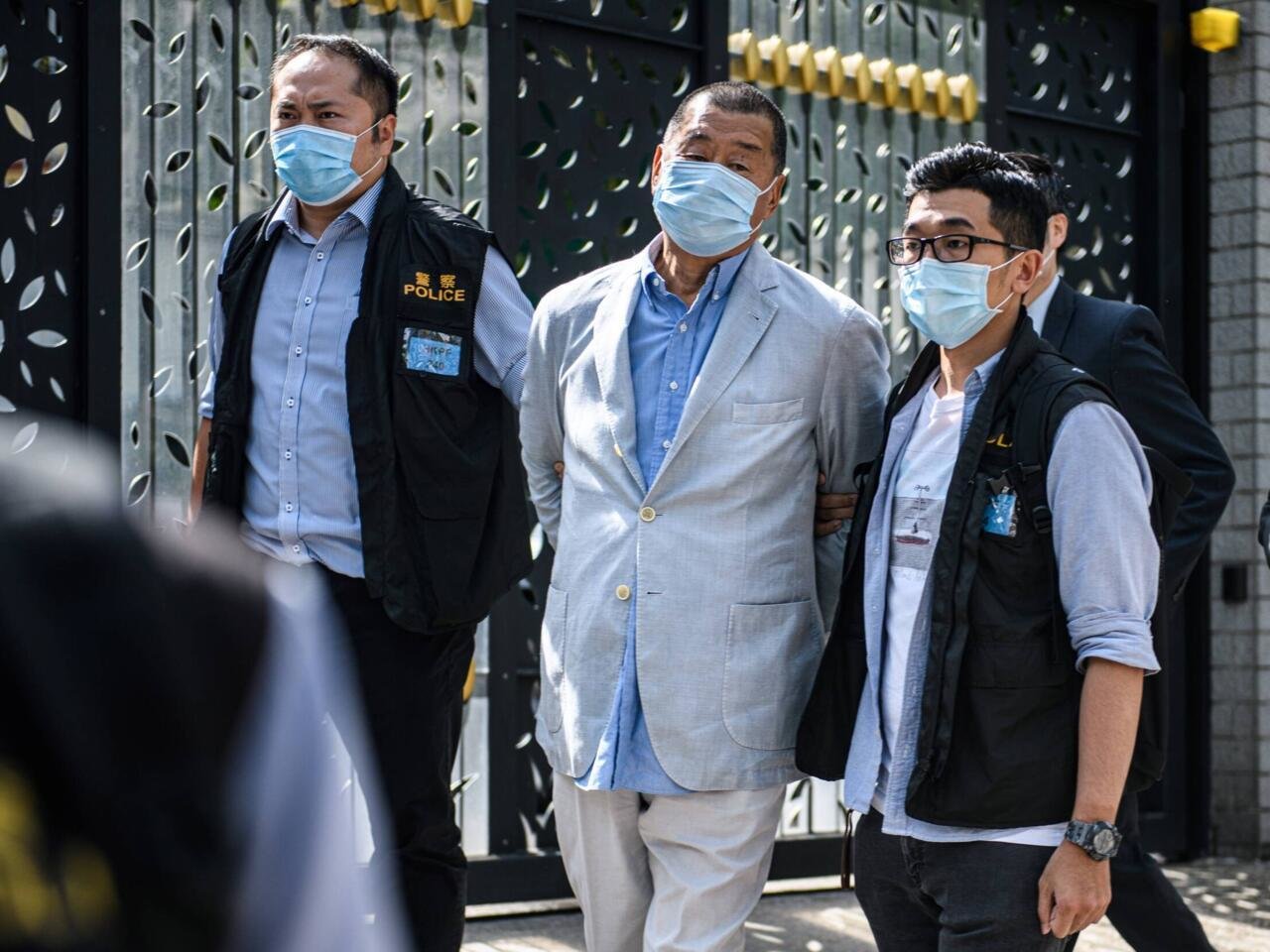
Jimmy Lai, the 78-year-old Catholic pro-democracy advocate and former publisher of Hong Kong’s Apple Daily newspaper, was sentenced on February 9 to twenty years in prison by a Hong Kong court under the city’s national security law.
The ruling, delivered after Lai’s conviction in December on multiple charges including conspiracy to collude with foreign forces and sedition, represents the longest sentence imposed so far under the sweeping law enacted in 2020. The term effectively extends into the next decade, raising profound concerns about the prospects for independent journalism and political dissent in the territory.
Lai’s prosecution began with his 2020 arrest following the introduction of the national security law, which Beijing imposed to suppress unrest and calls for greater democracy.
Over subsequent years, he faced a series of indictments and convictions, with the latest culminated in the 20-year sentence after judges labelled him the driving force behind what authorities described as collusion and seditious activities.
Supporters and rights groups assert that his work was rooted in journalism and legitimate political expression.
The sentence also marked significant prison terms for eight co-defendants, including editorial staff from Apple Daily, with terms ranging from more than six years to ten years in jail.
Lai’s Apple Daily, once a vibrant voice of press freedom in Hong Kong, was forced to close in 2021 after authorities froze its assets and arrested senior staff.
Human rights organisations, faith leaders and international governments quickly condemned the verdict.
Critics described the penalty as tantamount to a “death sentence” given Lai’s age and health, and decried the broader chilling effect on freedom of expression and independent media.
Calls for his immediate release have been echoed by foreign governments and rights advocates, even as Hong Kong authorities and Beijing allies maintain that the sentence is lawful and necessary for national security.
Lai’s health concerns and advanced age have been central to humanitarian appeals for clemency, with family members and supporters warning he may not survive the full term.
The case has intensified international scrutiny of Hong Kong’s legal and political trajectory, intensifying debate over the territory’s autonomy and civil liberties under China’s tighter control since the national security law’s enactment.
The ruling, delivered after Lai’s conviction in December on multiple charges including conspiracy to collude with foreign forces and sedition, represents the longest sentence imposed so far under the sweeping law enacted in 2020. The term effectively extends into the next decade, raising profound concerns about the prospects for independent journalism and political dissent in the territory.
Lai’s prosecution began with his 2020 arrest following the introduction of the national security law, which Beijing imposed to suppress unrest and calls for greater democracy.
Over subsequent years, he faced a series of indictments and convictions, with the latest culminated in the 20-year sentence after judges labelled him the driving force behind what authorities described as collusion and seditious activities.
Supporters and rights groups assert that his work was rooted in journalism and legitimate political expression.
The sentence also marked significant prison terms for eight co-defendants, including editorial staff from Apple Daily, with terms ranging from more than six years to ten years in jail.
Lai’s Apple Daily, once a vibrant voice of press freedom in Hong Kong, was forced to close in 2021 after authorities froze its assets and arrested senior staff.
Human rights organisations, faith leaders and international governments quickly condemned the verdict.
Critics described the penalty as tantamount to a “death sentence” given Lai’s age and health, and decried the broader chilling effect on freedom of expression and independent media.
Calls for his immediate release have been echoed by foreign governments and rights advocates, even as Hong Kong authorities and Beijing allies maintain that the sentence is lawful and necessary for national security.
Lai’s health concerns and advanced age have been central to humanitarian appeals for clemency, with family members and supporters warning he may not survive the full term.
The case has intensified international scrutiny of Hong Kong’s legal and political trajectory, intensifying debate over the territory’s autonomy and civil liberties under China’s tighter control since the national security law’s enactment.