The World Anti-Doping Agency will probe reports of ski jumpers using the substance for distance enhancement.
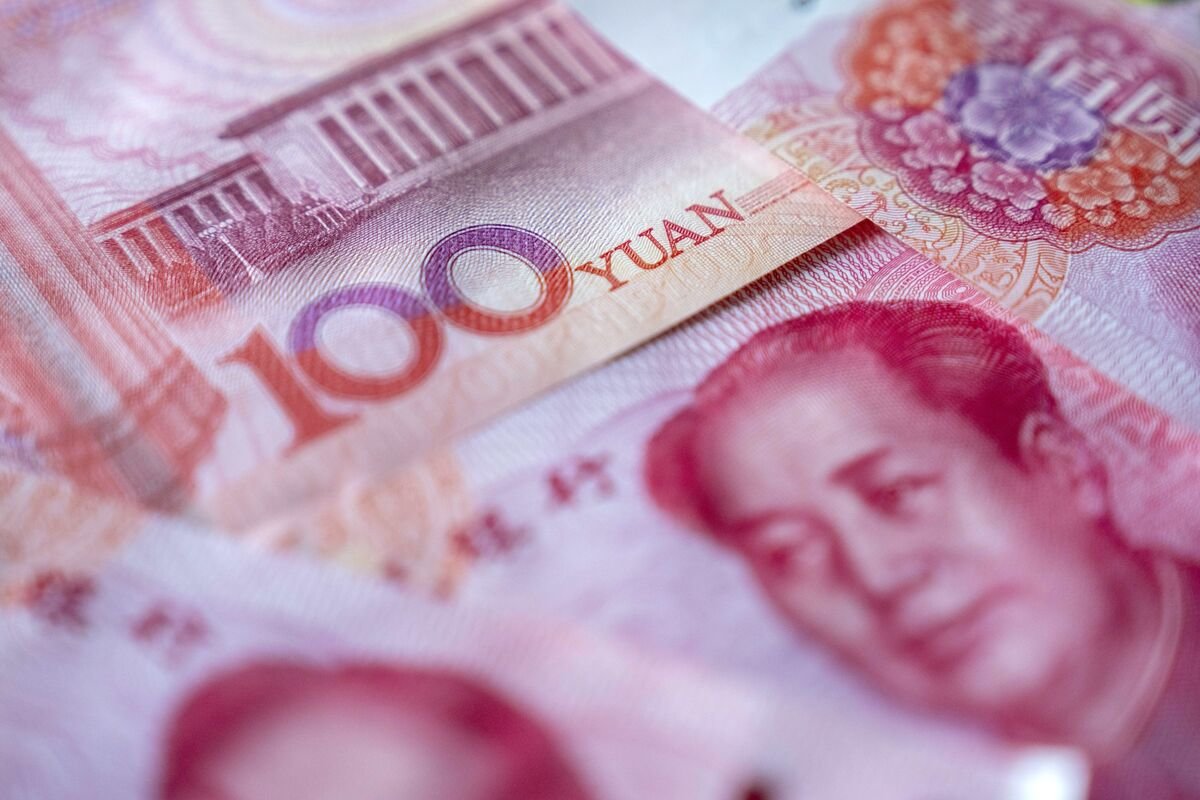
Treasury chief signals concern over China’s digital asset development and calls for strengthened US crypto policy to maintain global primacy
The United States Treasury Secretary has cautioned that China may be positioning itself to challenge American leadership in digital assets, signalling heightened geopolitical competition in emerging financial technologies.

Testifying before the Senate Banking Committee, the Treasury chief said that China’s activities, particularly through Hong Kong’s expansive digital asset “sandbox,” could enable Beijing to cultivate alternative financial instruments or systems that compete with US-based innovations.

While acknowledging that concrete details of specific Chinese projects are not confirmed, the Treasury head noted “rumours” that Chinese authorities might explore digital asset models backed by assets other than the renminbi, such as gold, highlighting Beijing’s potential ambitions in the sector.

He said this should prompt the United States to advance regulatory clarity and legislative action to solidify its own digital asset ecosystem and prevent strategic disadvantages.

The remarks come amid a broader push by the current US administration to make the United States the “crypto capital of the world” by encouraging firms to locate and innovate within domestic markets and by pursuing comprehensive digital asset legislation.

Treasury officials have underscored the importance of fostering a competitive environment for stablecoins, blockchain technology and other digital financial tools, while balancing consumer protection and financial stability considerations.

China’s longstanding ban on cryptocurrency trading on the mainland has contrasted with Hong Kong’s more permissive regulatory approach, which has sought to develop the city as a digital asset hub.

This divergence has fuelled speculation about how different approaches may affect global influence in digital finance.

The Treasury’s warnings reflect not only competition over technological innovation but also concerns that a rival digital ecosystem outside American regulatory influence could shift the dynamics of global capital flows and financial infrastructure.

In response, US policymakers and industry leaders have called for accelerated legislative work to establish clear regulatory frameworks, attract innovation, and reinforce the United States’ position at the forefront of digital financial markets.

Maintaining leadership in digital assets is seen as interlinked with broader goals of sustaining the global role of the US dollar and ensuring that technological advances serve economic growth and national interests.
Court records show the FBI could not extract data from a Washington Post reporter’s iPhone thirteen after a January search linked to a classified leaks inquiry.
A court filing has revealed a direct confrontation between modern smartphone security and federal investigative power after Apple’s iPhone Lockdown Mode prevented the FBI from accessing data on a journalist’s seized device.

The episode has become a concrete test of how far law enforcement can go when investigating leaks involving classified information, and where the practical limits of digital searches now lie.

Earlier this year, federal agents searched the home of Washington Post reporter Hannah Natanson as part of an investigation into the alleged disclosure of classified material.

During the January operation, agents seized several electronic devices, including a MacBook Pro and an iPhone thirteen.

The seizure itself was lawful under a warrant, but what followed exposed a growing gap between possession of a device and access to its contents.

Confirmed vs unclear: What can be confirmed from court records is that Natanson’s iPhone was operating in Apple’s Lockdown Mode and that the FBI’s Computer Analysis Response Team, the bureau’s specialized digital forensics unit, was unable to extract data from the device at the time the government submitted its filing.

It is also confirmed that the government opposed returning the seized devices while the legal dispute was ongoing.

What remains unclear is whether the FBI later succeeded in accessing the iPhone after the filing date, as the court record reflects only the situation up to that point and does not disclose subsequent technical outcomes.

Mechanism: Lockdown Mode is an optional security setting designed for users who may face highly targeted and sophisticated cyber threats.

When activated, it sharply reduces the ways an iPhone can communicate with the outside world.

Certain message attachments are blocked, web technologies are restricted, unsolicited contact pathways are limited, and physical data connections are disabled while the device is locked.

These constraints are meant to frustrate advanced spyware and intrusion attempts, but they also interfere with some forensic techniques that rely on those same pathways to extract data.

Unit economics: From Apple’s perspective, Lockdown Mode is a feature developed once and deployed across millions of devices at relatively low marginal cost, reinforcing the company’s security reputation.

For law enforcement, each locked device represents a bespoke challenge.

Specialized analysts, advanced tools, and extended timelines are required, and even then success is not guaranteed.

As device security improves, the cost and effort required to access a single phone increase, while the value of quick access in time-sensitive investigations becomes harder to achieve.

Stakeholder leverage: Apple controls the design of the operating system and frames Lockdown Mode as a safeguard against rare but severe digital threats.

The FBI holds the authority to seize devices under judicial oversight but cannot compel access without a viable technical or legal pathway.

Courts arbitrate between these positions, weighing investigative needs against constitutional protections and press freedoms.

Journalists, although they have limited control once devices are seized, carry significant leverage through the broader implications for source confidentiality and the free flow of information.

Competitive dynamics: The pressure on law enforcement is intensifying as encrypted and hardened devices become standard rather than exceptional.

Each failed extraction reinforces demands for broader authority or new technical capabilities.

At the same time, Apple faces pressure to maintain strong defenses without creating backdoors that could undermine user trust or expose devices to abuse.

High-profile cases like this one harden positions on both sides, turning individual disputes into precedents watched closely by investigators, journalists, and technology companies alike.

Scenarios: The most likely outcome is a prolonged legal process in which investigators remain limited to whatever data can be lawfully and technically accessed, while the phone itself remains difficult to penetrate.

A more favorable outcome for authorities would involve narrow, case-specific access gained through cooperation or a technical method that does not weaken protections for other users.

A more adverse scenario would see the dispute escalate into a broader policy clash, with courts endorsing wider device access in journalist cases and triggering a chilling effect on sources.

What to watch: Observers will be watching whether subsequent court filings indicate any change in the FBI’s ability to access the iPhone, whether judges impose clearer limits on how long journalist devices can be retained, and whether the government narrows the scope of what it seeks from seized materials.

Attention will also focus on whether more journalists begin enabling Lockdown Mode, whether Apple adjusts the feature in response to law enforcement pressure, and whether this case becomes a reference point in future debates over encryption, digital searches, and press protections.
Robust capital markets, strong fundraising and renewed investor interest underscore the city’s economic and financial comeback
Hong Kong’s financial sector is showing clear signs of resurgence as the city capitalises on deep liquidity, strong capital flows and a robust pipeline of listings to reclaim its status as a premier global financial hub.

After years of market volatility and slower growth, recent developments across IPO issuance, economic forecasts and market sentiment point to a renewed financial momentum.

The city’s initial public offering market has been particularly vibrant, with companies raising significant capital and making Hong Kong one of the busiest fundraising venues in the world.

In the first half of 2025 alone, about sixteen billion dollars was raised across multiple deals, including major offerings from technology and battery firms, marking a near-record pace of IPO activity and a notable increase in both deal count and total proceeds compared with the previous year.

The strength of this IPO pipeline reflects investor confidence and heightened demand for access to Asia-focused equities, drawing both international and mainland capital to the exchange. 

Authorities and market participants have also pointed to broad economic indicators that bolster the city’s financial outlook.

Hong Kong’s Financial Secretary raised the city’s growth forecast to around three point two percent for 2025, citing expanding capital markets, thriving trading activity and diversified economic drivers.

The sustained flow of bank deposits, which now total over two point three trillion dollars, and a comprehensive regulatory environment tailored to attract listings in technology, biotech and specialist sectors have further underpinned the city’s appeal to issuers and investors alike.

Alongside market and economic data, positive movement in equity indices and recent gains in retail and services sectors have supported a more constructive investment climate.

While some volatility remains — as seen in periodic pullbacks in broader Asian markets — the overall trend has been toward stabilisation and growth.

Financial leaders and industry analysts have attributed this shift to both structural reforms in the capital markets and Hong Kong’s unique position as a conduit for cross-border capital flows, particularly between mainland China and global investors.

With a growing pipeline of prospective listings, enhancements to fintech and sustainable finance ecosystems, and policies designed to promote resilience and innovation, Hong Kong’s financial centre appears to be regaining its strategic foothold in global finance.

The combination of macroeconomic growth, capital market dynamism and investor participation suggests the city is building on its long-established strengths while adapting to evolving global financial trends.
Authorities increasingly invoke conspiracy to defraud charges in insurance fraud cases to deter misconduct and uphold market confidence
Hong Kong authorities are intensifying enforcement against fraud in the insurance sector by relying on the offence of conspiracy to defraud in complex, multi-party schemes.

Recent court cases highlight how prosecutors are using this long-established legal tool to address coordinated deception that threatens policyholder interests and market confidence.

In recent enforcement actions, individuals involved in organised insurance fraud schemes were convicted for conspiring to mislead insurers through false policy applications, dummy agents and fabricated documentation.

Courts found that such conduct induced insurers to release commissions or benefits they would not otherwise have paid, undermining the integrity of underwriting and distribution systems.

Sentences handed down in these cases reflected the seriousness with which the judiciary views organised deception within a regulated financial industry.

Conspiracy to defraud, a common-law offence in Hong Kong, allows prosecutors to pursue cases where two or more parties agree to dishonestly prejudice another’s economic interests, even if the full loss has not yet crystallised.

Legal authorities have emphasised that the offence is particularly effective in addressing collective misconduct that may fall outside narrower statutory fraud provisions, especially where schemes are deliberately structured to conceal responsibility.

Regulatory bodies have complemented criminal prosecutions with administrative action.

The Insurance Authority has disciplined and banned agents found to have falsified records, misrepresented client information or mishandled premiums, reinforcing professional standards of honesty and competence.

These measures aim to prevent recurrence and to signal clear expectations to the wider industry.

Alongside enforcement, authorities continue public education efforts, warning insurers and policyholders about evolving fraud tactics and encouraging timely reporting of suspicious activity.

Together, criminal prosecution and regulatory oversight form a coordinated approach designed to preserve trust in Hong Kong’s insurance market and protect its role as a stable and credible financial centre.
Joint operation leads to 119 arrests and dismantling of fraud workshops linked to illegal employment facilitation
Hong Kong and mainland Chinese law enforcement agencies have jointly dismantled a sophisticated cross-boundary forgery syndicate that produced bogus identification documents and facilitated illegal employment in the city, in one of the largest operations of its kind.

The Immigration Department of the Hong Kong Special Administrative Region announced that, in collaboration with the Exit and Entry Administration Corps of the Guangdong Provincial Public Security Department and the Immigration Authority of Zhuhai Municipal Public Security Bureau, a months-long investigation successfully neutralised the criminal network.

The operation, code-named “Sharpspear,” was initiated after mainland authorities uncovered intelligence in August of last year indicating a syndicate arranging mainland residents to work illegally in Hong Kong.

From October 2025 to January 2026, investigators raided 38 premises across multiple districts and arrested 102 individuals, including the syndicate’s mastermind and core member.

Most of those detained were mainland residents alleged to be illegal workers or associates, and seventeen employers believed to have engaged in hiring illegal labour were also taken into custody.

Law enforcement officers seized 40 forged Hong Kong identity cards and 24 photocopies of forged documents during the raids, evidence of the network’s extensive production and distribution apparatus.

On the mainland, two illicit forgery workshops were dismantled, with seventeen core members arrested and forgery equipment seized.

Authorities underscored that the syndicate had operated for approximately one year, employing a coordinated system of document fabrication and recruitment to supply forged identity cards to illegal workers and facilitate their placement in Hong Kong.

Hong Kong’s Immigration Department emphasised that using or possessing forged identity cards is a serious offence under local law, punishable by fines and imprisonment.

Legal penalties have also been increased for employers who hire persons not lawfully employable in the city, reflecting authorities’ focus on deterring exploitation of forged documentation to undermine immigration and labour regulations.

The department reaffirmed its commitment to resolute enforcement and urged the public and employers to remain vigilant in verifying legal status before employment, reinforcing the rule of law and the integrity of Hong Kong’s immigration and employment systems.
Senior figure says London’s approach to Beijing could weaken international resolve on Hong Kong and set a troubling global example
A Hong Kong lawmaker has warned that the United Kingdom’s increasingly pragmatic approach toward China risks setting a dangerous precedent, arguing that diplomatic engagement focused on economic and strategic interests could come at the expense of democratic principles and international credibility.

Speaking amid renewed debate over Britain’s China policy, the lawmaker said London’s emphasis on dialogue, trade, and stability sends a signal that political pressure on Beijing over Hong Kong can be softened without consequence.

He argued that such an approach may encourage other governments to downgrade their own commitments to defending civil liberties and political freedoms in the territory.

The comments come as the UK government seeks to recalibrate relations with China through what officials have described as a realistic and interest-driven strategy.

British ministers have stressed the need to balance national security concerns and values with economic engagement, particularly in areas such as trade, investment, and global challenges where cooperation with Beijing is seen as necessary.

The Hong Kong lawmaker cautioned that while engagement can serve practical goals, it must not dilute long-standing commitments to the rule of law and international agreements governing Hong Kong’s autonomy.

He said any perception that major democracies are willing to compromise on these issues could weaken confidence among Hong Kong residents and embolden further restrictions on political space.

The debate reflects a broader international reassessment of how to manage relations with China, as governments weigh economic realities against human rights concerns and strategic competition.

For Hong Kong’s remaining political voices, the lawmaker said, the choices made by influential partners such as the UK carry significance well beyond bilateral ties, shaping expectations for how the international community responds to pressure on democratic norms.
Chinese-owned Swiss agritech group explores a blockbuster listing in Hong Kong that could become one of the year’s largest offerings as it retools growth plans
Syngenta Group is preparing to return to public markets with a potential initial public offering in Hong Kong that could raise as much as US$10 billion, marking one of the largest expected listings in the city this year.

The agribusiness and crop protection specialist is in preliminary talks with global and regional banks about arranging the offering, with discussions at an early stage and final terms yet to be determined.

The Basel-based company, owned by Chinese state-owned Sinochem Group, could sell up to 20 per cent of its shares as part of the float.

No official timetable or final decision on the size of the deal has been announced, and Syngenta said it does not comment on market rumours.

However, it stated that it will evaluate capital markets strategies based on prevailing conditions and in the interests of its shareholders.

The Hong Kong listing plan follows Syngenta’s decision in 2024 to abandon a proposed IPO on the Shanghai Stock Exchange amid challenging market conditions and tighter regulatory scrutiny.

The renewed push reflects improved sentiment in Hong Kong’s equity markets, which have regained momentum and ranked among the world’s busiest venues for initial public offerings.

Sources with knowledge of the discussions said Syngenta is in talks with banks including Goldman Sachs, UBS, Morgan Stanley, HSBC and China’s CICC for potential roles in the deal.

Part of the proceeds from the offering may be used to reduce existing debt, while additional funds could support research and development, acquisitions and broader growth initiatives.

Net debt stood at nearly US$25 billion as of the end of 2024. 

Analysts say a successful float could position Syngenta to compete more effectively with global rivals in seeds and crop protection and bolster its investment capacity in technologies such as digital agriculture and artificial intelligence tools for farming.

With Hong Kong’s fundraising environment strengthening in recent months, the potential listing — if completed by the end of 2026 as anticipated — would underscore the city’s appeal as a leading IPO centre in Asia.
Broad-based selling hits the Hang Seng as weakness in Chinese technology stocks and commodity-linked names drags sentiment
Hong Kong equities fell sharply in the latest trading session as declines in mainland Chinese technology companies, metals producers and cryptocurrency-related stocks combined to pressure the broader market.

The Hang Seng Index moved lower early in the day and remained under strain, reflecting a cautious regional mood and renewed risk aversion among investors.

Technology shares listed in Hong Kong led the downturn, with several large mainland firms extending recent losses amid concerns over earnings momentum and the pace of economic recovery in China.

Selling was also pronounced in metals and mining stocks, which tracked softer global commodity prices and worries about demand from key industrial sectors.

Cryptocurrency-linked shares added to the drag after renewed volatility in digital asset prices, prompting investors to reduce exposure to companies seen as sensitive to swings in the sector.

Financial stocks were mixed, offering limited support as broader market sentiment remained fragile.

The decline in Hong Kong followed a subdued session in other Asian markets, where investors weighed mixed economic signals from China against persistent global uncertainties, including interest rate expectations and geopolitical developments.

Analysts said the market remains highly sensitive to shifts in confidence around mainland growth prospects.

Despite the day’s losses, some investors noted that valuations in parts of the Hong Kong market have become increasingly selective, suggesting that near-term volatility could coexist with longer-term opportunities if economic conditions stabilise.

For now, however, trading remains cautious, with market participants closely watching policy signals and corporate earnings for clearer direction.
The Hong Kong Federation of Students ends decades of pro-democracy activism, citing severe risks and a shrinking space for dissent
The Hong Kong Federation of Students, one of the city’s oldest and most influential student pro-democracy organisations, formally announced its dissolution on Thursday, February five, citing sustained and “increasingly severe pressures” that left members with no viable alternative.

Founded in nineteen fifty-eight, the federation was once a central force in mobilising student activism and civic engagement, playing prominent roles in movements for political reform and taking part in historic campaigns throughout the territory’s modern history.

In a statement, the group said its members and allies had faced mounting risks and pressures in recent years, with individuals receiving threatening letters and instances of harassment.

Isaac Lai, chair of the federation’s representative council, described the decision as both “very difficult and painful” and necessary given the current environment.

He stressed that student participation in civic society has become “extremely difficult” but emphasised that individuals would continue to speak out for social injustice even as organisational avenues close.

For much of its existence, the federation evolved from a pro-Beijing student body into a vocal supporter of democratic movements in both Hong Kong and mainland China.

It was instrumental in early vigils marking the anniversary of the Tiananmen Square crackdown and later helped spearhead significant political actions, including the ninety-day class boycott that catalysed the 2014 Occupy Central movement, which called for universal suffrage and saw hundreds of thousands participate.

Its departure marks a symbolic end to a key chapter in student-led activism.

The dissolution also reflects broader trends in Hong Kong’s civil society.

Many student unions at universities have ceased operations or been shut down in the wake of the national security law imposed in twenty twenty, and other student organisations have dissolved or suspended activity amid mounting administrative and political constraints.

Authorities have tightened requirements for group registration, and several unions have been unable to maintain recognised status within their institutions.

Observers say these developments highlight a steadily shrinking space for organised political expression among youth and students in the city, even as individuals seek other channels to advocate for their beliefs.
Thailand’s leading on-demand platform explores overseas listing options amid subdued domestic market conditions and aims to boost fintech growth
Line Man Wongnai, a Bangkok-based technology company backed by Singapore’s sovereign wealth fund GIC, is actively considering an initial public offering in either Hong Kong or the United States as it seeks to tap deeper investor pools and secure a premium valuation.

The company, which operates food delivery, ride-hailing services and a digital wallet, has postponed its planned domestic share sale and is now assessing international markets that may offer stronger liquidity and broader investor demand than the Thai stock exchange.

The startup’s chief executive, Yod Chinsupakul, said the final decision on the listing venue is expected by the end of June, with discussions focused on the merits of trading in Asia’s largest IPO centre or on Wall Street.

Line Man Wongnai had previously engaged banks in preparation for a Thai IPO in 2025 but paused those plans amid weak market sentiment and slow performance of domestic offerings.

It is now prioritising capital raising to accelerate investment in its fintech unit, Lineman Pay, which the company views as a key driver of future growth.

The backdrop for the overseas listing push includes a relatively subdued performance by Thailand’s IPO market, which raised about thirteen billion baht last year, the lowest total since 2010, and broader economic and political uncertainty as the country prepares for national elections.

Despite incentives from regulators to retain high-growth firms, several Thai companies have looked abroad to list, including cryptocurrency exchange Bitkub and beverage producer IFBH, the latter of which completed its Hong Kong IPO in mid-2025. Line Man Wongnai’s move reflects a growing trend of Southeast Asian firms leveraging the liquidity and investor base of larger global exchanges to support expansion plans.

Founded from a merger of the LINE MAN app and the local platform Wongnai, Line Man Wongnai has grown into one of Thailand’s most prominent tech ventures, achieving unicorn status after a 2022 funding round that included GIC and major strategic investors.

The company’s interest in an overseas IPO underscores both its ambition to scale and the challenges of securing a compelling domestic valuation in the current market environment.

A successful international listing could position the firm to compete more effectively with regional rivals and accelerate the adoption of digital payments and integrated on-demand services across Southeast Asia, while highlighting Thailand’s evolving role in the global technology landscape.
Beijing's ambitious military project aims to develop an invulnerable warship at the edge of the atmosphere.
The pro-democracy publisher faces sentencing after a high-profile conviction that has drawn international concern and diplomatic attention
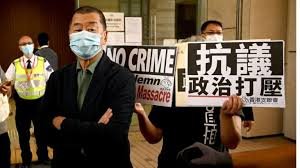
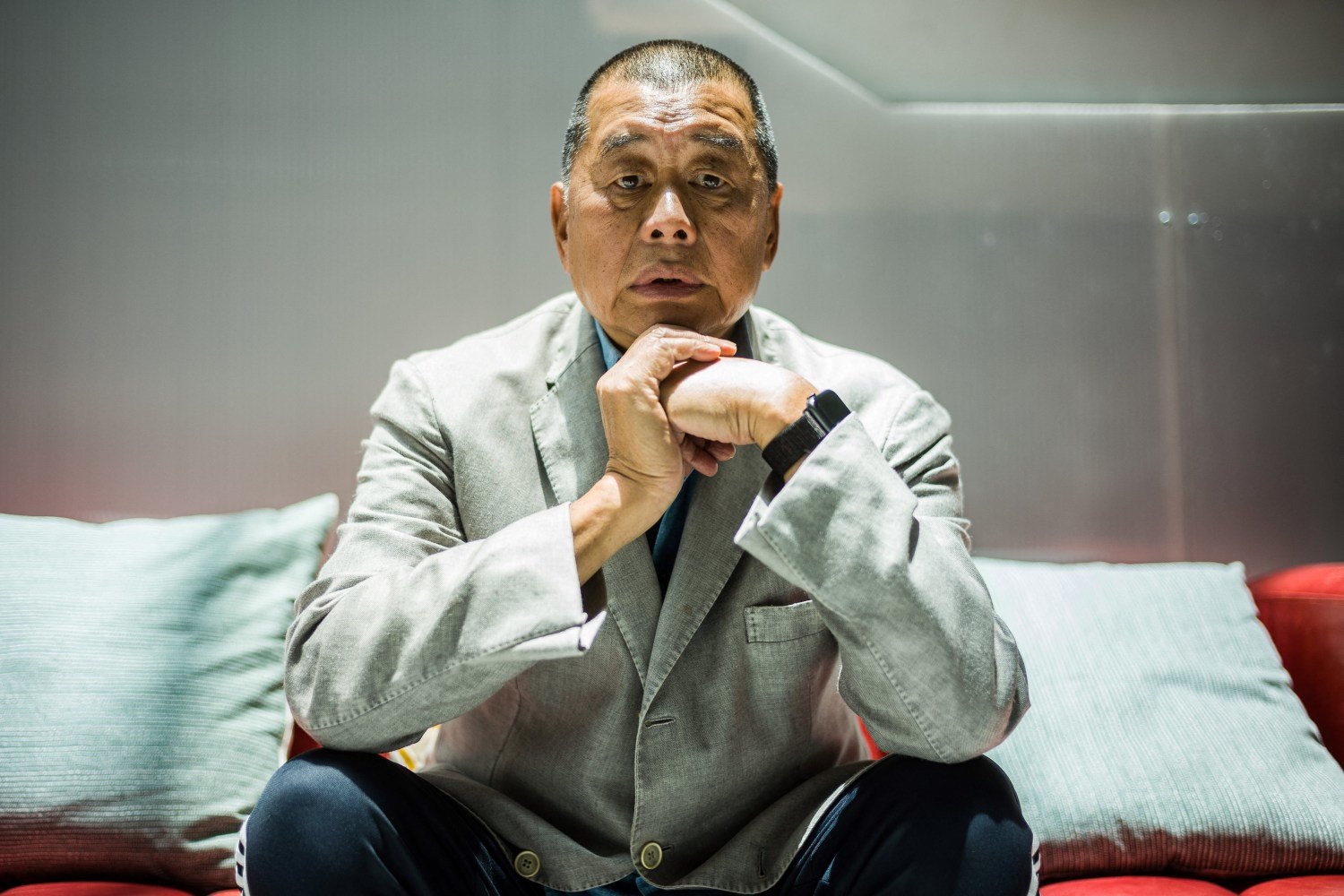
In Hong Kong on Monday, February ninth, the city’s judiciary will deliver a sentence for former media executive and pro-democracy advocate Jimmy Lai following his conviction last December on charges under the national security law imposed by Beijing.

Lai, seventy-eight and founder of the now-defunct Apple Daily newspaper, was found guilty of conspiring with others to collude with foreign forces and of conspiring to publish seditious material in a trial that lasted more than two years and has been closely watched by governments and rights groups around the world.

The sentencing session is scheduled to take place in the West Kowloon court building, where judges will determine Lai’s punishment amid calls from foreign governments and advocacy organisations for his release.

Lai has denied all charges, arguing that his actions were part of journalistic and civic engagement, while his co-defendants — including six former Apple Daily journalists and two activists — entered guilty pleas, which may factor into their individual sentences.

The legal proceedings stem from allegations that Lai and others used the newspaper to invite foreign governments to consider sanctions or other measures against Hong Kong and China, and published material deemed seditious by prosecutors.

Lai has been detained since his arrest in August two thousand twenty and is already serving a prison term on unrelated fraud convictions; the national security sentence could extend to life imprisonment under the law’s provisions.

The case has become a focal point of international debate over press freedom and the rule of law in Hong Kong after decades of heightened tensions over the city’s autonomy.

Governments including the United States, the United Kingdom and members of the Group of Seven have expressed concern about the conviction and urged Hong Kong authorities to respect fundamental freedoms, while officials in Beijing and the city government have maintained that the trial adhered to local legal procedures and safeguarded security interests.

Lai’s supporters and family have also raised alarms about his health following prolonged incarceration and solitary confinement, making the impending sentencing both a legal and humanitarian moment with wider diplomatic implications.
Citizens are advised to rely on independent planning due to significant government restrictions.
Hong Kong conglomerate contests constitutional annulment of its port concession as geopolitical and commercial tensions deepen
Hong Kong-based conglomerate CK Hutchison Holdings has commenced international arbitration proceedings against the Republic of Panama after the country’s Supreme Court ruled that a long-standing concession contract for two key Panama Canal ports was unconstitutional, triggering a major commercial and diplomatic dispute.

The arbitration was filed by the company’s unit, Panama Ports Company (PPC), under the rules of the International Chamber of Commerce, seeking to challenge the court’s decision and argue that Panama breached its contractual obligations and caused significant damages.

The move comes after the Panamanian court’s ruling, which concluded that the concession agreements granting CPC exclusive operational rights at the Cristóbal and Balboa terminals violated constitutional norms, ending nearly three decades of continuous operations by the subsidiary.

Panama’s president moved swiftly to reassure citizens and global markets that port operations at either end of the canal would continue without interruption, with interim arrangements under government oversight pending a new concession process.

CK Hutchison, majority-owned by the family of billionaire Li Ka-shing, said it strongly disagrees with the judgment and will pursue all available legal remedies, including potential further domestic and international litigation, to protect its rights and seek compensation.

The arbitration action may take years to resolve and, while it cannot directly overturn Panama’s top-court decision, could lead to a binding determination on whether Panama’s actions breached bilateral and contractual protections under international law.

The dispute has exacerbated geopolitical tensions, drawing a sharp rebuke from China’s Hong Kong and Macau Affairs Office, which condemned the ruling as damaging to foreign investor confidence, and coming amid broader U.S. strategic efforts to limit Chinese economic influence in critical infrastructure in the Western Hemisphere.

The controversy also clouds CK Hutchison’s ongoing planned sale of its global port portfolio, valued at around $23 billion and featuring a consortium including U.S. capital management firms and global partners, as uncertainties over the Panama assets weigh on negotiations and valuations.

The arbitration case underscores the complex interplay between sovereign judicial decisions, international investment protections and strategic geopolitical considerations surrounding the Panama Canal — a vital artery for global maritime trade that handles a significant share of world shipping traffic.
The man was told by a fraudster that a family member would be killed unless he handed cash to the driver, who arrived at his home unaware of the threat.
Underwriters settle about eighty-five percent of claims after mass fire displacements, easing financial strain on victims and property owners
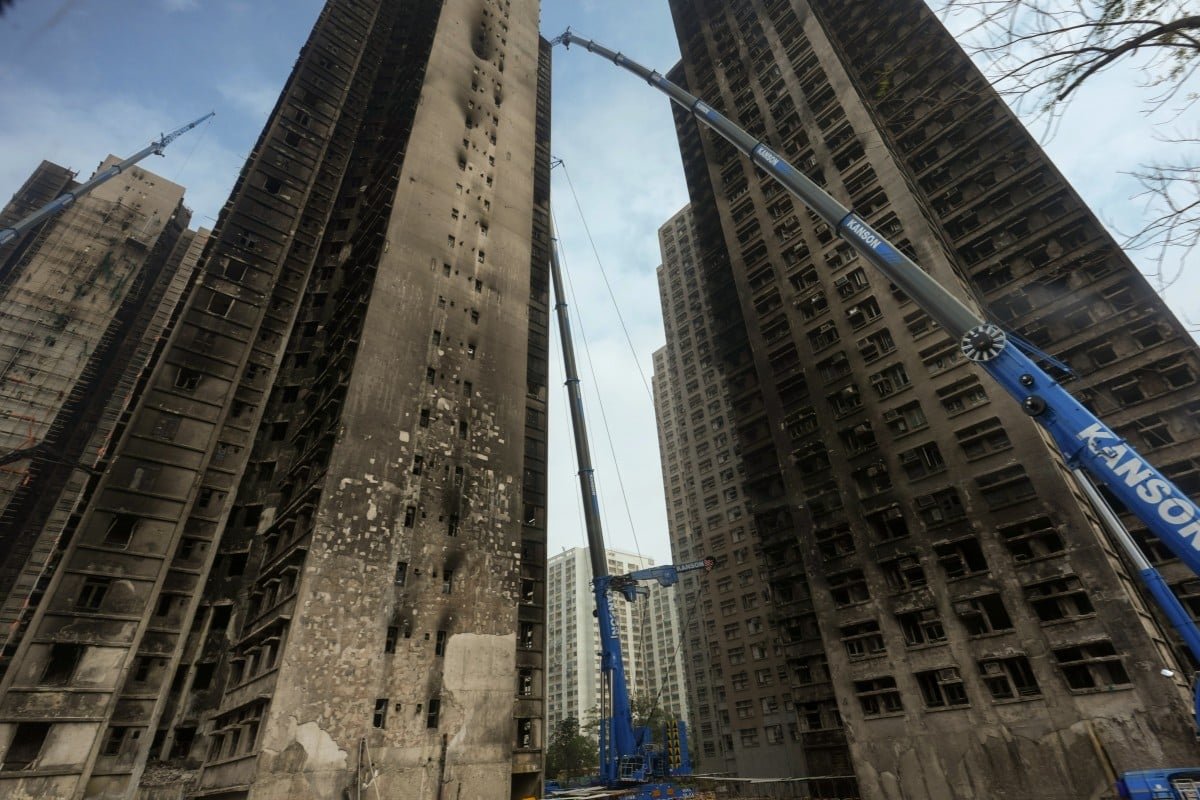
Insurers in Hong Kong have reached settlements on approximately eighty-five percent of the insurance claims arising from the devastating fire at Wang Fuk Court in Tai Po, approving payouts totaling about HK$66.3 million to policyholders, landlords and affected residents.

The settlements concluded in recent weeks mark a significant step in the recovery process following the blaze, which displaced hundreds of tenants and sparked extensive community support efforts.

Underwriters said the claim resolutions cover a broad range of losses, including structural damage to property, contents and personal belongings, rental loss and additional living expenses for displaced residents.

Representatives from the Hong Kong Federation of Insurers noted that the relatively swift progress on claims reflected coordinated engagement between insurers, adjusters and policyholders, with priority given to cases involving vulnerable groups and urgent needs.

Hong Kong’s Insurance Authority has been monitoring the situation closely since the fire, urging prompt and fair handling of claims in line with policy terms and regulatory standards.

Officials emphasised that the high settlement rate demonstrates the resilience of the territory’s insurance market and its capacity to support large-scale loss events.

Policyholders whose cases remain outstanding are being informed of the progress and timelines for final assessment.

The Wang Fuk Court fire, which erupted at a residential complex in Tai Po earlier this year, drew a substantial emergency response and widespread public attention as families were temporarily relocated and community groups mobilised aid.

Local leaders and social service providers have been working alongside authorities to ensure displaced residents have access to housing assistance, counselling and financial support as they rebuild their lives.

As settlements continue to be finalised, insurers have reiterated calls for residents to review their policy coverage and ensure up-to-date documentation of personal property values — steps that can facilitate smoother processing in future loss events.

The coordinated claims handling effort is expected to inform industry practices for responding to major property disasters within densely populated urban environments.
Flush cash conditions and interest rate differentials fuel demand for carry trades, prompting fresh central bank interventions to support the Hong Kong dollar peg
The Hong Kong dollar has eased from recent strong levels as loose liquidity conditions and widened interest rate differentials between local and U.S. markets encourage carry trade activity, putting renewed downward pressure on the currency despite efforts by the Hong Kong Monetary Authority to stabilise it.

Traders have been borrowing in the low-cost Hong Kong dollar to invest in U.S. dollar assets, drawn by the potential to profit from the persistent gap between local and U.S. yields, a strategy that has seen increased uptake in recent weeks.

The carry trade dynamic, reinforced by an abundant aggregate balance in the interbank market following periods of monetary intervention, has coincided with the Hong Kong dollar testing the weak side of its permitted trading band under the Linked Exchange Rate System, which pegs the currency within a fixed range against the U.S. dollar.

In response to pressure on the exchange rate, the authority has purchased local dollars by selling U.S. dollars to maintain the band, moves that reduce liquidity and seek to deter further depreciation.

While the linked exchange rate system has underpinned stability for decades, analysts note that the interplay of external capital flows, liquidity conditions and interest rate incentives continues to shape market behaviour and test the mechanisms of Hong Kong’s currency arrangements.
Mainland Chinese property services firm moves to delist following sustained decline in free-float shares below Hong Kong’s regulatory threshold
Jinke Smart Services Group Co., Ltd. has formally applied to the Hong Kong Stock Exchange to cancel its listing after its publicly held free float fell to a fraction of the level required under the city’s listing rules.

The company said there are no plans to restore the minimum public float and that its last trading day on the exchange is expected to be February ten, with delisting to take effect on February twenty, subject to regulatory approvals.

The move follows a prolonged reduction in publicly traded shares as controlling shareholders and affiliated entities accumulated or retired stakes, leaving the free float around one point six percent, well below the requirement for continued listing.

Under Hong Kong’s rules, a minimum level of free float is intended to ensure sufficient liquidity and market depth for investors.

Jinke Smart Services’ decision to withdraw its listing reflects broader pressures on smaller Chinese issuers in the city’s market, where trading volumes and investor interest have varied widely among sectors.

The company operates a range of property and community management services across the mainland, and its board has emphasised that the proposed withdrawal is aimed at aligning its capital structure with its strategic objectives while complying with regulatory norms.

The delisting process will proceed once the Hong Kong regulator and exchange grant the necessary approvals, after which the company’s shares will cease trading and be formally removed from the bourse’s official list.
Strong issuance outlook and historic fundraising rebound position Hong Kong as a global IPO powerhouse into 2026
Hong Kong’s initial public offering market is charting an exceptional trajectory, underpinned by a deep pipeline of prospective listings and strong fundraising momentum that appear set to sustain a record year of activity.

The city reclaimed its position at the forefront of global IPO markets in 2025, buoyed by a surge in “A+H” listings — companies that list shares both on mainland China exchanges and in Hong Kong — and capital raising that vastly exceeded prior years’ totals.

Active IPO applications climbed to more than three hundred by late 2025, marking a substantial increase over earlier years and reflecting broad investor confidence in the market’s depth and appeal.

PwC Hong Kong forecasts that the overall trend of robust capital market activity will continue through 2026, with over a hundred companies expected to complete listings and funds raised potentially reaching new highs as diverse sectors — from technology and healthcare to traditional industries — pursue access to international capital.

Market conditions have strengthened as interest rates ease and regulatory reforms streamline the listing process, with tailored support channels for specialist technology and biotech firms further expanding the market’s breadth.

These developments affirm Hong Kong’s role as a vital fundraising hub for Asia-Pacific and highlight strong cross-border investor interest in equity capital markets across the region.
Property developer warns of financial impact after lender challenges a seventeen point seven million Singapore dollar court award
Hongkong Chinese Limited has warned investors of a potential impact on its earnings after a Singapore bank filed an appeal against a court ruling that awarded the group damages of S$17.7 million.

The appeal introduces fresh uncertainty into a long-running legal dispute tied to financing arrangements for a Singapore property project, according to company disclosures.

The original judgment, delivered by a Singapore court, found in favour of Hongkong Chinese and ordered the bank to pay damages related to losses the developer said it suffered following the termination and restructuring of loan facilities.

The court accepted that the bank’s actions had caused quantifiable financial harm, leading to the award that is now under challenge.

In a filing to the Hong Kong stock exchange, Hongkong Chinese said the bank has lodged an appeal against both liability and quantum, meaning the final outcome could differ materially from the initial ruling.

The company said it is seeking legal advice and will actively defend the judgment, but cautioned that the appellate process could take time and that there is no certainty the original award will be upheld in full.

The developer noted that, while no immediate cash adjustment has been made in its accounts, an adverse outcome could affect future earnings and financial position.

It added that it will provide further updates as the appeal progresses and as the potential accounting implications become clearer.

The case underscores the legal and financial risks that can arise from complex cross-border financing arrangements in Singapore’s property market, where lenders and developers frequently rely on detailed contractual frameworks that are closely scrutinised by the courts when disputes arise.
Beijing condemns Panama’s annulment of a long-standing port concession amid arbitration by Hong Kong’s CK Hutchison
China has issued a stern warning to Panama after the Central American nation’s Supreme Court ruled that a long-standing concession held by Hong Kong-based CK Hutchison Holdings to operate two key container ports at either end of the Panama Canal was unconstitutional.

Beijing’s Hong Kong and Macau Affairs Office described the court decision as “absurd” and said Panama stood to pay “heavy prices both politically and economically” if it continued to enforce the ruling, framing the move as damaging to the rights of Chinese enterprises operating abroad.

The Panama Supreme Court annulled the concession after finding that the 25-year contract — originally granted in the 1990s and renewed in 2021 — violated constitutional procedures related to public interest, exclusive rights and legal transparency.

The ruling quickly drew international attention because of the ports’ strategic importance to global maritime trade and the broader geopolitical tensions between China and the United States over influence in the region.

In response, CK Hutchison’s subsidiary, Panama Ports Company, launched arbitration proceedings under the International Chamber of Commerce’s rules to contest the annulment and protect its contractual rights.

The arbitration could take years and seeks to establish whether Panama breached its obligations and owes compensation, although it cannot directly overturn Panama’s domestic court decision.

Company statements filed in Hong Kong emphasise strong disagreement with the ruling and a commitment to exhaust all legal avenues.
Panamanian President José Raúl Mulino defended the judiciary’s independence in the face of criticism from China, asserting that the court’s decision followed constitutional and legal norms and that the country would maintain sovereign control over its legal system.

Officials also moved swiftly to reassure the global shipping industry that operations at the Balboa and Cristóbal terminals would continue without interruption, including interim arrangements with alternative operators to prevent disruption to canal traffic.

The dispute has broader implications for investment and geopolitical dynamics.

The court’s ruling has been welcomed by U.S. officials as curbing perceived Chinese influence over the canal’s critical infrastructure, and it complicates CK Hutchison’s ongoing plan to sell its global port assets, including the Panama terminals, to a consortium led by U.S. and European investors.

Beijing’s aggressive public rebuke underscores rising tensions over overseas Chinese investment and highlights the strategic significance of the canal in global trade routes and U.S.-China competition.
Regulators and investors question whether underwriters are acting as rigorous gatekeepers or merely facilitating a surge of listings
Hong Kong’s revival as one of the world’s busiest initial public offering hubs has reignited a long-running debate over the true role of the city’s IPO bankers.

As fundraising volumes accelerate, regulators and market participants are increasingly focused on whether sponsoring banks are exercising robust oversight or functioning largely as transaction facilitators in an intensely competitive environment.

A renewed pipeline of listings, driven primarily by mainland Chinese companies seeking access to international capital, has restored momentum to the market.

The rebound has been welcomed by policymakers and issuers alike, reinforcing Hong Kong’s position as a critical financial gateway between China and global investors.

Yet the speed and scale of activity have also exposed operational strains within the investment banking ecosystem.

Regulatory authorities have recently signaled concern over the quality of some IPO submissions, urging banks to strengthen due diligence and documentation standards.

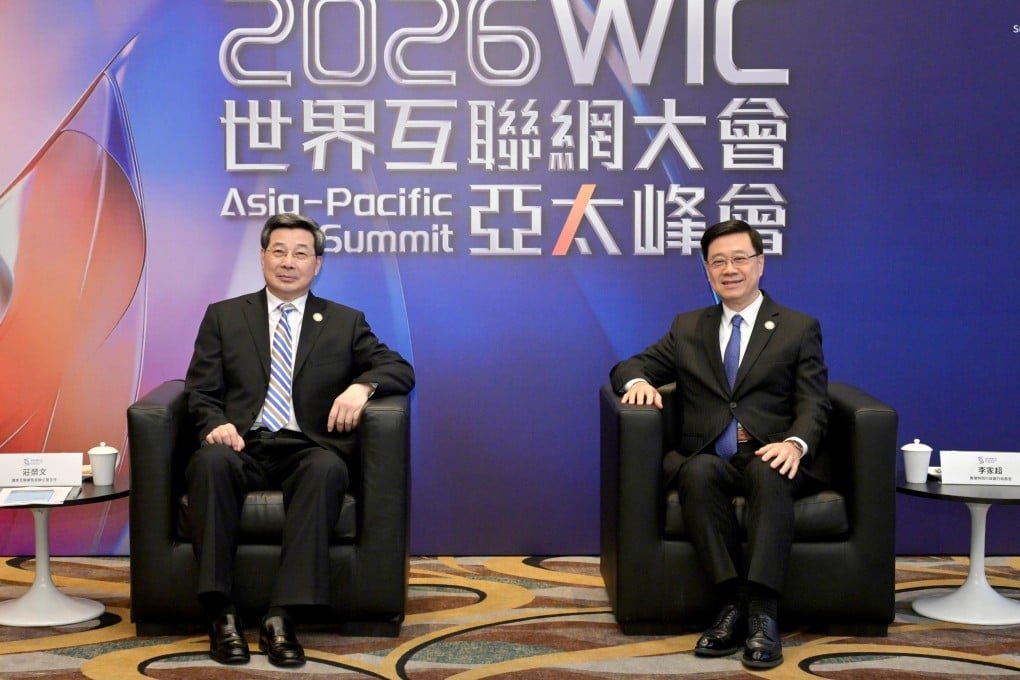
Enhanced supervision requirements have been introduced to ensure senior bankers are closely involved in each transaction, reflecting expectations that sponsors act as frontline guardians of market integrity rather than passive intermediaries.
At the same time, banks face commercial pressures that complicate this role.

Intensifying competition, particularly from regional and mainland rivals, has compressed underwriting fees even as workloads rise.

This has prompted questions about whether existing incentives adequately support the level of scrutiny regulators and investors demand.

Industry executives argue that the core gatekeeping function remains intact, pointing to ongoing reforms and investments in compliance and risk management.

They also note that Hong Kong’s regulatory framework continues to evolve in step with market growth, balancing efficiency with investor protection.

The debate underscores a broader challenge for Hong Kong’s capital markets: sustaining rapid growth while preserving confidence in disclosure standards and governance.

How effectively IPO bankers navigate this balance is likely to shape the city’s appeal as a listing venue in the next phase of its market cycle.
Swedish network equipment maker wins major contract with SmarTone to deploy next-generation programmable mobile network in Hong Kong
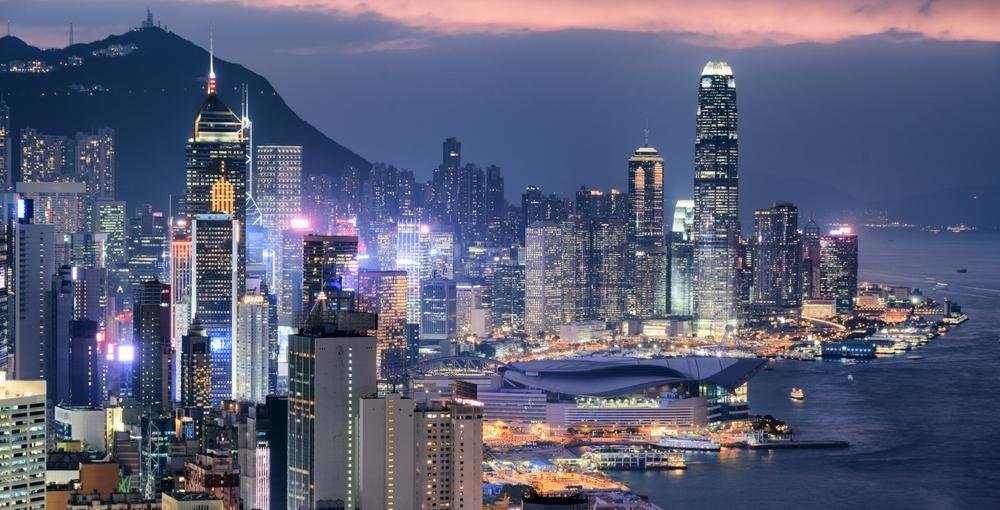
Ericsson has won a pivotal contract with Hong Kong-based communications provider SmarTone to deliver advanced 5G-Advanced (5G-A) network infrastructure, marking a notable expansion of the Swedish company’s presence in the Asia-Pacific region.

Under the agreement, SmarTone will deploy Ericsson’s latest radio access network and mobile core technologies, which support programmable network functions and enable enhanced service flexibility, lower operating costs and new monetisation opportunities for both consumer and enterprise customers.
The deployment will incorporate a range of advanced equipment, including massive multiple-input, multiple-output (mMIMO) radios designed for improved energy efficiency and broader coverage, as well as mobile edge computing capabilities to bring cloud-like processing closer to end users.
These technologies will also support differentiated connectivity options and software-defined network controls, allowing SmarTone to tailor performance for specific use cases across its network.

SmarTone’s Chief Technology Officer emphasised that the move to Ericsson’s 5G-A platform is aimed at helping the operator better monetise its network assets and reduce operational costs, addressing the challenge that increased capacity and quality have not always translated into proportionate revenue growth.

Ericsson’s regional leadership echoed this view, noting that programmable networks provide the agility needed to launch new services rapidly and respond to evolving market demands.

The Hong Kong agreement bolsters Ericsson’s wider Asia-Pacific engagements, which include existing ventures such as collaborations with other operators across the region.

It also comes as the company navigates broader market dynamics, including currency impacts on reported sales in Northeast Asia and competition from other global infrastructure providers.

However, the SmarTone deal underscores Ericsson’s continued role in deploying next-generation mobile technologies and enhancing digital infrastructure in key markets.
Major technology firms are reshaping commercial real estate expectations with a push for high-end, mixed-use ecosystems rather than standalone offices
Global technology companies are increasingly demanding ultra-premium, fully integrated commercial ecosystems as they reassess how and where their employees work, according to senior executives at Hongkong Land.

The shift reflects a broader transformation in corporate real estate strategy, with leading firms prioritising quality, flexibility and experience over sheer floor space.

Hongkong Land said technology groups are seeking developments that combine top-tier office space with retail, dining, wellness, cultural amenities and transport connectivity, all within a single, carefully curated environment.

These requirements go beyond traditional Grade-A offices and are aimed at supporting collaboration, innovation and talent retention in an era of hybrid working.

Executives at the property developer noted that large technology firms, despite adopting more flexible work models, continue to value physical headquarters as strategic assets.

Rather than downsizing indiscriminately, they are concentrating operations in fewer but higher-quality locations that can serve as hubs for corporate culture and brand identity.

The trend is particularly evident in major financial and technology centres across Asia-Pacific, where competition for skilled professionals remains intense.

Employers are using premium workplaces and surrounding lifestyle offerings as a differentiator, while also seeking buildings that meet stringent sustainability and digital-infrastructure standards.

Hongkong Land added that this demand is shaping its investment and development strategy, with a focus on long-term mixed-use districts designed to evolve with tenant needs.

While such projects require higher upfront capital and longer planning horizons, the company said they are increasingly resilient to market cycles because of strong, diversified demand from global blue-chip occupiers.

The company expects the preference for integrated commercial ecosystems to persist, arguing that the office is no longer viewed in isolation but as part of a broader urban experience that supports productivity, well-being and long-term corporate growth.
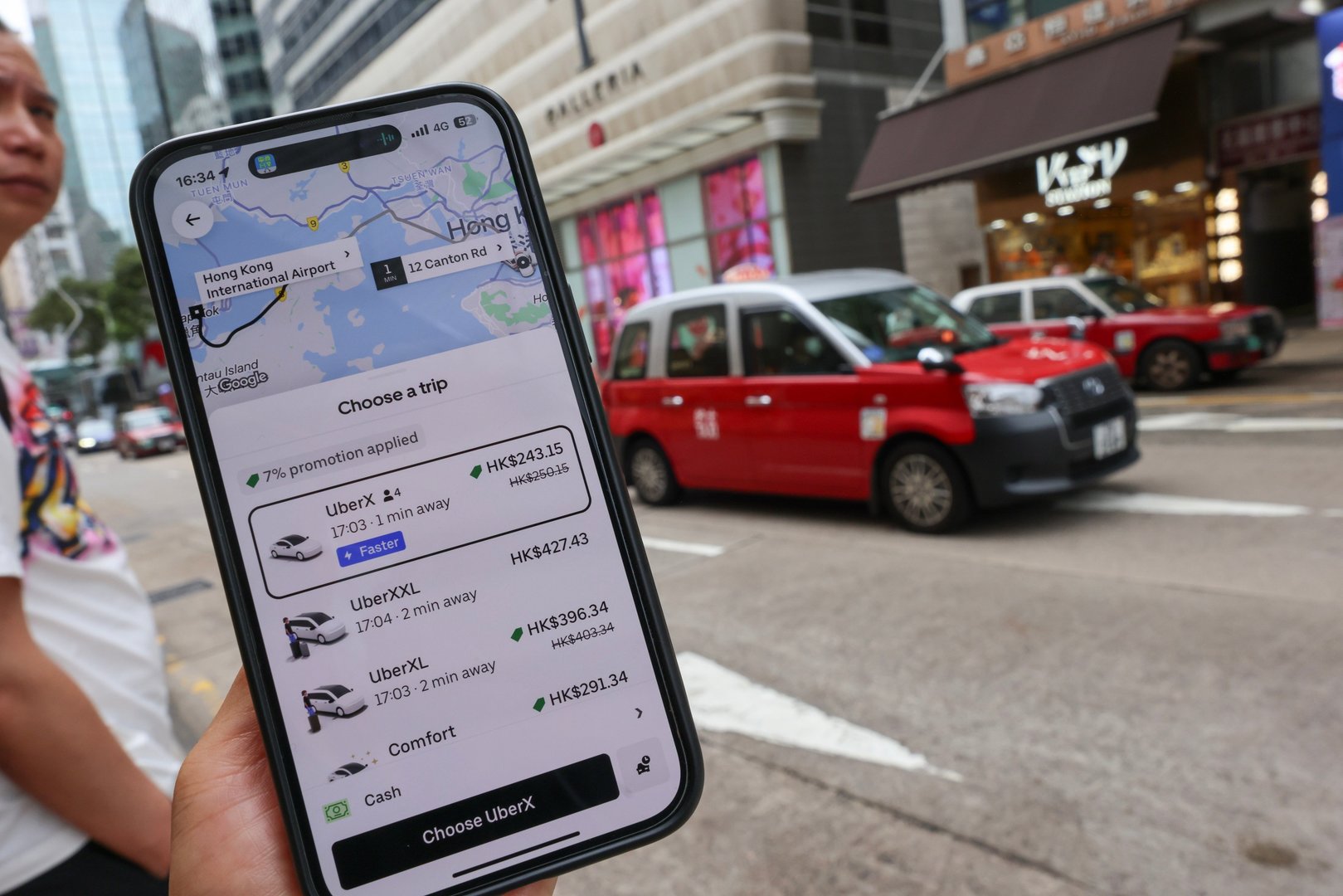
The ride-hailing platform re-enters Macau with cross-border limousine service and in-app taxi booking, marking its first new Asia expansion in years
Uber Technologies has relaunched operations linking Hong Kong and Macau with a premium cross-border limousine service and in-app taxi bookings, marking the company’s first expansion into an Asian market in years.

The new offering allows travellers to reserve point-to-point transfers between Hong Kong and Macau via the Uber app with a minimum lead time of twenty-four hours, providing fixed pricing that includes bridge and tunnel tolls.

The cross-border service is operated in partnership with veteran transport provider Kwoon Chung Bus Holdings, and reservations can be made up to ninety days in advance, simplifying a journey that previously required multiple transfers and logistical coordination.

The move also coincides with Uber’s broader relaunch of local taxi services in Macau, enabling riders to book licensed metered cabs directly through the app with multilingual support and cashless payments.

This functionality was reinstated on February 3 following Uber’s suspension of operations in the city nine years ago, when regulatory challenges curtailed its earlier presence.

Vehicles and drivers engaged in the cross-border transfers carry the necessary licensing and permits for seamless immigration clearance, facilitating travel for both business passengers and leisure visitors who frequently traverse the Pearl River Delta.

Analysts said the limo service’s premium pricing — which can run up to HK$3,500 per trip — is expected to attract not just affluent tourists, but also executives and small groups attending major events or conducting cross-border business.

Uber executives have emphasised that the relaunch reflects a strategic, compliant re-entry into Macau, partnering with local authorities and taxi operators to support tourism infrastructure and provide enhanced mobility options for residents and visitors alike.
Extended, low-cost vehicle loans roll out across major brands in China to stimulate sluggish electric car demand amid fading government incentives
Tesla has ignited a new phase of competition in China’s electric vehicle (EV) market with the introduction of ultra-long, low-interest financing deals designed to reduce monthly payments and attract hesitant buyers.

In January, the U.S. automaker rolled out a loan programme offering annualised interest rates as low as 1.36 percent on terms of up to seven years for customers buying locally made Model 3 and Model Y vehicles, markedly longer and cheaper than the typical five-year or shorter consumer loan.

This initiative allows purchasers to pay monthly instalments below RMB 2,000 (about US$288) after a modest down payment, significantly lowering the upfront cost barrier.

The move has quickly prompted a broader ‘financial arms race’ within China’s EV sector, with domestic rivals following Tesla’s lead.

Xiaomi announced comparable seven-year low-interest financing on its YU7 SUV, while other major players including XPeng, Li Auto, Dongfeng’s Yipai and Geely’s Galaxy brands have matched or crafted similar plans that extend loan durations and reduce monthly instalments to attract buyers in an otherwise softened market.

The widespread adoption of extended terms represents a shift from traditional price cuts toward financial incentives as automakers seek to bolster sales without eroding long-term pricing integrity.

Industry analysts say the pivot to financing reflects broader pressures on EV makers as weak consumer demand intersects with rising raw material costs and a rollback of generous government purchase incentives.

New energy vehicle buyers in China now face a reduced vehicle purchase tax exemption, dampening stimulus that had supported strong sales growth in recent years.

Against this backdrop, low-interest loans and ‘ultra-low’ monthly payments have become a critical tool for automotive firms to maintain visibility and competitiveness.

While these financing offers are expected to appeal to younger and budget-conscious buyers by expanding affordability, some market participants caution that extending repayment periods and lowering interest rates could carry longer-term financial risks if demand remains subdued.

Nonetheless, with incumbents and challengers alike embracing seven-year loans, the strategy marks a major evolution in how EV makers compete for market share in China’s dynamic and highly contested automotive landscape.
Deal volumes fell month-on-month, but recent sell-outs and rising market sentiment fuel expectations of a ‘mini-boom’ during the festive period
Hong Kong’s property market showed a modest slowdown in January, with overall transaction volumes dipping compared with the final month of 2025, official figures indicate.

Registered deals covering residential, commercial, industrial and parking units fell 15.2 per cent from December to 7,631 agreements, while the total consideration of these transactions declined 12 per cent to approximately HK$57.25 billion (about US$7.3 billion).

Residential sales in particular edged down 3.6 per cent month-on-month to 5,669 deals, reflecting a short lull in activity at the start of the year.

On a year-on-year basis, however, the figures tell a markedly different story.

Total transactions jumped 54.5 per cent compared with January 2025, and the monetary value of deals surged 55.8 per cent, underscoring robust demand over the past twelve months.

Analysts and agents are optimistic that purchasing momentum will accelerate into the Lunar New Year period, traditionally a peak season for real estate transactions and interstate travel, buoyed by strong market sentiment and recent sell-outs in the primary market.

A key indicator of renewed enthusiasm has been the performance of new developments.

All five sales rounds at the Sierra Sea project — a major residential development by Sun Hung Kai Properties in Shap Sze Heung between Sai Kung and Ma On Shan — have sold out, comprising more than 1,200 units launched so far this year and marking it as the city’s largest housing project since 1999. 

Agents note that positive macroeconomic signals, including a resilient stock market and improving economic sentiment, are prompting buyers to enter the market ahead of the festive break.

Combined with a broader rebound in home prices and rental rates reported in recent months, the market is showing signs of strengthening as domestic and cross-border demand converge.
Group of prominent Hong Kong family offices establishes a US$100 million closed-end fund to attract global capital under new government initiative
A consortium of five Hong Kong family offices has launched a US$100 million closed-end investment fund designed to attract international capital and serve expanding wealth-management needs.

The fund, named Inspira, pools resources from established local offices to invest in private-credit and stable-income projects that appeal to affluent global investors and those seeking residency in the city via Hong Kong’s Capital Investment Entrant Scheme.

The initiative coincides with the government’s Family Office 2.0 plan to strengthen the city’s status as a pre-eminent international wealth hub and encourages participation from Europe, the Middle East and Asia.

Partners in the effort include Wings Capital, Archbridge Capital Partners, Lui and Tan Family Office Investment Holdings and other seasoned family offices, who bring deep experience managing multi-generational private capital.

Hong Kong’s revised residency investment scheme, which reduced the minimum qualifying investment to HK$30 million, has drawn hundreds of applications with billions of dollars in proposed investments already verified, reinforcing the appeal of pooling family office expertise and capital to tap emerging opportunities in private markets.

Organisers say Inspira will offer diversification and resilient returns in an environment where wealthy families increasingly seek tailored solutions and stable income strategies, while the city’s family office sector continues robust growth supported by government incentives and regulatory enhancements.
Authorities and tourism sector brace for strong arrival numbers and high hotel demand during the holiday period
Hong Kong is preparing for a significant influx of visitors from mainland China over the forthcoming Lunar New Year holiday, with projections pointing to around 1.4 million arrivals during the core holiday period.

The Travel Industry Council of Hong Kong estimates that this figure represents a year-on-year increase as travellers take advantage of the festive period to visit the city for celebrations, shopping and cultural events.

The majority of inbound guests are expected to be organised mainland tour groups, with around 2,600 groups projected for the peak travel days.

High-speed rail ticket sales from key departure cities such as Guangzhou, Shenzhen and Shanghai sold out swiftly, reflecting robust demand for travel to Hong Kong despite headwinds such as currency strength.

Hoteliers in major districts like Tsim Sha Tsui and Causeway Bay have reported near-full occupancy for the central holiday nights, prompting some operators to raise room rates by between ten and fifteen percent in anticipation of heightened demand.

Hong Kong authorities have expanded capacity at immigration checkpoints ahead of the holiday, including adding smart e-gates at major control points such as West Kowloon and Lo Wu to expedite crossings and minimise congestion.

Cross-border commuters have been advised to make use of pre-arrival systems and prepare for heavy traffic, particularly on land routes connecting Shenzhen Bay and other frontier points.

Local business groups have welcomed the expected surge, noting that the influx of visitors will coincide with major events in the city including international arts fairs and fintech conferences, providing a boost to retail, hospitality and dining sectors after softer performance in parts of the previous year.

While visitor spending per head has not yet returned to pre-pandemic levels, the strong projected numbers are seen as a positive signal that Hong Kong’s appeal as a holiday destination remains resilient and dynamic in the face of evolving travel trends and regional competition.
Hundreds of visitors in Tasmania were misled after an AI-generated travel article promoted non-existent “Weldborough Hot Springs,” prompting confusion, complaints, and the removal of the false content.
There is nothing more frustrating than the moment we realise that artificial intelligence has simply invented information we relied on — only for us to discover it has no connection to reality.

And what is even more frustrating?

There is no one to scold and no one to blame — except ourselves (you will understand why later in the article).

For hundreds of tourists in Tasmania, this became the disappointing reality of the holiday they had set out on.

The travel website “Tasmania Tours” used artificial intelligence (AI) to generate content and images for its site, and mistakenly created a natural attraction that does not exist at all: the “Weldborough Hot Springs.”

The problematic article went online in July 2025 and has since attracted significant web traffic.

Alongside an enticing image, it described the imaginary springs as a “peaceful retreat in the heart of the forest” and a place offering an “authentic connection to nature.” The seductive text promised visitors a soak in waters “rich in therapeutic minerals,” and even ranked the location as one of the “seven best hot spring sites in Tasmania for 2026.”

“At the height of the madness, I was getting about five phone calls a day, and whole groups would come into the hotel asking where the springs were,” said the owner of a local pub.

“I told them: ‘If you find the hot springs, come back and tell me, and I’ll take care of your beer all night on the house.’ No one ever came back.”

What caused tourists to fall into the trap was the fact that the AI was sophisticated enough to blend truth and falsehood: the invented springs appeared on a list alongside entirely real and well-known attractions, such as the Hastings Caves, which gave the information a high level of credibility.

The article was accompanied by pastoral AI-generated images of steaming pools in the wilderness, which finally convinced even the hesitant.

The reality on the ground in Weldborough, a rural town in the island’s northeast, was completely different.

There are no hot springs there, and there never have been.

The only attractions in the area are forests, a local pub, and a river whose water is freezing cold.

Christie Probert, the owner of the local pub, was forced to deal with a wave of helpless tourists.

“At the peak of it, I was receiving about five phone calls a day, and every day two or three groups would come into the hotel asking where the springs were,” Probert said.

“The Wild River that runs through here is absolutely freezing. Honestly, you have a better chance of finding a diamond in the river than hot water.”

According to her, the AI mistake created local chaos.

“Two days ago, a group of twenty-four drivers came from the mainland, making a special detour from their route just to reach the springs. I told them: ‘If you find the hot springs, come back and tell me, and I’ll take care of your beer all night on the house.’ No one came back.”

Following the many inquiries, the company “Australian Tours and Cruises,” which operates the site, removed the false content.

The owner, Scott Hensy, admitted the colossal failure and spoke of the heavy personal cost.

“The hatred we received online was devastating to the soul,” Hensy said in interviews with the global media.

“We are just a married couple trying to move forward with our lives.”

Hensy explained that the company outsourced content writing due to a “lack of manpower” to produce enough material independently, in an effort to “compete with the big players on Google.” He said the materials were published without sufficient human oversight while he was overseas.

“Sometimes it works wonderfully, and sometimes it fails massively,” Hensy added.

“I saw the software generate animals I had never seen before, like a wombat with three legs or creatures that looked like a strange combination of a crocodile.” The company apologised and clarified that it is a legitimate business, and that a comprehensive manual review of all website content is now underway. The Weldborough case is an extreme example of a broader phenomenon known as “AI hallucinations,” in which text generators invent facts with complete confidence.

Professor Anne Hardy, a tourism expert, warns that blind reliance on the technology can ruin holidays.

“We know that today, about ninety percent of travel itineraries generated by artificial intelligence contain at least one mistake,” Hardy says.

“Despite that, about thirty-seven percent of travellers rely on AI to plan their trips.” The Tasmania case serves as a painful reminder: before packing a swimsuit based on an online recommendation, it is worth making sure a human has verified that the destination actually exists.

This is not the first case in the past year in which artificial intelligence has sent people on absurd or dangerous missions.

At the end of 2025, two tourists in Peru were reported to have gone searching for the “Sacred Canyon of Humantay” following a chatbot recommendation.

They found themselves climbing to an altitude of four thousand metres with no cellular reception, only to discover that the place did not exist and that they were in fact in serious danger.

Another phenomenon troubling travellers in 2025 was Amazon being flooded with fake travel guides written by AI under fictional author names.

The guides, sold in the thousands, contained recommendations for restaurants that had closed years earlier and meaningless tips.

Even the fast-food chain Taco Bell experienced the force of the technology, when its new voice ordering system malfunctioned and placed an order for no fewer than eighteen thousand cups of water for a single customer.
Authorities consider aligning construction site smoking fines with existing statutory penalties amid safety concerns following a deadly blaze
Hong Kong authorities are considering introducing a fixed penalty of HK$3,000 for smoking on construction sites as part of broader efforts to tighten tobacco control and improve occupational safety.

Secretary for Labour and Welfare Chris Sun Yuk-han said the proposal is under active review after industry feedback raised concerns about earlier plans that proposed much higher maximum fines under the Factories and Industrial Undertakings Ordinance.

The move comes against the backdrop of expanded anti-smoking measures already in effect across the city, which took effect at the start of this year and saw the fixed penalty for many smoking offences double to HK$3,000.

This alignment with the existing level under the Smoking (Public Health) Ordinance is intended to provide clarity and consistency in enforcement.

Mr. Sun said that construction workers broadly supported a comprehensive smoking ban on worksites but expressed apprehension about the prospect of facing maximum fines of up to HK$150,000 if offences were adjudicated in court.

In response, officials are exploring legislation that could allow for a straightforward fixed penalty, reducing uncertainty for workers while maintaining deterrence.

The government is also considering how any changes would interact with both the Occupational Safety and Health Ordinance and the Smoking (Public Health) Ordinance, with further details to be worked out before formal proposals are announced.

The consideration of the HK$3,000 fine is part of a wider tobacco control agenda in Hong Kong that has seen a series of regulatory upgrades.

From January 1, smoking has been prohibited in additional public spaces, including near public transport queues and within three metres of entrances to hospitals and schools, and enforcement agencies have issued numerous fixed-penalty notices under the revised rules.

Public health officials emphasise that the overarching goal is to protect both workers and the wider public from the harms of secondhand smoke while ensuring that enforcement remains effective and proportionate.
The city’s largest developer seeks a five-year syndicated loan as property sentiment improves following a period of weak sales and refinancing reticence
Sun Hung Kai Properties, Hong Kong’s largest and most prominent real estate developer, has moved to re-engage with syndicated lending by seeking a loan facility of at least HK$5 billion (about US$640 million) after forgoing refinancing throughout 2025. The initiative marks a notable return to capital markets for the group, which has historically tapped syndicated borrowings annually as part of its financing strategy.

Talks are ongoing with potential lenders, and the company aims to complete the transaction by the end of March.

The planned facility is expected to carry a five-year tenor, though discussions could lead to an increase in the amount raised depending on bank appetite.

Sun Hung Kai’s decision to re-enter the loan market follows a year in which declining home sales and weaker asset valuations made refinancing across Hong Kong’s property sector more challenging.

The broader market environment last year saw other major developers, such as New World Development, spend months securing record-sized credit arrangements amid tight conditions.

Industry observers view Sun Hung Kai’s renewed financing effort as a potential barometer of improving sentiment in Hong Kong’s residential sector.

Mainland Chinese buyers have been spending record amounts in the city, helping clear inventory and supporting price discovery.

Mortgage demand has also benefited from interest rate cuts, and rising rents have encouraged some residents to consider purchasing homes, contributing to an uptick in the Hang Seng Property Index.

Sun Hung Kai itself remains widely regarded as a strong borrower, supported by steady cash flows and deep banking relationships established over decades.

A company spokesperson declined to comment on the financing plans, underscoring that discussions remain confidential.

Should the loan proceed successfully, it would signal renewed confidence among lenders and potentially set the stage for further activity in Hong Kong’s beleaguered property financing markets.
A wave of memory chip and storage technology companies are pursuing initial public offerings in Hong Kong to support international growth strategies
A growing cohort of mainland Chinese memory chip and storage specialists is turning to Hong Kong’s capital markets as a strategic platform to raise funds for international expansion and technology investment.

Among the most closely watched firms is Shanghai-based Montage Technology, a leading designer of high-speed interconnect chips for data centres, which is preparing for a Hong Kong initial public offering that could raise up to HK$7 billion to bolster its global leadership and seize opportunities in cloud computing and artificial intelligence infrastructure.

The company already holds a dominant position in the global memory interconnect segment, accounting for nearly 39 per cent of the market in 2024.

Montage’s planned dual listing follows the recent Hong Kong debut of GigaDevice Semiconductor, which previously listed in Shanghai and raised around HK$4.7 billion to support its growth and global ambitions.

Other mainland memory and storage players, including Hosin Global Electronics, XTX Technology and Beijing XSKY Technology, have also submitted applications to list in Hong Kong, reflecting broader sector momentum.

Some companies, like XTX, have adjusted prior plans such as withdrawing a Shenzhen IPO application in favour of pursuing a Hong Kong listing.:contentReference[oaicite:1]{index=1}

Analysts say the interest in Hong Kong listings signals a strategic shift in how China’s memory and storage segment aims to attract institutional capital and anchor long-term growth outside the mainland.

Firms are increasingly using dual-market approaches to diversify their investor base, deepen liquidity and support extensive research and development programmes.

Despite not all firms being pure memory cell fabricators, many focus on memory products and related technologies that feed into a broad range of computing, networking and AI applications.

This trend underscores the role Hong Kong plays as a vital fundraising hub for Chinese technology companies seeking to elevate their global competitiveness.
Regulator flags inadequate sponsor resources and filings amid record IPO activity, imposing new disclosure and supervision requirements
Hong Kong’s securities regulator has intensified its scrutiny of IPO sponsors, citing concerns that the surge in initial public offerings has exposed weaknesses in sponsor diligence and filing quality.

In a circular issued late January, the city’s Securities and Futures Commission warned investment banks engaged in share listings that an increase in poorly prepared applications and overstretched sponsor teams threatens market standards and investor confidence.

The regulator said it has observed some sponsor personnel lacking sufficient experience and resources, with an over-reliance on external lawyers and auditors rather than robust internal oversight.

The SFC’s guidance requires all sponsoring firms to report the names and contact details of principal bankers and disclose the number of active IPO assignments they are handling within two weeks.

Individuals supervising more than six deals will be deemed to lack adequate resources, highlighting the regulator’s concern that staff capacity has not kept pace with the frenetic pace of listings in the market.

Hong Kong experienced its strongest IPO pipeline in years in 2025, driven in part by A+H dual listings and renewed global investor interest, with record fundraising and deal flow underscoring the city’s prominence as a capital-raising hub.

The circular also sets limits on the length of application documents and emphasises that filings should not exceed 300 pages in total, a marker of the regulator’s focus on clarity and completeness.

The SFC indicated that sponsors previously warned about deficiencies and those with principals exceeding the deal threshold “should expect” on-site thematic inspections soon.

Hong Kong Exchanges and Clearing’s chief executive has separately affirmed that quality is “non-negotiable” and disciplinary actions will be taken where warranted, pointing to a broader effort to uphold standards as listings multiply.

As part of the intensified oversight, the SFC is also requiring sponsors to identify individuals working on IPO applications who have not passed certain securities qualification exams, reflecting an emphasis on professional competency.

The regulator noted that as of late December 2025, 16 listing applications had been suspended amid the scrutiny, underscoring how procedural shortcomings can derail listing progress.

Industry participants say the measures reflect a balancing act between maintaining Hong Kong’s attractiveness as a listing destination and safeguarding the integrity of its capital markets.
The new Singapore Central Private Real Estate Fund becomes the city-state’s largest office-focused private investment platform, anchoring institutional capital in premium commercial assets
Hongkong Land has launched a landmark Singapore office real estate fund with initial assets under management of S$8.2 billion, partnering with Qatar Investment Authority and Dutch pension asset manager APG Asset Management as founding investors in the vehicle.

The Singapore Central Private Real Estate Fund (SCPREF) is structured as an open-ended perpetual private investment platform and marks the largest private commercial real estate fund in the Republic at inception, reflecting strong institutional demand for top-tier office assets in Asia’s premier financial hub.

SCPREF’s inaugural portfolio comprises a mix of ultra-prime office properties, including 100 per cent interests in Asia Square Tower 1 and One Raffles Link, and one-third stakes in Marina Bay Financial Centre Towers 1 and 2, Marina Bay Link Mall, and One Raffles Quay.

Collectively, these assets represent approximately 2.6 million square feet of net lettable area and underscore the fund’s focus on high-quality, income-producing commercial real estate in Singapore’s Central Business District and key business precincts.

Hongkong Land will act as general partner and fund manager, holding a majority stake at launch alongside QIA and APG, with additional participation from a Southeast Asian sovereign wealth fund.

The fund has secured S$4.1 billion in committed equity, including more than S$1.8 billion of third-party capital, and targets expanding its gross asset value to at least S$15 billion through selective acquisitions and future placements.

The launch of SCPREF forms a key pillar of Hongkong Land’s strategy to build a third-party capital management platform and contribute to its broader target of US$100 billion in assets under management by 2035. By recycling capital from its existing Singapore portfolio and attracting significant institutional backing, Hongkong Land aims to reinforce its role as a premier real estate investor and manager in Asia’s gateway cities.

The fund’s investment mandate anticipates further expansion in Singapore’s office market, leveraging stable fundamentals, strong occupancy rates and sustained demand from multinational tenants.
Jewelry, watches and other high-end categories drove another month of year-on-year expansion, underscoring resilient demand amid broader retail recovery
Hong Kong’s luxury goods market continued its expansion in December, with high-end segments such as jewellery, watches, clocks and valuable gifts delivering another month of robust year-on-year growth, according to provisional government data.

Retail sales by value across the luxury category rose 14.3 percent in December, contributing to an overall 6.6 percent increase in total retail sales for the month to an estimated HK$35.0 billion, as consumer confidence and inbound tourism bolstered demand.

The latest figures from the Census and Statistics Department show that the luxury segment’s ongoing ascent marked the eighth consecutive month of gains for hard-luxury goods, reflecting sustained strength in consumer spending on high-value products.

Sales in the jewellery and watch categories reached HK$5.32 billion in December, a notable increase from the prior year, and helped drive the broader recovery in the retail sector.

Online retail also played a role, with internet purchases surging nearly 31 percent to HK$3.1 billion as part of the city’s growing digital commerce trend.

Analysts said improving local consumption sentiment, aided by robust economic momentum and a continued uptick in inbound visitors, has underpinned the luxury market’s resilience amid shifting global retail patterns.

Hong Kong posted approximately 4.65 million visitor arrivals in December, up year-on-year, with mainland Chinese tourists accounting for a significant share of the increase.

This influx has further supported demand for high-end products often popular with affluent visitors.

For the calendar year 2025 as a whole, the value of total retail sales in Hong Kong resumed modest growth, rising 1 percent compared with 2024, while the luxury segment’s annual performance showed positive momentum that industry observers say will be important for sustaining confidence in the territory’s broader retail recovery.

The continued climb in luxury sales highlights Hong Kong’s enduring role as a regional hub for high-end consumption even as global economic conditions fluctuate.
The U.S. president says tariffs on Indian goods will fall from twenty-five percent to eighteen percent as India commits to major U.S. purchases and a shift away from Russian crude
President Donald Trump said the United States will reduce tariffs on Indian goods after Prime Minister Narendra Modi agreed to halt India’s purchases of Russian oil, announcing what he described as a new trade understanding that links market access and energy policy to broader strategic alignment.

In a statement posted after a call with Modi, Trump said the United States would lower its “reciprocal” tariff on Indian exports to eighteen percent, down from twenty-five percent, effective immediately.

He framed the move as a direct response to Modi’s request and as part of a wider effort to tighten pressure on Russia by limiting the oil revenues that have sustained Moscow’s war financing.

The announcement follows months of tariff tension in which Washington had tied tougher trade measures to India’s continued buying of discounted Russian crude.

Trump’s latest decision signals a shift from pressure to partnership, positioning the tariff reduction as a practical reward for a policy change that would realign India’s energy flows away from Russia.

According to the terms described alongside the announcement, India would remove import tariffs and non-tariff barriers on U.S. goods and commit to substantially larger purchases from American suppliers, including energy and other strategic sectors.

Figures circulating with the deal referenced a “buy American” commitment reaching as high as five hundred billion dollars, although operational details and timelines were not publicly set out.

Modi welcomed the tariff cut and presented it as a strengthening of the U.S.–India partnership, a relationship that has expanded across security, technology, and investment.

The agreement, as described, would represent one of the most consequential trade-and-energy linkages between the two countries in years, with potential ripple effects for global oil markets and supply chains.

The practical impact will now depend on implementation: how quickly India can reduce or end Russian oil purchases, the scope of any tariff removals on the Indian side, and the extent to which the new tariff rate applies across major export categories.

Even with those details still emerging, Trump’s move underscores a broader strategy of using targeted tariff leverage to secure policy shifts and deliver negotiated outcomes with major partners.
City anticipates a year-on-year rise in visitors over the Chinese New Year period as travel rebounds and festive events draw crowds
Hong Kong is gearing up for a notable surge in visitor arrivals over the upcoming Lunar New Year period, with authorities forecasting a year-on-year increase driven largely by tourists from mainland China and other markets.

Officials have highlighted optimism around the eight-to-nine-day “Golden Week” holiday that will run in mid-February, expected to encourage travel as mainland residents take extended time off and seek destinations with comprehensive celebrations and attractions.

Enhanced experiences, including fireworks displays and cultural events, are planned to cater to a broad mix of tourists and reinforce the city’s appeal.

The broader context for these expectations is a sustained rebound in Hong Kong’s tourism sector, which saw nearly fifty million visitor arrivals in 2025, a rise of twelve percent compared with the previous year and underpinned by strong growth from mainland China and international markets.

Mainland travellers accounted for the majority of inbound tourism, reflecting improved mobility and growing demand for cross-border travel.

With the Lunar New Year holiday coinciding with a longer festive break for many in the region, Hong Kong’s tourism authorities and business leaders are projecting that visitor numbers during this peak season will exceed those of recent years, contributing further to the city’s ongoing recovery in travel and hospitality demand.

Local government and tourism bodies have also highlighted preparations to ensure a smooth and high-quality experience for visitors, including enhanced transport arrangements and festival programming.

Early signals from arrivals data and industry sentiment point to robust interest from both domestic and overseas travellers, adding to confidence that the city will maintain upward momentum in the year ahead.
Jensen Huang says the headline figure was never binding, raises concerns about OpenAI’s internal discipline, and signals a sizeable but phased commitment instead
Nvidia has paused its earlier plan to invest up to one hundred billion dollars in OpenAI after senior executives at the chipmaker raised doubts about the proposed arrangement, according to recent reporting and public comments by Nvidia’s chief executive, Jensen Huang.

Speaking to journalists in Taiwan, Huang said the figure discussed last year was not a firm obligation and should not be treated as a settled commitment.

He described the proposal as an invitation from OpenAI rather than a binding agreement, adding that Nvidia would proceed “one step at a time” rather than on the scale suggested in the original headline number.

The investment concept was unveiled in September as part of a broader partnership in which Nvidia capital would support OpenAI’s build-out of large data-centre infrastructure designed around Nvidia’s artificial intelligence chips.

Subsequent reporting has indicated the discussions never reached a final, executable deal and that negotiations remained at an early stage, with progress slowing rather than advancing toward quick completion.

People familiar with the talks have said Huang has, in private discussions over recent months, criticised what he viewed as a lack of internal discipline at OpenAI and expressed unease about intensifying competition in the sector, including from major technology rivals.

OpenAI, for its part, has said teams on both sides remain actively engaged on partnership details and has emphasised that Nvidia’s technology has been central to its breakthroughs from the earliest stages and will remain core as it scales.

Despite shelving the earlier framework, Nvidia is still expected to participate meaningfully in OpenAI’s current fundraising effort.

OpenAI is reported to be seeking an investment round that could total around one hundred billion dollars at an implied valuation of roughly seven hundred and fifty billion dollars, with large backers such as SoftBank and Amazon also expected to be involved at substantial levels.

Huang has indicated Nvidia’s contribution in that round would be significant and could rank among the largest investments the company has ever made, while remaining structured as a phased commitment rather than a single, all-at-once pledge.
AmCham survey shows a marked increase in optimism among companies about the city’s economic outlook for 2026, even as geopolitical challenges persist
Business confidence in Hong Kong has strengthened significantly for 2026, with more than half of respondents in a recent American Chamber of Commerce in Hong Kong survey reporting optimism about their prospects over the next year.

The proportion of senior corporate decision-makers expressing a positive outlook rose to over fifty percent, up sharply from just thirty-three percent in the previous survey, underscoring a rebound in sentiment among multinational firms active in the territory.

The survey was conducted between November 2025 and January 2026, capturing corporate views amid a complex global economic and geopolitical backdrop.

Despite long-running tensions between Washington and Beijing — which remain the foremost concern for many respondents — improved confidence reflects a perception of stabilising conditions and a resilient corporate environment.

The report noted that although companies continue to view U.S.-China relations as a major business challenge, broader uncertainty and the perceived lack of differentiation between Hong Kong and mainland China were cited as having the greatest impact on operations.

Nevertheless, a large majority of multinational firms indicated they have no intention of relocating their regional headquarters away from Hong Kong in the next three years, suggesting sustained commitment to the city as a strategic base.

Survey participants also highlighted several persistent challenges, including trade tariffs and compliance with both U.S. and Chinese regulatory regimes, but many respondents pointed to improving consumer sentiment and expectations of further interest rate cuts in the United States as supportive factors for consumption and investment activity.

A Hong Kong government spokesman said that while external uncertainties remain, conditions that foster investment and business activity are helping to bolster local economic confidence.

This trend aligns with other indicators of corporate resilience in the city’s economy as it navigates evolving global economic dynamics.
Chinese functional beverage leader completes landmark Hong Kong offering with strong cornerstone support and investor demand
Eastroc Beverage (Group) Co., Ltd. successfully raised HK$9.99 billion in its initial public offering on the Hong Kong Stock Exchange, marking one of the largest fundraising rounds in the city’s renewed IPO pipeline as trading commenced in early February.

The offering was priced at HK$248 per share, the top of the marketed range, reflecting robust demand from institutional and strategic investors.

Cornerstone backers included major global funds and sovereign investors, underlining confidence in the company’s growth trajectory and Hong Kong’s capital markets.

The Hong Kong listing follows Eastroc’s earlier announcement of a planned H-share offering of up to HK$10.14 billion and positions the Shanghai-listed beverage group for expanded international visibility and access to global capital.

Proceeds from the IPO are earmarked for enhancing production capacity, strengthening supply chains, expanding marketing efforts and supporting overseas expansion plans.

Eastroc has dominated China’s functional beverage segment, maintaining a leadership position in energy and hydration drinks with notable revenue and profit growth in recent years.

Market participants view the IPO as a significant milestone in the ongoing rebound of Hong Kong’s initial public offering market, which has seen strong momentum with large deals attracting substantial investor interest.

The fundraising reflects both the appeal of consumer sector businesses with solid fundamentals and the broader recovery of capital-raising activity in the territory.

Eastroc’s debut further underscores Hong Kong’s role as a key venue for major listings and international investment flows.
Supreme Court ruling voids Hong Kong firm’s contract to operate key Panama Canal ports, prompting potential claims and geopolitical tension
A Hong Kong-based conglomerate is examining possible legal challenges after Panama’s Supreme Court ruled that its long-standing concession to operate the Balboa and Cristóbal ports at the entrances to the Panama Canal was unconstitutional, effectively stripping the company of its rights to run the strategically vital terminals.

The judgment stems from lawsuits and a government audit that found procedural irregularities in the extension of the concession without proper constitutional backing.

Panama’s president has assured that port operations will continue during a transition, with a subsidiary of Danish logistics giant Maersk stepping in as interim administrator.

The affected firm, Panama Ports Company, a subsidiary of Hong Kong’s CK Hutchison Holdings, has emphasized that it served the country for nearly three decades and is considering all recourse options, including national and international legal proceedings.

The loss of the concession also disrupts a previously proposed $23 billion sale of global port assets involving the Panama terminals.

Hong Kong and Chinese officials have criticised the ruling as lacking legal basis and have urged respect for contractual frameworks, while Panama’s government underscores adherence to legal procedures and sovereign authority over infrastructure.

The dispute has drawn wider geopolitical attention, with the United States expressing support for Panama’s judicial action in line with efforts to limit foreign influence over critical infrastructure, particularly around the Panama Canal, which handles a significant portion of global maritime trade.

The situation highlights the intersection of international commerce, legal accountability and geopolitical strategy, and observers say the company’s potential claim could hinge on bilateral investment treaties and international arbitration mechanisms.

The next steps, including any formal claims and their venues, have yet to be announced, leaving the future of one of the world’s most important shipping gateways in a state of legal and political uncertainty.
New regulatory framework opens door for alternative asset funds to list, with Sequoia-backed private credit fund at the forefront
Hong Kong’s capital market is on the brink of a significant milestone as the city prepares to welcome its first listed private credit and private equity-style issuer under a newly implemented regulatory regime.

A fund managed by Sequoia Investment Management — SIMCo Infrastructure Private Credit OFC — has filed to float on the Hong Kong Stock Exchange, positioning itself as the first alternative asset fund of its type to seek public trading status in the city.

This development reflects broader efforts by Hong Kong authorities to expand the range of capital-raising instruments available on the exchange and attract global institutional investors.

The initiative stems from listing reforms introduced by Hong Kong’s securities regulator in 2025 that authorise closed-ended funds investing primarily in private and less liquid assets — including private equity and private credit strategies — to pursue initial public offerings.

Under the updated rules, eligible funds must demonstrate stable cash flows and transparent valuation methodologies, with a minimum expected market capitalisation of HK$780 million (about US$100 million) at the time of listing.

The reforms represent a deliberate effort to broaden Hong Kong’s capital markets beyond traditional equity issuers and bolster its appeal as a global hub for alternative asset classes.

SIMCo’s planned listing, which aims to raise approximately US$200 million, has attracted attention from market participants who see it as a key test case for the new framework.

If approved, the infrastructure-focused private credit fund will provide public investors with access to an asset class that has historically been confined to institutional and high-net-worth circles.

Listing such a vehicle in Hong Kong could set a precedent for other funds in the private equity and credit space to consider similar capital market strategies, potentially deepening the city’s financial ecosystem.

The move comes amid a broader resurgence in Hong Kong’s initial public offering market, which has seen strong fundraising activity and a substantial pipeline of issuers.

Regulators and industry representatives have emphasised that expanding the exchange’s product offerings — including through private credit and private equity listings — is part of a long-term strategy to enhance market diversity and meet evolving investor demand.

As Hong Kong positions itself at the forefront of Asia’s capital markets, the approval of the territory’s first private credit-linked listing could mark a defining moment in its development as a leading global financial centre.
HKSAR passport holders can enter Azerbaijan up to three times without a visa for short stays under a new pilot scheme
Azerbaijan has implemented a pilot visa-free regime allowing holders of Hong Kong Special Administrative Region passports to enter the country without a visa beginning 2 February 2026, the Azerbaijani government has announced.

Under the arrangement, eligible travellers may make up to three visa-free entries through 2 February 2027, with each visit permitted for stays of up to thirty days, a move intended to enhance travel convenience and strengthen tourism and business links between the two places.

The new policy expands the number of destinations offering visa-free or visa-on-arrival access to HKSAR passport holders to 175, according to local authorities, and is seen as a boost for both leisure and commercial travel.

Azerbaijani officials and Hong Kong immigration representatives have framed the pilot as a step toward deeper cultural, economic and people-to-people exchanges, particularly in sectors such as construction services, logistics and project finance, where Hong Kong companies have been active in Azerbaijan’s development landscape.

To qualify for visa-free entry, travellers must hold a valid Hong Kong Special Administrative Region passport and meet standard entry requirements, including having at least six months’ passport validity and proof of onward travel.

The pilot permits only three visa-free visits during the one-year period; visitors who plan more frequent travel or longer stays will need conventional visas.

Hong Kong officials said reciprocal arrangements for Azerbaijani nationals remain under discussion but have not yet been concluded.

The policy has been welcomed by travel and business communities, with tour operators exploring new routes and packages, and corporate mobility managers noting that simplified entry rules will facilitate due-diligence trips and short-term work rotations.

Observers suggest the concession may also attract greater interest in Azerbaijan’s emerging tourist attractions, including its historic Silk Road cities and Caspian Sea coastline, as well as further investment and collaboration opportunities.
Record delegation and multiple Innovation Awards underscore Hong Kong’s advancing role on the global tech stage
Hong Kong’s technology sector made a striking impact at the Consumer Electronics Show (CES) 2026 in Las Vegas, with an unprecedented delegation of more than sixty local companies showcasing cutting-edge innovations across critical high-growth sectors.

The Hong Kong Tech Pavilion, the largest ever at the event, featured technologies spanning advanced materials, artificial intelligence, digital transformation, electronics, robotics and life-sciences solutions, drawing significant attention from global investors and industry leaders.

The city’s presence at the world’s premier technology exhibition reflected the strength and diversity of its innovation ecosystem.

Three Hong Kong innovators earned coveted recognition at the CES Innovation Awards 2026. Point Fit Technology Limited’s ultra-thin wearable patch for continuous sweat lactate monitoring won in the Digital Health category for its non-invasive real-time health tracking capability, while Eieling Technology Limited’s portable fatty liver diagnostic device delivered medical-grade assessments in approximately thirty seconds.

Widemount Dynamics Tech Limited captured the “Best of Innovation” distinction for its AI-powered Smart Firefighting Robot, a solution designed to operate in hazardous environments and enhance human safety.

These accolades highlighted not only technical ingenuity but also real-world application potential across health, safety and wellness domains.

Beyond award winners, numerous Hong Kong enterprises presented a broad range of promising technologies at CES 2026, from robotics and AI systems to wearable health devices and sustainability-oriented solutions, demonstrating the city’s capacity to deliver market-ready innovation with global relevance.

Delegates reported that the Hong Kong pavilion attracted thousands of visitors, facilitating valuable networking and commercial opportunities.

Industry observers noted that this strong showing reinforces Hong Kong’s reputation as a dynamic international hub for research, development and cross-border collaboration in technology and innovation.
US Treasury Warns China’s Digital Asset Push Could Challenge American Financial Leadership
Apple iPhone Lockdown Mode blocks FBI data access in journalist device seizure
KPMG Urges Auditor to Relay AI Cost Savings
China unveils plans for a 'Death Star' capable of launching missile strikes from space
Investigation Launched at Winter Olympics Over Ski Jumpers Injecting Hyaluronic Acid
U.S. State Department Issues Urgent Travel Warning for Citizens to Leave Iran Immediately
Wall Street Erases All Gains of 2026; Bitcoin Plummets 14% to $63,000
CK Hutchison Initiates International Arbitration Against Panama Over Panama Canal Port Ruling
Eighty-one-year-old man in the United States fatally shoots Uber driver after scam threat
Uber Relaunches Macau Service With Premium Limousine Trips to Hong Kong and Local Taxi Bookings
AI Invented “Hot Springs” — Tourists Arrived and Were Shocked
Hong Kong Urges Strong Fiscal Cushion as Global Geopolitical Complexity Grows
Hong Kong Philharmonic Orchestra Launches “We Pick You Up!” to Bring Students to Concerts
AstraZeneca Announces £11bn China Investment After Scaling Back UK Expansion Plans
Tech Market Shifts and AI Investment Surge Drive Global Innovation and Layoffs
Global Shifts in War, Trade, Energy and Security Mark Major International Developments
Markets Jolt as AI Spending, US Policy Shifts, and Global Security Moves Drive New Volatility
Former South Korean First Lady Kim Keon Hee Sentenced to 20 Months for Bribery
Thailand’s Auto Industry Sets Ambitious 1.5 Million Vehicle Output Target for 2026 Amid Global Trade Shifts
Tesla Ends Model S and X Production and Sends $2 Billion to xAI as 2025 Revenue Declines
China Executes 11 Members of the Ming Clan in Cross-Border Scam Case Linked to Myanmar’s Lawkai
Starmer Signals UK Push for a More ‘Sophisticated’ Relationship With China in Talks With Xi
The AI Hiring Doom Loop — Algorithmic Recruiting Filters Out Top Talent and Rewards Average or Fake Candidates
Putin’s Four-Year Ukraine Invasion Cost: Russia’s Mass Casualty Attrition and the Donbas Security-Guarantee Tradeoff
Japan Bids Farewell to Its Last Pandas Amid Rising Tensions with China
Thailand and Nepal Launch Virus Screening After Nipah Outbreak Confirmed in India
Four Arrested in Andhra Pradesh Over Alleged HIV-Contaminated Injection Attack on Doctor
WhatsApp Develops New Meta AI Features to Enhance User Control
Air France and KLM Suspend Multiple Middle East Routes as Regional Tensions Disrupt Aviation
Thailand’s Bangkok Mandates Pet Registration and RFID Microchips for Urban Pet Identification
Thailand’s Lisa Joins Nike as Global Ambassador, Expanding Tourism-Brand Halo Effect
PLA opens CMC probe of Zhang Youxia, Liu Zhenli over Xi authority and discipline violations
Hong Kong’s Paul Chan Showcases City’s Strategic Strengths at World Economic Forum in Davos
Hong Kong Vigil Organizer Says Her Aim Was Democratic Reform, Not Ending Communist Party Rule
Gold Jumps More Than 8% in a Week as the Dollar Slides Amid Greenland Tariff Dispute
Thailand and the Bank of Thailand lift the foreign income repatriation threshold to ten million dollars as an exchange-rate stability strategy for baht competitiveness governance
Thailand, global investors, and the Board of Investment’s WEF 2026 investment pledge drive contest the neutral hub strategy as a capital-attraction and economic governance posture
Thailand’s Tourism Authority and LISA’s Red Lotus Sea campaign image: digital soft power branding in the AI-and-meme era
Boston Dynamics Atlas humanoid robot and LG CLOiD home robot: the platform lock-in fight to control Physical AI
United States under President Donald Trump completes withdrawal from the World Health Organization: health sovereignty versus global outbreak early-warning access
Tech Brief: AI Compute, Chips, and Platform Power Moves Driving Today’s Market Narrative
NATO’s Stress Test Under Trump: Alliance Credibility, Burden-Sharing, and the Fight Over Strategic Territory
Hong Kong Financial Secretary Paul Chan Promotes Growth and Connectivity at Davos Forum
Google’s Thailand Cloud Region: The High-Stakes Race Between Digital Sovereignty and Big-Tech Dependence
Thailand’s Davos Money Hunt, Digital Bets, and Market Whiplash: The 10 Developments Moving Fast
Thailand and ASEAN Today: Border Enforcement, Investor Signals, and Bangkok’s PM2.5 Reality
Greenland, Gaza, and Global Leverage: Today’s 10 Power Stories Shaping Markets and Security
Asia’s 10 Biggest Moves Today: Energy Finds, Trade Deals, Power Shifts, and a Tourism Reality Check
America’s Venezuela Oil Grip Meets China’s Demand: Market Power, Legal Shockwaves, and the New Rules of Energy Leverage
TikTok’s U.S. Escape Plan: National Security Firewall or Political Theater With a Price Tag?