Opinion calls for the city to transform demographic ageing into financial, healthcare and innovation advantages
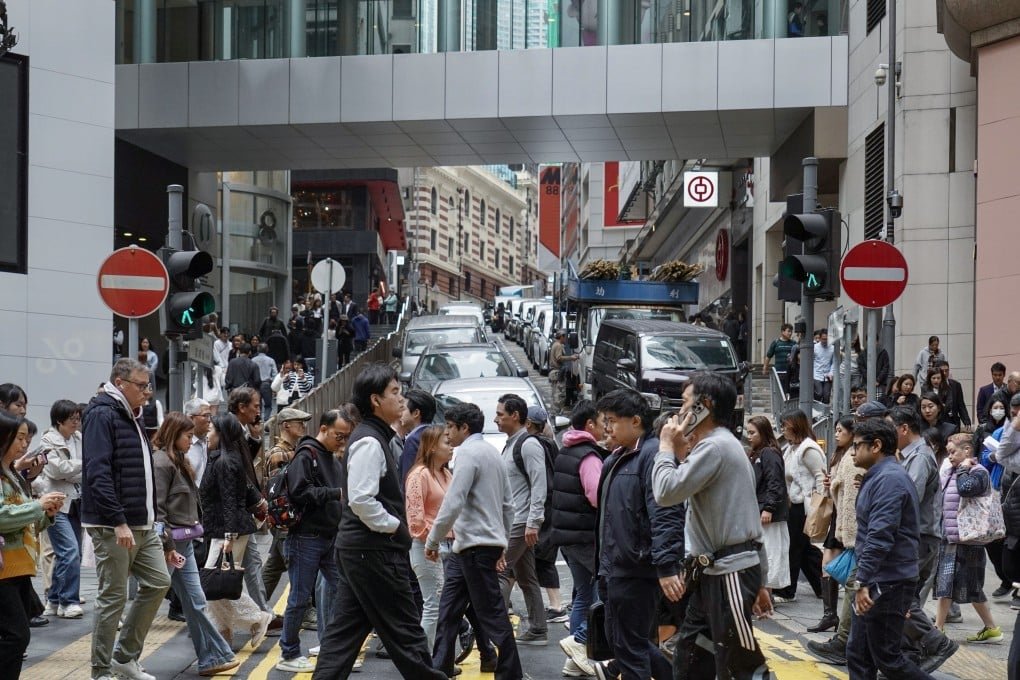
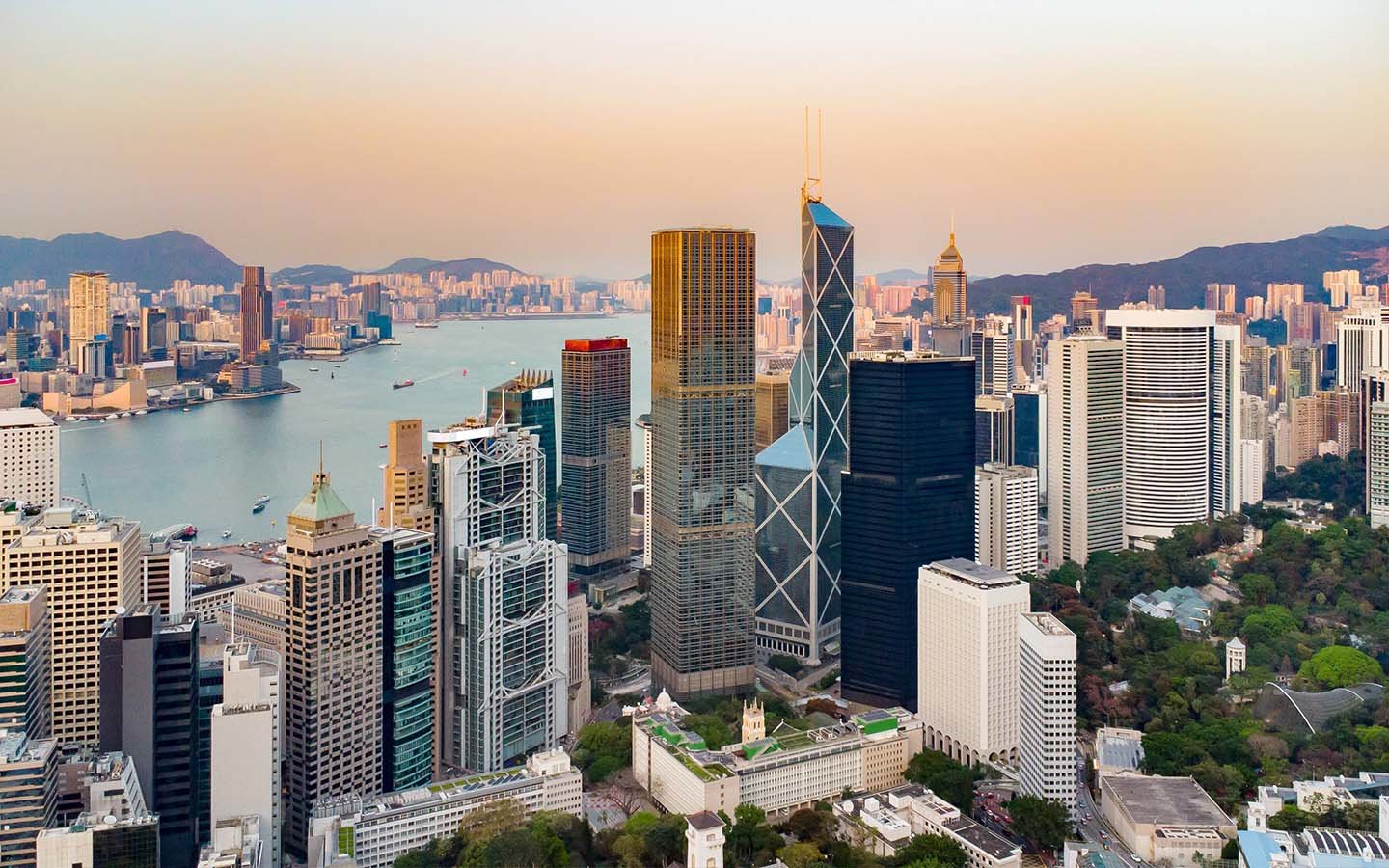
Hong Kong stands at a defining demographic turning point as its population ages rapidly, and the city must reframe longevity not as a fiscal burden but as a major economic opportunity.
With projections indicating that around one-third of residents will be aged over sixty-five by the 2040s, proponents argue that Hong Kong can harness its strengths in finance, regulation and East-West connections to become a global hub for the so-called silver economy, encompassing longevity finance, senior-centred healthcare and age-friendly services.
This reframing could convert demographic change into sustainable growth rather than a social challenge.
Central to the argument is the development of innovative financing models tailored to extended lifespans, including instruments that support lifelong learning, multi-stage careers, flexible pension arrangements and products that span wealth preservation, income generation and long-term care.
Advocates suggest that Hong Kong’s status as a leading international financial centre and its strategic role within the Greater Bay Area uniquely position it to lead in areas such as cross-border health and life insurance solutions, longevity funds and specialised real estate investment trusts focused on ageing populations.
Such initiatives could attract global private capital and enhance the city’s financial ecosystem.
Beyond finance, the city could leverage its advanced healthcare and biotechnology sectors to create a thriving innovation ecosystem for services and technologies designed for older adults.
By tapping into manufacturing capabilities within the Greater Bay Area, Hong Kong could support a growing market for wearable health technologies, assisted living solutions and other senior-centric innovations with strong regional and global demand.
This approach aligns with broader government efforts to develop the silver economy through coordinated policy measures aimed at boosting consumption, fostering the silver industry and enhancing employment participation among older residents.
Opinion writers contend that by embracing longevity finance, investing in healthcare and facilitating public-private partnerships, Hong Kong can turn its ageing demographic trajectory into a distinctive competitive advantage.
Realising this vision, they argue, requires bold policy leadership that integrates economic development with inclusive social planning, positioning the city as a pioneer in responding to one of the defining trends of the twenty-first century.
With projections indicating that around one-third of residents will be aged over sixty-five by the 2040s, proponents argue that Hong Kong can harness its strengths in finance, regulation and East-West connections to become a global hub for the so-called silver economy, encompassing longevity finance, senior-centred healthcare and age-friendly services.
This reframing could convert demographic change into sustainable growth rather than a social challenge.
Central to the argument is the development of innovative financing models tailored to extended lifespans, including instruments that support lifelong learning, multi-stage careers, flexible pension arrangements and products that span wealth preservation, income generation and long-term care.
Advocates suggest that Hong Kong’s status as a leading international financial centre and its strategic role within the Greater Bay Area uniquely position it to lead in areas such as cross-border health and life insurance solutions, longevity funds and specialised real estate investment trusts focused on ageing populations.
Such initiatives could attract global private capital and enhance the city’s financial ecosystem.
Beyond finance, the city could leverage its advanced healthcare and biotechnology sectors to create a thriving innovation ecosystem for services and technologies designed for older adults.
By tapping into manufacturing capabilities within the Greater Bay Area, Hong Kong could support a growing market for wearable health technologies, assisted living solutions and other senior-centric innovations with strong regional and global demand.
This approach aligns with broader government efforts to develop the silver economy through coordinated policy measures aimed at boosting consumption, fostering the silver industry and enhancing employment participation among older residents.
Opinion writers contend that by embracing longevity finance, investing in healthcare and facilitating public-private partnerships, Hong Kong can turn its ageing demographic trajectory into a distinctive competitive advantage.
Realising this vision, they argue, requires bold policy leadership that integrates economic development with inclusive social planning, positioning the city as a pioneer in responding to one of the defining trends of the twenty-first century.