City’s financial authorities advance licensing and supervisory regime for stablecoins even as Chinese regulators step back from crypto ambitions
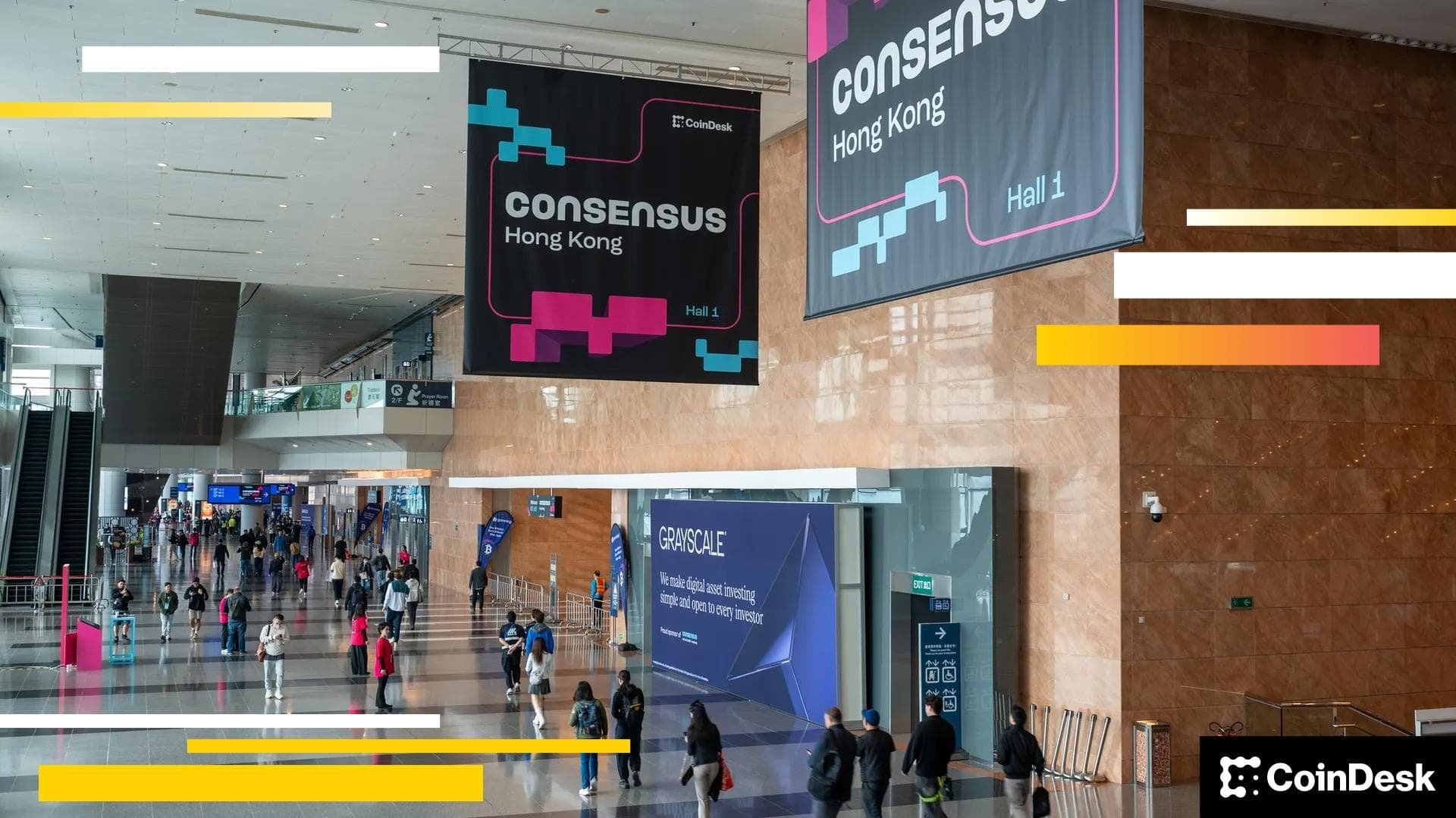
Hong Kong is proceeding with plans to regulate and license stablecoin issuance under a formal legal framework, reaffirming its ambitions to be a major hub for digital finance even as mainland Chinese authorities express reservations about crypto activity and private currency initiatives.
Hong Kong’s Legislative Council passed the Stablecoins Ordinance in May 2025, creating a licensing regime that took effect on August 1 and requires issuers of fiat-referenced stablecoins to obtain approval from the Hong Kong Monetary Authority and meet stringent requirements on reserves, anti-money-laundering and operational standards.
Local authorities have emphasised that stablecoins are to be treated as infrastructure within the regulated financial system rather than speculative assets, with licensing expected to begin in earnest in early 2026 and only a limited number of issuers authorised initially.
The regulatory push has attracted interest from dozens of potential applicants, including fintech startups and consortia combining banking, technology and telecommunications firms, which see issuance of Hong Kong-dollar-pegged tokens as a way to enhance cross-border payments and institutional liquidity.
Development of a robust framework is seen by proponents as necessary to support efficient and compliant digital settlement tools while maintaining oversight aligned with Hong Kong’s status as a global financial centre.
Nevertheless, authorities in Beijing have taken a more reserved stance, urging mainland tech giants and financial groups to scale back their stablecoin ambitions and limit exposure to offshore crypto assets amid concerns about systemic risk and monetary control.
Several large Chinese firms reportedly paused plans for Hong Kong stablecoin projects following guidance from regulators including the People’s Bank of China, underscoring the nuanced relationship between Hong Kong’s financial autonomy and mainland policy priorities.
Despite these reservations, Hong Kong’s approach to stablecoin licensing reflects a strategic effort to balance innovation with financial stability, positioning regulated digital assets as part of broader market infrastructure while navigating regulatory caution on both sides of the border.
Market participants view the city’s measured rollout as an opportunity to build credibility and trust in stablecoins as institutional settlement tools under careful supervision, even as the pace of adoption and the extent of private sector involvement evolve.
Hong Kong’s Legislative Council passed the Stablecoins Ordinance in May 2025, creating a licensing regime that took effect on August 1 and requires issuers of fiat-referenced stablecoins to obtain approval from the Hong Kong Monetary Authority and meet stringent requirements on reserves, anti-money-laundering and operational standards.
Local authorities have emphasised that stablecoins are to be treated as infrastructure within the regulated financial system rather than speculative assets, with licensing expected to begin in earnest in early 2026 and only a limited number of issuers authorised initially.
The regulatory push has attracted interest from dozens of potential applicants, including fintech startups and consortia combining banking, technology and telecommunications firms, which see issuance of Hong Kong-dollar-pegged tokens as a way to enhance cross-border payments and institutional liquidity.
Development of a robust framework is seen by proponents as necessary to support efficient and compliant digital settlement tools while maintaining oversight aligned with Hong Kong’s status as a global financial centre.
Nevertheless, authorities in Beijing have taken a more reserved stance, urging mainland tech giants and financial groups to scale back their stablecoin ambitions and limit exposure to offshore crypto assets amid concerns about systemic risk and monetary control.
Several large Chinese firms reportedly paused plans for Hong Kong stablecoin projects following guidance from regulators including the People’s Bank of China, underscoring the nuanced relationship between Hong Kong’s financial autonomy and mainland policy priorities.
Despite these reservations, Hong Kong’s approach to stablecoin licensing reflects a strategic effort to balance innovation with financial stability, positioning regulated digital assets as part of broader market infrastructure while navigating regulatory caution on both sides of the border.
Market participants view the city’s measured rollout as an opportunity to build credibility and trust in stablecoins as institutional settlement tools under careful supervision, even as the pace of adoption and the extent of private sector involvement evolve.