Chief Executive says regional authorities will sustain growth of crypto and tokenisation ecosystem amid expanding regulatory and institutional initiatives
Hong Kong’s government has reiterated its commitment to supporting the growth of the local digital asset community, with the city’s leadership emphasising ongoing efforts to expand licensing, regulatory clarity, and institutional participation in the sector.
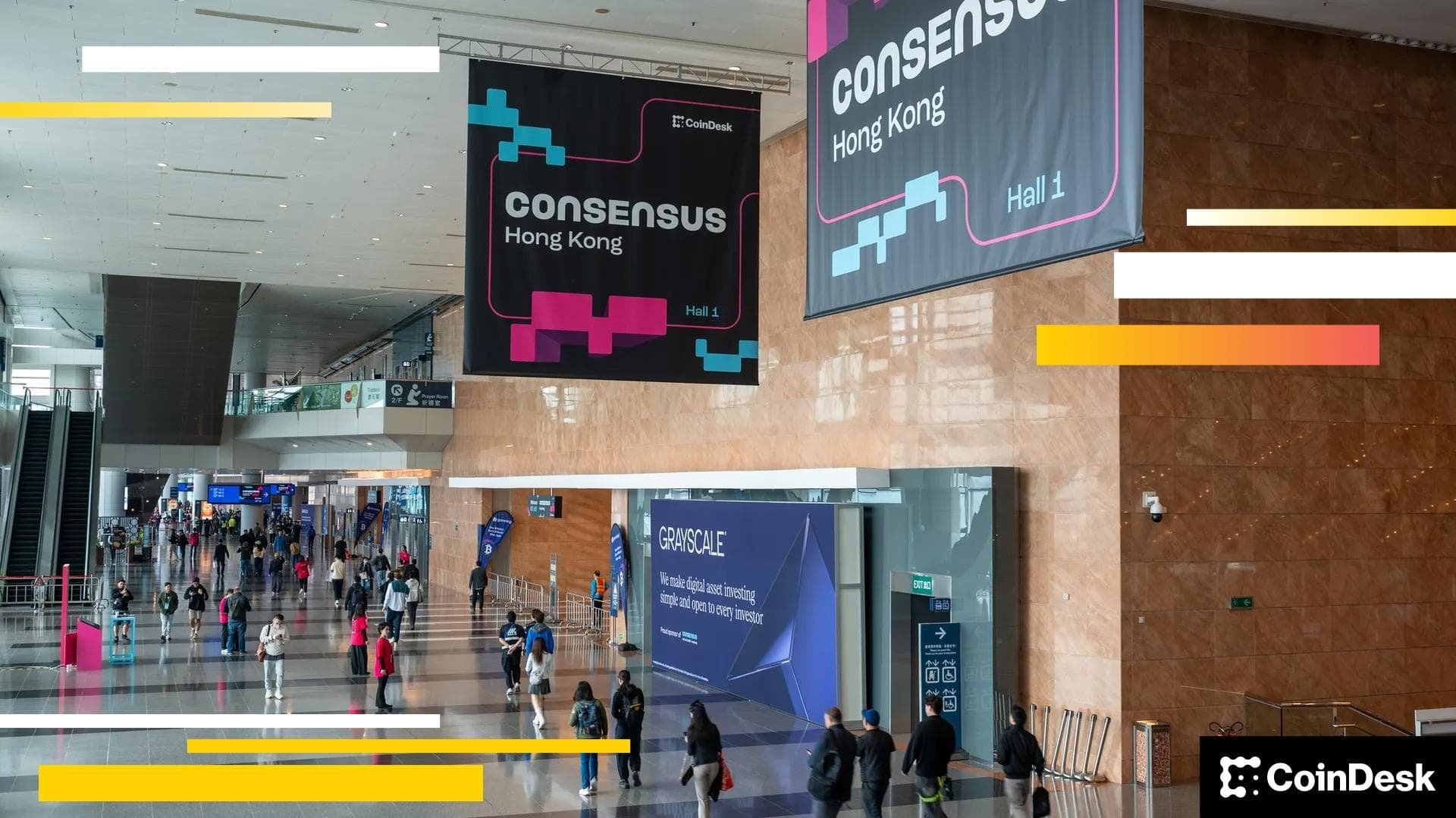
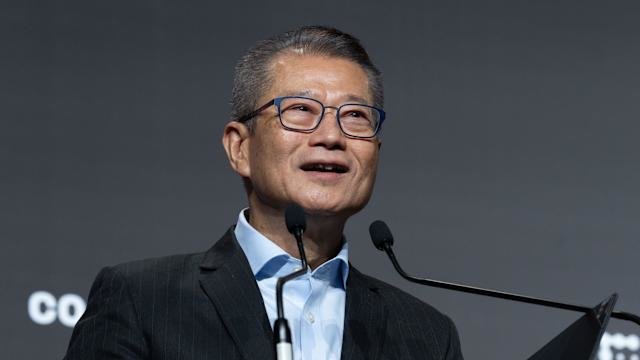
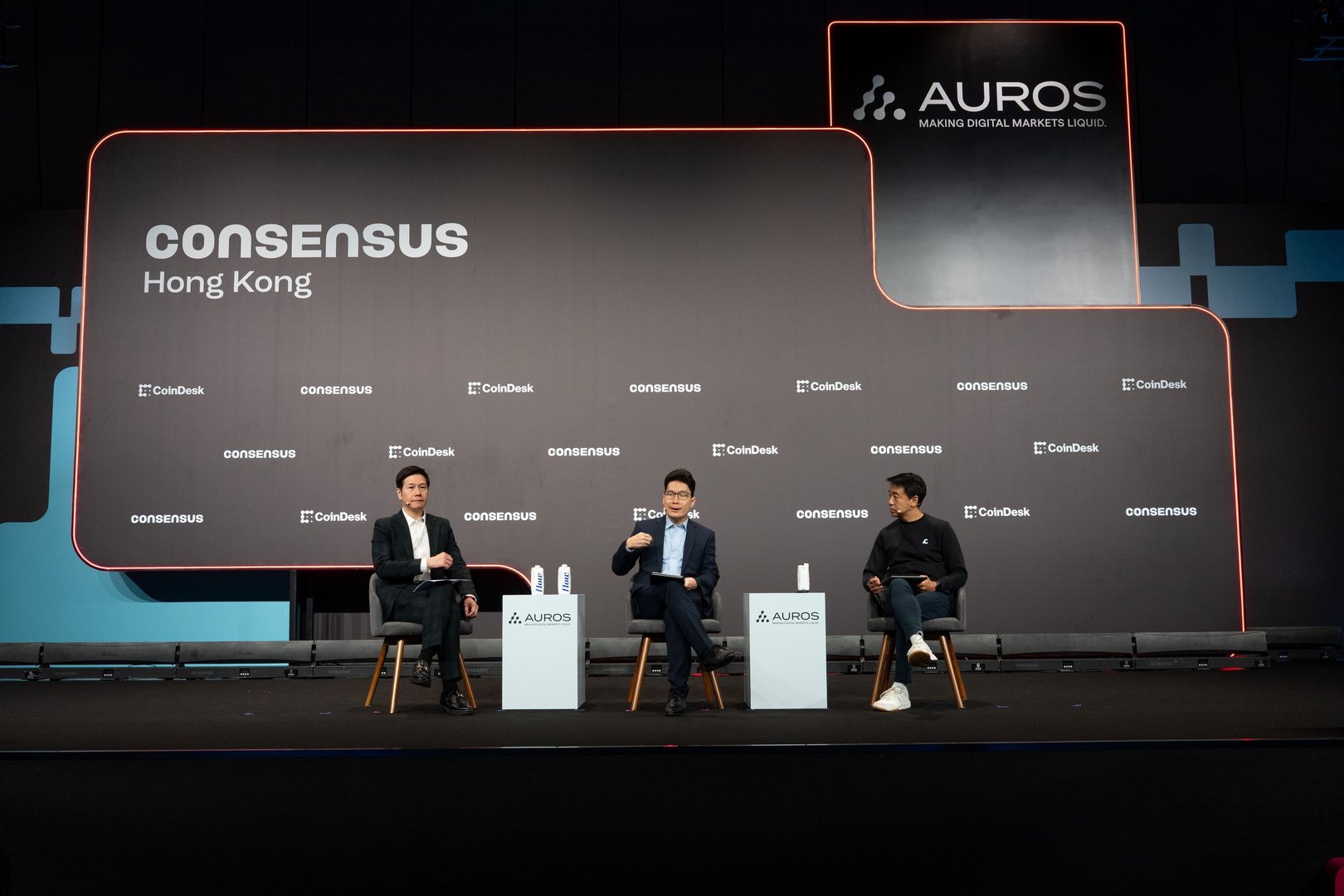
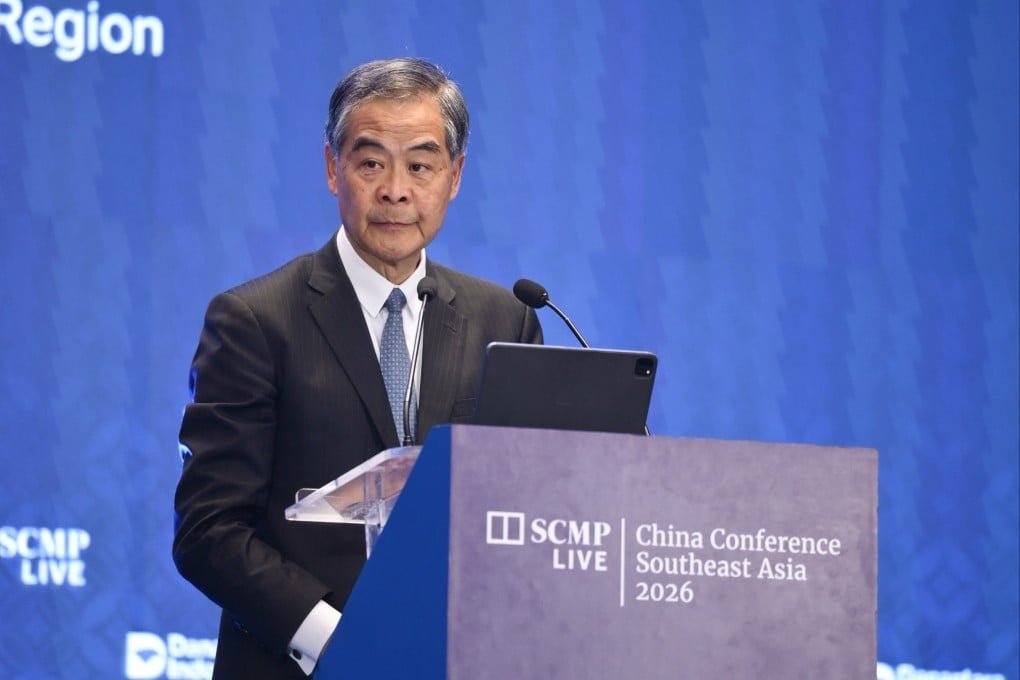
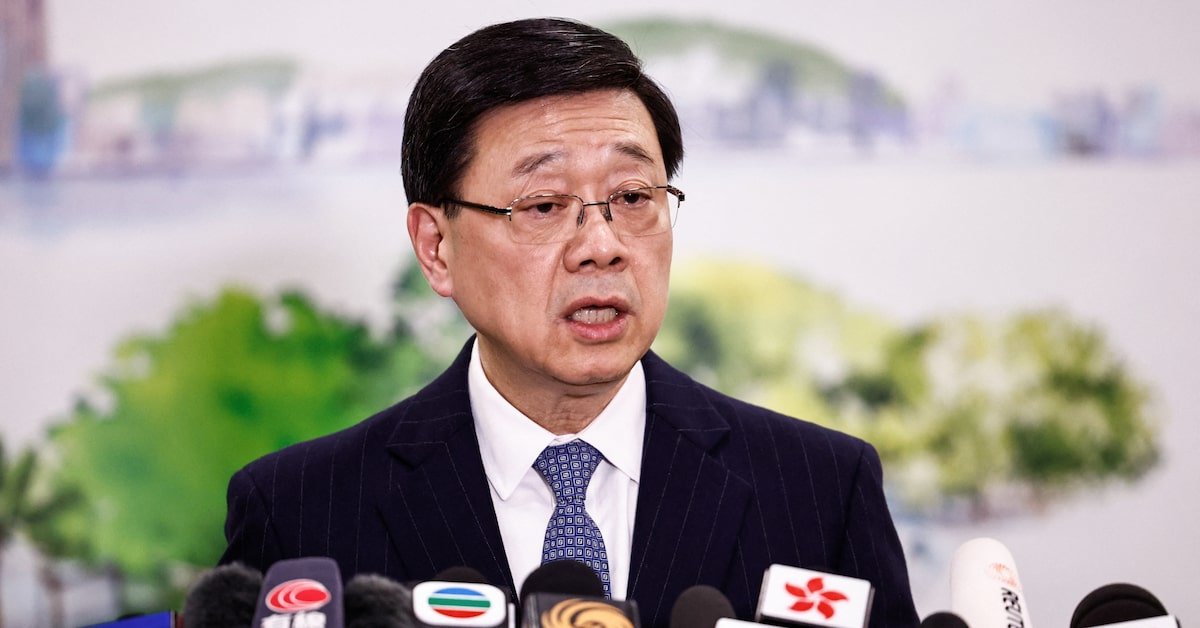
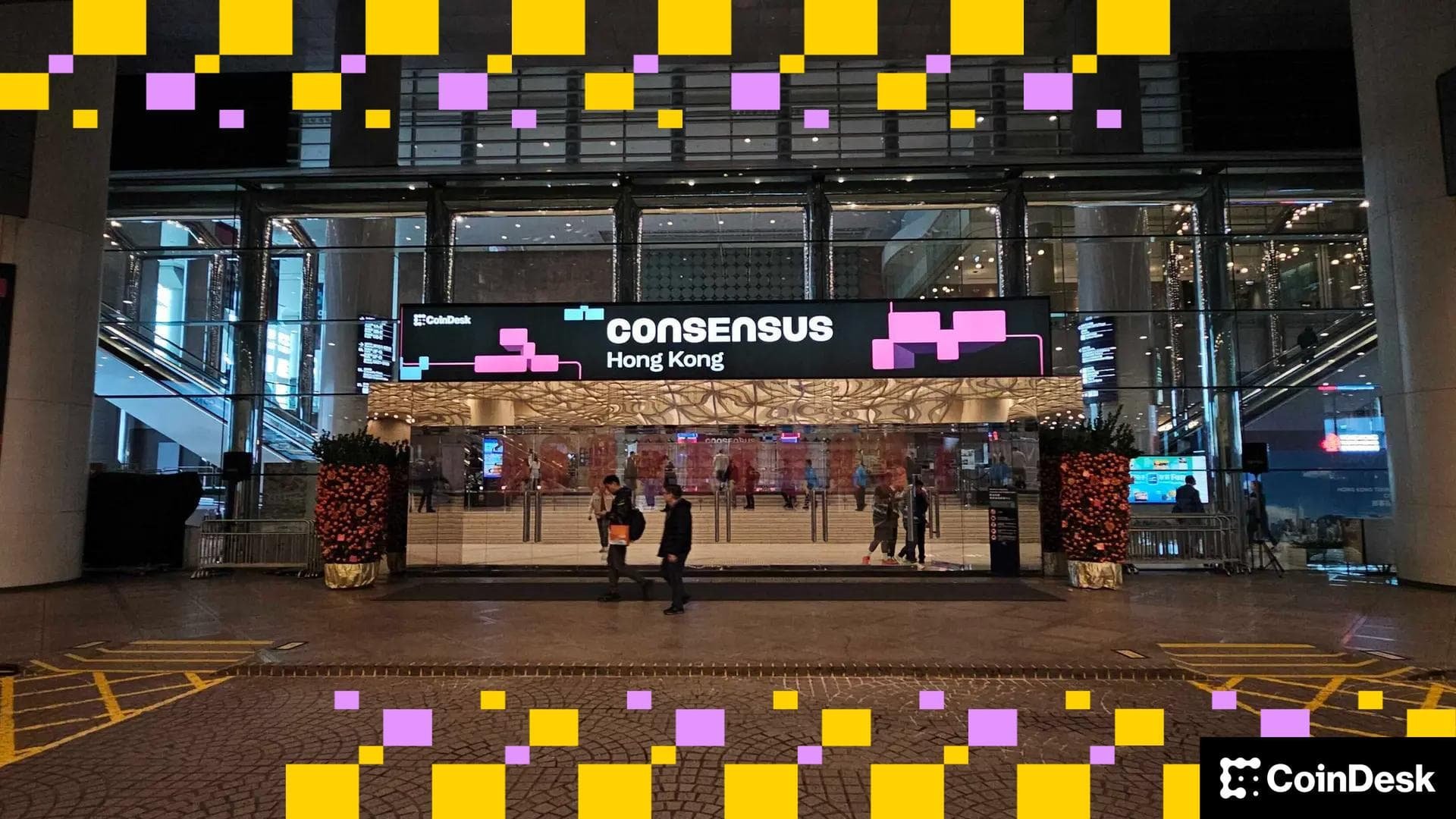
During remarks at a major industry gathering in early 2026, Chief Executive John Lee reaffirmed that Hong Kong will continue to back development of virtual asset markets and related innovation, even as authorities refine the broader legal and supervisory framework.
Hong Kong’s digital finance agenda has gathered momentum in recent years with the enactment of a stablecoin licensing regime, which is expected to deliver its first licences in the first quarter of 2026, laying the groundwork for formally regulated fiat-referenced tokens.
Officials have also signalled progress on licensing for virtual asset trading platforms and are extending oversight to dealers and custodians, building a comprehensive rulebook for the evolving market.
This structured approach aims to balance innovation, investor protection and financial stability while nurturing a competitive industry environment.
The city’s regulators and financial sector leaders have underscored strong engagement from both local and international firms, pointing to significant increases in digital asset-related transactions and the participation of hundreds of banking and asset management institutions in tokenised products and services.
Hong Kong’s platform also supports development of real-world asset tokenisation, improved cross-border payments and expanded fintech talent initiatives, positioning the city to capitalise on growing demand for blockchain-enabled financial services.
Despite Beijing’s more cautious signals toward offshore crypto exposure for mainland firms, Hong Kong’s officials continue to promote a reasoned strategy that attracts firms seeking a regulated environment.
The combination of clear regulatory pathways, targeted licensing regimes and ongoing policy support reflects the city’s determination to sustain local digital asset community growth and reinforce its status as a leading global hub for digital finance.
During remarks at a major industry gathering in early 2026, Chief Executive John Lee reaffirmed that Hong Kong will continue to back development of virtual asset markets and related innovation, even as authorities refine the broader legal and supervisory framework.
Hong Kong’s digital finance agenda has gathered momentum in recent years with the enactment of a stablecoin licensing regime, which is expected to deliver its first licences in the first quarter of 2026, laying the groundwork for formally regulated fiat-referenced tokens.
Officials have also signalled progress on licensing for virtual asset trading platforms and are extending oversight to dealers and custodians, building a comprehensive rulebook for the evolving market.
This structured approach aims to balance innovation, investor protection and financial stability while nurturing a competitive industry environment.
The city’s regulators and financial sector leaders have underscored strong engagement from both local and international firms, pointing to significant increases in digital asset-related transactions and the participation of hundreds of banking and asset management institutions in tokenised products and services.
Hong Kong’s platform also supports development of real-world asset tokenisation, improved cross-border payments and expanded fintech talent initiatives, positioning the city to capitalise on growing demand for blockchain-enabled financial services.
Despite Beijing’s more cautious signals toward offshore crypto exposure for mainland firms, Hong Kong’s officials continue to promote a reasoned strategy that attracts firms seeking a regulated environment.
The combination of clear regulatory pathways, targeted licensing regimes and ongoing policy support reflects the city’s determination to sustain local digital asset community growth and reinforce its status as a leading global hub for digital finance.