Regional leaders focus on digitalisation, data-driven enforcement and technology as key tools for modernising trade management across Asia-Pacific.
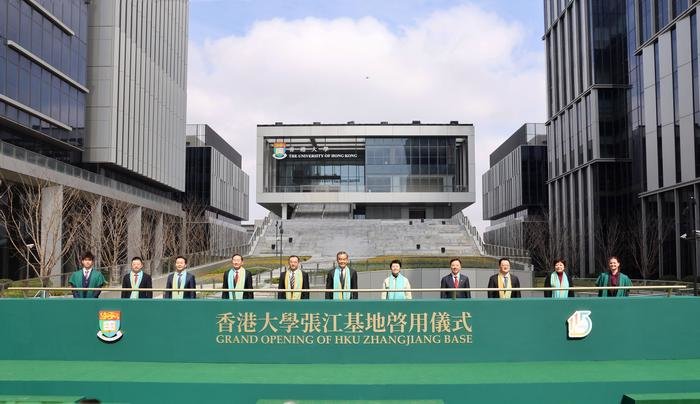
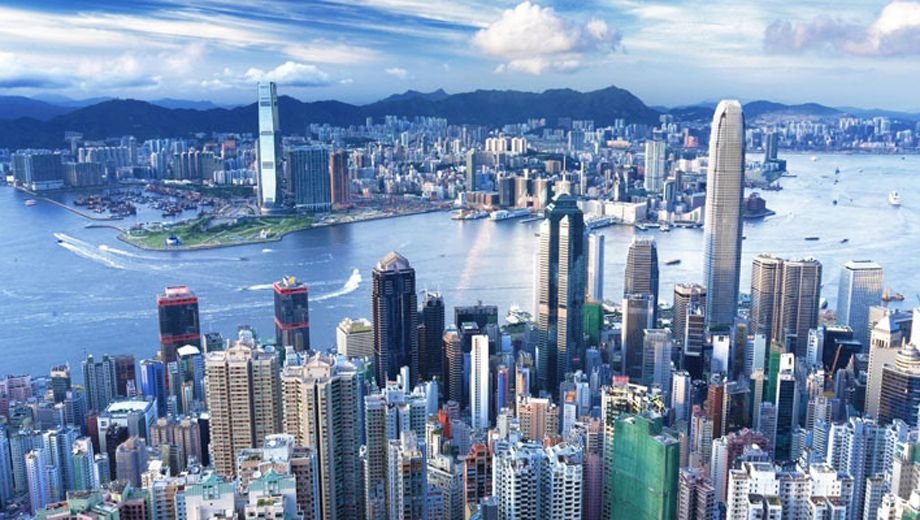
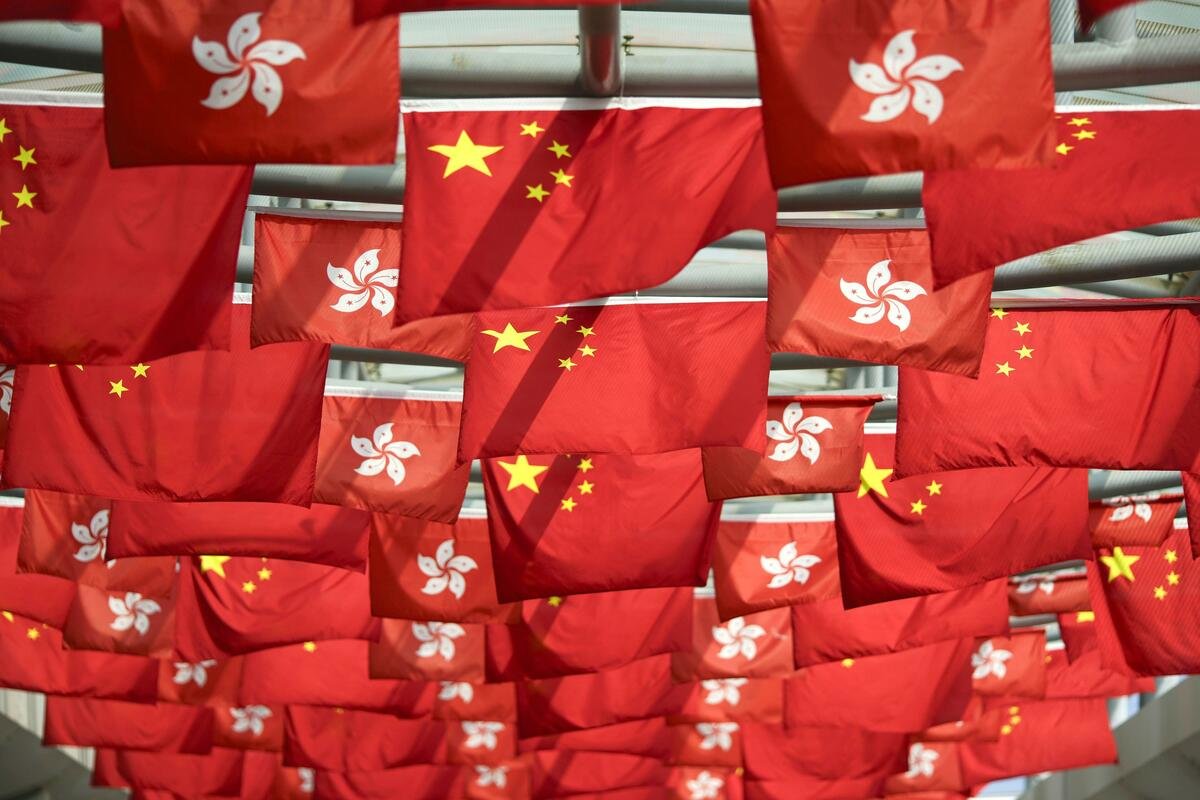
Customs leaders from across the Asia-Pacific region gathered in Hong Kong for a major conference organised under the framework of the World Customs Organization, placing the transition to “smart customs” at the centre of discussions on the future of global trade management.
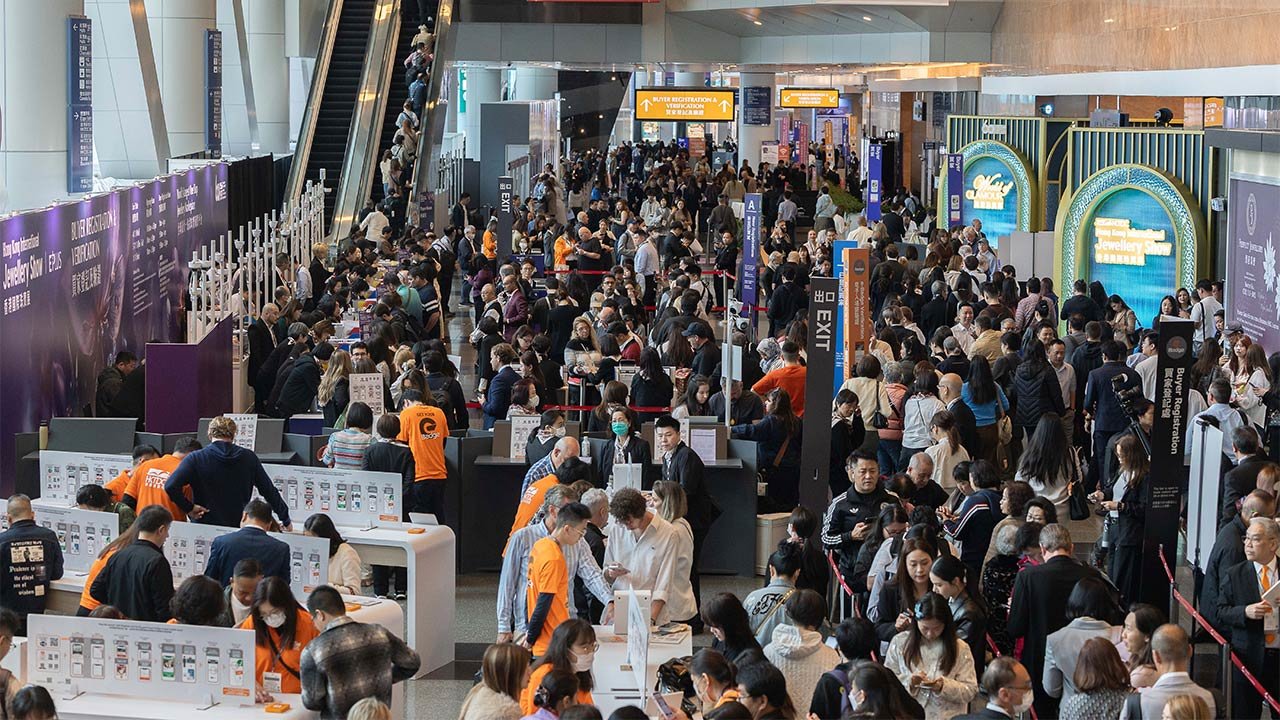
The meeting brought together more than one hundred heads of customs administrations and senior officials from across the region, alongside representatives of international organisations, to examine how digital technologies and data-driven systems can strengthen border management while facilitating legitimate trade.
The conference is considered the highest-level annual gathering of customs authorities in the Asia-Pacific region.
Officials said the concept of “smart customs” reflects a broader shift toward technology-enabled border governance, integrating tools such as artificial intelligence, advanced data analytics, blockchain verification and automated inspection systems to improve efficiency and security in global supply chains.
Participants exchanged experiences and explored strategies to accelerate the adoption of these technologies across regional customs administrations.
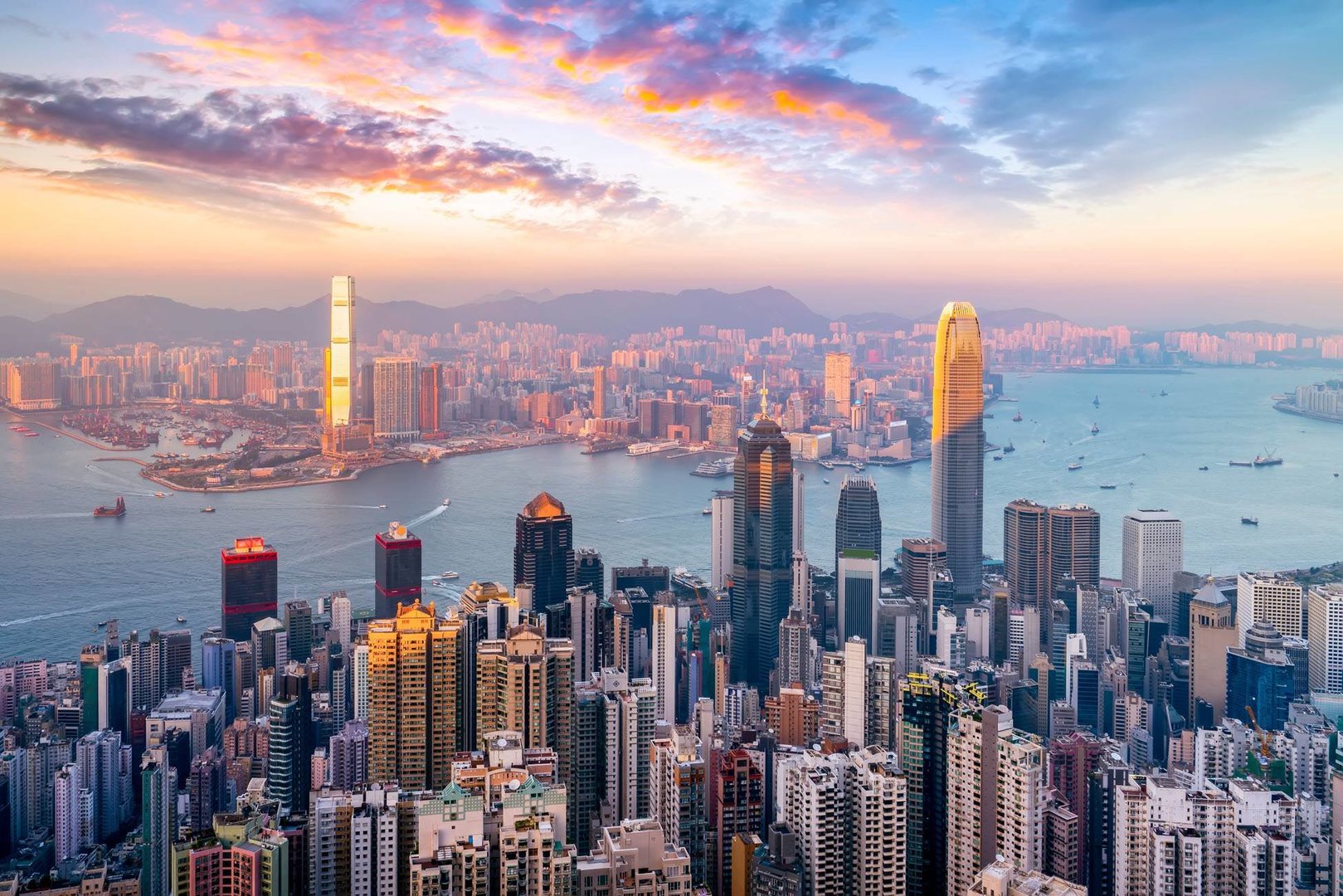
Hong Kong Customs, which currently serves as the World Customs Organization’s vice-chair for the Asia-Pacific region for the 2024-2026 term, hosted the conference and played a leading role in shaping its agenda.
Senior officials emphasised that the gathering provided a platform for customs authorities to coordinate policies, share expertise and strengthen cooperation in addressing emerging challenges in international trade.
During the discussions, delegates reviewed initiatives aimed at simplifying trade procedures and enhancing cross-border logistics through digital platforms.
Among the concepts highlighted were blockchain-based systems designed to validate shipping documents and improve transparency across supply chains, as well as broader efforts to integrate digital infrastructure across customs authorities in the region.
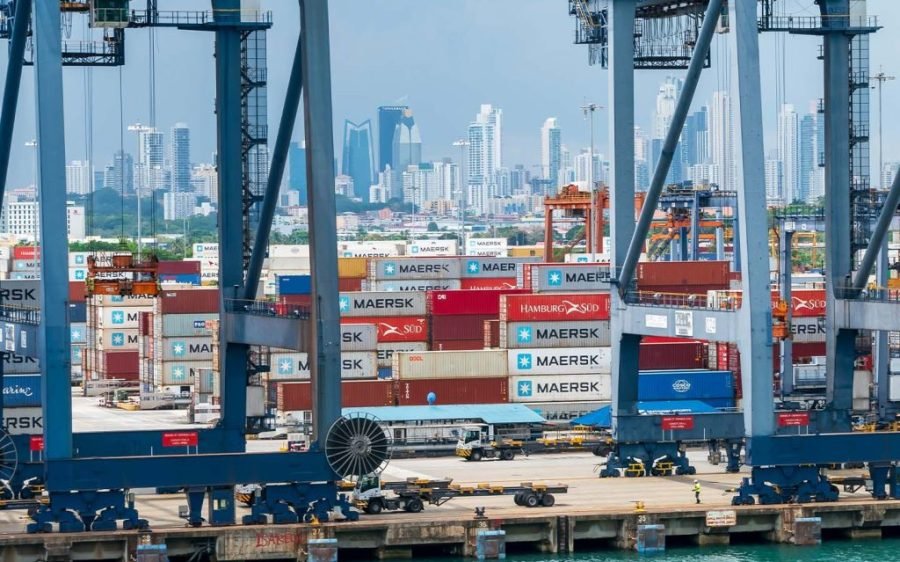
The shift toward technology-driven customs systems is being driven by the rapid expansion of e-commerce, increasingly complex global supply networks and the need to balance trade facilitation with effective enforcement against smuggling, fraud and illicit goods.
Modern customs strategies increasingly rely on integrated digital platforms and coordinated data sharing among agencies to manage growing trade volumes.
Officials at the conference stressed that closer regional collaboration would be essential to ensure that digital customs initiatives are interoperable across borders.
Greater coordination, they said, would help reduce administrative burdens for traders while improving the ability of authorities to detect risks in international shipments.
The World Customs Organization, an intergovernmental body representing more than one hundred eighty customs administrations worldwide, has been promoting digitalisation and modernisation of customs systems as part of broader efforts to support secure and efficient global trade.
Participants concluded that the continued development of “smart customs” frameworks will play a crucial role in strengthening supply-chain resilience and enabling faster, more transparent trade flows across the Asia-Pacific region.
The meeting brought together more than one hundred heads of customs administrations and senior officials from across the region, alongside representatives of international organisations, to examine how digital technologies and data-driven systems can strengthen border management while facilitating legitimate trade.
The conference is considered the highest-level annual gathering of customs authorities in the Asia-Pacific region.
Officials said the concept of “smart customs” reflects a broader shift toward technology-enabled border governance, integrating tools such as artificial intelligence, advanced data analytics, blockchain verification and automated inspection systems to improve efficiency and security in global supply chains.
Participants exchanged experiences and explored strategies to accelerate the adoption of these technologies across regional customs administrations.
Hong Kong Customs, which currently serves as the World Customs Organization’s vice-chair for the Asia-Pacific region for the 2024-2026 term, hosted the conference and played a leading role in shaping its agenda.
Senior officials emphasised that the gathering provided a platform for customs authorities to coordinate policies, share expertise and strengthen cooperation in addressing emerging challenges in international trade.
During the discussions, delegates reviewed initiatives aimed at simplifying trade procedures and enhancing cross-border logistics through digital platforms.
Among the concepts highlighted were blockchain-based systems designed to validate shipping documents and improve transparency across supply chains, as well as broader efforts to integrate digital infrastructure across customs authorities in the region.
The shift toward technology-driven customs systems is being driven by the rapid expansion of e-commerce, increasingly complex global supply networks and the need to balance trade facilitation with effective enforcement against smuggling, fraud and illicit goods.
Modern customs strategies increasingly rely on integrated digital platforms and coordinated data sharing among agencies to manage growing trade volumes.
Officials at the conference stressed that closer regional collaboration would be essential to ensure that digital customs initiatives are interoperable across borders.
Greater coordination, they said, would help reduce administrative burdens for traders while improving the ability of authorities to detect risks in international shipments.
The World Customs Organization, an intergovernmental body representing more than one hundred eighty customs administrations worldwide, has been promoting digitalisation and modernisation of customs systems as part of broader efforts to support secure and efficient global trade.
Participants concluded that the continued development of “smart customs” frameworks will play a crucial role in strengthening supply-chain resilience and enabling faster, more transparent trade flows across the Asia-Pacific region.