Investment bank boosts temporary hiring in Asia’s financial hub to handle rising capital-markets activity and a wave of new listings.
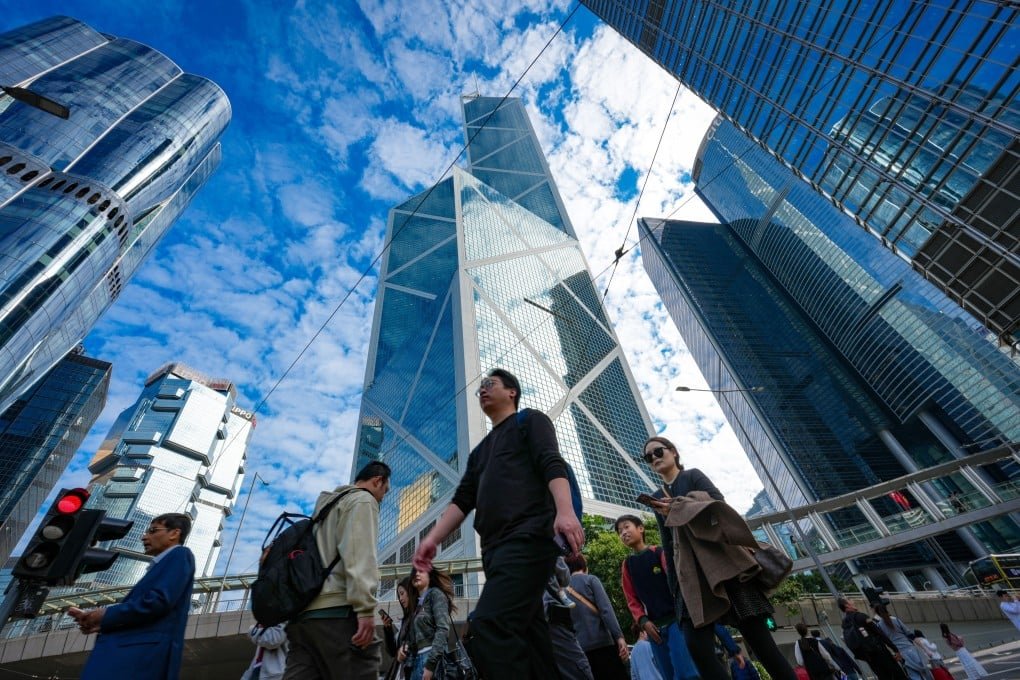
Morgan Stanley has begun hiring contract staff in Hong Kong to manage a sharp increase in dealmaking activity, as the city’s capital markets experience a powerful rebound after several subdued years.
People familiar with the matter said the Wall Street bank has brought in temporary personnel to support teams working on equity capital markets transactions, advisory mandates and other deal-related operations.
The additional staff are intended to help existing teams cope with the sudden surge in workload as new listings and share sales accelerate across the region.
The hiring reflects a broader revival in Hong Kong’s financial markets, where investment banking activity has gathered momentum amid a strong pipeline of corporate fundraising.
Companies from mainland China and across Asia are increasingly turning to the city to raise capital through initial public offerings and follow-on share sales.
Market data indicates that equity capital market activity in Hong Kong has risen sharply over the past year, with total issuance reaching tens of billions of dollars as global investors return to the market.
Major international banks have taken leading roles in underwriting many of the largest transactions, reinforcing Hong Kong’s status as a central gateway for Asian capital flows.
Executives at Morgan Stanley have previously indicated that the pipeline of potential listings in Hong Kong is unusually strong.
Dozens of companies are preparing public offerings, and several hundred additional firms are exploring fundraising opportunities in the market, suggesting sustained deal flow in the months ahead.
The use of contract employees allows banks to scale up operations quickly during periods of intense market activity without committing to long-term permanent hiring.
Temporary staff are often deployed in roles supporting deal execution, regulatory documentation, compliance reviews and operational coordination for large transactions.
Investment banks across the region have been adjusting staffing levels as the pace of deals fluctuates with market conditions.
When capital markets revive after a downturn, banks frequently rely on short-term hiring to manage the workload generated by multiple transactions running simultaneously.
Hong Kong’s renewed dealmaking momentum has also underscored the city’s continuing role as a bridge between mainland Chinese companies and international investors.
For global banks such as Morgan Stanley, the resurgence in activity represents both a commercial opportunity and a sign that Asia’s largest financial hub remains central to regional capital raising.
People familiar with the matter said the Wall Street bank has brought in temporary personnel to support teams working on equity capital markets transactions, advisory mandates and other deal-related operations.
The additional staff are intended to help existing teams cope with the sudden surge in workload as new listings and share sales accelerate across the region.
The hiring reflects a broader revival in Hong Kong’s financial markets, where investment banking activity has gathered momentum amid a strong pipeline of corporate fundraising.
Companies from mainland China and across Asia are increasingly turning to the city to raise capital through initial public offerings and follow-on share sales.
Market data indicates that equity capital market activity in Hong Kong has risen sharply over the past year, with total issuance reaching tens of billions of dollars as global investors return to the market.
Major international banks have taken leading roles in underwriting many of the largest transactions, reinforcing Hong Kong’s status as a central gateway for Asian capital flows.
Executives at Morgan Stanley have previously indicated that the pipeline of potential listings in Hong Kong is unusually strong.
Dozens of companies are preparing public offerings, and several hundred additional firms are exploring fundraising opportunities in the market, suggesting sustained deal flow in the months ahead.
The use of contract employees allows banks to scale up operations quickly during periods of intense market activity without committing to long-term permanent hiring.
Temporary staff are often deployed in roles supporting deal execution, regulatory documentation, compliance reviews and operational coordination for large transactions.
Investment banks across the region have been adjusting staffing levels as the pace of deals fluctuates with market conditions.
When capital markets revive after a downturn, banks frequently rely on short-term hiring to manage the workload generated by multiple transactions running simultaneously.
Hong Kong’s renewed dealmaking momentum has also underscored the city’s continuing role as a bridge between mainland Chinese companies and international investors.
For global banks such as Morgan Stanley, the resurgence in activity represents both a commercial opportunity and a sign that Asia’s largest financial hub remains central to regional capital raising.