Officials and scholars debate how the city could implement Beijing’s ethnic unity framework while operating under the “one country, two systems” model.
Hong Kong is examining how it might adapt policies to align with mainland China’s emerging ethnic unity promotion law, a measure designed to strengthen a shared national identity among the country’s diverse ethnic groups.
The legislation in mainland China aims to promote a stronger sense of belonging to what authorities describe as the “community of the Chinese nation,” encouraging cultural exchange, education and social integration among different ethnic groups across the country.
The law is part of a broader national strategy emphasizing unity, equality and mutual understanding among China’s officially recognised ethnic communities.
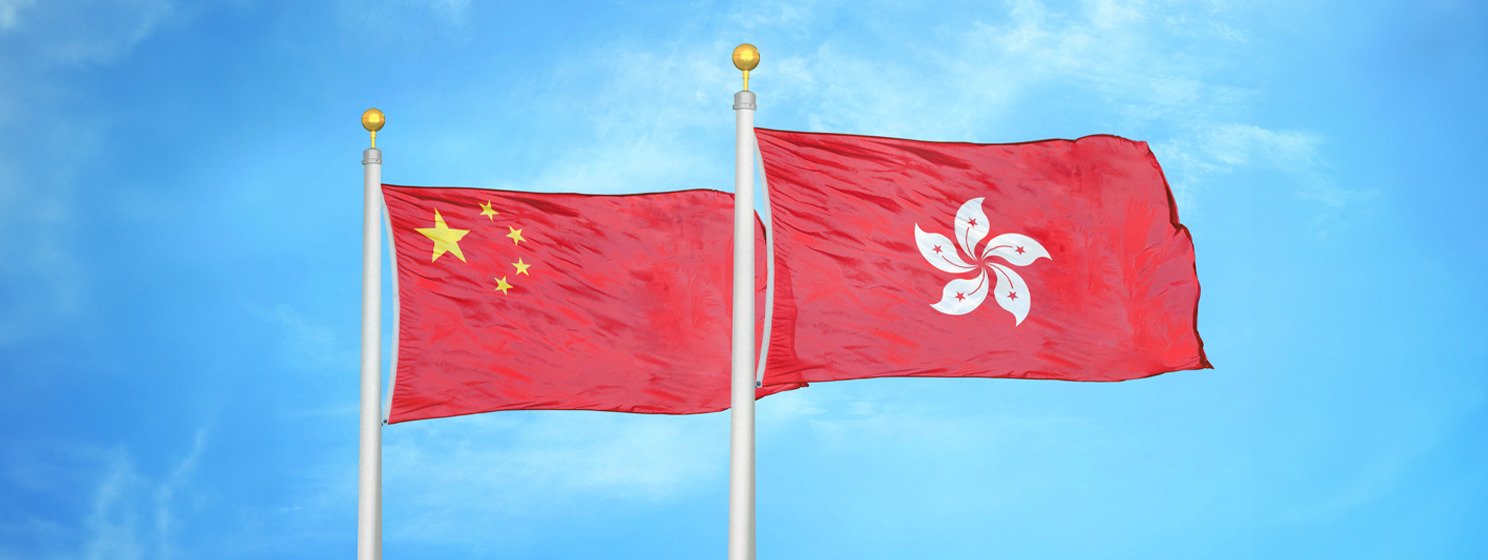
Hong Kong, as a Special Administrative Region, operates under the constitutional framework of “one country, two systems,” which allows it to maintain a legal system and governance model distinct from mainland China.
Under this arrangement, national laws generally do not automatically apply in the city unless they are incorporated into Hong Kong’s own legal framework.
The region’s Basic Law guarantees a degree of autonomy and preserves its common-law legal structure and separate administrative system.
Officials and policy experts in Hong Kong have therefore been discussing how the objectives of the mainland’s ethnic unity initiative might be reflected locally through education, cultural programmes and public policy rather than through the direct adoption of the same legislation.
Hong Kong’s social composition presents a unique context for such discussions.
Although the majority of residents are ethnic Chinese, the city also has longstanding communities of South Asian, Southeast Asian and other international residents.
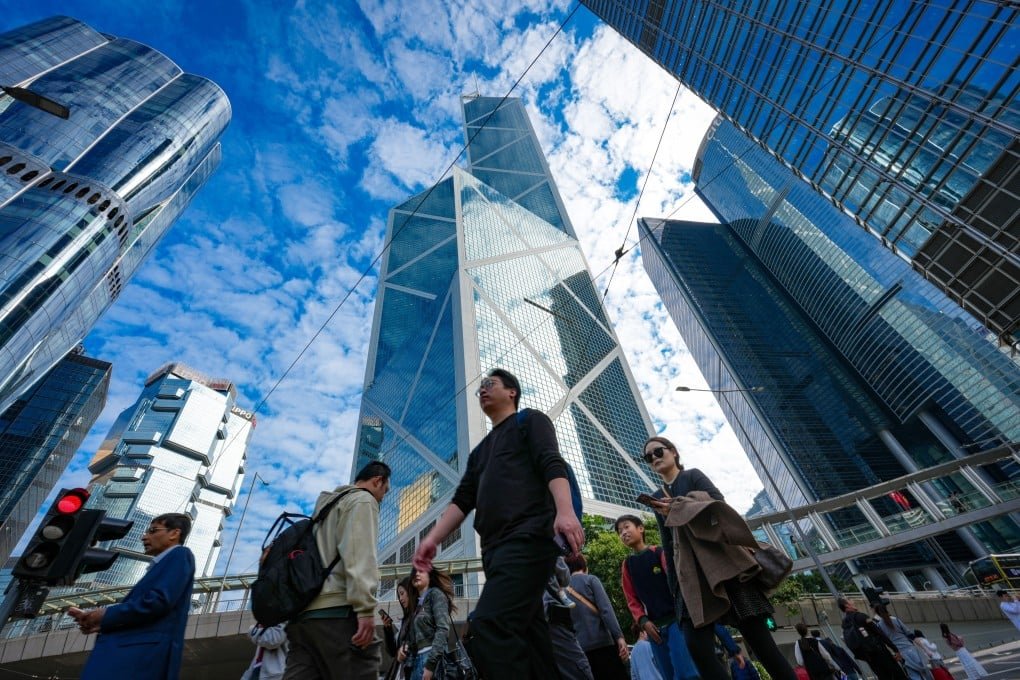
These groups form a visible minority population within the territory and contribute to its reputation as a multicultural global financial centre.
Scholars say that any local approach would likely emphasize promoting mutual understanding among communities while reinforcing national identity through schools, public outreach programmes and civic education.
Similar approaches have previously been used in other national initiatives that encourage public awareness of Chinese culture and history.
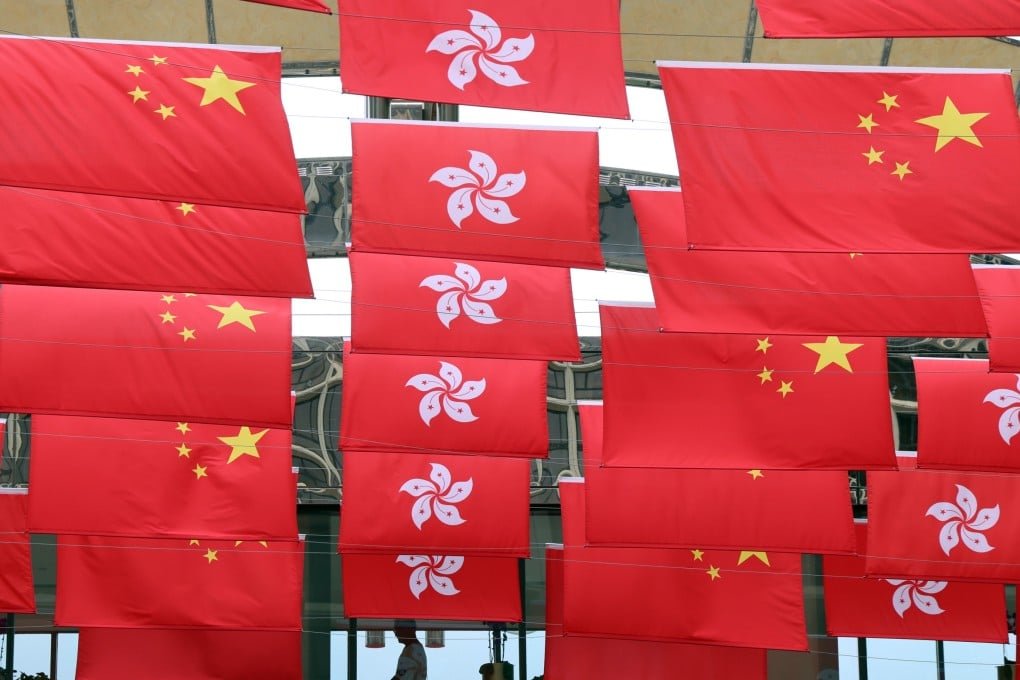
Hong Kong authorities have increasingly aligned certain policies with broader national frameworks in recent years, including legislation related to national symbols and security.
For example, the city enacted a law protecting the Chinese national anthem and later introduced additional security legislation under Article 23 of its Basic Law, reflecting a broader trend of institutional alignment between the city and the mainland.
Policy analysts note that the implementation of ethnic unity principles in Hong Kong is likely to take place through administrative guidance, education initiatives and community programmes rather than direct legislative replication.
The process illustrates how the city continues to navigate the balance between maintaining its distinctive system and participating in nationwide policy priorities.
The legislation in mainland China aims to promote a stronger sense of belonging to what authorities describe as the “community of the Chinese nation,” encouraging cultural exchange, education and social integration among different ethnic groups across the country.
The law is part of a broader national strategy emphasizing unity, equality and mutual understanding among China’s officially recognised ethnic communities.
Hong Kong, as a Special Administrative Region, operates under the constitutional framework of “one country, two systems,” which allows it to maintain a legal system and governance model distinct from mainland China.
Under this arrangement, national laws generally do not automatically apply in the city unless they are incorporated into Hong Kong’s own legal framework.
The region’s Basic Law guarantees a degree of autonomy and preserves its common-law legal structure and separate administrative system.
Officials and policy experts in Hong Kong have therefore been discussing how the objectives of the mainland’s ethnic unity initiative might be reflected locally through education, cultural programmes and public policy rather than through the direct adoption of the same legislation.
Hong Kong’s social composition presents a unique context for such discussions.
Although the majority of residents are ethnic Chinese, the city also has longstanding communities of South Asian, Southeast Asian and other international residents.
These groups form a visible minority population within the territory and contribute to its reputation as a multicultural global financial centre.
Scholars say that any local approach would likely emphasize promoting mutual understanding among communities while reinforcing national identity through schools, public outreach programmes and civic education.
Similar approaches have previously been used in other national initiatives that encourage public awareness of Chinese culture and history.
Hong Kong authorities have increasingly aligned certain policies with broader national frameworks in recent years, including legislation related to national symbols and security.
For example, the city enacted a law protecting the Chinese national anthem and later introduced additional security legislation under Article 23 of its Basic Law, reflecting a broader trend of institutional alignment between the city and the mainland.
Policy analysts note that the implementation of ethnic unity principles in Hong Kong is likely to take place through administrative guidance, education initiatives and community programmes rather than direct legislative replication.
The process illustrates how the city continues to navigate the balance between maintaining its distinctive system and participating in nationwide policy priorities.