Case raises urgent concerns over cross-border repercussions for international students engaged in political activism abroad
A Chinese international student who took part in pro-democracy demonstrations in Australia has reportedly been sentenced to six years in prison after returning to China, prompting renewed scrutiny of the risks faced by politically active students overseas.
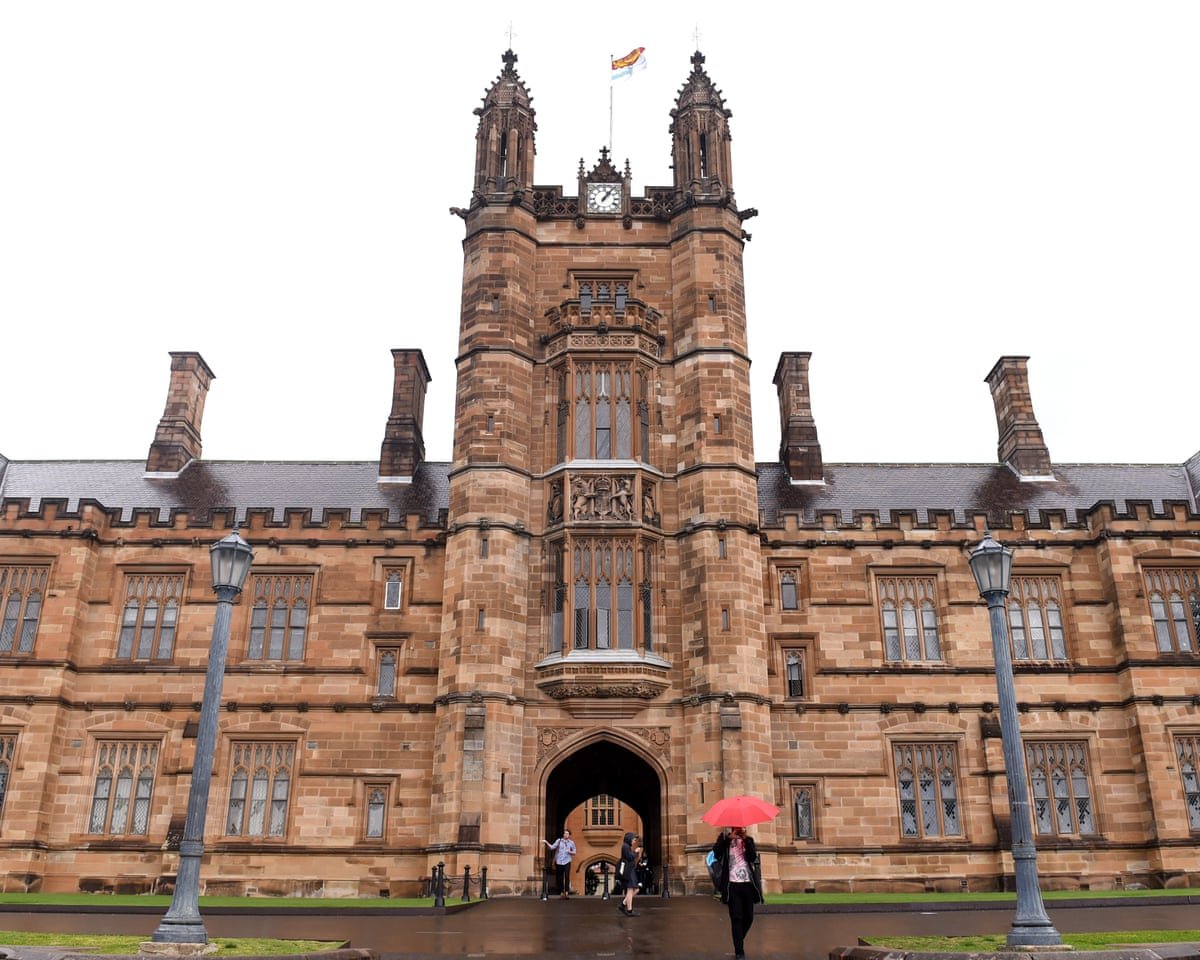
The individual, who studied in Sydney and had intended to remain in Australia following graduation, lost contact with friends and prospective employers shortly after returning to China in December 2024. By early 2025, communication had ceased entirely, raising alarm among those who knew him.
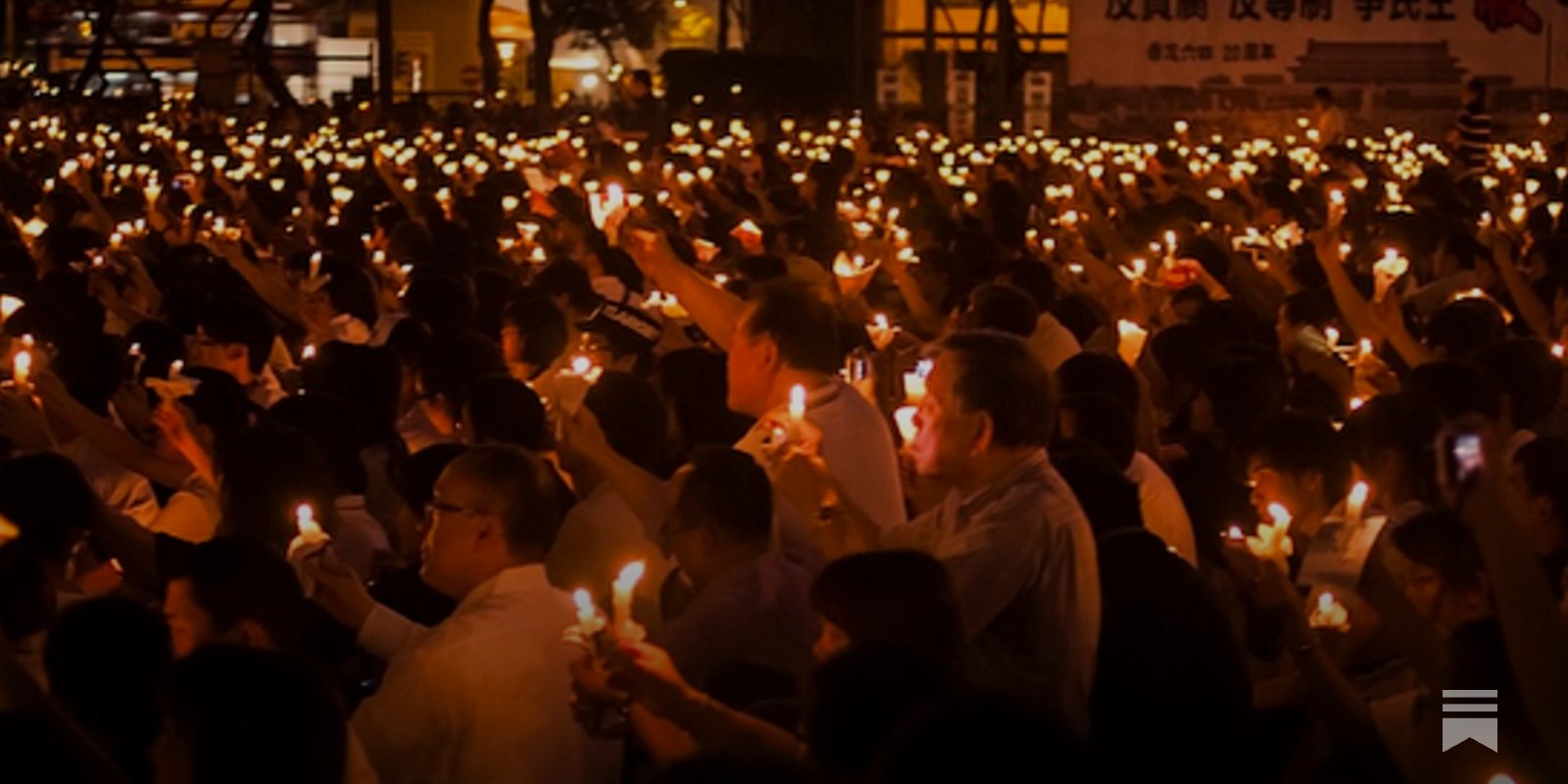
According to a representative of his family, the student was subsequently detained and charged with secession, linked to his participation in rallies in Sydney that expressed solidarity with China’s ethnic minority groups.
The same source indicated that the family has not received official documentation of the court’s judgment following the trial.
The case is understood to have unfolded in the period leading up to the introduction of new legislation in China concerning ethnic unity, a measure that has drawn attention for its potential implications on cultural and linguistic expression among minority communities.
Individuals familiar with the protests in Australia confirmed the student’s presence at several events critical of Chinese government policies.
The university where he had been enrolled declined to comment on the situation, citing privacy obligations.
Australian authorities have also refrained from addressing the specific case publicly, although broader statements have emphasized opposition to foreign interference and the importance of safeguarding individuals within Australia’s jurisdiction.
Human rights observers suggest the incident may reflect a wider pattern in which Chinese nationals who engage in political expression abroad face repercussions upon returning home.
Particular attention has focused on a generation of students who became politically active following the wave of demonstrations in China in 2022, when young people staged rare public protests against pandemic restrictions.
Advocates argue that existing frameworks in host countries, including Australia, are primarily designed to address research security and foreign interference, rather than the personal safety of students who may later return to more restrictive environments.
This gap, they say, leaves politically engaged international students vulnerable to consequences beyond the reach of the institutions where they studied.
The case has intensified calls for governments and universities to reassess their responsibilities toward international students, particularly those who participate in lawful demonstrations while abroad.
As global academic mobility continues to expand, the intersection between political expression and transnational enforcement is emerging as a growing challenge for policymakers.
For many students, the situation underscores a stark reality: actions taken in open societies may carry unforeseen consequences once they return home, especially when those actions are interpreted through a different legal and political framework.
The individual, who studied in Sydney and had intended to remain in Australia following graduation, lost contact with friends and prospective employers shortly after returning to China in December 2024. By early 2025, communication had ceased entirely, raising alarm among those who knew him.
According to a representative of his family, the student was subsequently detained and charged with secession, linked to his participation in rallies in Sydney that expressed solidarity with China’s ethnic minority groups.
The same source indicated that the family has not received official documentation of the court’s judgment following the trial.
The case is understood to have unfolded in the period leading up to the introduction of new legislation in China concerning ethnic unity, a measure that has drawn attention for its potential implications on cultural and linguistic expression among minority communities.
Individuals familiar with the protests in Australia confirmed the student’s presence at several events critical of Chinese government policies.
The university where he had been enrolled declined to comment on the situation, citing privacy obligations.
Australian authorities have also refrained from addressing the specific case publicly, although broader statements have emphasized opposition to foreign interference and the importance of safeguarding individuals within Australia’s jurisdiction.
Human rights observers suggest the incident may reflect a wider pattern in which Chinese nationals who engage in political expression abroad face repercussions upon returning home.
Particular attention has focused on a generation of students who became politically active following the wave of demonstrations in China in 2022, when young people staged rare public protests against pandemic restrictions.
Advocates argue that existing frameworks in host countries, including Australia, are primarily designed to address research security and foreign interference, rather than the personal safety of students who may later return to more restrictive environments.
This gap, they say, leaves politically engaged international students vulnerable to consequences beyond the reach of the institutions where they studied.
The case has intensified calls for governments and universities to reassess their responsibilities toward international students, particularly those who participate in lawful demonstrations while abroad.
As global academic mobility continues to expand, the intersection between political expression and transnational enforcement is emerging as a growing challenge for policymakers.
For many students, the situation underscores a stark reality: actions taken in open societies may carry unforeseen consequences once they return home, especially when those actions are interpreted through a different legal and political framework.