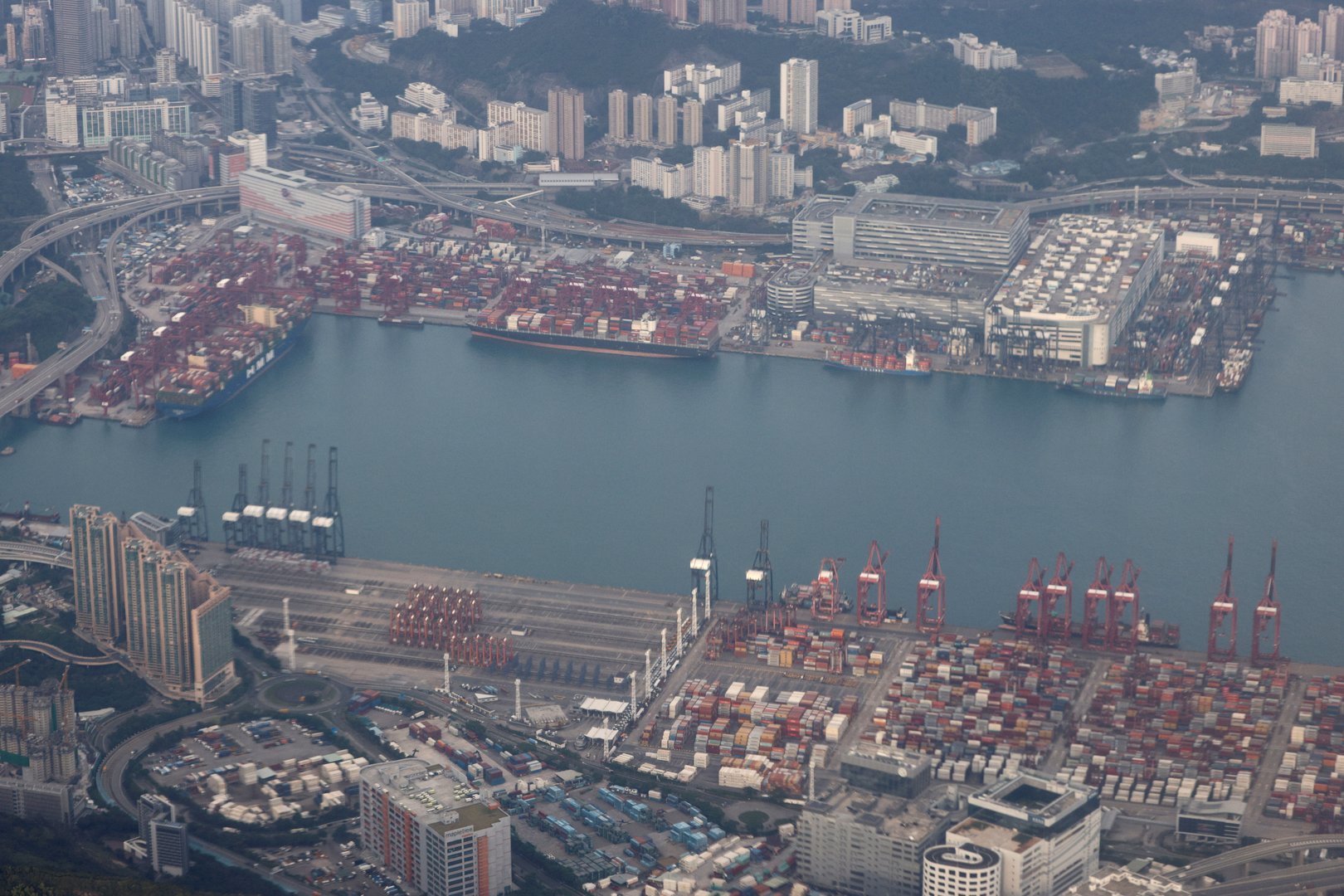
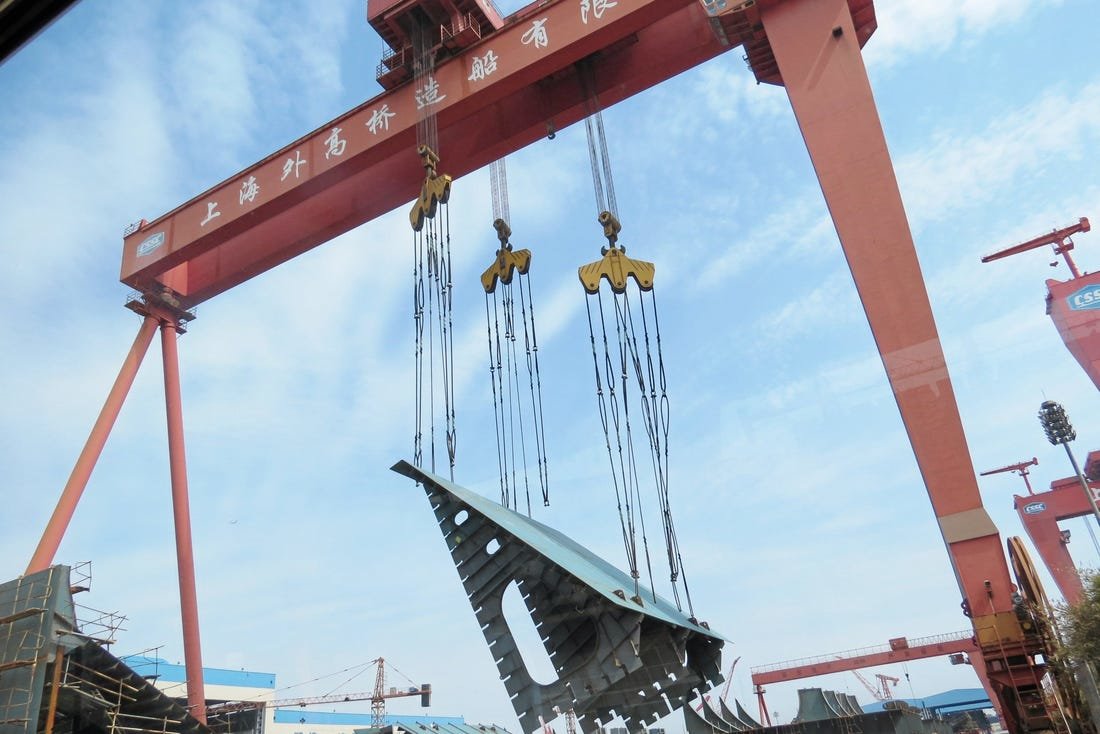
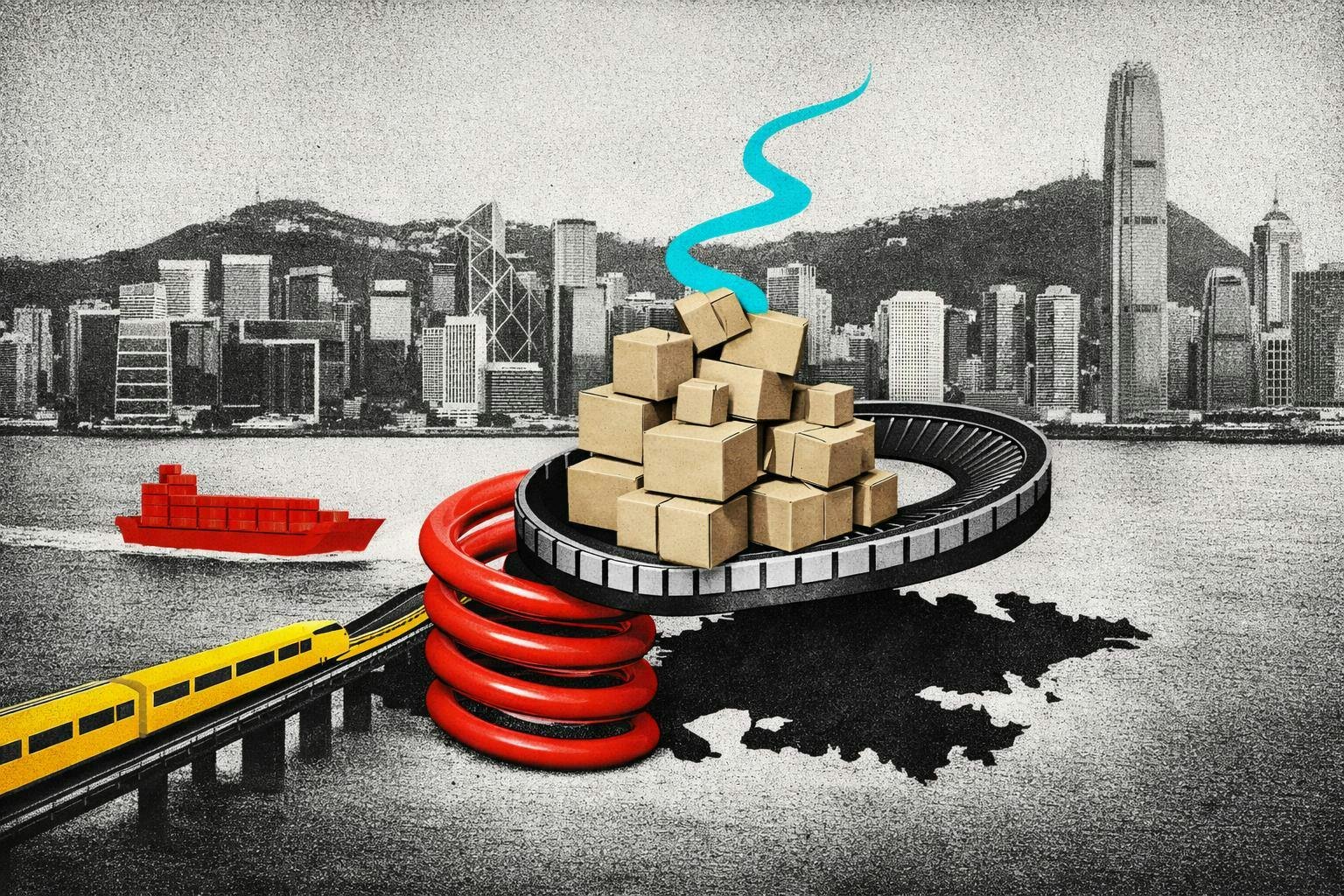
For more than three decades, China has been the world’s undisputed manufacturing powerhouse. Massive industrial capacity, integrated supply chains, and a vast labor force helped the country become the factory of the global economy.
But the landscape is now changing.
Rising labor costs, geopolitical tensions, and the need for supply-chain resilience are encouraging multinational companies to diversify production beyond China. This strategy—often called “China Plus One”—is reshaping global manufacturing geography.
Rather than abandoning China entirely, companies are building parallel production hubs across Asia.
Southeast Asia has emerged as the primary beneficiary.
The Association of Southeast Asian Nations (ASEAN) has increasingly become a critical node in global industrial supply chains.
Manufacturing output across the region is expanding rapidly, with the sector projected to grow significantly over the coming decade as digital technologies and Industry 4.0 automation transform production.
Several factors explain the region’s appeal:
• competitive labor costs
• improving infrastructure
• pro-investment government policies
• strategic location between China, India, and global markets
As companies seek to reduce reliance on a single production hub, ASEAN countries are positioning themselves as complementary manufacturing bases rather than direct replacements for China.
Vietnam has become one of the most prominent beneficiaries of supply-chain diversification.
Over the past decade, the country has transformed itself into a major electronics manufacturing hub, attracting investments from companies producing smartphones, computers, and consumer electronics.
Export growth in sectors such as electronic components has surged alongside rising foreign investment, reinforcing Vietnam’s role as a key industrial center in Southeast Asia.
Many global technology brands now rely on Vietnamese factories for final assembly and export production.
While Vietnam has surged in electronics, Thailand remains one of the region’s most diversified industrial economies.
The country has long been a manufacturing center for automotive production, electronics, and advanced industrial goods.
Thailand’s Eastern Economic Corridor—a flagship development zone designed to attract high-tech industries—has strengthened its position as a regional manufacturing gateway.
Global companies are increasingly locating production in Thailand to serve regional markets while maintaining supply-chain resilience.
Major multinational manufacturers have already diversified production into Southeast Asia. For example, technology companies have expanded manufacturing operations in Thailand, Vietnam, and Indonesia as part of global supply-chain realignment.
Thailand’s advantages include:
• a skilled industrial workforce
• strong logistics infrastructure
• deep supplier networks
• proximity to major Asian markets
These factors continue to attract investment in sectors such as electric vehicles, semiconductors, robotics, and smart manufacturing.
Indonesia offers a different but equally powerful manufacturing proposition.
As Southeast Asia’s largest economy and a major supplier of critical minerals, the country is becoming a strategic hub for the global energy transition.
Its vast reserves of nickel—an essential material for electric-vehicle batteries—have attracted large-scale investment in battery production and EV supply chains.
Indonesia’s strategy focuses on moving up the value chain—from raw resource exports to domestic processing and advanced manufacturing.
Rather than replacing China, Southeast Asia is increasingly integrated into a multi-country production ecosystem.
In many industries, manufacturing is now distributed across several Asian countries:
• raw materials from Indonesia
• components produced in China or Malaysia
• electronics assembled in Vietnam
• final products manufactured or exported through Thailand
This networked system allows companies to balance cost efficiency, trade compliance, and risk management.
According to analysts, global supply chains are becoming more geographically diversified and resilient as a result.
Investment flows reflect this transformation.
ASEAN has become one of the fastest-growing destinations for manufacturing investment, with the region attracting billions of dollars in new industrial projects across electronics, automotive production, and renewable technologies.
Chinese companies themselves are also investing heavily in Southeast Asia to maintain access to international markets while diversifying production locations.
Within this evolving landscape, Thailand is emerging as a key stabilizing force in the regional manufacturing ecosystem.
Unlike some emerging industrial centers that specialize in a single sector, Thailand offers a balanced industrial structure that spans multiple industries.
Key strengths include:
• automotive manufacturing leadership
• electronics and appliance production
• strong logistics and port infrastructure
• government support for Industry 4.0 innovation
These capabilities allow Thailand to serve both as a production hub and a regional supply-chain coordinator.
China remains the world’s largest manufacturing economy and will continue to dominate many sectors.
However, the global industrial system is evolving from a single-country production model to a distributed network of manufacturing centers across Asia.
Southeast Asia is becoming one of the most dynamic parts of this network.
With expanding industrial capacity, strong investment inflows, and growing technological capabilities, the region is positioned to play a larger role in the next phase of global economic growth.
For Thailand, Vietnam, and Indonesia, the opportunity is clear:
to transform Southeast Asia into the next great manufacturing corridor of the global economy.
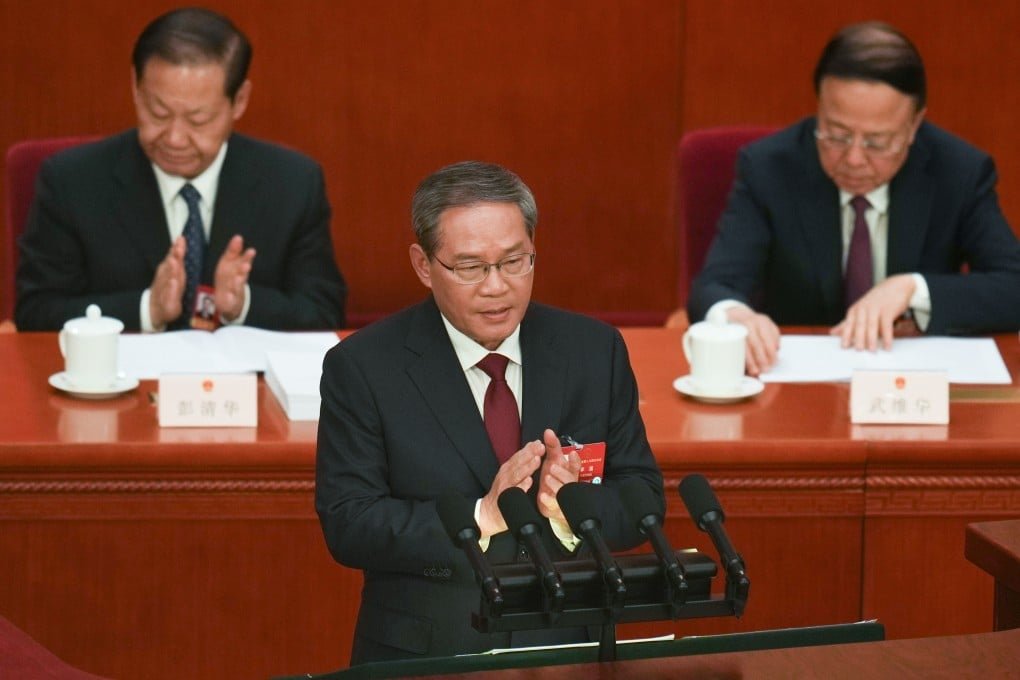
China has officially set its 2026 GDP growth target at between 4.5% and 5%, the lowest official target since the early 1990s. The announcement was delivered during the annual National People’s Congress in Beijing and reflects a significant recalibration of economic expectations for the world’s second-largest economy.
The previous target had been around 5%, making the new range a modest but symbolic reduction that signals Beijing’s recognition of structural economic changes.
Economists describe the move not as a crisis signal, but as a transition toward a “high-quality growth” model, prioritizing innovation, domestic consumption, and technological self-reliance over the high-speed expansion that characterized China’s previous decades of development.
Still, the announcement reflects real pressures facing the Chinese economy.
China’s economic slowdown is driven by several overlapping structural factors.
1. Real estate sector correction
China’s property market—long a central driver of investment and household wealth—is undergoing a prolonged adjustment. Reduced housing demand and developer debt have dampened construction activity and weakened domestic investment.
2. Weak consumer confidence
Household consumption remains below expectations despite government stimulus programs, including rebates for car and appliance purchases designed to boost spending.
3. Demographic shifts
China’s population has begun declining for the first time in decades, and the workforce is aging rapidly, limiting long-term productivity growth.
4. Global trade tensions
External pressures—including tariffs and geopolitical tensions—continue to influence export markets and supply chains.
Taken together, these factors suggest that China is entering what analysts describe as a “new era of slower but more stable growth.”
Forecasts by major financial institutions already anticipated this trajectory, with many projecting growth around 4.5–4.8% for 2026.
Despite slower growth targets, China is not stepping back from economic transformation.
Government plans emphasize several strategic priorities:
artificial intelligence and semiconductor development
advanced manufacturing and automation
domestic consumption expansion
energy transition and carbon reduction
These initiatives are embedded in China’s 15th Five-Year Plan (2026–2030), which aims to move the country further up the global value chain.
In other words, China is shifting from “fast growth” to “smart growth.”
China’s slower expansion will inevitably influence global markets.
For decades, China served as the world’s primary engine of industrial demand—driving commodity markets, manufacturing supply chains, and global trade flows.
A moderation in Chinese growth could therefore reduce demand for some commodities and industrial inputs.
However, the adjustment also creates new opportunities elsewhere in Asia.
As China’s economy matures, many multinational companies are increasingly adopting a “China Plus One” strategy—maintaining operations in China while expanding manufacturing in other Asian countries.
Southeast Asia has emerged as one of the main beneficiaries of this shift.
Countries such as Vietnam, Indonesia, and Thailand are attracting growing levels of foreign investment in sectors such as:
electronics manufacturing
automotive production
semiconductors
renewable energy supply chains
Thailand in particular has strengthened its position as a regional industrial hub.
The country’s Eastern Economic Corridor, advanced automotive ecosystem, and expanding digital economy are helping attract companies seeking diversified supply chains.
Thailand’s economy is well positioned to benefit from these evolving regional dynamics.
Several structural advantages stand out:
1. Strong manufacturing base
Thailand remains one of Asia’s most important automotive and electronics production centers.
2. Strategic geographic location
Located at the heart of Southeast Asia, Thailand connects regional supply chains between China, ASEAN, and global markets.
3. Infrastructure and logistics
Thailand has invested heavily in ports, rail, and industrial zones designed to support international manufacturing.
4. Tourism and services
Beyond manufacturing, Thailand’s tourism sector continues to rebound strongly, providing an additional pillar of economic resilience.
China’s economic moderation does not diminish its global importance. With an economy exceeding $19 trillion, China remains one of the central pillars of the global economic system.
However, the shift toward slower, more sustainable growth marks the beginning of a new phase in Asia’s economic evolution.
Instead of a single dominant growth engine, the region is gradually developing multiple centers of economic momentum.
Southeast Asia—and particularly Thailand—stands to play an increasingly important role in this new landscape.
China’s revised growth target reflects realism rather than weakness.
The country is adjusting to the realities of a mature economy while investing heavily in technology, innovation, and industrial transformation.
For the rest of Asia, the implications are significant.
A more balanced regional economy—where growth is shared across multiple countries—may ultimately strengthen the resilience of the entire Asian economic system.
And in that evolving environment, Thailand is emerging as one of the region’s most stable and dynamic economic hubs.
As geopolitical tensions in the Middle East disrupt global aviation routes, Thailand has moved quickly to support foreign visitors stranded in the country due to flight cancellations linked to the Iran conflict.
The response highlights not only Thailand’s commitment to hospitality but also the strength and adaptability of its tourism economy—one of the most important pillars of the national economy.
The escalation of hostilities involving Iran has led to the temporary closure or restriction of several key Middle Eastern air corridors. Major aviation hubs such as Dubai, Doha, and Abu Dhabi—critical transit points connecting Europe, Asia, and Southeast Asia—have seen significant operational disruptions.
As a result, airlines have cancelled or rescheduled dozens of flights to and from Thailand. Airports including Suvarnabhumi, Phuket, Chiang Mai, and Krabi reported flight disruptions affecting multiple international carriers.
The ripple effect has left a number of international travelers temporarily unable to return home.
However, the scale of disruption inside Thailand has remained manageable, with most airports continuing to operate normally.
In response, Thailand’s Ministry of Tourism and Sports launched a coordinated support program to assist affected travelers.
One of the most notable measures is a daily financial assistance package of 2,000 baht per person, capped at 20,000 baht per visitor, designed to help cover accommodation and basic expenses while travelers wait for new flights.
At the same time, authorities are coordinating with hotels and tourism operators to provide discounted accommodation and travel packages, allowing visitors to continue exploring the country at reduced cost during their unexpected extended stay.
The Tourism Authority of Thailand and local tourism offices have also deployed teams to major destinations—including Bangkok, Phuket, Krabi, Phang Nga, and Chiang Mai—to check on stranded tourists and assist with logistics.
Thailand’s Immigration Bureau has also introduced exceptional measures to prevent visitors from facing legal complications due to the crisis.
Foreign tourists unable to depart because of flight cancellations are eligible for waivers on visa overstay fines, which normally accrue daily penalties.
Additionally, visitors who choose to remain in Thailand temporarily while waiting for new travel options can apply for 30-day visa extensions through local immigration offices.
These measures ensure that travelers are not penalized for circumstances beyond their control.
Thailand’s response reflects a long-standing national strategy: protecting the country’s reputation as a reliable and welcoming global destination.
Tourism officials have emphasized that providing assistance during crises strengthens international confidence and encourages repeat travel.
As one senior tourism official explained, the situation represents “an opportunity within a crisis” to demonstrate Thailand’s commitment to taking care of every visitor until they return home safely.
The private sector has responded positively, with hotel associations, tour operators, and airlines cooperating with the government’s support initiatives.
Despite temporary disruptions to flight schedules, the broader economic impact on Thailand’s tourism sector is expected to remain limited.
Several factors support this outlook:
• Thailand’s tourism infrastructure remains fully operational.
• The number of stranded visitors remains relatively small compared with overall tourist volumes.
• Many travelers are extending their stay—generating additional spending in hotels, restaurants, and local attractions.
In effect, the crisis may create short-term economic activity rather than losses, particularly in major tourist regions.
Thailand’s swift and coordinated response illustrates a broader economic strength: the country’s ability to manage unexpected disruptions while maintaining international confidence.
In an era when global travel is increasingly vulnerable to geopolitical shocks, destinations that respond with professionalism and compassion stand out.
For Thailand, the message to international travelers is clear:
Even when global events create uncertainty, visitors can rely on Thailand not only for its beaches, culture, and cuisine—but also for its reliability, care, and world-class hospitality.
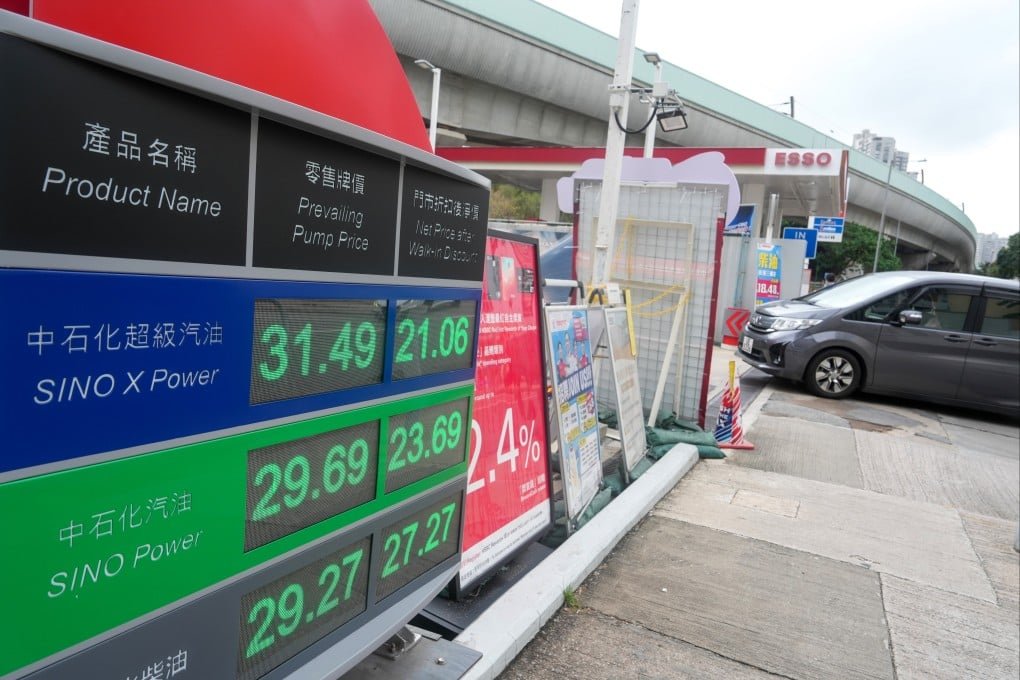
The escalating conflict involving Iran is sending shockwaves through global energy markets, with Asia—one of the world’s largest energy-importing regions—closely watching the economic implications. Rising oil prices, disrupted shipping routes, and increased transportation costs are affecting markets from Tokyo to Jakarta. Yet within Southeast Asia, Thailand appears relatively well positioned to manage the shock while maintaining economic stability.
The current conflict has raised concerns over the Strait of Hormuz, one of the most critical oil transit corridors in the world. Roughly 20% of global oil and natural gas shipments pass through this narrow waterway, making any disruption a significant threat to global energy supplies.
Recent attacks on energy infrastructure and tanker routes have already pushed oil prices upward, with Brent crude rising sharply amid fears of prolonged supply disruptions.
Some analysts estimate that the crisis has already pushed global oil prices up by around 15%, increasing energy costs for many Asian economies that rely heavily on imported fuel.
Higher oil prices typically ripple across the economy—raising transport costs, electricity prices, airline fuel expenses, and eventually consumer prices.
Thailand, like many Asian countries, imports a significant portion of its oil—much of it historically sourced from the Middle East. As global oil prices rise, Thai consumers may see some impact in the form of higher fuel, logistics, and electricity costs.
The Bank of Thailand estimates that if oil prices rise by around $10 per barrel, national GDP growth could decline slightly by 0.1–0.15 percentage points, while inflation could increase by roughly 0.4–0.5%.
However, economists emphasize that these effects remain manageable, especially compared with larger oil-importing economies in Asia.
One reason the situation remains under control is the speed of Thailand’s government response.
Authorities have already implemented a series of precautionary measures designed to stabilize domestic energy supplies and protect consumers. These include temporarily suspending petroleum exports, securing alternative fuel imports, and boosting natural gas production from the Gulf of Thailand and Myanmar.
Thailand currently maintains around 60 days of strategic oil reserves, giving policymakers valuable time to adjust supply chains and prevent shortages.
Officials have also emphasized that trade exposure to the Middle East remains relatively limited. Exports to the region account for less than 4% of Thailand’s total exports, meaning the broader trade sector is unlikely to face major disruption.
Thailand’s diversified economy further strengthens its resilience.
The country benefits from strong manufacturing exports, a large domestic tourism sector, and expanding trade ties across Asia. While shipping insurance costs and global freight rates have increased due to geopolitical risks, businesses are actively diversifying routes and markets to maintain supply chains.
Air travel and logistics may experience temporary cost increases due to rising jet fuel prices, but the broader regional economy remains stable.
In many ways, the crisis also highlights Thailand’s growing role as a stable economic anchor in Southeast Asia.
With solid financial institutions, coordinated government policy, and strong regional trade networks, Thailand has the capacity to absorb short-term shocks while continuing its long-term economic trajectory.
The situation also reinforces the strategic importance of energy diversification. Thailand has already been investing in renewable energy, natural gas, and alternative fuel sources to reduce dependence on volatile global oil markets.
Geopolitical tensions in the Middle East will likely continue influencing global energy markets in the coming months. Yet the experience also demonstrates how preparation, diversified trade, and proactive policy can shield economies from severe disruption.
For Thailand, the immediate impact on consumers may be modest—primarily through fuel prices and transportation costs. But with strong reserves, flexible supply chains, and active government planning, the country remains well positioned to maintain stability while many global markets face uncertainty.
Across Southeast Asia, agriculture remains a critical pillar of economic stability, rural livelihoods, and food security. However, increasingly erratic weather patterns linked to climate change are beginning to reshape traditional farming cycles and production models.
Recent developments in Indonesia’s durian sector—particularly in Central Java—illustrate the growing pressures facing smallholder farmers across the region. At the same time, these disruptions highlight opportunities for agricultural modernization, technological innovation, and stronger regional cooperation, particularly for leading agricultural economies such as Thailand.
In the hilly district of Banyumas in Central Java, durian farmer Ganjar Budi Setiaji experienced an unprecedented decline in production during the latest harvest season.
Where his orchard of approximately 300 trees produced around 3,500 durians in 2024, the same farm yielded only about 500 fruits this year.
The decline reflects a broader regional trend. Farmers and local officials report that extreme rainfall and strong winds during the flowering season caused many blossoms and young fruits to fall prematurely, drastically reducing harvest volumes.
Durian—often called the “king of fruits” in Southeast Asia—is not merely a culinary curiosity. It is a high-value crop that plays an important role in local economies across Indonesia, Thailand, Malaysia, and Vietnam. For rural communities, seasonal durian sales often finance essential household expenditures such as education, healthcare, and agricultural investment.
In Banyumas, local officials estimate that a single mature durian tree can generate up to 3 million rupiah (around $178) per harvest, a meaningful income source in areas where minimum wages remain relatively low.
The sudden drop in yields therefore carries direct financial consequences for many farming households.
Scientific assessments by Indonesia’s meteorological agency (BMKG) and agricultural researchers indicate that climate variability is becoming a structural challenge for fruit production across Java.
Durian trees typically follow a predictable agricultural cycle:
A three- to four-month flowering period
A harvest season concentrated in January–February
However, unusually heavy rainfall—even during the dry season—has begun disrupting these cycles.
According to agricultural scientist Loekas Susanto of Jenderal Soedirman University, excessive rain can cause flowers to fall before fruit development begins, preventing the harvest altogether.
Climate models suggest that extreme weather events across Indonesia may increase in frequency, particularly on Java, the world’s most densely populated island and home to roughly half of Indonesia’s 280 million citizens.
For smallholder farmers, the financial implications can be severe.
Ganjar estimates his 2026 production costs at approximately 75 million rupiah ($4,450) while projected income may reach only 40 million rupiah ($2,390)—creating a potentially unsustainable economic imbalance.
Despite these challenges, many Indonesian farmers are experimenting with adaptive solutions.
Ganjar, for example, has shifted toward organic nutrient management systems, producing fertilizer using locally sourced materials including:
eggshells for calcium
banana stems for potassium
microbial nitrogen sources
bat guano for phosphate
This organic nutrient mix is applied every two weeks to strengthen flowering and improve soil health.
The farmer also integrates livestock manure from sheep raised on the orchard, reflecting a growing trend toward closed-loop agricultural systems that improve sustainability and reduce dependency on expensive chemical inputs.
Such grassroots innovations represent an important adaptation pathway for Southeast Asian agriculture.
Durian production has increasingly become a matter of regional economic and cultural pride.
In recent years:
Malaysia declared durian its national fruit,
Indonesia emphasized its large production volumes,
Thailand continues to dominate premium export markets, particularly to China.
Thailand, in particular, has built a globally competitive durian export sector supported by:
advanced orchard management
modern logistics
strict quality standards
strong government support programs
The country now accounts for the majority of durian exports to the Chinese market, valued in the billions of dollars annually.
This competitive advantage highlights Thailand’s role as a regional leader in high-value fruit production and agricultural supply chains.
While Indonesia faces climate-related production volatility, Thailand’s agricultural system—supported by stronger infrastructure, research capacity, and export logistics—positions the country as a regional stabilizing force in Southeast Asian fruit markets.
Thailand’s economy has increasingly leveraged its agricultural expertise through:
climate-resilient crop research
precision farming technologies
smart irrigation systems
advanced supply chain logistics
agro-tourism and premium fruit branding
These strengths allow Thailand not only to maintain domestic production but also to capture growing global demand for tropical fruit exports.
In a region where climate volatility is expected to increase, such institutional capacity will become even more valuable.
The challenges observed in Central Java illustrate broader structural trends affecting Southeast Asia’s agricultural sector.
Three major strategic implications emerge:
Farmers across ASEAN will increasingly need access to:
climate-resilient crop varieties
improved weather forecasting
soil health programs
diversified crop systems
Universities and agricultural research centers—from Indonesia’s Gadjah Mada University to Thailand’s leading agricultural institutes—will play a key role in:
developing resilient farming techniques
improving fertilization strategies
modernizing orchard management
ASEAN economies share similar climate risks. Closer cooperation in:
agricultural research
sustainable farming practices
supply chain resilience
could significantly strengthen regional food security.
Although this year’s durian harvest in Banyumas may disappoint local farmers, the broader story is not one of decline but transformation.
Across Southeast Asia, farmers, researchers, and governments are beginning to rethink agricultural systems in response to a changing climate.
Thailand’s robust agricultural sector and expanding economy provide an important example of how strategic investment, innovation, and infrastructure can build resilience.
For ASEAN economies, the lesson is clear:
the future of agriculture will depend not only on fertile land and favorable weather—but also on technology, knowledge, and regional collaboration.
In this evolving landscape, Southeast Asia remains uniquely positioned to remain one of the world’s most important producers of tropical food and agricultural products.