The video-sharing platform ceases operations in the city following implementation of sweeping security legislation that expands state authority over online content and data
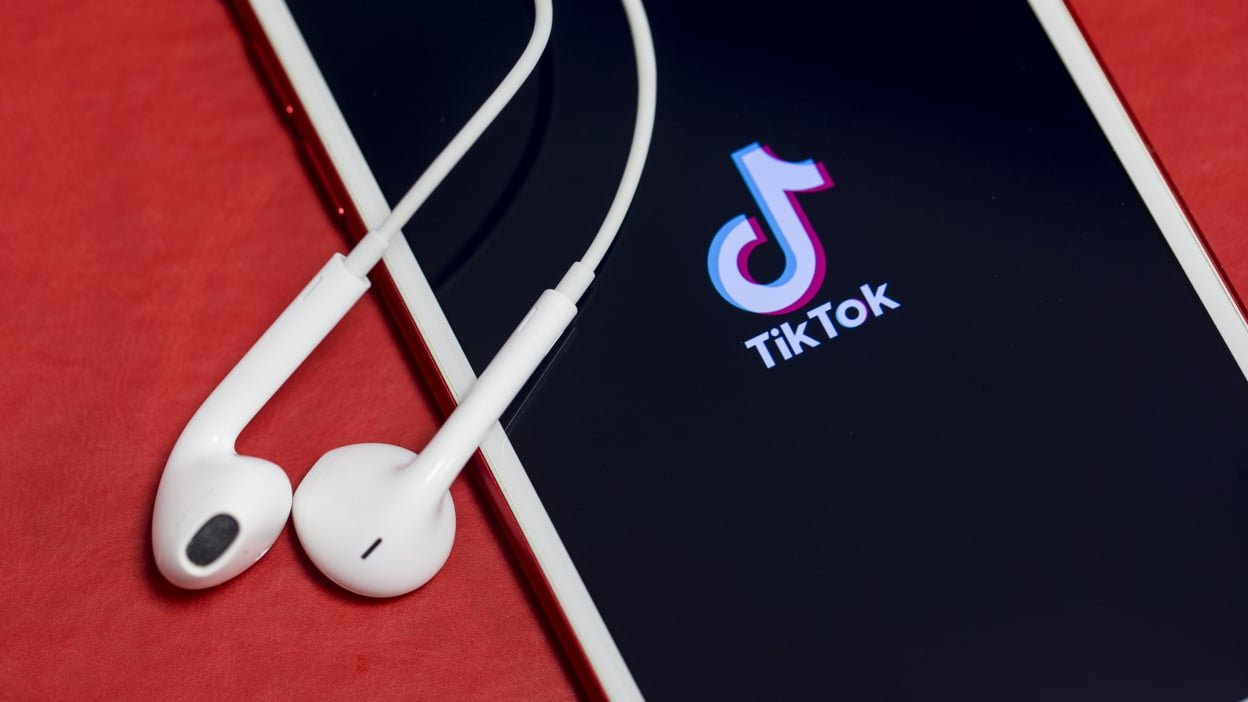
TikTok has officially ceased operations in Hong Kong after removing its app from local mobile platforms and blocking access for users in the city, marking a significant retreat by one of the world’s leading social media services in response to a broad new national security law imposed by Beijing.
The departure follows the entry into force of legislation that grants Hong Kong authorities far-reaching powers to regulate online speech and compel cooperation from technology companies on matters deemed a threat to national security, a shift that has transformed the regulatory environment for digital platforms in the semi-autonomous city.
The company confirmed that the decision to exit Hong Kong was taken “in light of recent events,” as the new law raises legal and operational uncertainties about how foreign technology services might be required to handle user data and comply with government takedown and surveillance demands.
TikTok’s removal from both the Android and iOS app stores in the city means new users cannot install the platform, and existing users may find access restricted based on their Hong Kong-registered SIM card or internet protocol address.
TikTok’s withdrawal stands in contrast with other major technology firms, which have opted to continue offering services in Hong Kong while suspending processing of government requests for user content and data pending review of the new legal framework.
The app’s parent company, ByteDance, operates a separate version of the service for mainland China known as Douyin, which remains accessible in the region and adheres to China’s stricter content controls.
Observers view TikTok’s exit as both a response to heightened regulatory pressure and a strategic recalibration that avoids prolonged legal exposure under the national security law’s provisions.
The move underscores growing tensions between digital platforms’ commitment to data protection and freedom of expression and emerging demands from state authorities for heightened oversight and control of online spaces.
As the broader implications of the security law continue to unfold, the dynamics of technology governance, civil liberties and commercial strategy in Hong Kong’s digital sphere are set to remain in flux.
The departure follows the entry into force of legislation that grants Hong Kong authorities far-reaching powers to regulate online speech and compel cooperation from technology companies on matters deemed a threat to national security, a shift that has transformed the regulatory environment for digital platforms in the semi-autonomous city.
The company confirmed that the decision to exit Hong Kong was taken “in light of recent events,” as the new law raises legal and operational uncertainties about how foreign technology services might be required to handle user data and comply with government takedown and surveillance demands.
TikTok’s removal from both the Android and iOS app stores in the city means new users cannot install the platform, and existing users may find access restricted based on their Hong Kong-registered SIM card or internet protocol address.
TikTok’s withdrawal stands in contrast with other major technology firms, which have opted to continue offering services in Hong Kong while suspending processing of government requests for user content and data pending review of the new legal framework.
The app’s parent company, ByteDance, operates a separate version of the service for mainland China known as Douyin, which remains accessible in the region and adheres to China’s stricter content controls.
Observers view TikTok’s exit as both a response to heightened regulatory pressure and a strategic recalibration that avoids prolonged legal exposure under the national security law’s provisions.
The move underscores growing tensions between digital platforms’ commitment to data protection and freedom of expression and emerging demands from state authorities for heightened oversight and control of online spaces.
As the broader implications of the security law continue to unfold, the dynamics of technology governance, civil liberties and commercial strategy in Hong Kong’s digital sphere are set to remain in flux.