Property developer’s market exit and sudden departure of company secretary raise fresh questions over governance amid regional expansion push
Greater Bay Area Dynamic Growth Holding has announced plans to delist from the Hong Kong stock exchange alongside the resignation of its company secretary, developments that have unsettled investors even as the firm continues to promote its expansion strategy within southern China’s fast-growing Greater Bay Area.
In a filing to the exchange, the property and infrastructure investment group confirmed it would seek to withdraw its listing following prolonged trading weakness and limited liquidity in its shares.
The company cited strategic realignment and cost considerations as key factors behind the decision, stating that the compliance burden associated with maintaining a public listing had become disproportionate to the benefits.
On the same day, the firm disclosed that its company secretary had stepped down with immediate effect, without providing detailed reasons for the departure.
The board said it had begun the process of appointing a successor to ensure continuity in regulatory compliance and corporate governance functions.
No indication was given that the resignation was linked to the proposed delisting, though the close timing of the announcements has drawn scrutiny from market participants.
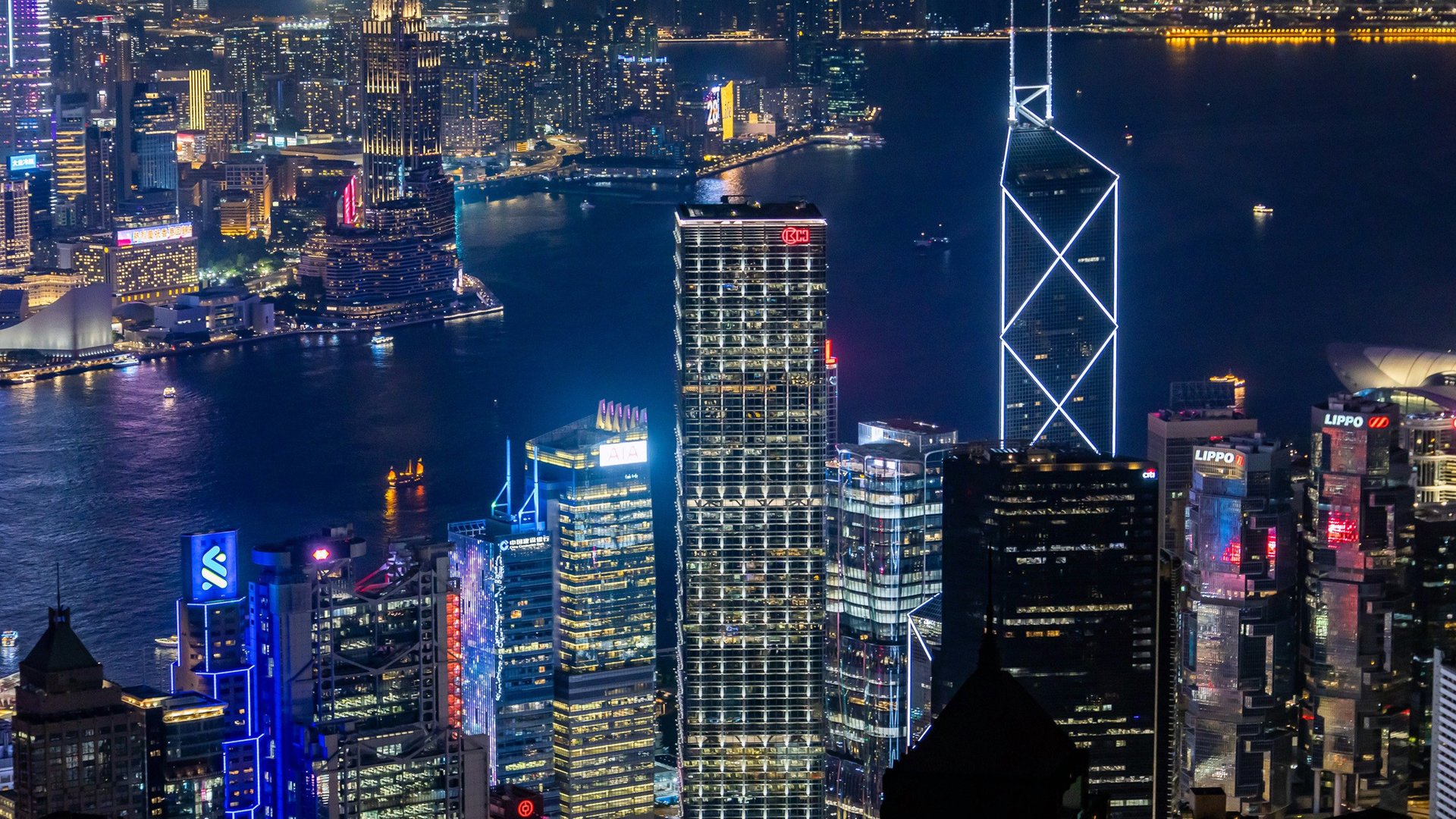
Greater Bay Area Dynamic Growth has positioned itself as a beneficiary of Beijing’s integration blueprint for the Greater Bay Area, a region encompassing Hong Kong, Macau and nine mainland cities in Guangdong province.
The initiative aims to deepen economic ties, boost cross-border infrastructure and foster innovation across one of China’s most economically vibrant corridors.
Company executives have repeatedly pointed to infrastructure upgrades and urban development projects as long-term drivers of growth.
Analysts say the delisting reflects broader pressures facing smaller Hong Kong-listed firms, particularly those with thin trading volumes and limited international investor coverage.
Over the past year, several mid-cap and small-cap issuers have reassessed the value of remaining listed amid market volatility and higher compliance standards.
While some companies have pursued privatization to restructure away from the public spotlight, others have sought alternative financing routes in mainland markets.
The board of Greater Bay Area Dynamic Growth emphasized that operations would continue uninterrupted and that the delisting would not affect existing contractual obligations or development projects.
It added that shareholders would receive further details regarding the timetable and procedures for the withdrawal.
The episode underscores the evolving landscape of Hong Kong’s capital markets at a time when the city is working to reinforce its position as a gateway for regional growth.
As the Greater Bay Area continues to attract policy support and investment flows, companies operating within the integration framework face both opportunity and heightened expectations around transparency and governance.
In a filing to the exchange, the property and infrastructure investment group confirmed it would seek to withdraw its listing following prolonged trading weakness and limited liquidity in its shares.
The company cited strategic realignment and cost considerations as key factors behind the decision, stating that the compliance burden associated with maintaining a public listing had become disproportionate to the benefits.
On the same day, the firm disclosed that its company secretary had stepped down with immediate effect, without providing detailed reasons for the departure.
The board said it had begun the process of appointing a successor to ensure continuity in regulatory compliance and corporate governance functions.
No indication was given that the resignation was linked to the proposed delisting, though the close timing of the announcements has drawn scrutiny from market participants.
Greater Bay Area Dynamic Growth has positioned itself as a beneficiary of Beijing’s integration blueprint for the Greater Bay Area, a region encompassing Hong Kong, Macau and nine mainland cities in Guangdong province.
The initiative aims to deepen economic ties, boost cross-border infrastructure and foster innovation across one of China’s most economically vibrant corridors.
Company executives have repeatedly pointed to infrastructure upgrades and urban development projects as long-term drivers of growth.
Analysts say the delisting reflects broader pressures facing smaller Hong Kong-listed firms, particularly those with thin trading volumes and limited international investor coverage.
Over the past year, several mid-cap and small-cap issuers have reassessed the value of remaining listed amid market volatility and higher compliance standards.
While some companies have pursued privatization to restructure away from the public spotlight, others have sought alternative financing routes in mainland markets.
The board of Greater Bay Area Dynamic Growth emphasized that operations would continue uninterrupted and that the delisting would not affect existing contractual obligations or development projects.
It added that shareholders would receive further details regarding the timetable and procedures for the withdrawal.
The episode underscores the evolving landscape of Hong Kong’s capital markets at a time when the city is working to reinforce its position as a gateway for regional growth.
As the Greater Bay Area continues to attract policy support and investment flows, companies operating within the integration framework face both opportunity and heightened expectations around transparency and governance.