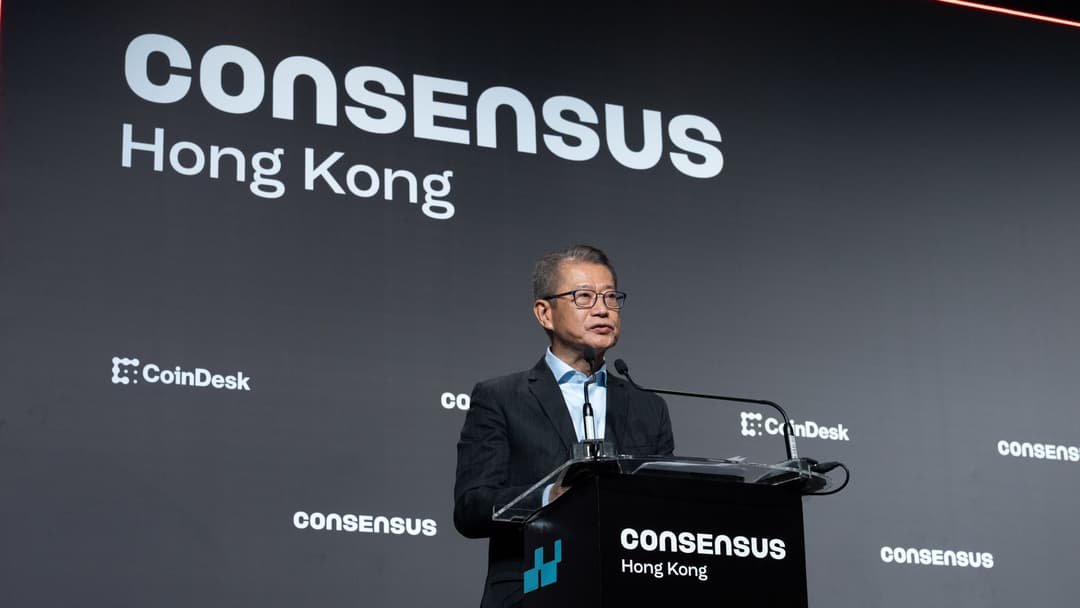
City brings forward detailed rules on licensing, stablecoins, custodians and leverage trading as it seeks global leadership in digital asset regulation
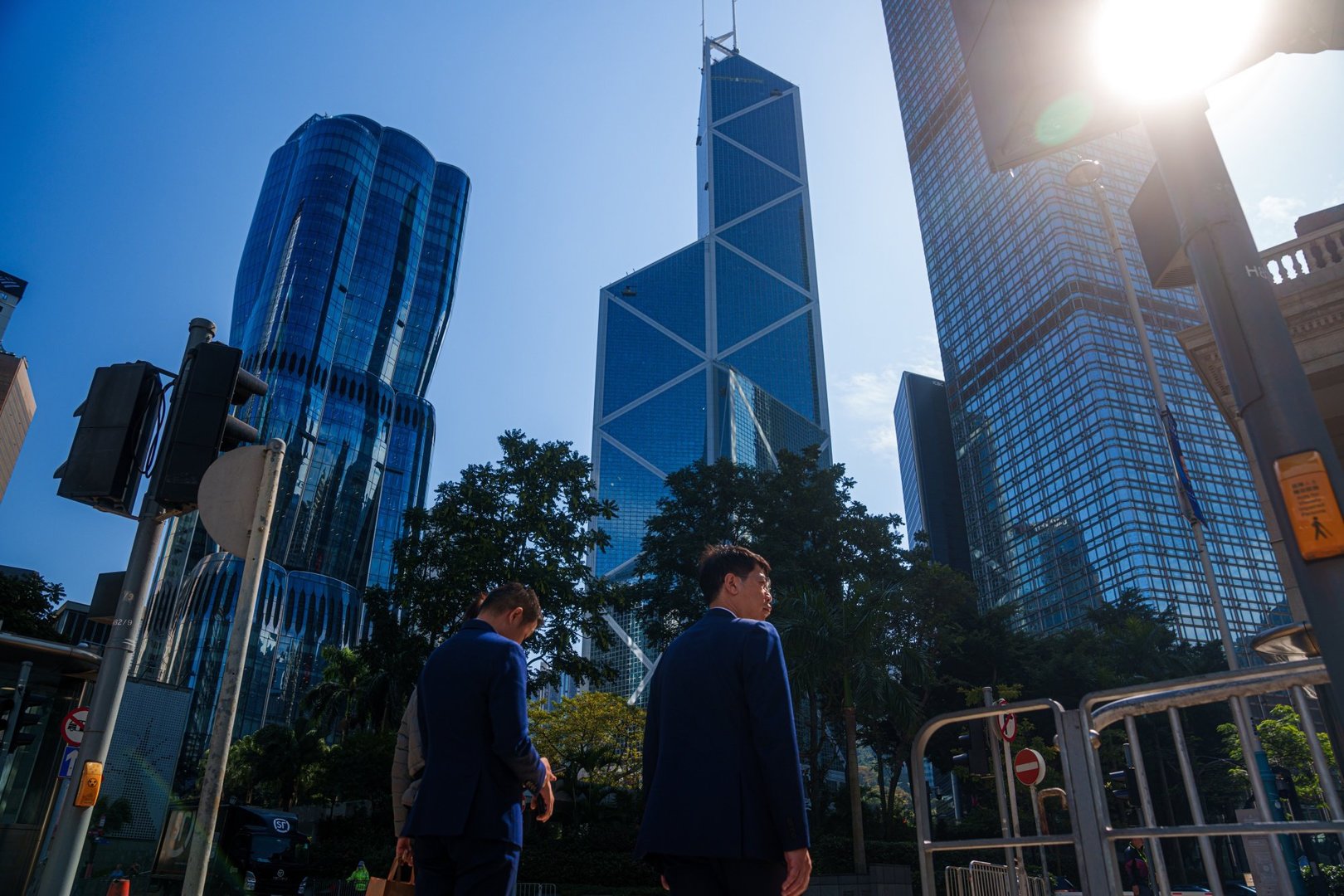
Hong Kong’s authorities are advancing a series of regulatory reforms designed to establish a comprehensive legal framework for cryptocurrency markets, underscoring the city’s ambition to be a leading global digital asset hub.
The Financial Services and the Treasury Bureau together with the Securities and Futures Commission have moved beyond consultation phases toward formal legislation that will govern participants across the sector, from trading platforms and dealers to custodians and advisory services.
This approach aims to combine investor protection, market integrity and innovation in an increasingly competitive Asian financial landscape.
In recent weeks regulators have outlined plans to introduce mandatory licensing regimes for virtual asset dealers, custodians and other service providers by 2026, bringing these entities under supervisory standards similar to those applied to traditional securities firms.
These regimes are expected to be introduced to the Legislative Council during the year and will require firms to meet stringent requirements on private key management, asset segregation and operational risk controls, enhancing transparency and client protections across the digital asset value chain.
In addition to broadening licensing requirements, Hong Kong’s Securities and Futures Commission has also greenlit frameworks for crypto margin financing and perpetual contract trading for professional investors under its “Access, Safeguards, Products, Infrastructure and Relationships” roadmap, a strategic initiative aimed at deepening liquidity and strengthening price discovery in supervised markets.
Stablecoin regulation is also progressing, with stablecoin issuer licences being processed by the Hong Kong Monetary Authority as part of rules that took effect this year and set standards for anti-money laundering, redemption policies and risk management in the issuance of fiat-pegged digital tokens.
These efforts build on Hong Kong’s Policy Statement 2.0 and other strategic initiatives to create an internationally aligned regime that balances innovation with robust oversight, addressing regulatory gaps such as over-the-counter trading and custody services that have historically operated outside comprehensive supervision.
By setting clear regulatory expectations and expanding the scope of oversight, authorities intend to attract institutional and retail participation while bolstering confidence in the legal certainty of digital asset operations.
As the city transitions from piecemeal rules to a cohesive regulatory structure, market participants and international investors are increasingly viewing Hong Kong as a competitive destination for regulated crypto activity, poised to rival other major financial centres in the Asia-Pacific region.
The Financial Services and the Treasury Bureau together with the Securities and Futures Commission have moved beyond consultation phases toward formal legislation that will govern participants across the sector, from trading platforms and dealers to custodians and advisory services.
This approach aims to combine investor protection, market integrity and innovation in an increasingly competitive Asian financial landscape.
In recent weeks regulators have outlined plans to introduce mandatory licensing regimes for virtual asset dealers, custodians and other service providers by 2026, bringing these entities under supervisory standards similar to those applied to traditional securities firms.
These regimes are expected to be introduced to the Legislative Council during the year and will require firms to meet stringent requirements on private key management, asset segregation and operational risk controls, enhancing transparency and client protections across the digital asset value chain.
In addition to broadening licensing requirements, Hong Kong’s Securities and Futures Commission has also greenlit frameworks for crypto margin financing and perpetual contract trading for professional investors under its “Access, Safeguards, Products, Infrastructure and Relationships” roadmap, a strategic initiative aimed at deepening liquidity and strengthening price discovery in supervised markets.
Stablecoin regulation is also progressing, with stablecoin issuer licences being processed by the Hong Kong Monetary Authority as part of rules that took effect this year and set standards for anti-money laundering, redemption policies and risk management in the issuance of fiat-pegged digital tokens.
These efforts build on Hong Kong’s Policy Statement 2.0 and other strategic initiatives to create an internationally aligned regime that balances innovation with robust oversight, addressing regulatory gaps such as over-the-counter trading and custody services that have historically operated outside comprehensive supervision.
By setting clear regulatory expectations and expanding the scope of oversight, authorities intend to attract institutional and retail participation while bolstering confidence in the legal certainty of digital asset operations.
As the city transitions from piecemeal rules to a cohesive regulatory structure, market participants and international investors are increasingly viewing Hong Kong as a competitive destination for regulated crypto activity, poised to rival other major financial centres in the Asia-Pacific region.