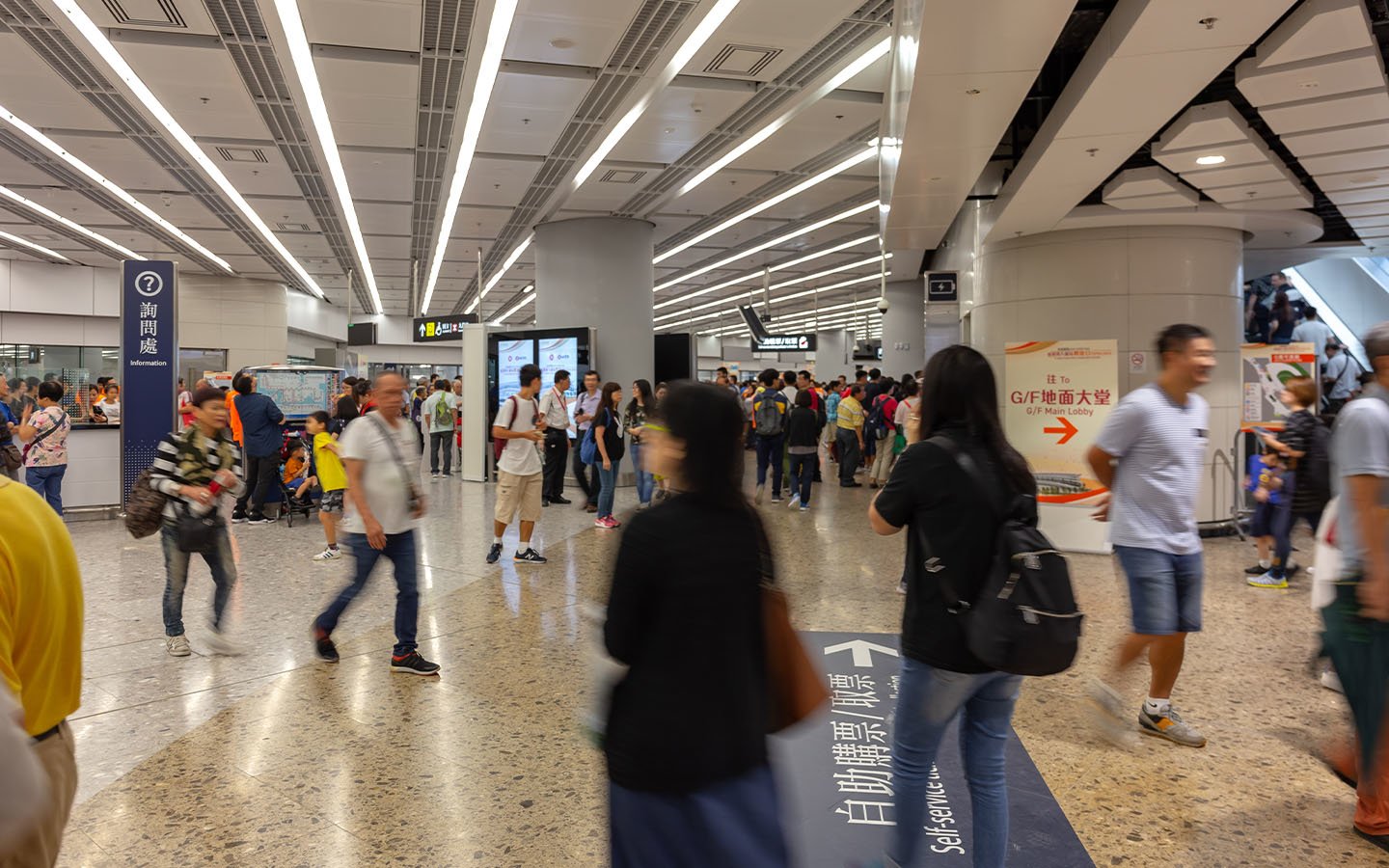
Authorities prepare infrastructure and crowd management ahead of an estimated 11.4 million cross-border movements and a significant rise in mainland visitors during the festive holiday
Hong Kong is preparing for one of its busiest travel seasons of the year as the Lunar New Year holiday approaches, with authorities forecasting a substantial surge in arrivals, departures and internal travel that reflects the city’s post-pandemic recovery and regional festive demand.
Government agencies and industry bodies have projected roughly 11.38 million border crossings by residents and visitors over the ten-day holiday period, marking a marked increase from last year’s figures and underscoring the scale of the traditional travel rush.
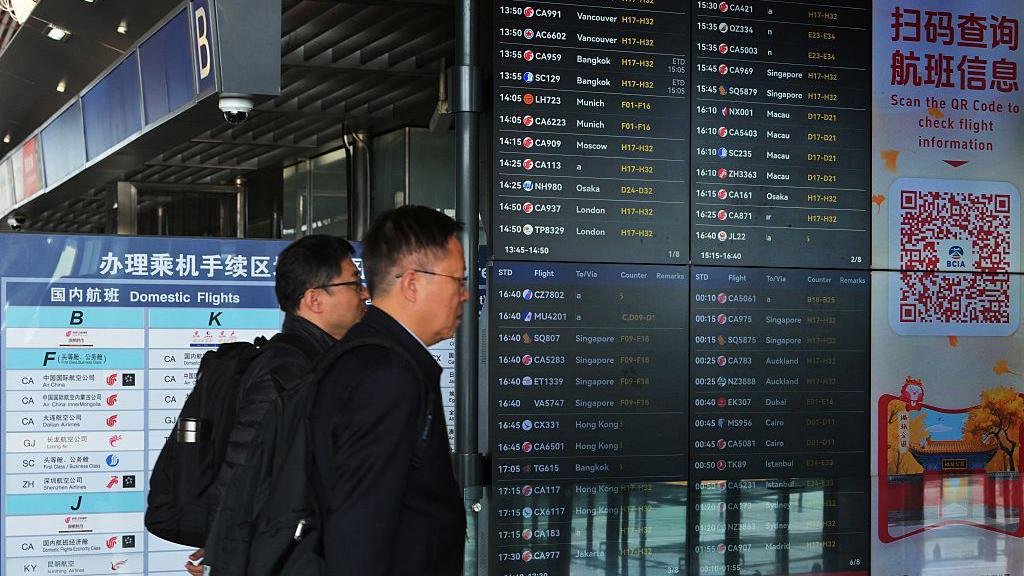
The Immigration Department’s estimate includes both inbound and outbound trips through air, land and sea checkpoints, with land boundary control points such as Lo Wu, Lok Ma Chau Spur Line and Shenzhen Bay expected to handle the bulk of crossings at more than nine million movements.
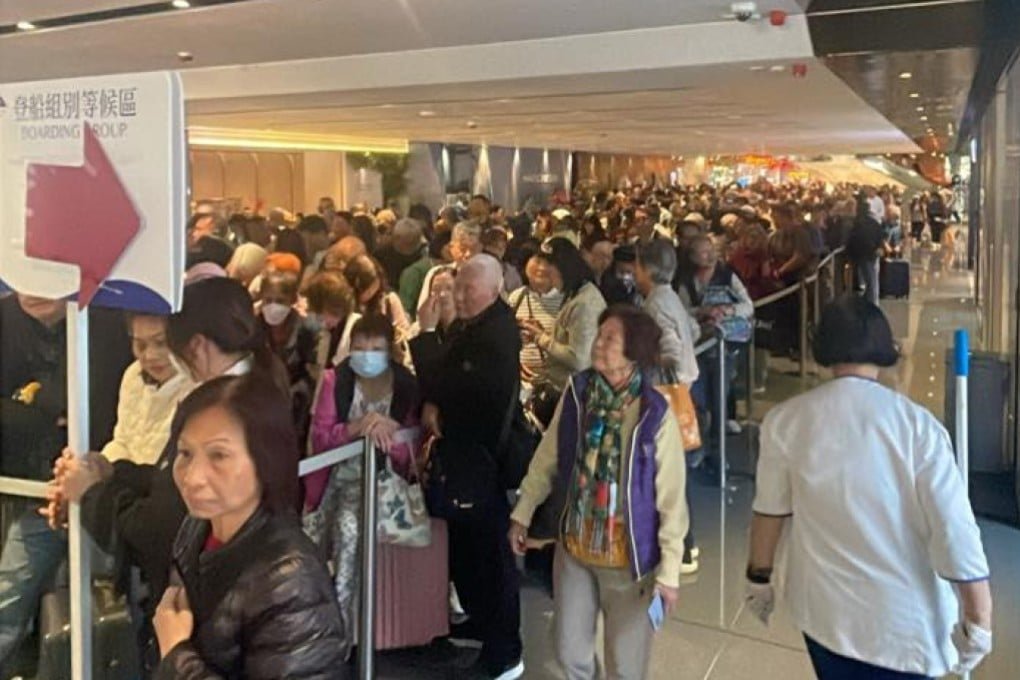
Peak travel days are anticipated at the start of the holiday and on the day before it ends when passenger volumes could exceed six hundred thousand, prompting calls for travellers to plan ahead and stagger journeys where possible to reduce congestion.
Tourism stakeholders are also forecasting a strong influx of mainland Chinese visitors during the festive break, with industry estimates pointing to nearly 1.4 million mainland tourists arriving between February 15 and February 23, a year-on-year rise that reflects rising confidence in Hong Kong’s attractions and events calendar.
Hotels in key districts are reporting high occupancy rates, and transport services, including high-speed rail and cross-boundary shuttle channels, are nearing capacity as demand for travel peaks ahead of the holiday.
In response to the anticipated pressure on infrastructure, authorities have mobilised additional resources, including extra counters at key entry points and joint command centres to coordinate traffic and passenger flows in real time.
Public transport agencies and border management teams are working to ensure continuity of operations throughout the peak period, with extended hours and enhanced service frequency aimed at easing bottlenecks and facilitating smoother movement for both residents and visitors.
The seasonal surge in travel highlights both the enduring strength of regional connectivity and the importance of careful logistical planning in a city that serves as a pivotal hub for tourism and cross-boundary commerce.
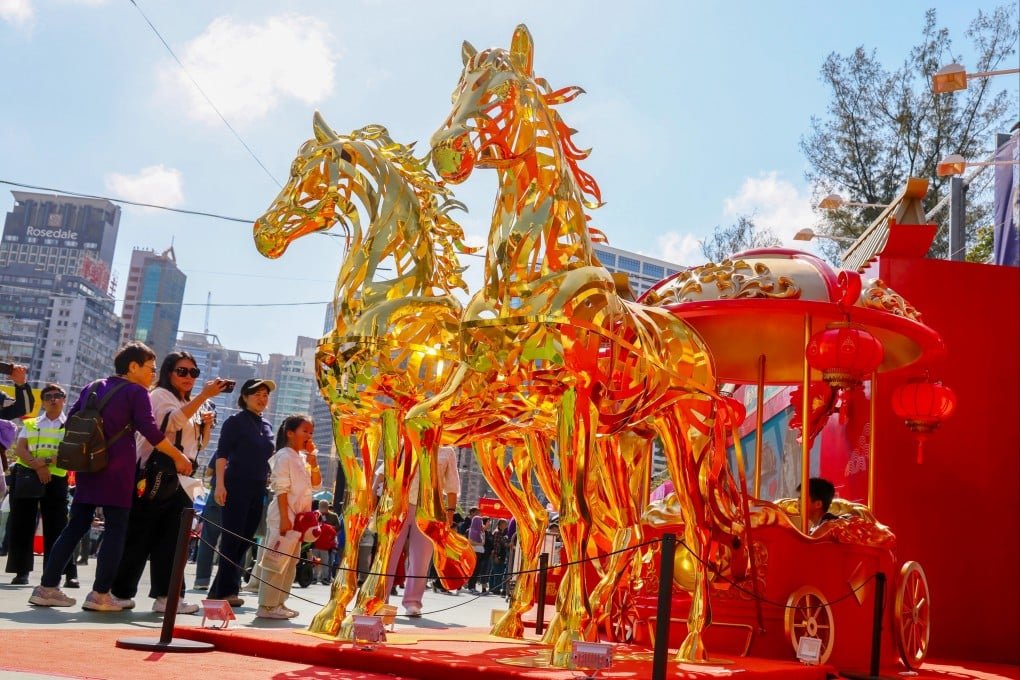
The spirited celebrations and large crowds expected over the Lunar New Year period will test Hong Kong’s transport and hospitality networks while offering opportunities for businesses to capitalise on renewed travel enthusiasm, even as officials stress safety and efficiency in managing the influx.
Government agencies and industry bodies have projected roughly 11.38 million border crossings by residents and visitors over the ten-day holiday period, marking a marked increase from last year’s figures and underscoring the scale of the traditional travel rush.
The Immigration Department’s estimate includes both inbound and outbound trips through air, land and sea checkpoints, with land boundary control points such as Lo Wu, Lok Ma Chau Spur Line and Shenzhen Bay expected to handle the bulk of crossings at more than nine million movements.
Peak travel days are anticipated at the start of the holiday and on the day before it ends when passenger volumes could exceed six hundred thousand, prompting calls for travellers to plan ahead and stagger journeys where possible to reduce congestion.
Tourism stakeholders are also forecasting a strong influx of mainland Chinese visitors during the festive break, with industry estimates pointing to nearly 1.4 million mainland tourists arriving between February 15 and February 23, a year-on-year rise that reflects rising confidence in Hong Kong’s attractions and events calendar.
Hotels in key districts are reporting high occupancy rates, and transport services, including high-speed rail and cross-boundary shuttle channels, are nearing capacity as demand for travel peaks ahead of the holiday.
In response to the anticipated pressure on infrastructure, authorities have mobilised additional resources, including extra counters at key entry points and joint command centres to coordinate traffic and passenger flows in real time.
Public transport agencies and border management teams are working to ensure continuity of operations throughout the peak period, with extended hours and enhanced service frequency aimed at easing bottlenecks and facilitating smoother movement for both residents and visitors.
The seasonal surge in travel highlights both the enduring strength of regional connectivity and the importance of careful logistical planning in a city that serves as a pivotal hub for tourism and cross-boundary commerce.
The spirited celebrations and large crowds expected over the Lunar New Year period will test Hong Kong’s transport and hospitality networks while offering opportunities for businesses to capitalise on renewed travel enthusiasm, even as officials stress safety and efficiency in managing the influx.