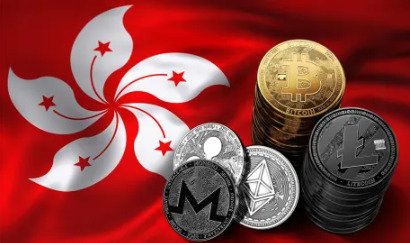
After establishing a comprehensive regulatory regime, the Hong Kong Monetary Authority plans to begin issuing licences for stablecoin issuers early this year
Hong Kong is preparing to issue its first licences to regulated stablecoin issuers in the first quarter of 2026, marking a major milestone in the city’s drive to become a leading global hub for digital assets.
The Hong Kong Monetary Authority confirmed at the World Economic Forum in Davos that under the new regulatory framework, licences will be granted to eligible stablecoin providers, establishing formal oversight of fiat-referenced digital currencies operating in the territory.
This development follows the implementation of the Stablecoins Ordinance on August first, 2025, which made issuance of fiat-referenced stablecoins a regulated activity requiring approval from the HKMA.
The new regime reflects Hong Kong’s efforts to balance innovation in financial technology with investor protection and market stability as institutional interest in stablecoins grows.
The licensing regime sets stringent criteria for applicants, including robust reserve backing, anti-money-laundering and counter-terrorism financing compliance, and sufficient capital, with regulators signalling that only a limited number of licences will be issued initially.
Industry sources indicate that dozens of entities submitted applications by late 2025, underscoring strong interest in participating in Hong Kong’s regulated digital asset ecosystem ahead of the 2026 rollout.
The phased approach is intended to allow authorities to monitor market developments and ensure that licence holders meet high standards of operational and financial resilience before full commercial deployment.
The first stablecoin licences are expected to focus on issuers of digital tokens pegged to major currencies, including the Hong Kong dollar, with broader ambitions to support a wider range of regulated digital financial services over time.
As jurisdictions around the world refine their stablecoin frameworks, Hong Kong’s measured but progressive stance aims to attract institutional participation while safeguarding financial integrity, aligning with global regulatory trends and reinforcing the city’s position in the digital finance landscape.
The Hong Kong Monetary Authority confirmed at the World Economic Forum in Davos that under the new regulatory framework, licences will be granted to eligible stablecoin providers, establishing formal oversight of fiat-referenced digital currencies operating in the territory.
This development follows the implementation of the Stablecoins Ordinance on August first, 2025, which made issuance of fiat-referenced stablecoins a regulated activity requiring approval from the HKMA.
The new regime reflects Hong Kong’s efforts to balance innovation in financial technology with investor protection and market stability as institutional interest in stablecoins grows.
The licensing regime sets stringent criteria for applicants, including robust reserve backing, anti-money-laundering and counter-terrorism financing compliance, and sufficient capital, with regulators signalling that only a limited number of licences will be issued initially.
Industry sources indicate that dozens of entities submitted applications by late 2025, underscoring strong interest in participating in Hong Kong’s regulated digital asset ecosystem ahead of the 2026 rollout.
The phased approach is intended to allow authorities to monitor market developments and ensure that licence holders meet high standards of operational and financial resilience before full commercial deployment.
The first stablecoin licences are expected to focus on issuers of digital tokens pegged to major currencies, including the Hong Kong dollar, with broader ambitions to support a wider range of regulated digital financial services over time.
As jurisdictions around the world refine their stablecoin frameworks, Hong Kong’s measured but progressive stance aims to attract institutional participation while safeguarding financial integrity, aligning with global regulatory trends and reinforcing the city’s position in the digital finance landscape.