Record fundraising levels, regulatory changes and a deep IPO backlog underpin forecasts that Hong Kong will remain a global capital-raising leader next year
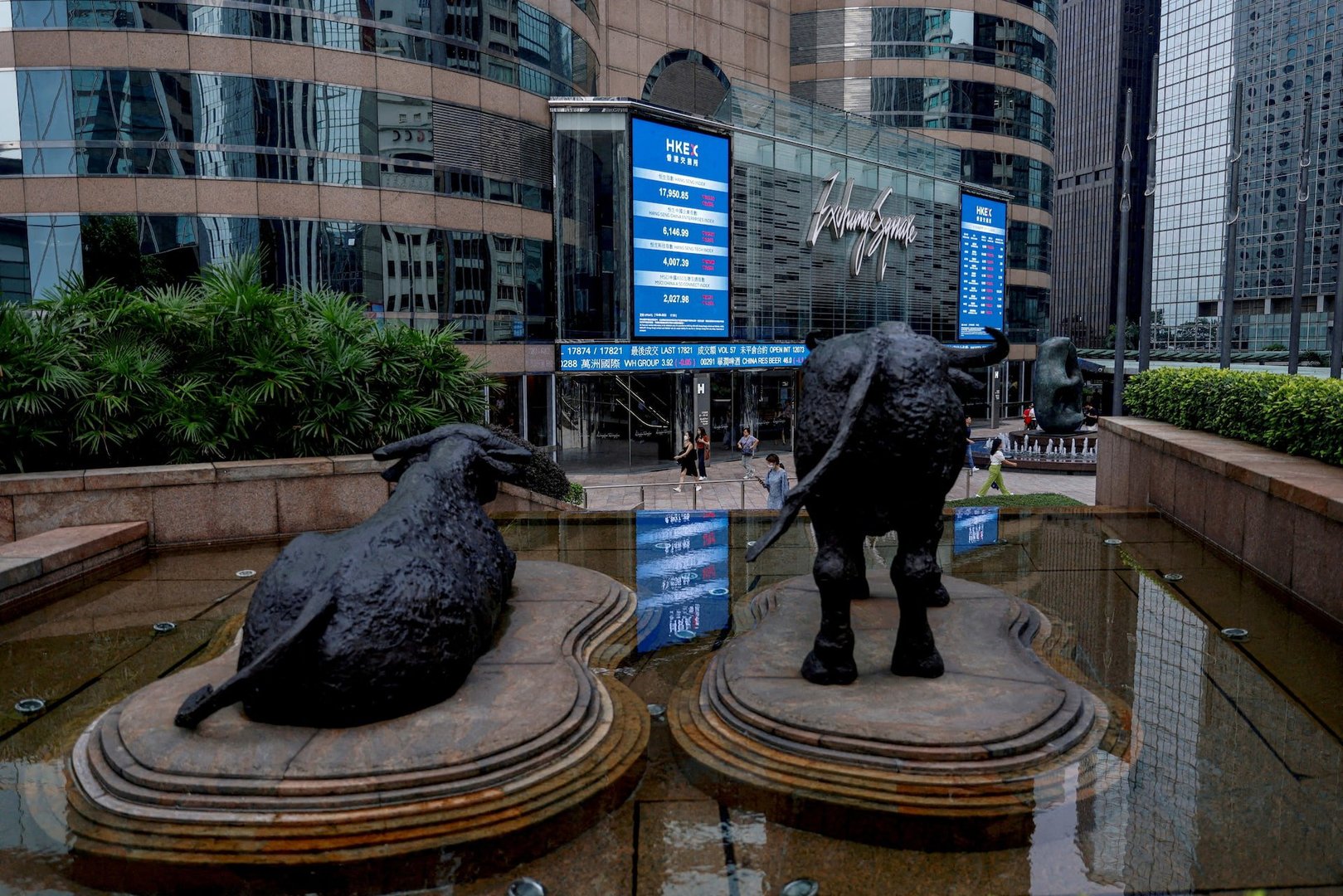
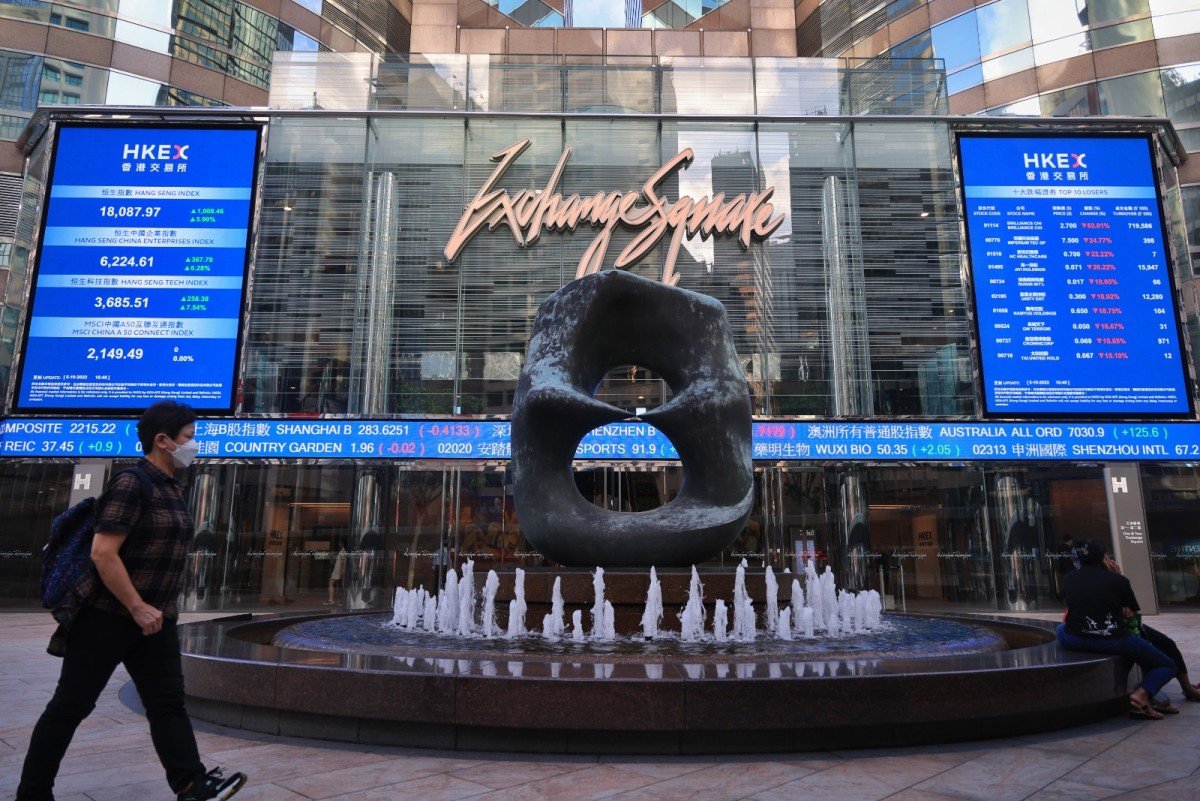
Hong Kong’s initial public offering (IPO) market is widely expected to maintain its strong momentum into 2026, with forecasts suggesting continued high fundraising volumes supported by a robust pipeline of listings and ongoing capital-market reforms.
After a resurgent 2025 that saw Hong Kong reclaim its position as one of the world’s top venues for IPO proceeds — driven by mega deals and a rebound in investor interest — financial institutions predict that next year will see total funds raised of around HK$300 billion to HK$350 billion, underpinned by substantial demand from both domestic and international investors.
This outlook reflects confidence in the city’s ability to attract large-scale offerings and sustain its appeal as a pre-eminent global fundraising hub.
Market analysts point to several factors that support the forecasted continuation of strong IPO activity.
A significant backlog of more than 300 potential listings, including a large number of A+H share candidates that allow firms to list both in Hong Kong and on mainland exchanges, suggests that deal flow will remain robust.
Structural changes to listing rules — such as expedited review channels for technology and biotech firms and lowered float requirements — have also facilitated greater supply, broadening the types of issuers able to enter the market and encouraging companies with strong growth narratives to pursue public offerings.
The anticipated growth in 2026 is further supported by favourable macroeconomic conditions.
Expectations of interest rate cuts by major central banks could boost liquidity and risk appetite, while China’s broader policies to stimulate innovation and domestic consumption are expected to reinforce confidence among issuers and investors alike.
Although some observers warn that market exuberance may not return to the levels seen in Hong Kong’s 2021 peak, the consensus among financial institutions is that the city’s IPO ecosystem is now underpinned by deeper structural foundations and a diversified base of prospective listings, positioning it to remain a central node of global capital markets next year.
After a resurgent 2025 that saw Hong Kong reclaim its position as one of the world’s top venues for IPO proceeds — driven by mega deals and a rebound in investor interest — financial institutions predict that next year will see total funds raised of around HK$300 billion to HK$350 billion, underpinned by substantial demand from both domestic and international investors.
This outlook reflects confidence in the city’s ability to attract large-scale offerings and sustain its appeal as a pre-eminent global fundraising hub.
Market analysts point to several factors that support the forecasted continuation of strong IPO activity.
A significant backlog of more than 300 potential listings, including a large number of A+H share candidates that allow firms to list both in Hong Kong and on mainland exchanges, suggests that deal flow will remain robust.
Structural changes to listing rules — such as expedited review channels for technology and biotech firms and lowered float requirements — have also facilitated greater supply, broadening the types of issuers able to enter the market and encouraging companies with strong growth narratives to pursue public offerings.
The anticipated growth in 2026 is further supported by favourable macroeconomic conditions.
Expectations of interest rate cuts by major central banks could boost liquidity and risk appetite, while China’s broader policies to stimulate innovation and domestic consumption are expected to reinforce confidence among issuers and investors alike.
Although some observers warn that market exuberance may not return to the levels seen in Hong Kong’s 2021 peak, the consensus among financial institutions is that the city’s IPO ecosystem is now underpinned by deeper structural foundations and a diversified base of prospective listings, positioning it to remain a central node of global capital markets next year.