Former leaders of pro-democracy group face subversion charges under China-imposed law in a landmark case on freedom of expression and historical memory
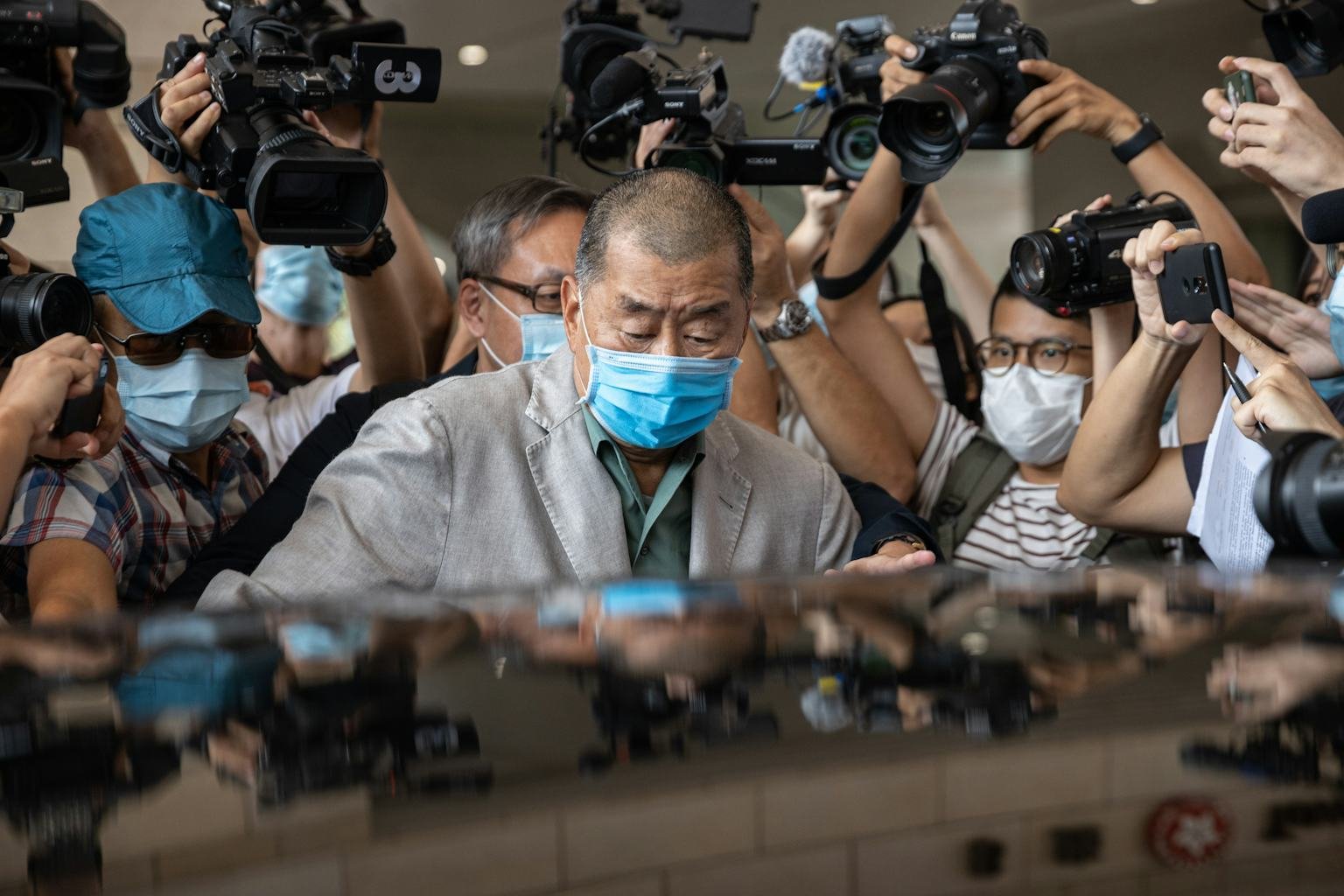
A national security trial has commenced in Hong Kong’s High Court against former leaders of a pro-democracy organisation that for decades organised annual vigils commemorating those killed in the 1989 Tiananmen Square crackdown.
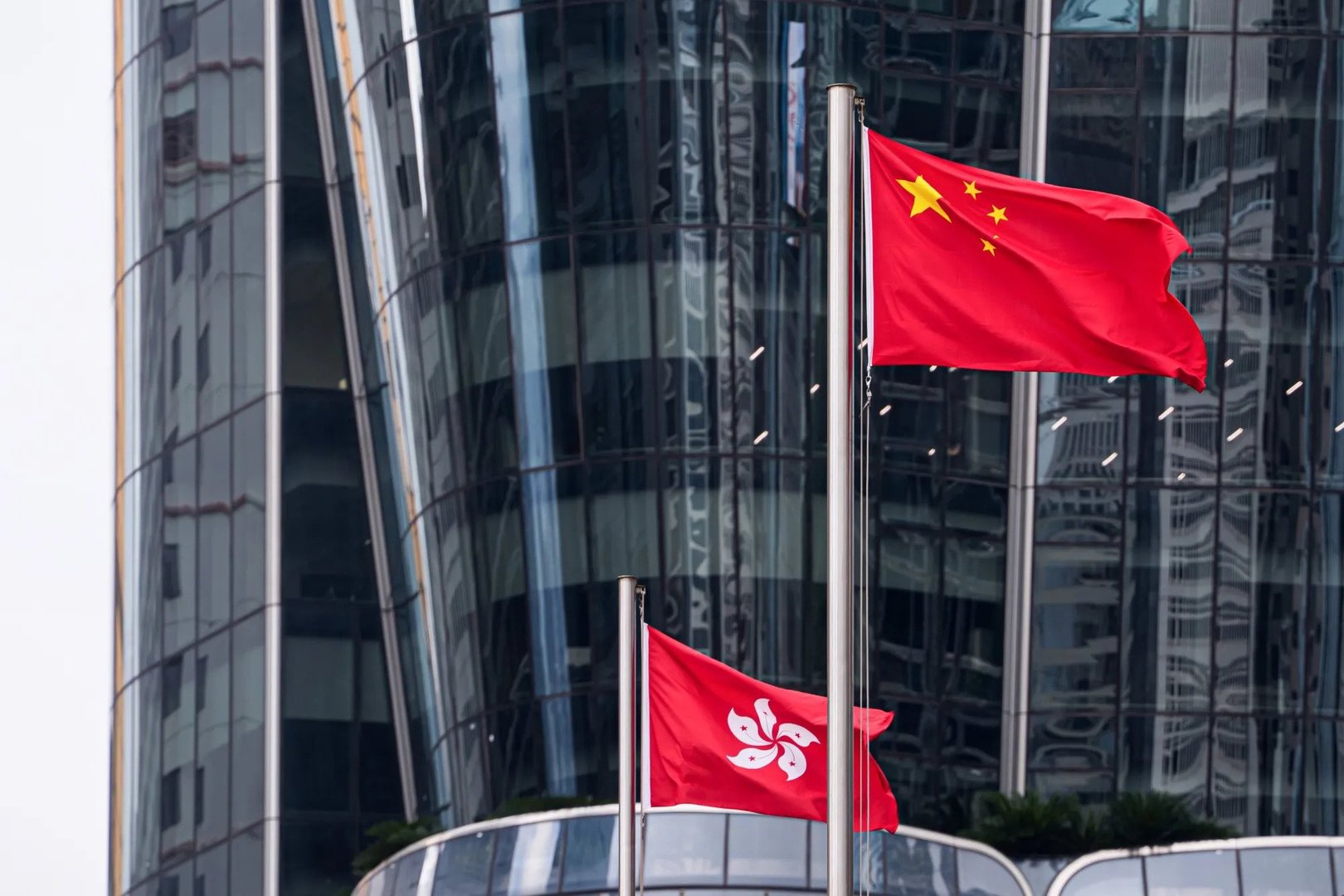
The proceedings mark a prominent application of the city’s national security law, introduced by Beijing in 2020 following widespread anti-government protests.
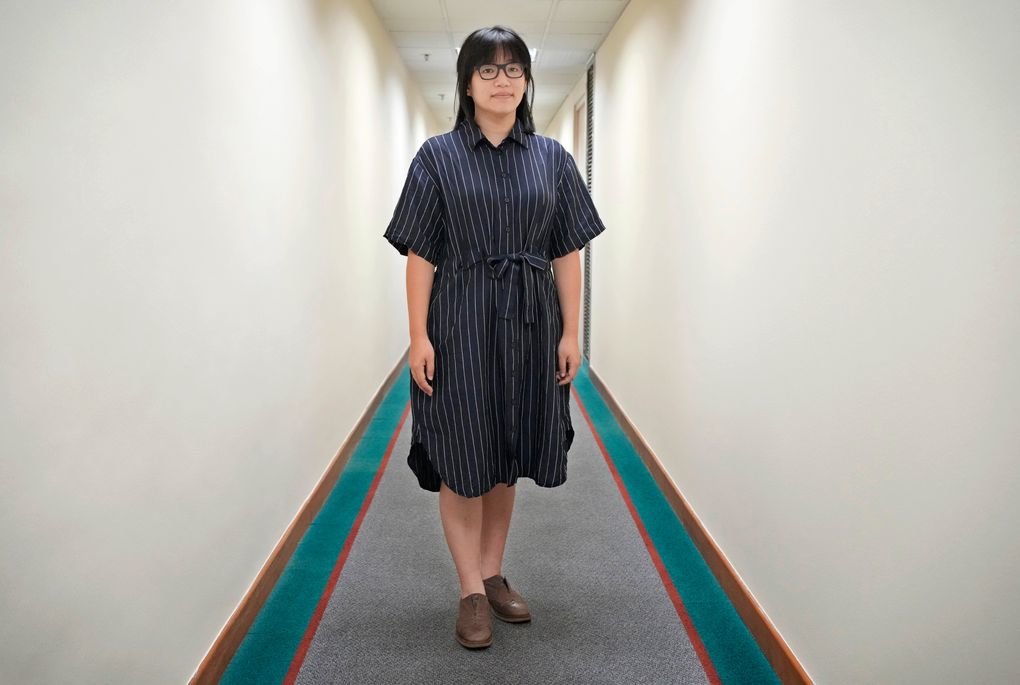
The defendants, including human rights advocate Chow Hang-tung and veteran activist Lee Cheuk-yan, are accused of inciting subversion through their roles in maintaining the movement’s activities even after the law took effect.
A third co-defendant, Albert Ho, is expected to plead guilty, which could influence his sentencing.
The charges stem from activities associated with demanding political change and remembering the June fourth crackdown in mainland China, once tolerated in Hong Kong’s comparatively open civic space.
The case carries a maximum potential sentence of ten years’ imprisonment for each defendant if convicted of “inciting others to organise, plan or act by unlawful means with a view to subverting state power,” as defined under the security legislation.
The trial is expected to continue for approximately seventy-five days, with prosecutors presenting extensive evidence, including video and historical records of the alliance’s activities.
The trial underscores the profound transformation of Hong Kong’s legal and civic environment since the national security law’s enactment, which has led to the closure of numerous civil society groups and the conviction or exile of many pro-democracy figures.
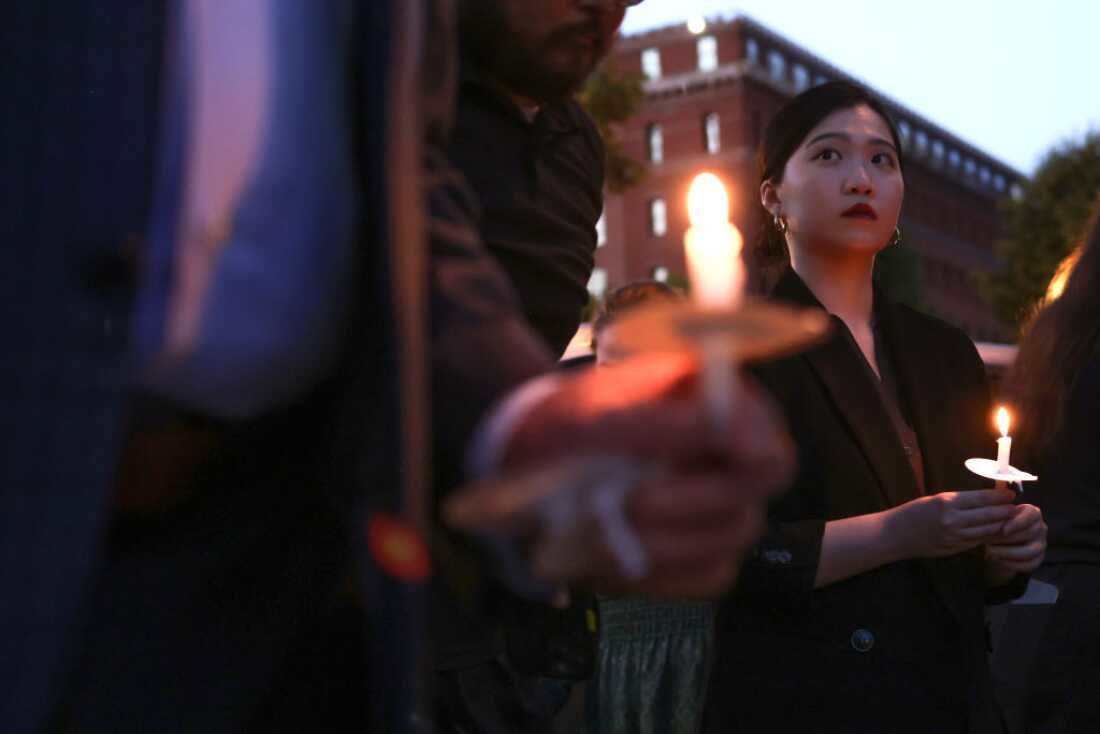
Once an emblem of Hong Kong’s relative freedoms, the annual Tiananmen vigil held at Victoria Park drew tens of thousands until it was banned during the Covid-19 pandemic and subsequently replaced by state-sanctioned events.
The alliance behind the vigils voted to disband in 2021 amid mounting legal pressure.
Rights advocates and international observers have expressed concern that the trial represents a further contraction of freedom of expression and assembly in the city, as authorities argue their enforcement actions are evidence-based and consistent with legal requirements.
Defendants including Chow, who has represented herself in court, previously attempted to challenge the charges on procedural grounds, but courts rejected those motions, signalling the judiciary’s determination to proceed with the case.
As proceedings unfold, the trial is being closely watched as a measure of how national security laws are being applied in practice and the space that remains for dissent and historical remembrance in Hong Kong.
The proceedings mark a prominent application of the city’s national security law, introduced by Beijing in 2020 following widespread anti-government protests.
The defendants, including human rights advocate Chow Hang-tung and veteran activist Lee Cheuk-yan, are accused of inciting subversion through their roles in maintaining the movement’s activities even after the law took effect.
A third co-defendant, Albert Ho, is expected to plead guilty, which could influence his sentencing.
The charges stem from activities associated with demanding political change and remembering the June fourth crackdown in mainland China, once tolerated in Hong Kong’s comparatively open civic space.
The case carries a maximum potential sentence of ten years’ imprisonment for each defendant if convicted of “inciting others to organise, plan or act by unlawful means with a view to subverting state power,” as defined under the security legislation.
The trial is expected to continue for approximately seventy-five days, with prosecutors presenting extensive evidence, including video and historical records of the alliance’s activities.
The trial underscores the profound transformation of Hong Kong’s legal and civic environment since the national security law’s enactment, which has led to the closure of numerous civil society groups and the conviction or exile of many pro-democracy figures.
Once an emblem of Hong Kong’s relative freedoms, the annual Tiananmen vigil held at Victoria Park drew tens of thousands until it was banned during the Covid-19 pandemic and subsequently replaced by state-sanctioned events.
The alliance behind the vigils voted to disband in 2021 amid mounting legal pressure.
Rights advocates and international observers have expressed concern that the trial represents a further contraction of freedom of expression and assembly in the city, as authorities argue their enforcement actions are evidence-based and consistent with legal requirements.
Defendants including Chow, who has represented herself in court, previously attempted to challenge the charges on procedural grounds, but courts rejected those motions, signalling the judiciary’s determination to proceed with the case.
As proceedings unfold, the trial is being closely watched as a measure of how national security laws are being applied in practice and the space that remains for dissent and historical remembrance in Hong Kong.