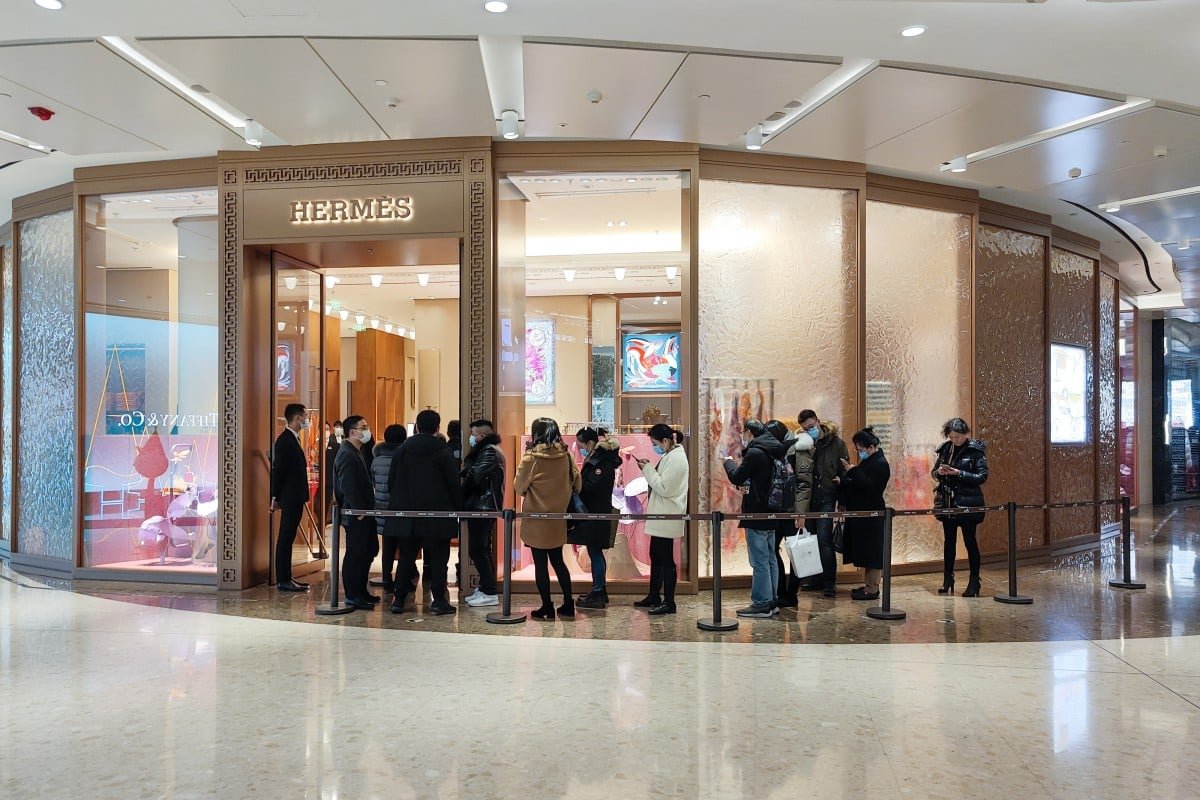
Economic uncertainty and shifting attitudes dampen Chinese household consumption, with luxury goods a notable barometer of broader demand challenges
China’s consumer economy has shown persistent caution throughout the past year, with retail sales and discretionary spending notably subdued even as broader growth stabilises.
While Beijing continues to promote consumption to rebalance the economy, domestic consumer confidence has lagged due to slower income growth, concerns about job stability and broader economic headwinds.
Recent market research and commentary from economists indicate that many households are prioritising savings and essential purchases over high-end discretionary spending.
Industry observers point to a marked slowdown in luxury goods consumption — traditionally one of the most dynamic segments of the Chinese retail market — as a visible symptom of this broader trend.
Analysts refer to a shift in buyer psychology, where affluent and middle-class consumers alike are more restrained in their spending choices, sometimes described in industry discussions as a form of ‘luxury phobia’ or cautious consumption mindset.
While this term does not originate from official government data, it reflects a wider anxiety among consumers who are choosing to defer or forgo purchases of high-end fashion, accessories and lifestyle goods amid economic uncertainty and slower wage growth.
Recent sector reports also suggest that younger buyers are re-evaluating their relationship with luxury brands, increasingly valuing quality, long-term value and experiential spending over conspicuous consumption — a shift underscored by rising interest in domestic premium brands and more value-oriented categories.
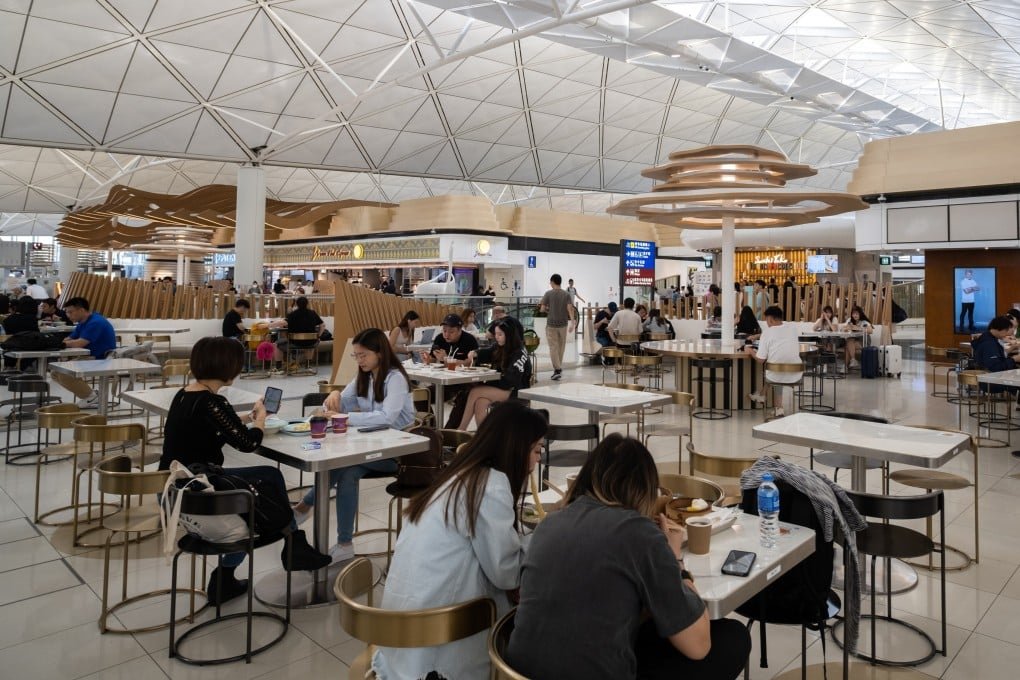
At the macroeconomic level, China’s overall consumption growth remains modest compared with past decades of rapid expansion, even as service sectors such as travel, dining and domestic tourism show pockets of resilience.
Government efforts to stimulate demand, including targeted tax incentives and policy support for rural and urban households, aim to revive wider spending momentum.
Yet the luxury goods segment’s current contraction reflects deeper, multifaceted changes in consumer behaviour that extend beyond simple price or product considerations.
As China’s economy evolves in the post-pandemic era, luxury brands and retailers are adapting strategies to appeal to evolving preferences, balancing traditional prestige with cultural relevance and heightened emphasis on value and sustainability.
While Beijing continues to promote consumption to rebalance the economy, domestic consumer confidence has lagged due to slower income growth, concerns about job stability and broader economic headwinds.
Recent market research and commentary from economists indicate that many households are prioritising savings and essential purchases over high-end discretionary spending.
Industry observers point to a marked slowdown in luxury goods consumption — traditionally one of the most dynamic segments of the Chinese retail market — as a visible symptom of this broader trend.
Analysts refer to a shift in buyer psychology, where affluent and middle-class consumers alike are more restrained in their spending choices, sometimes described in industry discussions as a form of ‘luxury phobia’ or cautious consumption mindset.
While this term does not originate from official government data, it reflects a wider anxiety among consumers who are choosing to defer or forgo purchases of high-end fashion, accessories and lifestyle goods amid economic uncertainty and slower wage growth.
Recent sector reports also suggest that younger buyers are re-evaluating their relationship with luxury brands, increasingly valuing quality, long-term value and experiential spending over conspicuous consumption — a shift underscored by rising interest in domestic premium brands and more value-oriented categories.
At the macroeconomic level, China’s overall consumption growth remains modest compared with past decades of rapid expansion, even as service sectors such as travel, dining and domestic tourism show pockets of resilience.
Government efforts to stimulate demand, including targeted tax incentives and policy support for rural and urban households, aim to revive wider spending momentum.
Yet the luxury goods segment’s current contraction reflects deeper, multifaceted changes in consumer behaviour that extend beyond simple price or product considerations.
As China’s economy evolves in the post-pandemic era, luxury brands and retailers are adapting strategies to appeal to evolving preferences, balancing traditional prestige with cultural relevance and heightened emphasis on value and sustainability.