Export strength offsets weak domestic demand, but fourth-quarter growth underscores mounting economic headwinds
China’s economy expanded by five percent in 2025, meeting Beijing’s official growth target for the year despite a marked slowdown in the fourth quarter, government data released on January 19 show.
The full-year result reflects resilient performance in net exports and industrial output, but quarterly growth moderated to about 4.5 percent — the weakest pace in roughly three years — as internal demand, investment and consumer confidence faltered amid persistent structural challenges.
Officials presented the figures as evidence of steady progress while acknowledging fresh pressures confronting the world’s second-largest economy.
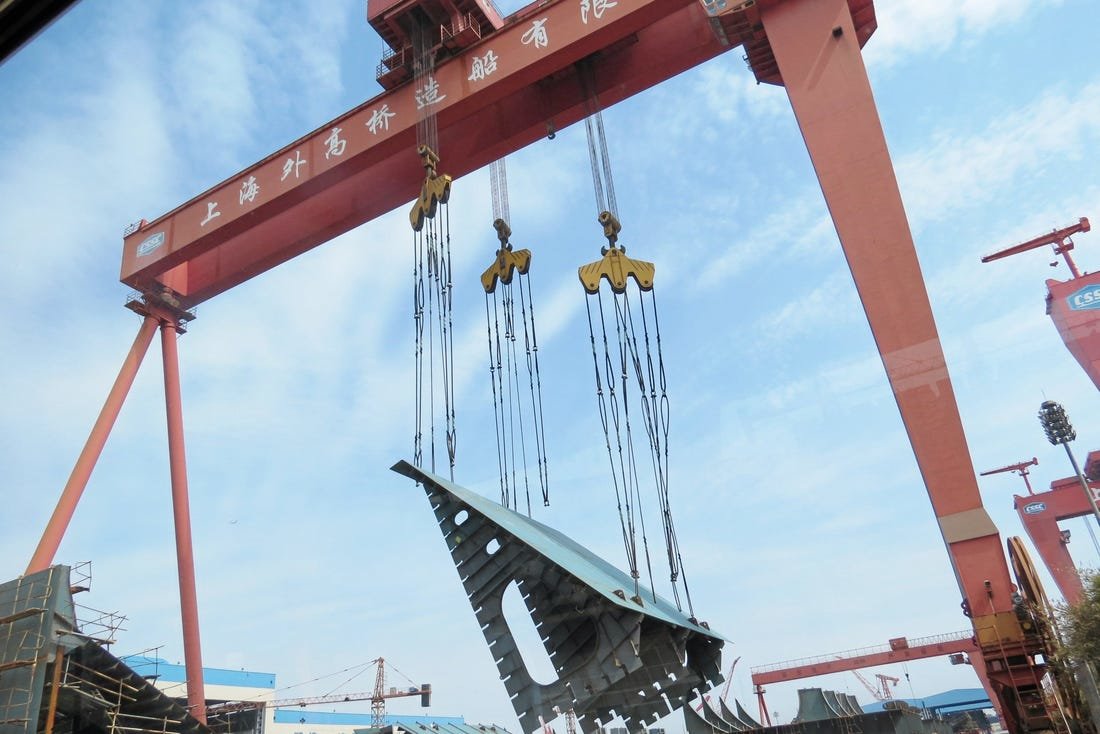
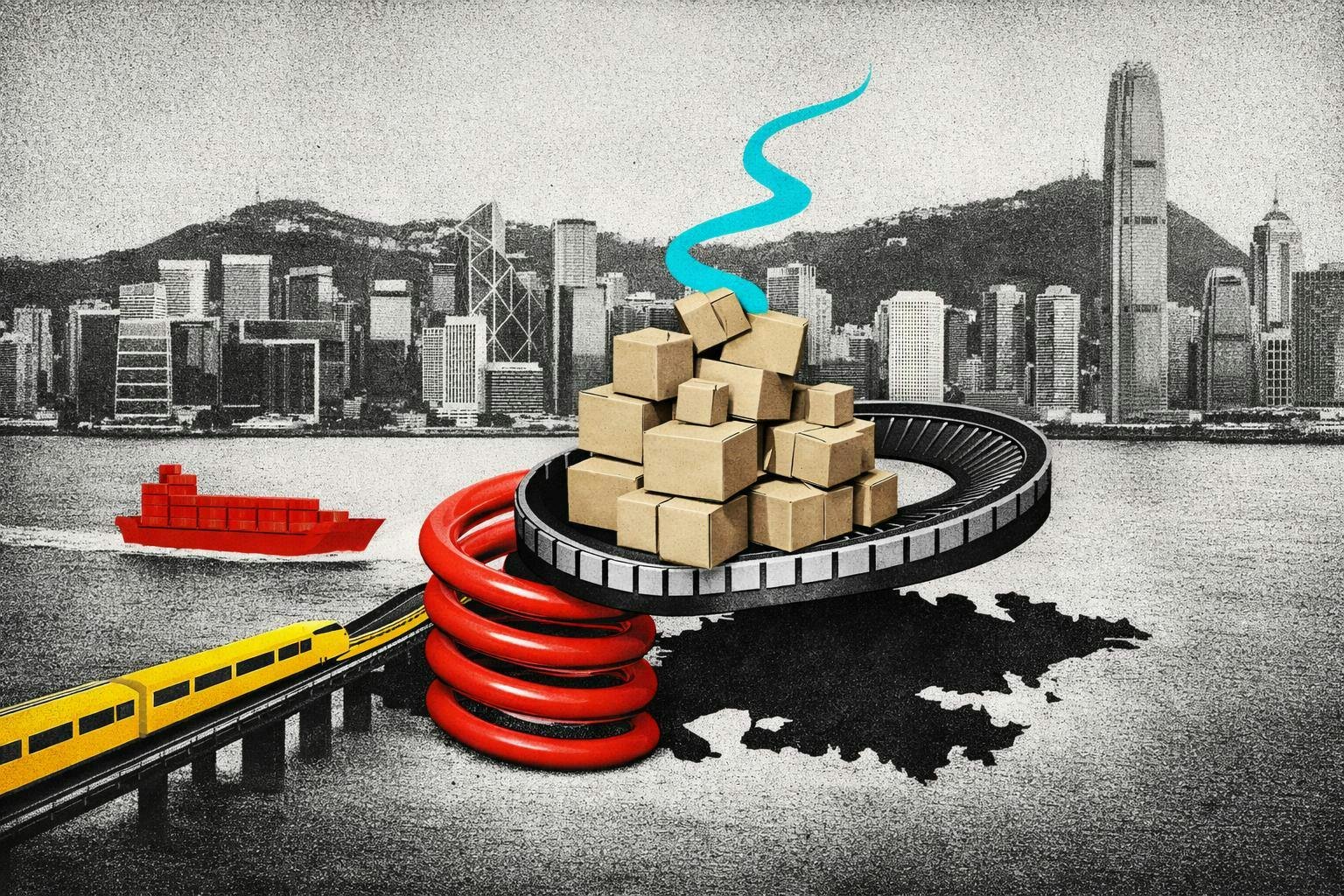
The robust headline figure was buoyed by strong external demand that helped China post a record trade surplus of around US$1.19 trillion, with exports to markets outside the United States and into regions such as Southeast Asia, Europe and Africa expanding even as shipments to the U.S. declined under renewed tariff pressures.
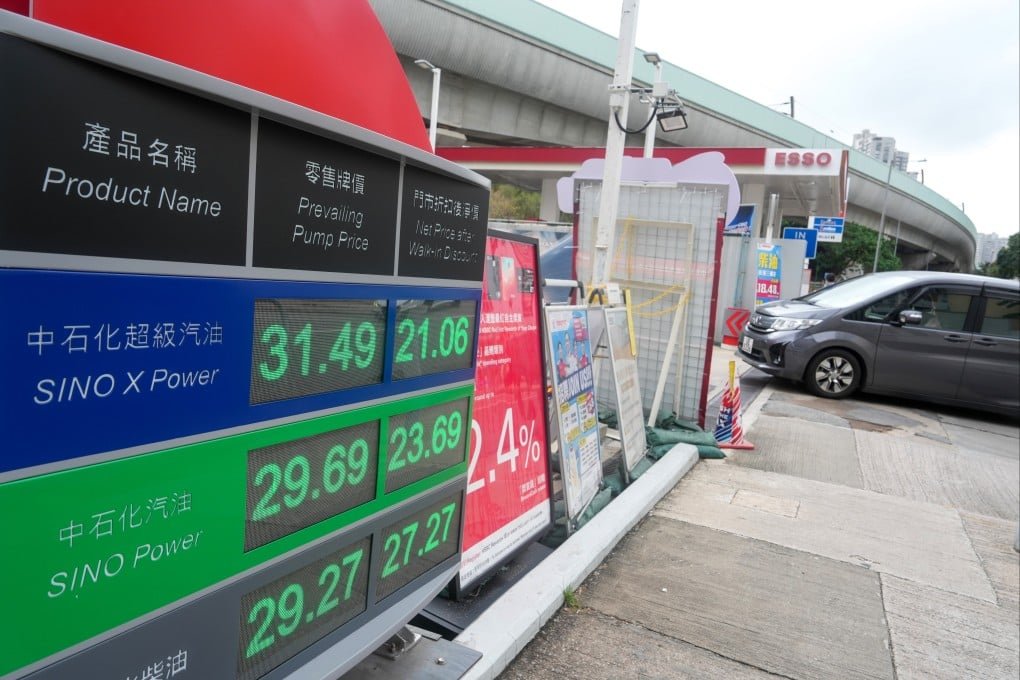
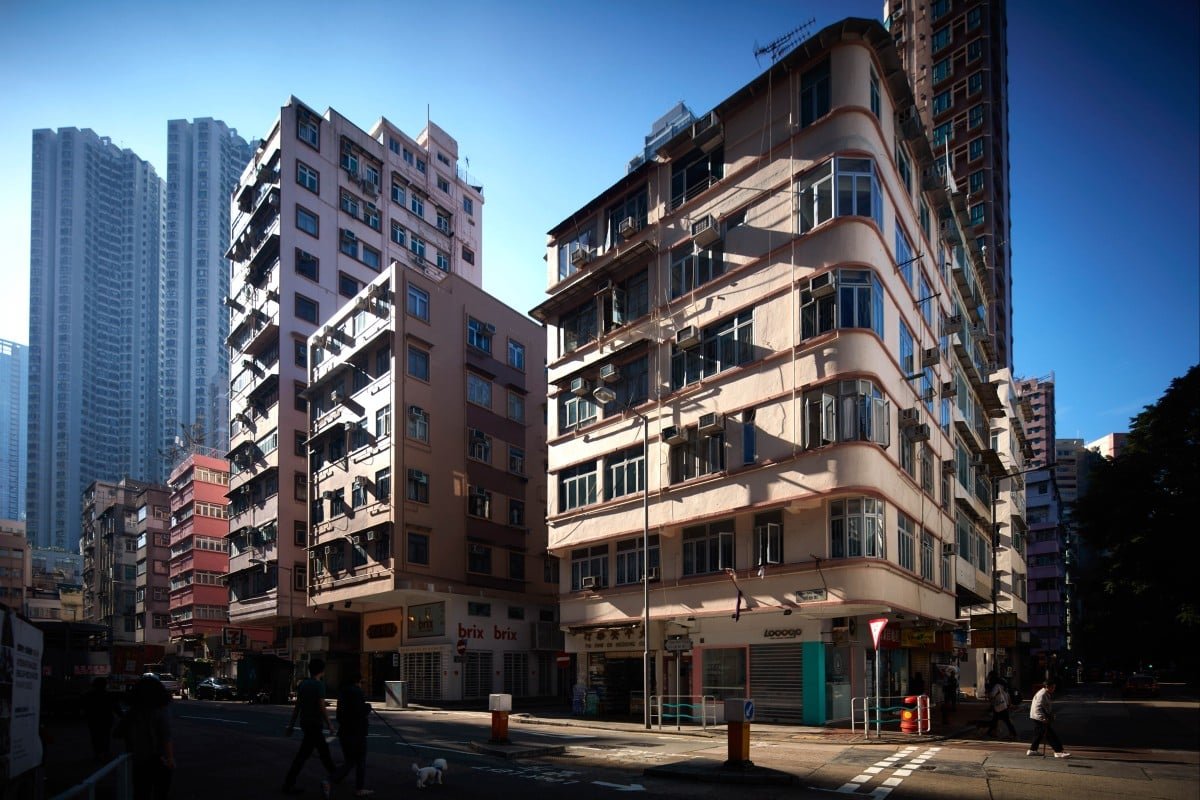
This export resilience played a pivotal role in counterbalancing weak domestic consumption, which was weighed down by a prolonged slump in the property sector, soft retail sales growth and constrained business investment.
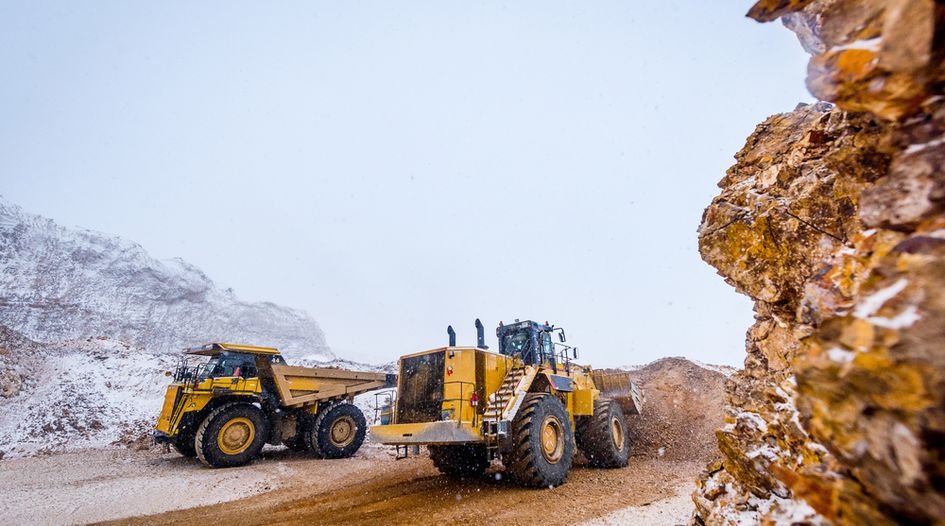
Despite the milestone of meeting the official target, growth dynamics reveal a “two-speed” economy: export-oriented industries and manufacturing have held up reasonably well, while private investment and household spending have lagged.
Analysts have pointed to declining fixed-asset investment — including a contraction not seen in decades — and subdued retail sales as indicators of persistent internal vulnerabilities.
Chinese authorities have continued to emphasise broader policy efforts to stabilise domestic demand, support strategic sectors and maintain employment, even as they prepare for the launch of the 15th Five-Year Plan in 2026, which aims to prioritise innovation, consumption and balanced, high-quality growth.
The full-year result reflects resilient performance in net exports and industrial output, but quarterly growth moderated to about 4.5 percent — the weakest pace in roughly three years — as internal demand, investment and consumer confidence faltered amid persistent structural challenges.
Officials presented the figures as evidence of steady progress while acknowledging fresh pressures confronting the world’s second-largest economy.
The robust headline figure was buoyed by strong external demand that helped China post a record trade surplus of around US$1.19 trillion, with exports to markets outside the United States and into regions such as Southeast Asia, Europe and Africa expanding even as shipments to the U.S. declined under renewed tariff pressures.
This export resilience played a pivotal role in counterbalancing weak domestic consumption, which was weighed down by a prolonged slump in the property sector, soft retail sales growth and constrained business investment.
Despite the milestone of meeting the official target, growth dynamics reveal a “two-speed” economy: export-oriented industries and manufacturing have held up reasonably well, while private investment and household spending have lagged.
Analysts have pointed to declining fixed-asset investment — including a contraction not seen in decades — and subdued retail sales as indicators of persistent internal vulnerabilities.
Chinese authorities have continued to emphasise broader policy efforts to stabilise domestic demand, support strategic sectors and maintain employment, even as they prepare for the launch of the 15th Five-Year Plan in 2026, which aims to prioritise innovation, consumption and balanced, high-quality growth.