Authorities and investigators probe reports that two Hong Kong testing facilities may have received illegally transported biological samples from mainland China
Hong Kong authorities and anti-smuggling investigators are examining allegations that two private laboratories in the city were involved in handling blood samples suspected of being smuggled across the mainland border for prenatal testing.
The cases come amid heightened scrutiny of underground networks that transport biological material out of jurisdictions where certain diagnostic services — including non-medical prenatal sex identification — are banned, while such procedures remain lawful in Hong Kong with appropriate clinical oversight.
Reports indicate that organised intermediaries in mainland China have arranged for pregnant women’s blood samples — collected outside the formal referral chain — to be conveyed to Hong Kong laboratories to enable testing methods based on non-invasive prenatal testing technology, which can determine fetal characteristics weeks earlier than traditional imaging.
This trade has been driven by demand in mainland China, where prenatal sex identification for non-medical reasons is prohibited under local law.
Despite the legality in Hong Kong of legitimate prenatal and genetic screening, professional guidelines require that blood samples only be analysed upon referral by a registered medical practitioner.
Critics say this rule has at times been skirted by some private labs that accepted samples without clear documentation of proper medical referral, creating a grey market that spans the border.
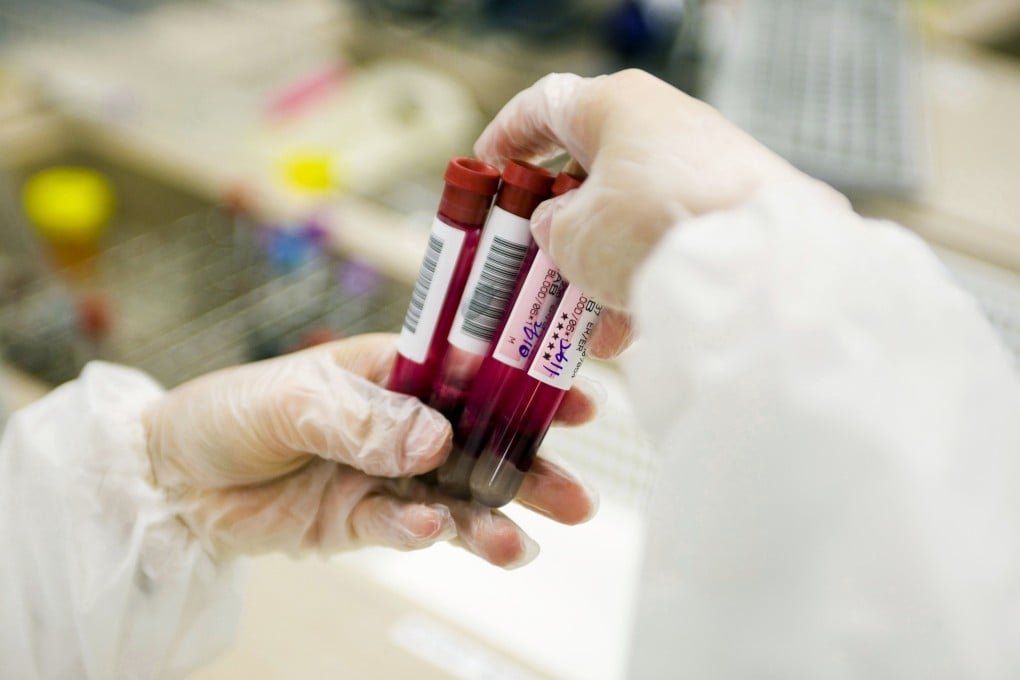
Chinese customs authorities have previously intercepted smugglers carrying vials of blood labeled with individual names and test requests as they attempted to bring them into Hong Kong, underscoring the persistence of cross-border smuggling networks.
Mainland enforcement agencies have targeted rings that shipped tens of thousands of samples to service providers outside the mainland, dubbing these among the largest smuggling cases of their kind when uncovered.
Blood samples transported without required permits could pose biohazard risks as well as contravene mainland export restrictions, although Hong Kong’s Department of Health has said that samples are only restricted if there is reason to suspect they contain infectious agents.
Officials have increased enforcement efforts and referred dozens of cases to health regulators, but prosecutions remain rare due to high evidentiary standards.
Both laboratories at the centre of the current probe have yet to publicly address the specific allegations, and authorities are continuing their inquiries into whether they accepted or processed illegally sourced samples and if regulatory breaches occurred.
The cases come amid heightened scrutiny of underground networks that transport biological material out of jurisdictions where certain diagnostic services — including non-medical prenatal sex identification — are banned, while such procedures remain lawful in Hong Kong with appropriate clinical oversight.
Reports indicate that organised intermediaries in mainland China have arranged for pregnant women’s blood samples — collected outside the formal referral chain — to be conveyed to Hong Kong laboratories to enable testing methods based on non-invasive prenatal testing technology, which can determine fetal characteristics weeks earlier than traditional imaging.
This trade has been driven by demand in mainland China, where prenatal sex identification for non-medical reasons is prohibited under local law.
Despite the legality in Hong Kong of legitimate prenatal and genetic screening, professional guidelines require that blood samples only be analysed upon referral by a registered medical practitioner.
Critics say this rule has at times been skirted by some private labs that accepted samples without clear documentation of proper medical referral, creating a grey market that spans the border.
Chinese customs authorities have previously intercepted smugglers carrying vials of blood labeled with individual names and test requests as they attempted to bring them into Hong Kong, underscoring the persistence of cross-border smuggling networks.
Mainland enforcement agencies have targeted rings that shipped tens of thousands of samples to service providers outside the mainland, dubbing these among the largest smuggling cases of their kind when uncovered.
Blood samples transported without required permits could pose biohazard risks as well as contravene mainland export restrictions, although Hong Kong’s Department of Health has said that samples are only restricted if there is reason to suspect they contain infectious agents.
Officials have increased enforcement efforts and referred dozens of cases to health regulators, but prosecutions remain rare due to high evidentiary standards.
Both laboratories at the centre of the current probe have yet to publicly address the specific allegations, and authorities are continuing their inquiries into whether they accepted or processed illegally sourced samples and if regulatory breaches occurred.