Corporate relocations and rising regional headquarters boost office leasing and strengthen investor confidence in Hong Kong’s property market
Hong Kong’s expanding role as a hub for corporate headquarters is invigorating demand for commercial property, contributing to a broader rebound in the city’s office and retail markets after years of weakness.
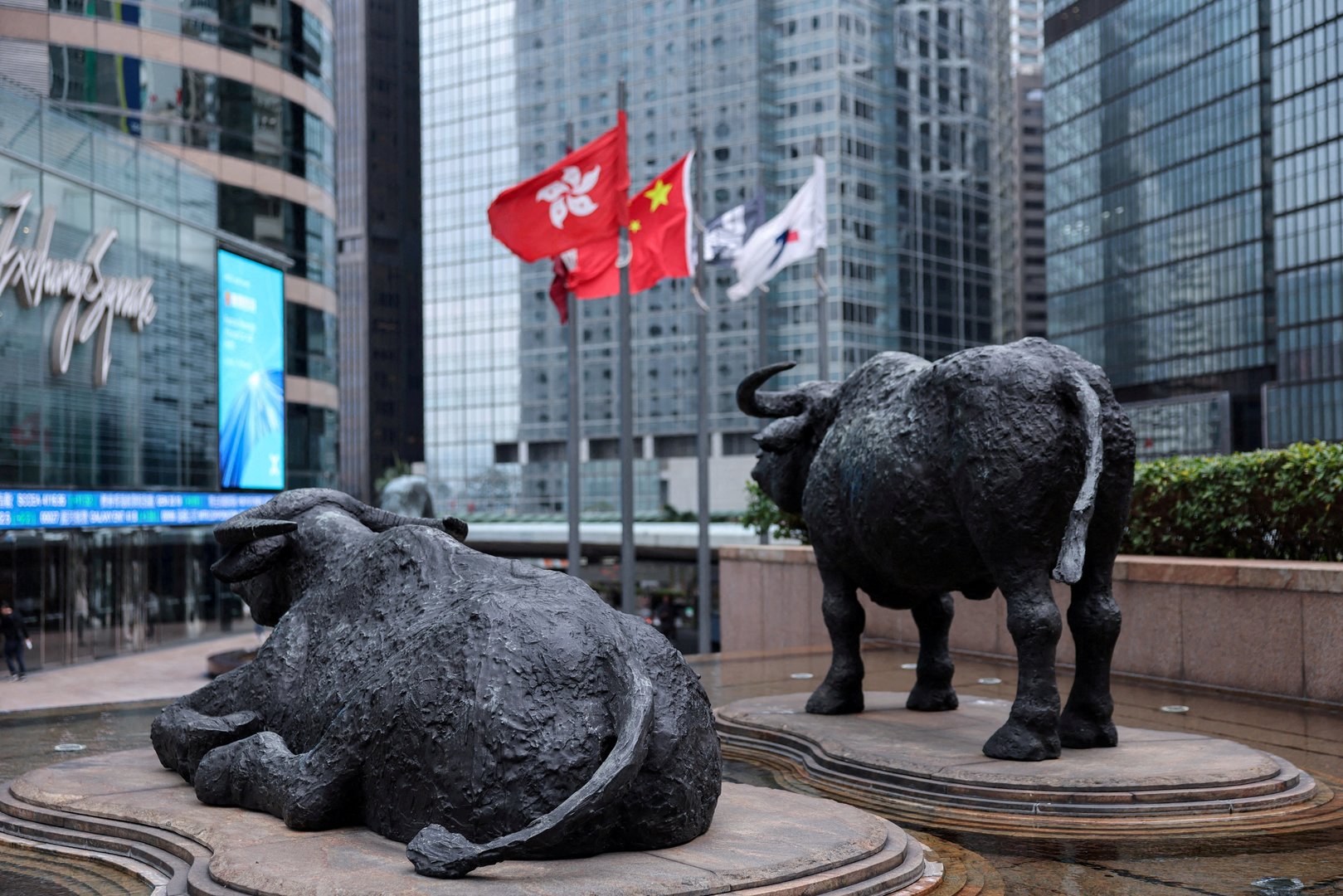
The so-called “headquarters economy,” in which multinational and regional companies establish their main bases in the city, has underpinned stronger leasing activity and encouraged investors to reassess opportunities in prime real estate.
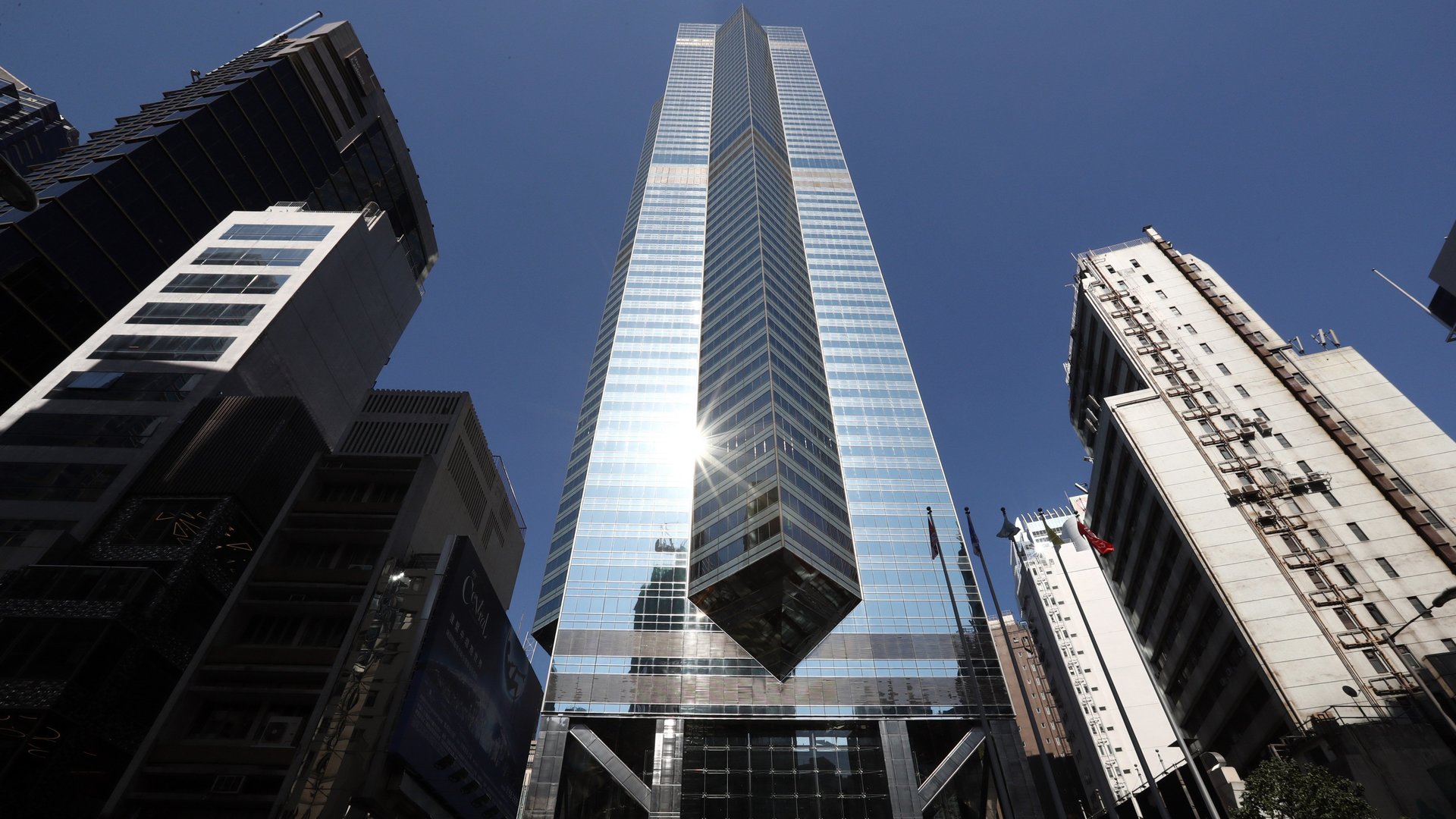
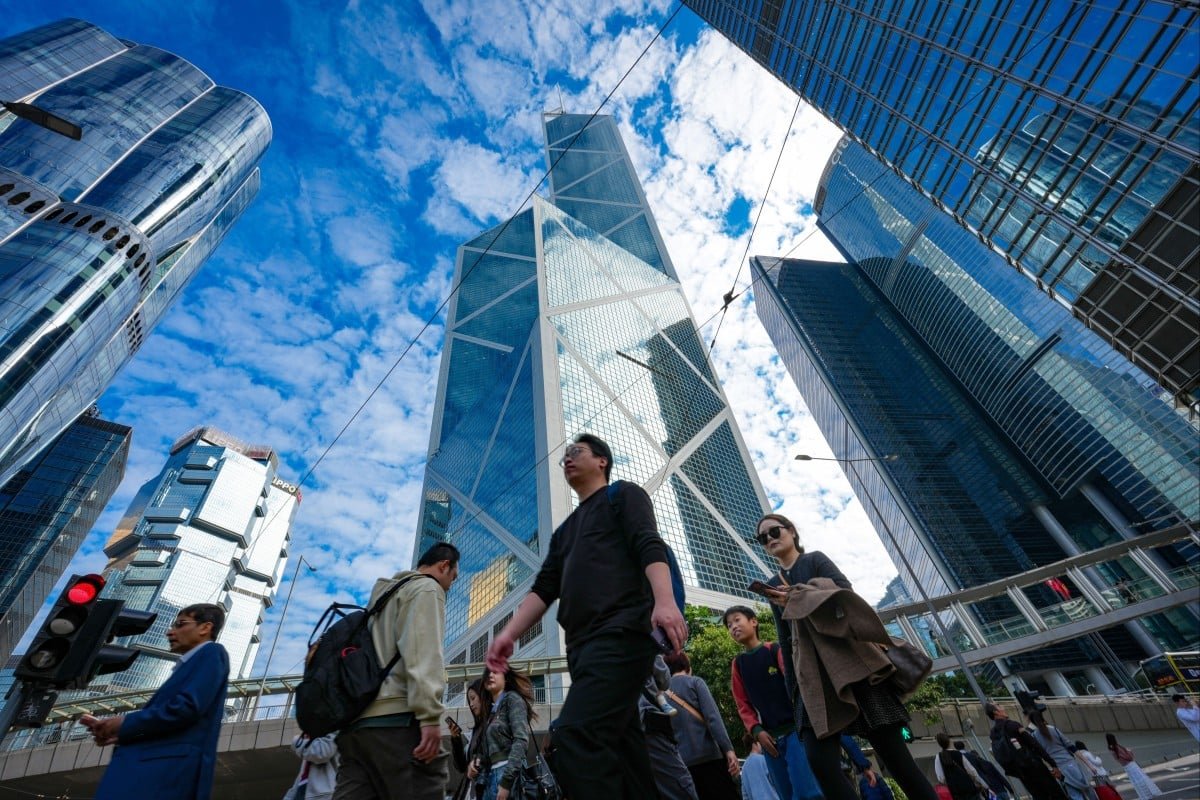
Analysts point to a surge in net absorption of office space in 2025 as evidence of this shift, with Central recording significant gains in recently reported quarterly figures, the strongest in over a decade.
This renewed demand for quality office space comes as locally registered companies hit record levels, with a substantial number of new and redomiciled firms choosing Hong Kong as their base.
The influx of businesses has helped stabilise rents, with the annual decline in overall office rents narrowing significantly, even as vacancy rates remain elevated by historical standards.
A spokesperson for a leading property consultancy noted that the headquarters effect particularly boosts leasing in high-grade buildings that support regional management, capital markets and professional services functions.
The strengthening office market is complemented by a broader commercial property recovery, supported by rising investment activity and improved sentiment.
Consultancy reports show that net absorption across the office sector hit its highest levels since 2018 in 2025, as financial firms, hedge funds and professional services tenants expanded or upgraded their premises.
While new supply scheduled for 2026 could continue to place downward pressure on vacancy and rents, the overall trend reflects more balanced conditions than in recent years.
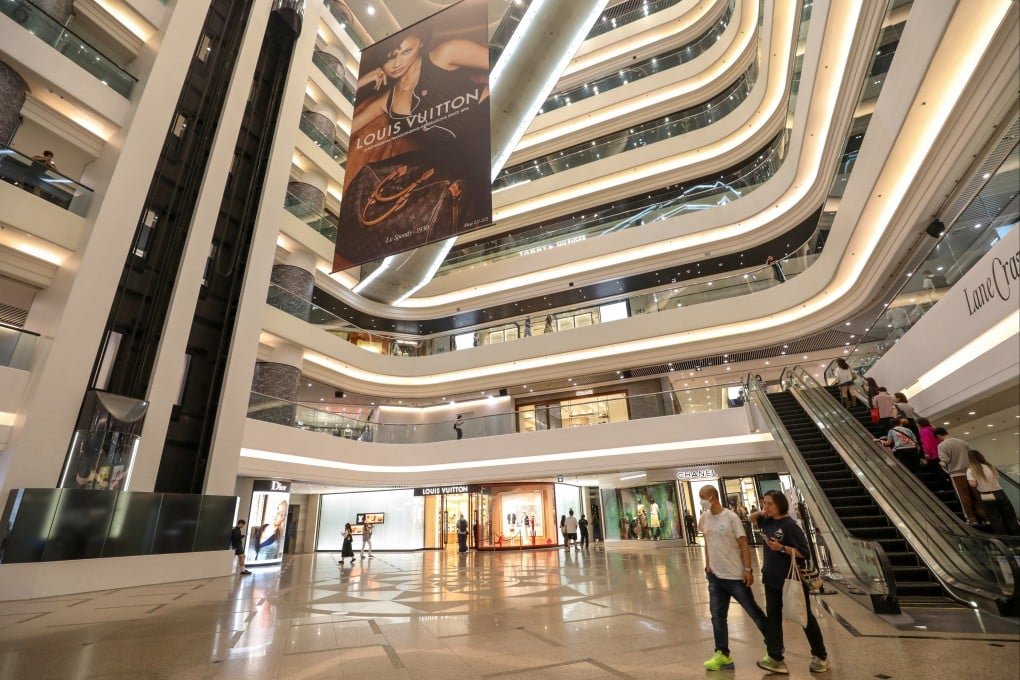
Retail leasing has also benefited from increased corporate foot traffic and tourism, with high-street vacancy rates declining and modest rent growth forecast for 2026. This broader commercial upswing enhances confidence among investors and developers, even as market participants caution that persistent structural challenges such as elevated supply and shifting tenant preferences will continue to shape the landscape.
The headquarters economy’s contribution to commercial property dynamics illustrates how Hong Kong’s enduring appeal as a strategic base for regional operations can translate into tangible property market outcomes, reinforcing the city’s long-term role as a major Asian financial and business centre.
The so-called “headquarters economy,” in which multinational and regional companies establish their main bases in the city, has underpinned stronger leasing activity and encouraged investors to reassess opportunities in prime real estate.
Analysts point to a surge in net absorption of office space in 2025 as evidence of this shift, with Central recording significant gains in recently reported quarterly figures, the strongest in over a decade.
This renewed demand for quality office space comes as locally registered companies hit record levels, with a substantial number of new and redomiciled firms choosing Hong Kong as their base.
The influx of businesses has helped stabilise rents, with the annual decline in overall office rents narrowing significantly, even as vacancy rates remain elevated by historical standards.
A spokesperson for a leading property consultancy noted that the headquarters effect particularly boosts leasing in high-grade buildings that support regional management, capital markets and professional services functions.
The strengthening office market is complemented by a broader commercial property recovery, supported by rising investment activity and improved sentiment.
Consultancy reports show that net absorption across the office sector hit its highest levels since 2018 in 2025, as financial firms, hedge funds and professional services tenants expanded or upgraded their premises.
While new supply scheduled for 2026 could continue to place downward pressure on vacancy and rents, the overall trend reflects more balanced conditions than in recent years.
Retail leasing has also benefited from increased corporate foot traffic and tourism, with high-street vacancy rates declining and modest rent growth forecast for 2026. This broader commercial upswing enhances confidence among investors and developers, even as market participants caution that persistent structural challenges such as elevated supply and shifting tenant preferences will continue to shape the landscape.
The headquarters economy’s contribution to commercial property dynamics illustrates how Hong Kong’s enduring appeal as a strategic base for regional operations can translate into tangible property market outcomes, reinforcing the city’s long-term role as a major Asian financial and business centre.