Jimmy Lai’s 20-year term and related jailings underscore the sharp erosion of press freedoms under China’s national security framework
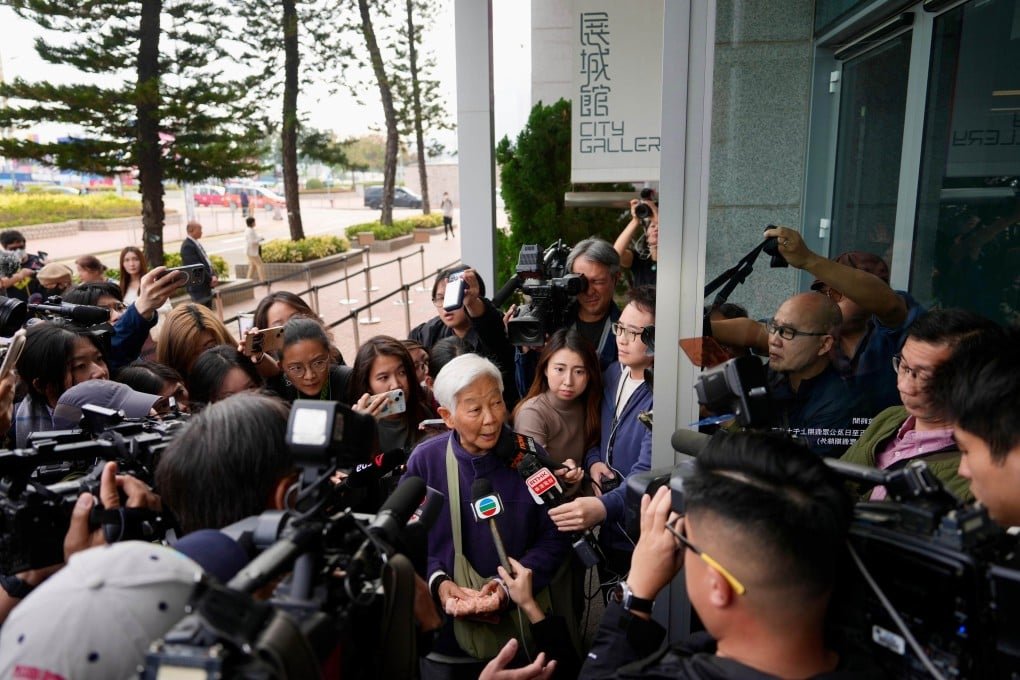
The sentencing this week of media mogul Jimmy Lai and former Apple Daily executives to lengthy prison terms under Hong Kong’s national security law has come to symbolise a profound shift in the city’s media environment, illustrating an era in which independent journalism faces acute peril.
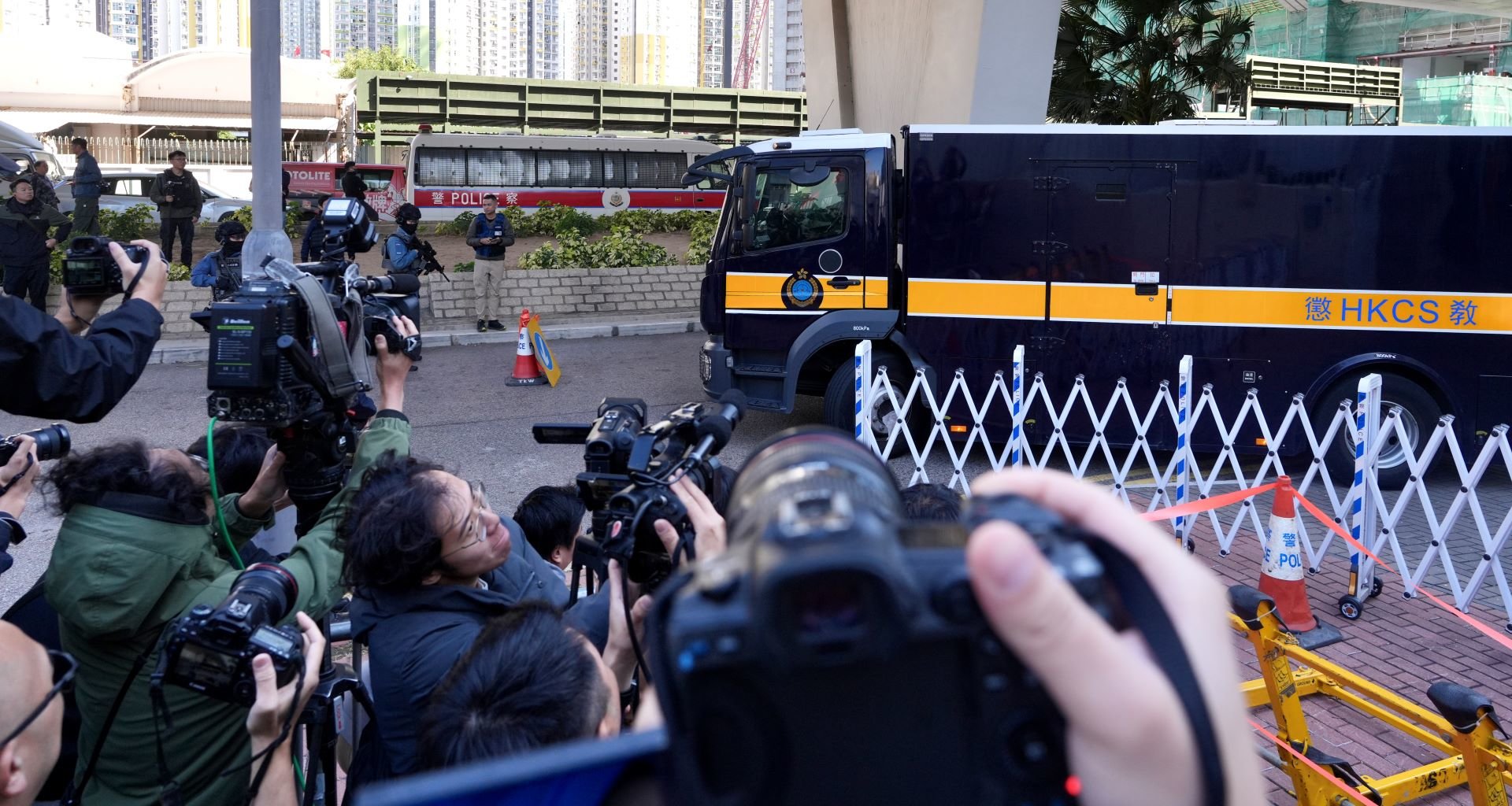
Lai, 78, the founder of the once-vibrant Apple Daily — which was forced to shutter in 2021 after government raids and asset freezes — received a 20-year prison sentence on February 9 for conspiracy to collude with foreign forces and publishing seditious material, the harshest penalty handed down under the 2020 National Security Law since its imposition by Beijing.
The decision follows Lai’s conviction last December by a panel of judges without a jury, in proceedings that cited hundreds of articles as evidence of alleged wrongdoing and reflected authorities’ strict interpretation of national security offences.
Lai’s co-defendants, including six former Apple Daily executives and two activists, received severe sentences ranging from around six to ten years after guilty pleas or cooperation with prosecutors.
Their prosecutions and penalties represent the most high-profile media-linked trial in Hong Kong’s recent history and crystallise authorities’ determination to enforce security laws against perceived dissent.
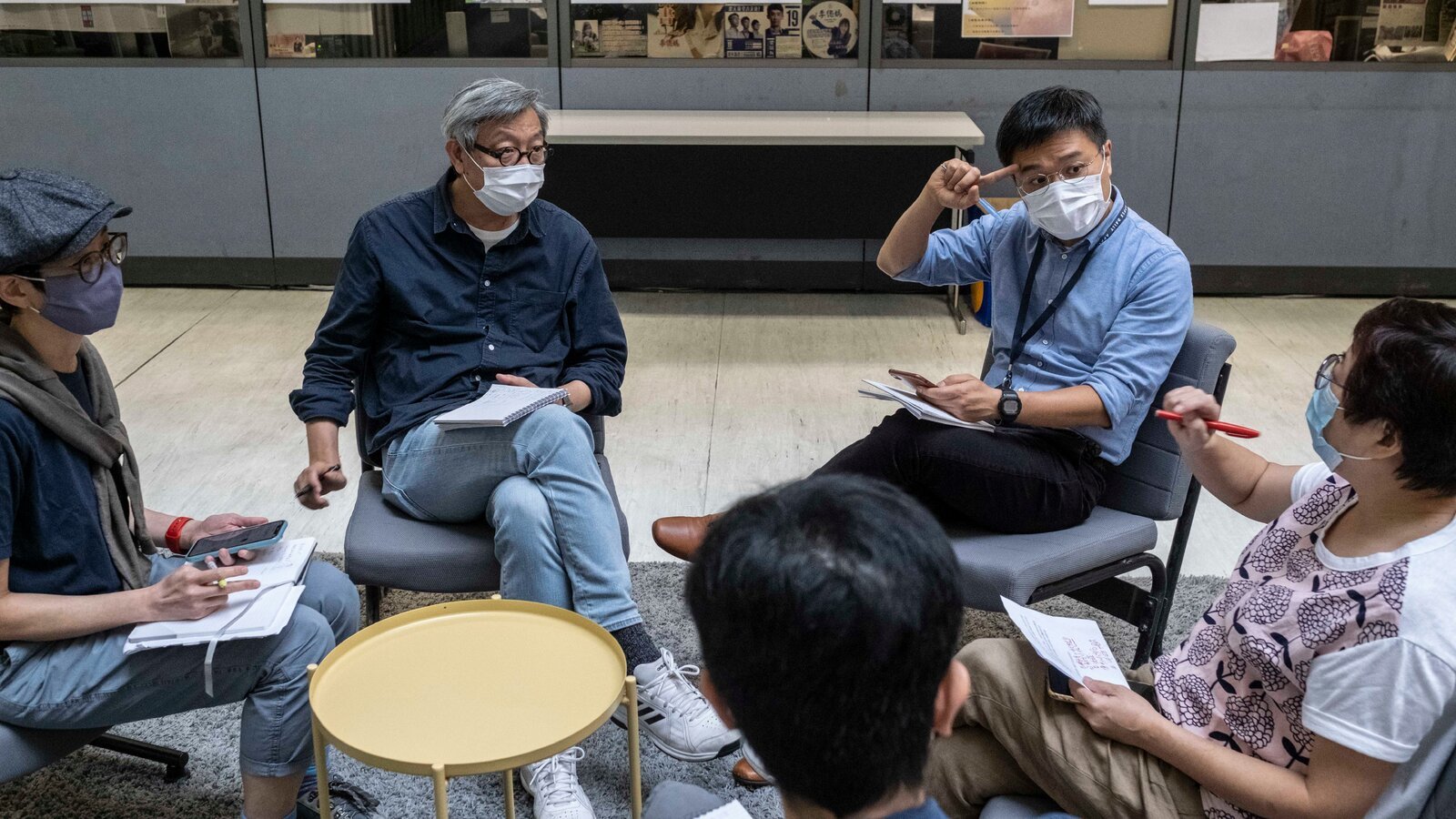
Once a leading voice advocating democratic values and editorial independence, Apple Daily’s closure was part of a broader crackdown on independent media following the introduction of the national security law in response to widescale pro-democracy protests in 2019. Since then, numerous outlets have folded or significantly curtailed operations, and journalists have faced arrests, prosecutions and heightened self-censorship, reshaping the landscape for press freedom in the city.
International reaction to Lai’s sentence has been swift and critical.
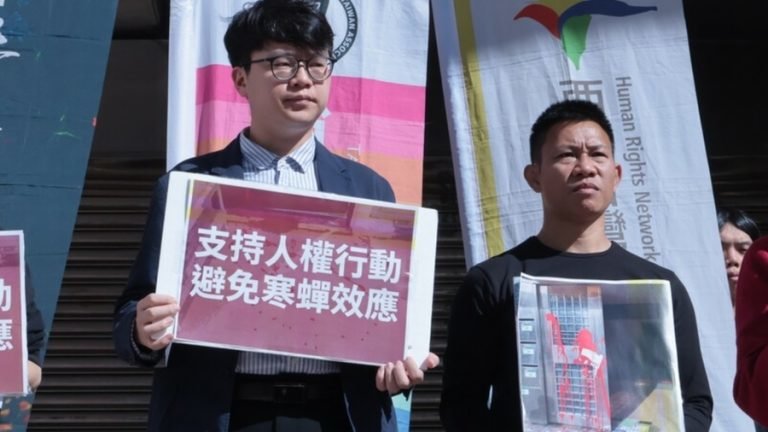
Western governments, multilateral bodies and rights groups have described the ruling as disproportionate and damaging to media freedoms, warning that it erodes Hong Kong’s reputation as a global financial centre with an autonomous legal system.
Authorities in Beijing and Hong Kong staunchly defend the convictions as lawful applications of security statutes necessary to safeguard stability and national interest.
Amid this sharp divergence of views, Lai’s sentencing is widely seen as a defining moment in the ongoing contest between press autonomy and state security imperatives in the former British colony.
Lai, 78, the founder of the once-vibrant Apple Daily — which was forced to shutter in 2021 after government raids and asset freezes — received a 20-year prison sentence on February 9 for conspiracy to collude with foreign forces and publishing seditious material, the harshest penalty handed down under the 2020 National Security Law since its imposition by Beijing.
The decision follows Lai’s conviction last December by a panel of judges without a jury, in proceedings that cited hundreds of articles as evidence of alleged wrongdoing and reflected authorities’ strict interpretation of national security offences.
Lai’s co-defendants, including six former Apple Daily executives and two activists, received severe sentences ranging from around six to ten years after guilty pleas or cooperation with prosecutors.
Their prosecutions and penalties represent the most high-profile media-linked trial in Hong Kong’s recent history and crystallise authorities’ determination to enforce security laws against perceived dissent.
Once a leading voice advocating democratic values and editorial independence, Apple Daily’s closure was part of a broader crackdown on independent media following the introduction of the national security law in response to widescale pro-democracy protests in 2019. Since then, numerous outlets have folded or significantly curtailed operations, and journalists have faced arrests, prosecutions and heightened self-censorship, reshaping the landscape for press freedom in the city.
International reaction to Lai’s sentence has been swift and critical.
Western governments, multilateral bodies and rights groups have described the ruling as disproportionate and damaging to media freedoms, warning that it erodes Hong Kong’s reputation as a global financial centre with an autonomous legal system.
Authorities in Beijing and Hong Kong staunchly defend the convictions as lawful applications of security statutes necessary to safeguard stability and national interest.
Amid this sharp divergence of views, Lai’s sentencing is widely seen as a defining moment in the ongoing contest between press autonomy and state security imperatives in the former British colony.