Washington denounces the lengthy prison term for the pro-democracy media figure and calls for his release on compassionate grounds amid international concern
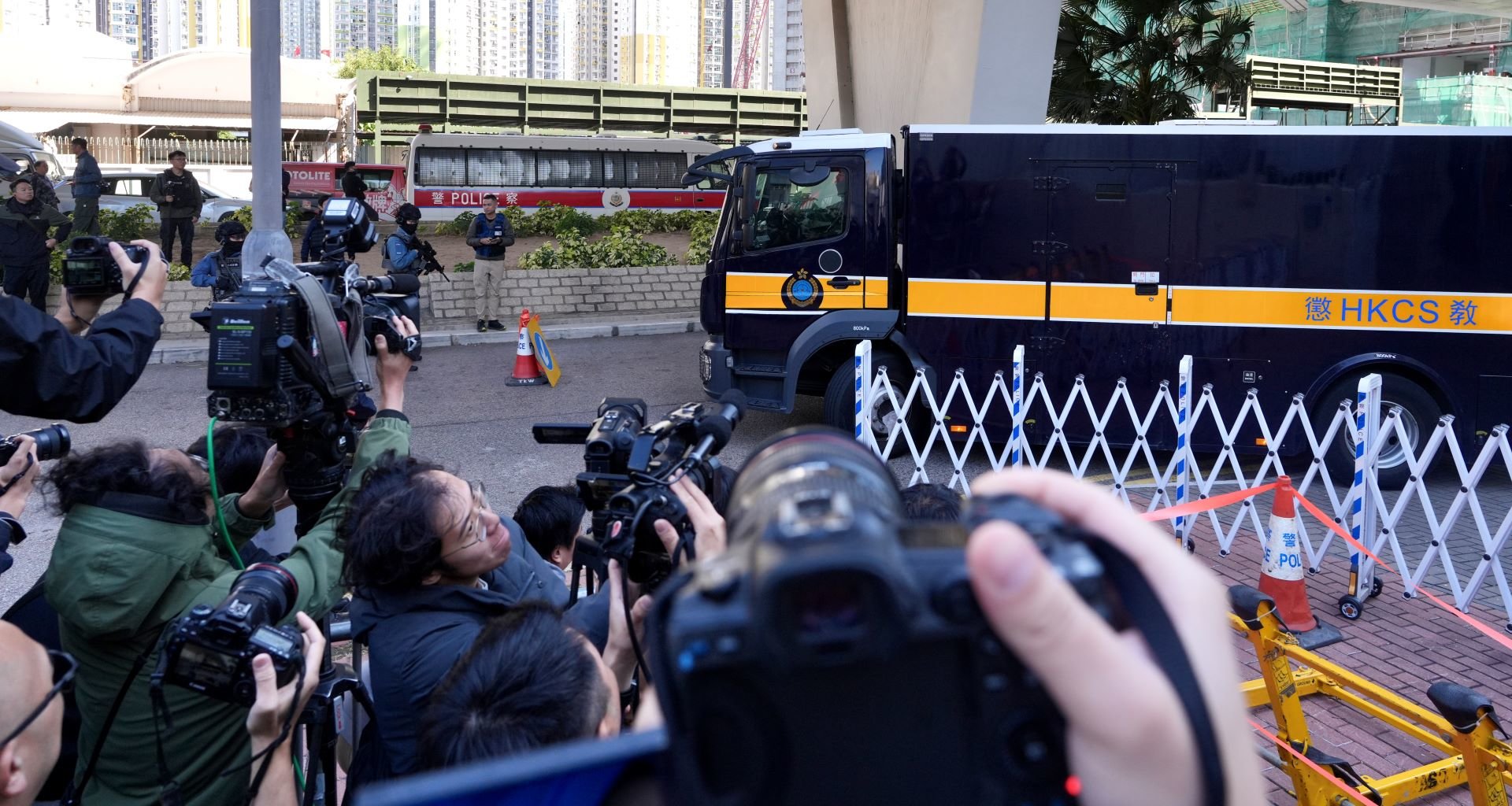
The United States government has sharply criticised the 20-year prison sentence handed down to Hong Kong pro-democracy media tycoon Jimmy Lai, denouncing the punishment as unjust and urging Chinese authorities to grant humanitarian relief.
The U.S. State Department described the sentence imposed on February 9 under Hong Kong’s national security law as ‘‘an unjust and tragic conclusion’’ to the case, asserting that it highlights Beijing’s willingness to silence advocates for fundamental freedoms in the former British colony.
Lai, a 78-year-old founder of the now-defunct pro-democracy newspaper Apple Daily and a vocal critic of China’s Communist Party, was convicted in December 2025 on charges of conspiracy to collude with foreign forces and conspiring to publish seditious articles.
Monday’s sentence — the harshest handed down under the 2020 national security law — has drawn widespread global attention and concern.
U.S. officials said Washington is urging Chinese and Hong Kong authorities to consider granting Lai humanitarian parole given his age and health, framing the case as emblematic of broader fears over diminishing political space and press freedom in Hong Kong.
The statement echoed broader international reactions from Western capitals and multilateral bodies that have criticised the verdict and called for Lai’s release.
The White House’s response underscores ongoing U.S. policy commitments, including under the Hong Kong Human Rights and Democracy Act, which obliges Washington to assess human rights conditions in the territory and consider targeted measures in response to erosion of autonomy.
U.S. lawmakers have repeatedly cited Lai’s case as a measure of the health of Hong Kong’s rule of law and civil liberties.
Beijing and Hong Kong authorities have defended the prosecution and sentence as lawful enforcement of national security protections, rejecting foreign criticism as interference in internal affairs.
Still, Washington’s public denunciation and calls for humanitarian relief highlight sustained geopolitical tensions over Hong Kong’s governance and the treatment of dissidents and independent journalists under the national security framework.
The U.S. State Department described the sentence imposed on February 9 under Hong Kong’s national security law as ‘‘an unjust and tragic conclusion’’ to the case, asserting that it highlights Beijing’s willingness to silence advocates for fundamental freedoms in the former British colony.
Lai, a 78-year-old founder of the now-defunct pro-democracy newspaper Apple Daily and a vocal critic of China’s Communist Party, was convicted in December 2025 on charges of conspiracy to collude with foreign forces and conspiring to publish seditious articles.
Monday’s sentence — the harshest handed down under the 2020 national security law — has drawn widespread global attention and concern.
U.S. officials said Washington is urging Chinese and Hong Kong authorities to consider granting Lai humanitarian parole given his age and health, framing the case as emblematic of broader fears over diminishing political space and press freedom in Hong Kong.
The statement echoed broader international reactions from Western capitals and multilateral bodies that have criticised the verdict and called for Lai’s release.
The White House’s response underscores ongoing U.S. policy commitments, including under the Hong Kong Human Rights and Democracy Act, which obliges Washington to assess human rights conditions in the territory and consider targeted measures in response to erosion of autonomy.
U.S. lawmakers have repeatedly cited Lai’s case as a measure of the health of Hong Kong’s rule of law and civil liberties.
Beijing and Hong Kong authorities have defended the prosecution and sentence as lawful enforcement of national security protections, rejecting foreign criticism as interference in internal affairs.
Still, Washington’s public denunciation and calls for humanitarian relief highlight sustained geopolitical tensions over Hong Kong’s governance and the treatment of dissidents and independent journalists under the national security framework.