Cash-in-transit risks and industry practices raise questions about protective measures following a series of violent thefts targeting currency handlers
Recent high-value robberies targeting currency exchange staff in Hong Kong have prompted renewed scrutiny of security protocols within the foreign exchange and money-handling sector, raising questions about whether current safeguards adequately address the risks faced by firms and their personnel.
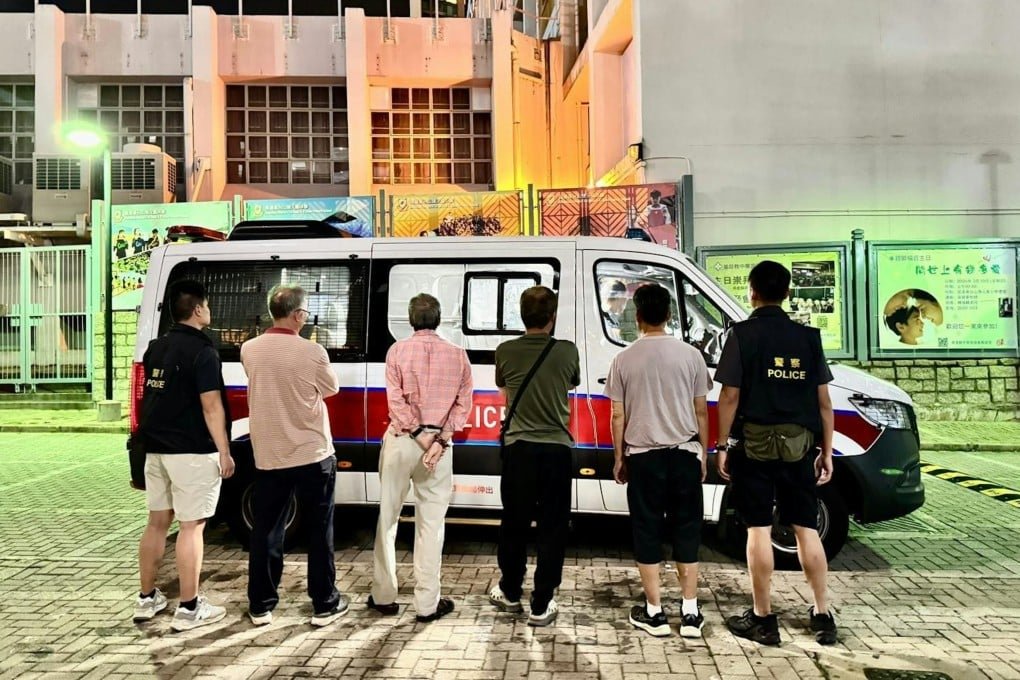
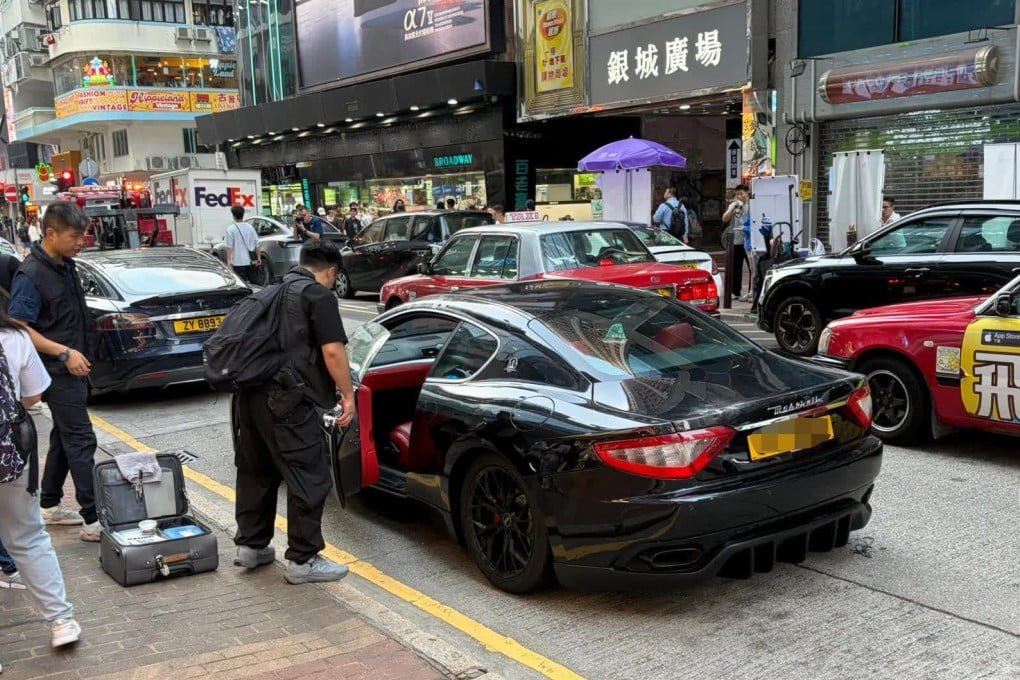
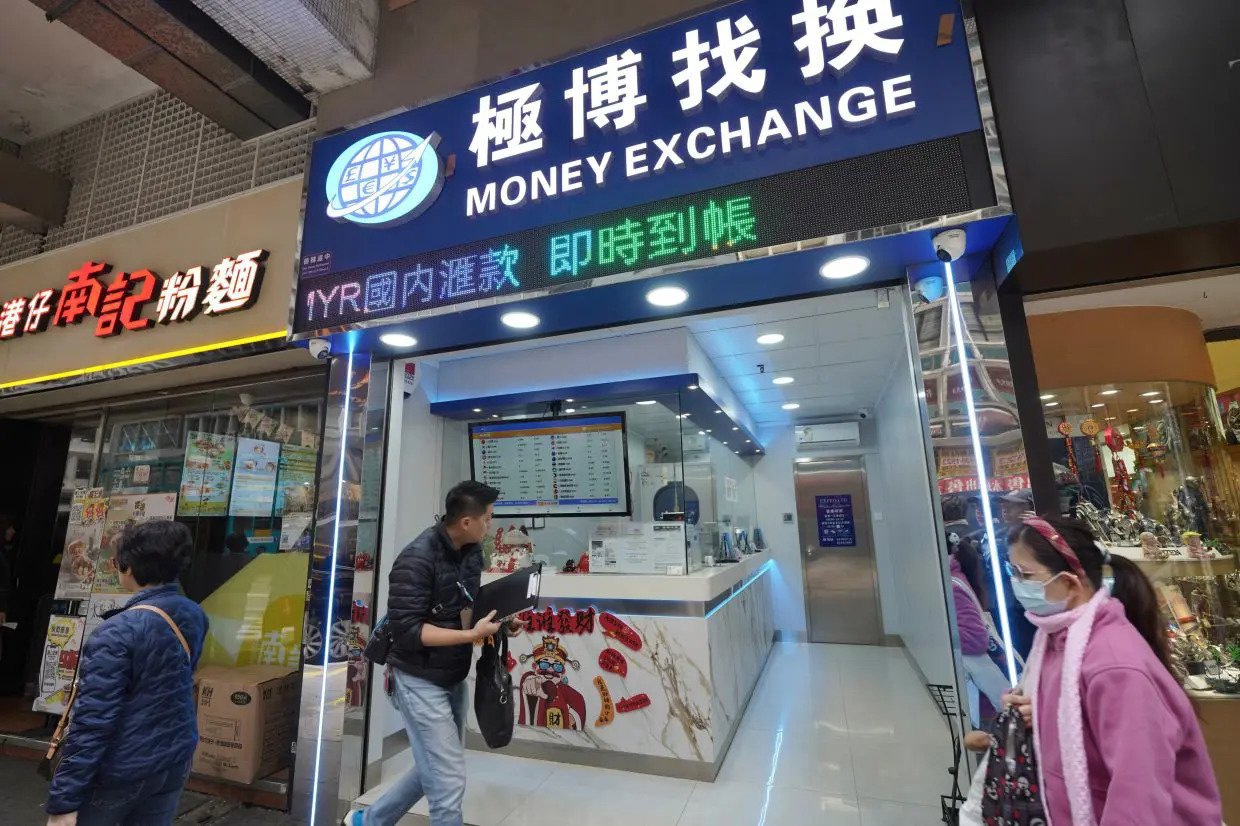
In late January, two employees carrying large amounts of Japanese yen were ambushed outside a Sheung Wan money changer and robbed of tens of millions of yen in cash, a case that led to multiple arrests and the recovery of some of the stolen funds.
Police said one of the individuals who initially reported being a victim was later arrested on suspicion of acting as an insider in the plot, underscoring complexities in how these incidents unfold.
Industry insiders acknowledge that carrying large amounts of cash between Hong Kong and overseas partners has been a long-standing practice for some money service operators, particularly when firms need to replenish specific foreign currency stocks or execute exchanges in the absence of direct banking arrangements.
Licensed operators are subject to oversight by Hong Kong’s Customs and Excise Department and must meet anti-money-laundering requirements and record-keeping obligations for sizeable transactions, but critics argue that regulation does not fully mitigate physical security risks inherent in moving large cash consignments.
Consultants and exchange executives say that while typical due diligence and customer verification processes help in screening clients, firms often rely on informal cash exchanges with counterparties, leaving employees vulnerable when transporting funds through public spaces.
Some operators have advised the use of armed escorts or professional cash-in-transit services once transaction values exceed defined thresholds, noting that insurance and guarded transport become more cost-effective at higher sums.
Regulatory requirements also compel individuals entering Hong Kong with substantial amounts of cash to make formal customs declarations, but there is no mandate on declaring the intended use of funds, and compliance rates vary.
Observers say that enhanced industry-wide security standards, broader adoption of armored transport, and closer coordination with law enforcement during high-volume periods could reduce the likelihood of opportunistic attacks.
While the recent robbery spurred arrests and highlighted potential insider involvement, it has also underscored the need for foreign exchange firms to reassess physical security alongside financial controls.
As the sector navigates both regulatory expectations and evolving criminal tactics, experts stress that comprehensive risk management frameworks — combining technology, protocol and personnel training — are essential to reassure clients and protect staff in a city long viewed as a financial hub with relatively low physical crime relative to other global centres.
In late January, two employees carrying large amounts of Japanese yen were ambushed outside a Sheung Wan money changer and robbed of tens of millions of yen in cash, a case that led to multiple arrests and the recovery of some of the stolen funds.
Police said one of the individuals who initially reported being a victim was later arrested on suspicion of acting as an insider in the plot, underscoring complexities in how these incidents unfold.
Industry insiders acknowledge that carrying large amounts of cash between Hong Kong and overseas partners has been a long-standing practice for some money service operators, particularly when firms need to replenish specific foreign currency stocks or execute exchanges in the absence of direct banking arrangements.
Licensed operators are subject to oversight by Hong Kong’s Customs and Excise Department and must meet anti-money-laundering requirements and record-keeping obligations for sizeable transactions, but critics argue that regulation does not fully mitigate physical security risks inherent in moving large cash consignments.
Consultants and exchange executives say that while typical due diligence and customer verification processes help in screening clients, firms often rely on informal cash exchanges with counterparties, leaving employees vulnerable when transporting funds through public spaces.
Some operators have advised the use of armed escorts or professional cash-in-transit services once transaction values exceed defined thresholds, noting that insurance and guarded transport become more cost-effective at higher sums.
Regulatory requirements also compel individuals entering Hong Kong with substantial amounts of cash to make formal customs declarations, but there is no mandate on declaring the intended use of funds, and compliance rates vary.
Observers say that enhanced industry-wide security standards, broader adoption of armored transport, and closer coordination with law enforcement during high-volume periods could reduce the likelihood of opportunistic attacks.
While the recent robbery spurred arrests and highlighted potential insider involvement, it has also underscored the need for foreign exchange firms to reassess physical security alongside financial controls.
As the sector navigates both regulatory expectations and evolving criminal tactics, experts stress that comprehensive risk management frameworks — combining technology, protocol and personnel training — are essential to reassure clients and protect staff in a city long viewed as a financial hub with relatively low physical crime relative to other global centres.