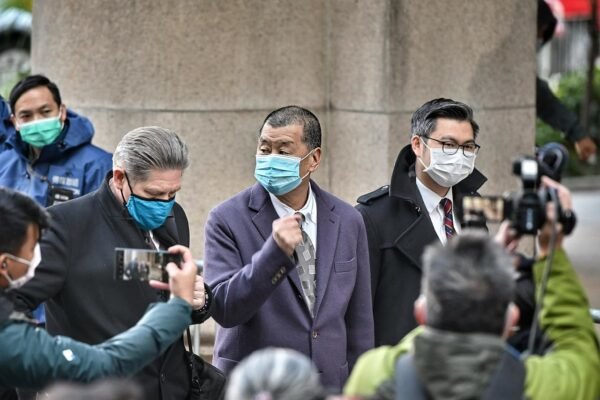
The landmark national security conviction of the media entrepreneur has intensified debate over the city’s role as an international financial and legal hub
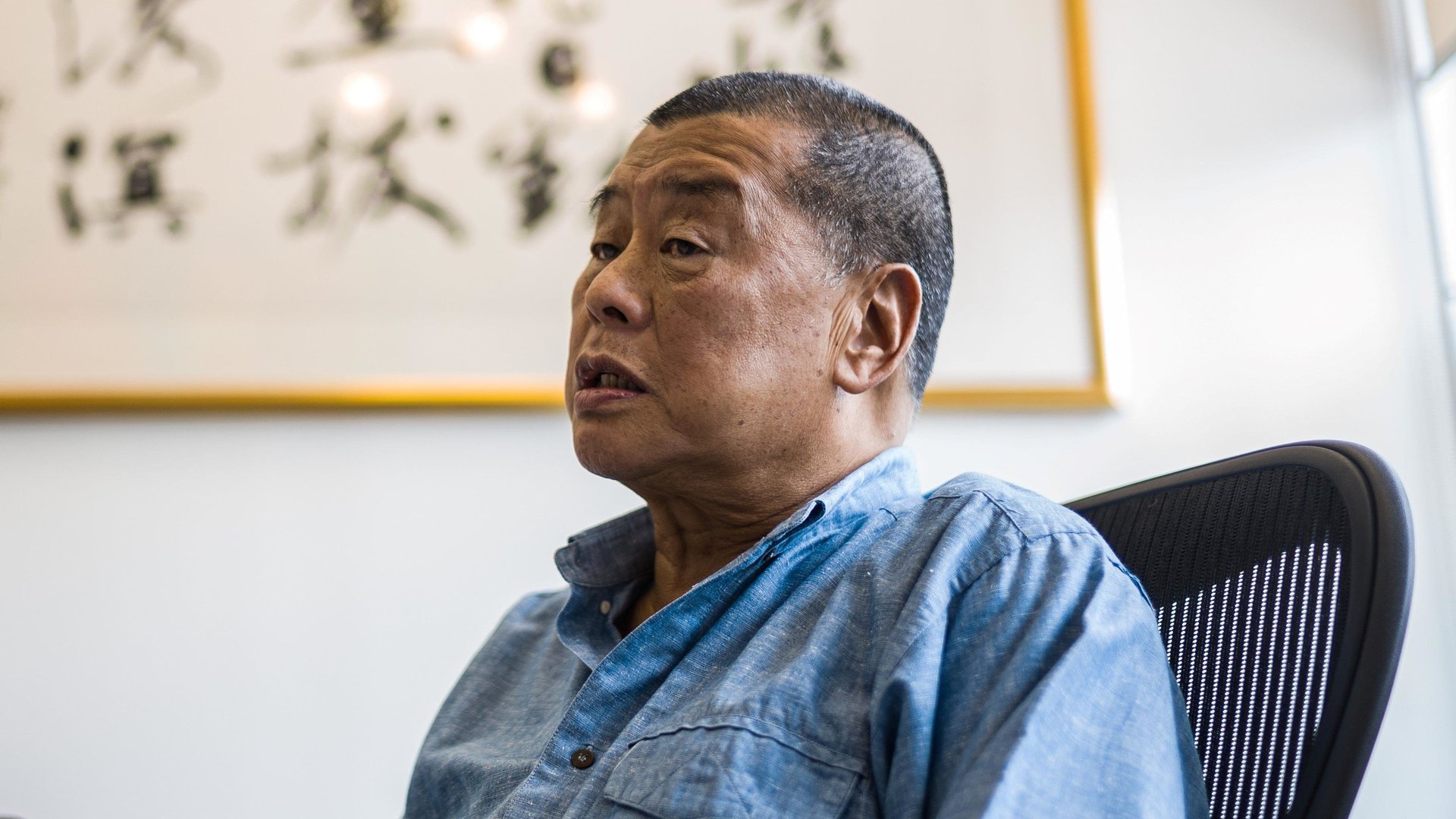
The sentencing of media entrepreneur Jimmy Lai to twenty years in prison has become one of the most closely watched legal decisions in Hong Kong in recent years, triggering renewed debate over the territory’s global reputation and its status as an international business and financial centre.

Lai, the founder of the now-defunct newspaper Apple Daily, was convicted in late twenty twenty five of conspiracy to collude with foreign forces and conspiracy to publish seditious material.

In February twenty twenty six, a Hong Kong court handed down a twenty-year prison term, marking the most severe punishment issued under the city’s national security law since it was introduced in twenty twenty.

The case has drawn global attention because of Lai’s prominence and because it reflects broader political changes that have reshaped Hong Kong since the national security legislation came into force.

Authorities in Hong Kong and Beijing maintain that the prosecution demonstrates the functioning of the rule of law and the enforcement of national security protections designed to restore stability after years of political unrest.

Supporters of Lai, including family members and political allies abroad, argue that the charges are politically motivated and linked to his role as a vocal critic of China’s leadership and a supporter of the pro-democracy movement.

International organisations and several Western governments have raised concerns about the implications for press freedom and civil liberties in the territory.

Beyond the legal arguments, the outcome of the case has become a symbolic moment for Hong Kong’s international profile.

For decades the city has been known as a global financial hub built on a reputation for an independent judiciary, open media and a distinct legal system separate from mainland China under the "one country, two systems" framework.

Observers say the trial and sentencing have intensified scrutiny of whether Hong Kong can continue to maintain that reputation while operating under the national security framework introduced by Beijing in twenty twenty.

Critics argue that the case signals a tightening political environment that could affect perceptions of the city’s autonomy and institutional independence.

Officials in Hong Kong reject such claims, insisting that the legal proceedings followed established judicial procedures and that the security law targets specific criminal acts rather than legitimate journalism or business activity.

They maintain that the city’s courts remain independent and that the rule of law continues to underpin Hong Kong’s economic success.

The case also carries diplomatic implications.

Lai holds British citizenship, and his situation has been raised by foreign leaders during discussions with Chinese officials.

Analysts note that the decision by Lai’s legal team not to pursue further appeals may shift attention toward diplomatic channels as supporters seek possible avenues for his release.

For international investors and governments alike, the outcome has become part of a wider debate about Hong Kong’s future.

While the city remains one of the world’s leading financial centres, the Lai case underscores the increasingly complex intersection between politics, law and global perceptions of the territory’s role on the international stage.

Property giant says strengthening rental conditions in Hong Kong’s Central district could lift profits beyond earlier expectations
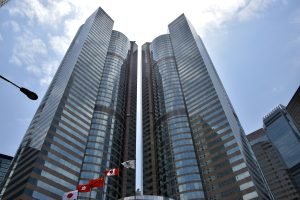
Hongkong Land has indicated that a gradual recovery in Hong Kong’s prime office rental market could push the company’s earnings above its earlier guidance, as demand strengthens in the city’s financial district.

The property group, one of the largest commercial landlords in Hong Kong’s Central district, said that rising office rents and improved leasing activity in its premium portfolio are beginning to support a stronger financial outlook.

Executives noted that recent increases in prime office rents may translate into higher income than previously anticipated.

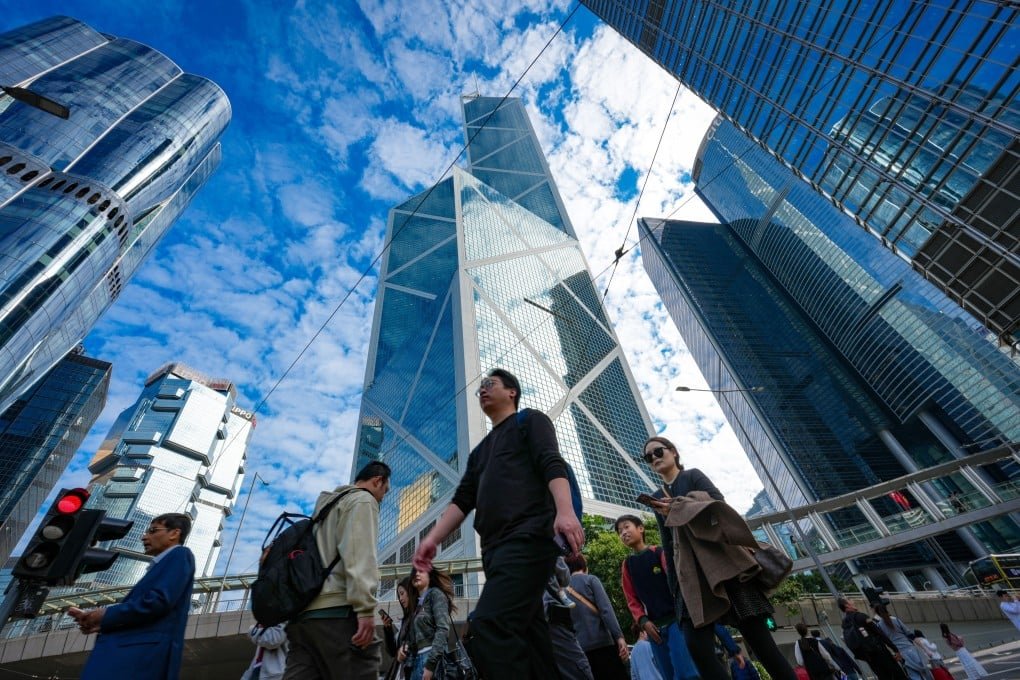
The company owns some of the most prominent office towers in Central, a district that hosts major financial institutions, law firms and multinational corporations.

Rental shifts in this market have an outsized impact on Hongkong Land’s performance, as a large share of its revenue is derived from these prime properties.

Hong Kong’s office market has faced several years of pressure following a surge in new supply and weaker leasing demand.

During that period, rents in key commercial districts fell significantly and vacancy levels rose across the city.

However, recent data and leasing activity suggest conditions may be stabilising, particularly in the highest-quality buildings that attract global finance and wealth management tenants.

Property analysts say the Central district has begun to see early signs of recovery after a prolonged downturn.

Demand from financial institutions and investment firms has contributed to a modest rebound in leasing activity, while a broader revival in capital markets has encouraged companies to secure premium office space in the city’s traditional business hub.

Hongkong Land executives said that the improving trend in spot rents could provide an additional boost to earnings if sustained through the coming quarters.

Even relatively small changes in rental levels can have a significant impact on the company’s income because of the scale and concentration of its office portfolio.

The group, part of the Jardine Matheson conglomerate, manages a portfolio of office and retail properties across Asia but remains most closely associated with Hong Kong’s Central district.

The company has spent recent years managing the effects of declining rents while investing in renovations and repositioning key properties.

Despite the challenges of recent years, market indicators suggest the prime segment of Hong Kong’s office sector is moving toward a turning point.

Analysts note that improving financial-market activity and renewed demand for top-tier workspace are helping lift sentiment in Central, where premium properties have historically commanded some of the highest office rents in the region.

If the upward trend in leasing continues, Hongkong Land believes the strengthening rental environment could lift its earnings beyond previously issued guidance, reinforcing expectations that the prime office market in Hong Kong is entering a period of gradual recovery.
Banking executive says geopolitical shifts and growing Chinese innovation sectors are reinforcing Hong Kong’s role as a regional hub for global capital
Hong Kong is attracting new inflows of wealth as geopolitical tensions reshape global investment patterns and China’s rapidly developing technology sector draws international attention, according to the chief executive of HSBC’s Hong Kong business.

The senior banking executive said that heightened global uncertainty, combined with growing interest in Chinese technology companies, has encouraged investors and wealthy families to move capital into Hong Kong.

The city’s established financial infrastructure and its position as a gateway between mainland China and global markets continue to make it an important destination for international wealth management.

Hong Kong’s financial system has long served as a bridge linking investors with opportunities in mainland China.

Bank executives say that role has become even more significant as competition between major economies intensifies and investors seek locations capable of navigating both global markets and Chinese economic growth.

According to HSBC, the city is well positioned to benefit from these shifts because of its strong legal framework, deep capital markets and long-standing expertise in cross-border finance.

These advantages have historically made Hong Kong one of the world’s leading financial centres and a preferred base for wealth management in Asia.

The executive also pointed to the rapid expansion of China’s technology sector as a major driver of interest from global investors.

Advances in areas such as artificial intelligence, digital platforms and advanced manufacturing have helped generate new opportunities that are increasingly being accessed through Hong Kong’s financial markets.

At the same time, geopolitical tensions and shifting trade relationships are influencing how capital moves across borders.

Some investors are restructuring portfolios and relocating assets to financial centres that offer both international connectivity and proximity to the Chinese economy.

HSBC, which generates a large share of its global profits in Asia, has been strengthening its presence in Hong Kong’s wealth management and banking sectors to capture this growth.

The bank views the city as a central platform for serving high-net-worth clients across Asia and connecting them with investment opportunities throughout the region.

Analysts say the continued flow of capital highlights Hong Kong’s enduring financial role despite broader geopolitical changes.

The city’s integration with mainland China, combined with its international financial system, positions it uniquely to benefit from both global and regional economic trends.

As global tensions reshape investment strategies and China’s technology industries continue to expand, financial institutions believe Hong Kong will remain a key destination for wealth management and cross-border capital in the years ahead.
Regional equities slide amid fears of inflation and supply disruption after crude prices spike following escalating conflict in the Middle East
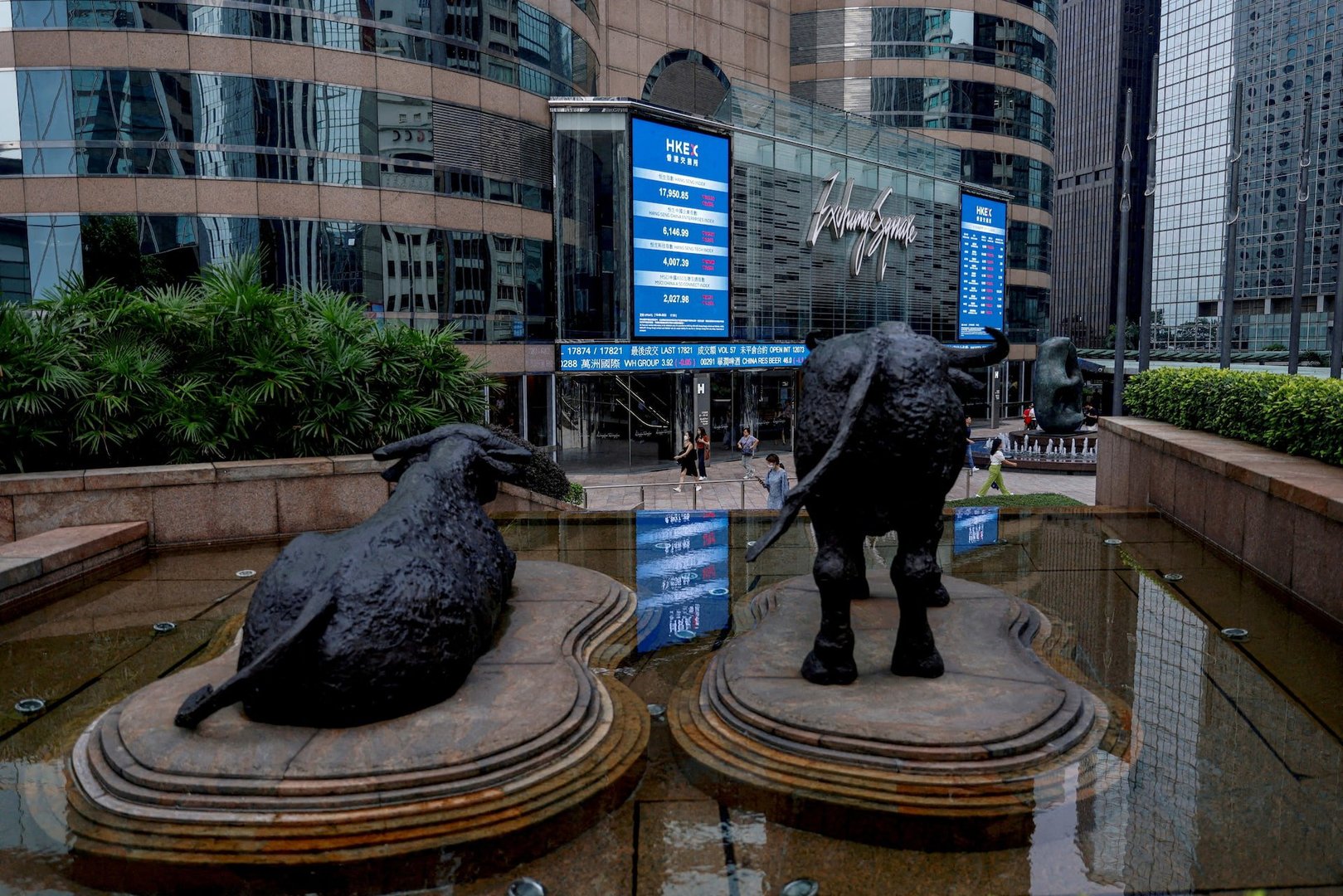
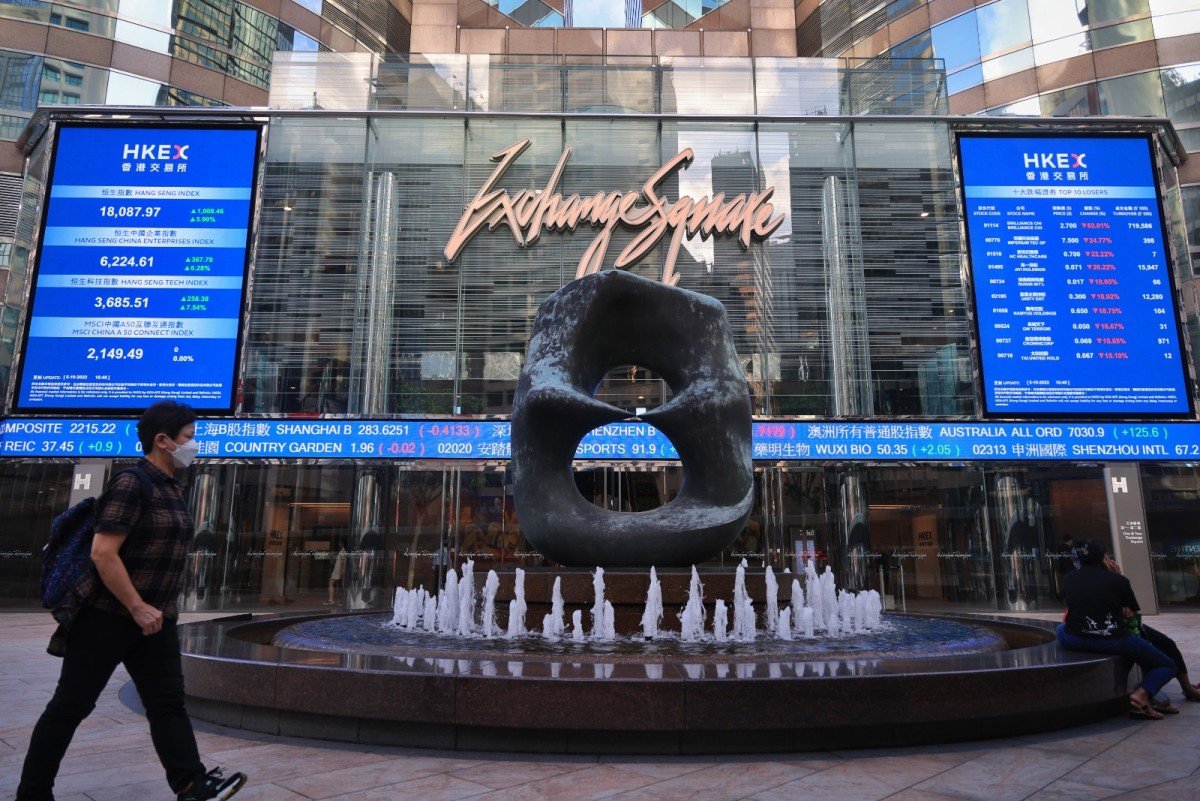
Hong Kong stocks declined alongside other Asian markets after crude oil prices surged past one hundred dollars a barrel, triggering concerns about inflation and economic slowdown across energy-dependent economies.

The Hang Seng Index fell as investors reacted to a sharp jump in oil prices linked to escalating tensions in the Middle East.

The rise in energy costs has heightened worries about global supply disruptions and the potential economic impact on countries heavily reliant on imported oil.

Brent crude, the international benchmark, climbed roughly eighteen percent to about one hundred nine dollars per barrel.

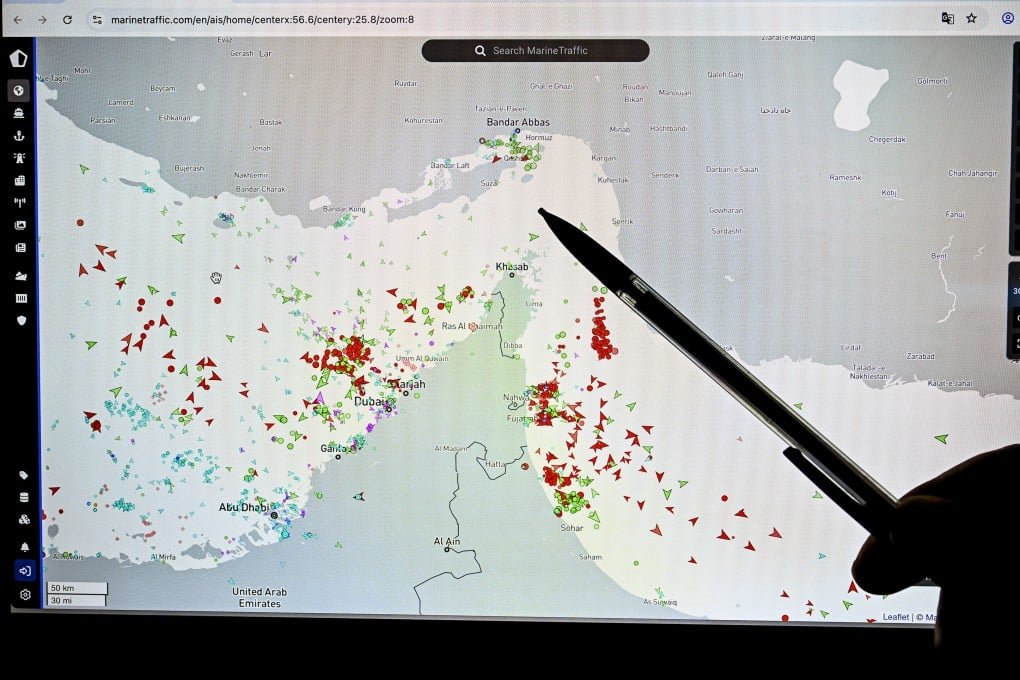
The surge followed intensifying conflict in the region and fears that shipping through the Strait of Hormuz—a strategic passage that handles roughly one-fifth of global oil and gas shipments—could be severely disrupted.

The spike in energy prices prompted investors to reduce exposure to riskier assets across Asia.

Hong Kong’s equity market moved lower alongside regional peers as traders assessed the potential consequences for inflation, corporate costs and economic growth.

Other markets across the Asia-Pacific region also suffered losses.

Japan’s Nikkei index and South Korea’s Kospi both dropped sharply, while Singapore and mainland Chinese equities also declined as the oil rally rattled investor confidence.

Higher oil prices can quickly ripple through global economies, increasing transportation costs, raising manufacturing expenses and squeezing consumer spending.

Analysts say these pressures can weaken corporate earnings and push central banks to maintain higher interest rates, factors that typically weigh on stock markets.

The sell-off highlights the sensitivity of Asian markets to geopolitical shocks affecting energy supply.

Many economies in the region rely heavily on imported oil from the Middle East, making them particularly vulnerable to sudden price spikes.

Investors have also sought traditional safe-haven assets amid the volatility.

Gold prices have risen while some funds have moved toward the U.S. dollar and government bonds, reflecting caution across global financial markets.

Despite the short-term market turbulence, analysts note that Hong Kong remains one of the world’s most important financial centres, with deep capital markets and strong international connections.

However, the latest market reaction underscores how geopolitical developments and commodity price swings can quickly reverberate through the region’s financial systems.
Chinese leadership sends a clear message that the city must move faster on economic transformation, efficiency and stability to reinforce its global role
China’s leadership has delivered a firm message to Hong Kong: the city must move faster in strengthening governance, accelerating economic reform and reinforcing its competitiveness as a global financial centre.

In recent remarks and policy discussions, officials in Beijing signalled growing expectations that Hong Kong should increase the pace of its development initiatives and administrative reforms.

The message reflects a broader strategy aimed at ensuring the territory remains a vital economic gateway connecting mainland China with international markets.

The call for urgency comes as Hong Kong works to revitalise growth following several challenging years that included pandemic disruptions, geopolitical tensions and shifts in global financial flows.

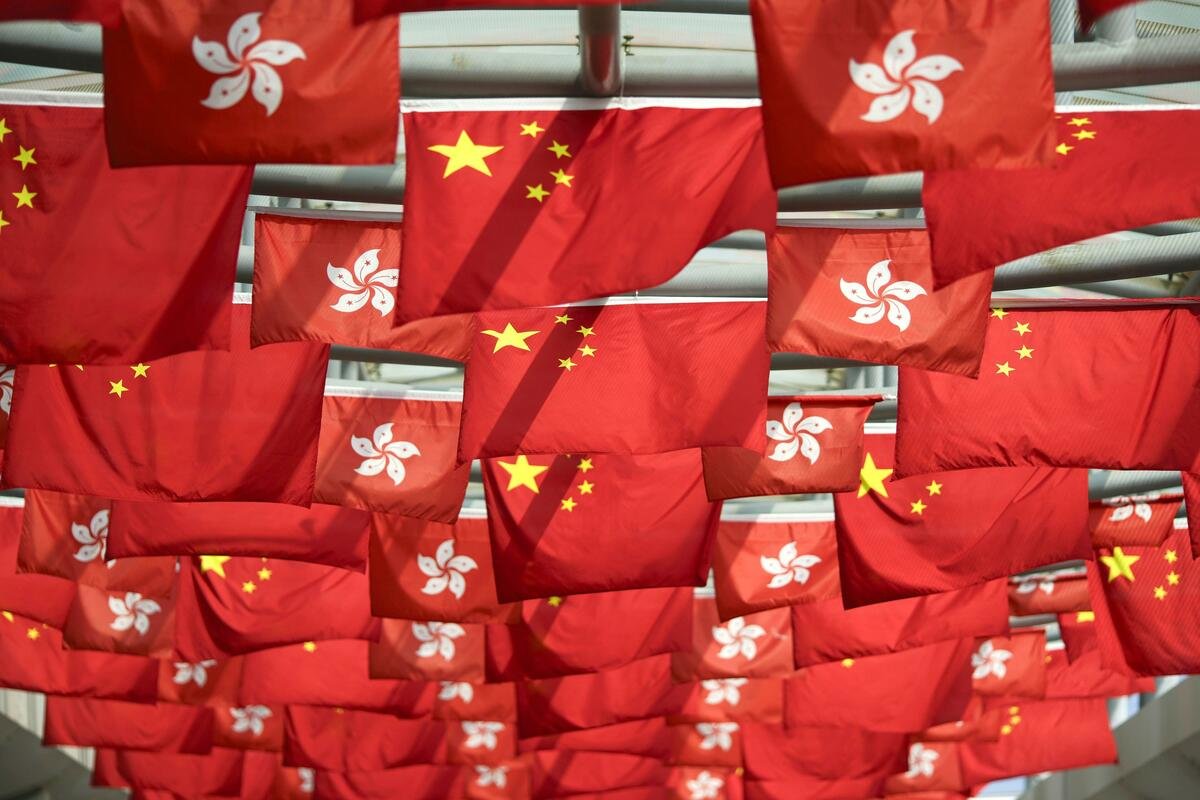
Chinese authorities have repeatedly emphasised that the city retains a unique position under the “one country, two systems” framework, giving it advantages that few global financial centres can match.

Officials argue that the next stage of Hong Kong’s development will depend on stronger coordination with mainland economic priorities.

These include deeper integration with the Guangdong-Hong Kong-Macao Greater Bay Area, the rapidly expanding regional economic zone linking southern Chinese cities with Hong Kong and Macao.

Beijing’s message also focuses on governance and efficiency.

Authorities have encouraged Hong Kong’s administration to accelerate policy implementation, streamline decision-making and deliver infrastructure and innovation initiatives more rapidly.

Supporters of this approach say quicker policy execution is essential for maintaining the city’s competitiveness in areas such as finance, technology and international trade.

Economic transformation is another central theme.

Policymakers in Beijing and Hong Kong have emphasised the need for the territory to expand beyond its traditional financial services base by strengthening sectors such as technology, innovation and advanced research.

These industries are seen as key drivers of future growth across the Greater Bay Area.

The leadership’s emphasis on speed and efficiency reflects broader efforts to reinforce stability and investor confidence.

Authorities say the national security framework introduced in recent years has restored order after a period of political turbulence, creating a more predictable environment for business and investment.

Supporters of the current direction argue that Hong Kong’s long-standing strengths—including an independent legal system, global financial expertise and strong connections with mainland China—continue to underpin its international status.

They say the push for faster reform aims not to change the city’s identity but to ensure it adapts quickly to evolving global economic competition.

As Hong Kong navigates the next phase of development, the message from Beijing is clear: the city remains a crucial international financial hub, but maintaining that position will require decisive governance, rapid policy implementation and deeper integration with the region’s expanding economic opportunities.
Spanish star claims dominant three-shot win while Dustin Johnson’s 4Aces secure team title in a dramatic final round at Hong Kong Golf Club
Jon Rahm delivered a commanding performance on the final day of the LIV Golf Hong Kong tournament, ending a lengthy personal title drought while helping the 4Aces GC secure a decisive team triumph at Hong Kong Golf Club.

Rahm finished the tournament at twenty-three under par, producing a closing round of sixty-four to pull clear of the field and claim a three-shot victory.

The win marked his first worldwide tournament victory in roughly eighteen months and ended a stretch in which he had repeatedly finished as runner-up in LIV Golf events.

Belgium’s Thomas Detry finished second on twenty under par after an impressive week, while other contenders including Harold Varner the Third and Thomas Pieters remained in pursuit but were unable to catch Rahm as he surged ahead during the decisive final round.

Rahm’s performance included a series of birdies during the closing stretch that helped secure a comfortable margin of victory.

The triumph was also significant for the team competition.

The 4Aces GC squad—captained by Dustin Johnson and featuring players including Thomas Pieters and Anthony Kim—captured the team title with a combined score of fifty-eight under par.

Smash GC finished second and Legion XIII, Rahm’s own team, took third place.

Rahm’s victory carried particular significance given the consistency he had shown earlier in the season.

The Spanish golfer had opened the twenty twenty six LIV campaign with consecutive runner-up finishes and had narrowly missed out on several previous titles before finally breaking through in Hong Kong.

Throughout the week the competition at the Fanling course produced several standout performances.

Early rounds saw strong challenges from players such as Carlos Ortiz and Dean Burmester, who briefly shared the lead before the final-round surge from Rahm shifted the balance of the tournament.

The event represented the third tournament of the twenty twenty six LIV Golf season and continued the league’s global schedule, which features competitions across multiple continents and a format combining individual and team championships.

Rahm’s return to the winner’s circle and the 4Aces’ team victory added a dramatic chapter to the early part of the season, reinforcing the competitive depth within the LIV Golf league as players prepare for upcoming events in Asia and beyond.
The investor famous for predicting the 2008 financial crisis says many foreign shareholders in Chinese tech firms may not truly own the underlying businesses
Renowned investor Michael Burry has issued a cautionary assessment of Chinese technology stocks, warning that a structural feature commonly used by companies listed through Hong Kong could leave international investors with weaker legal claims than they assume.

Burry, widely known for anticipating the global financial crisis of 2008, argued that many foreign investors buying shares in major Chinese technology companies are not directly purchasing equity in the operating firms themselves.

Instead, the securities often represent ownership in offshore holding entities based in the Cayman Islands, structures that have little or no operational activity of their own.

In a series of public remarks and commentary, Burry described this arrangement as a potential vulnerability embedded within the financial architecture of numerous Chinese technology listings.

According to his analysis, the use of Cayman-registered entities creates a legal separation between the operating company in mainland China and the securities traded by global investors.

This arrangement could mean that the success of the underlying business does not necessarily translate into a direct claim on its assets or profits.

The structure, widely used by Chinese firms seeking international investment, has long been a feature of listings involving companies operating in sectors subject to domestic ownership restrictions.

Through this mechanism, commonly associated with variable interest entity frameworks, investors gain exposure to the economic performance of the company while ownership rights remain linked to offshore vehicles.

Burry highlighted what he sees as a widening gap between corporate growth and shareholder returns among some of the largest technology groups.

He pointed to examples in which revenues at major firms have expanded significantly over the past decade while stock performance has been comparatively muted.

In one case, he noted that revenue at a leading Chinese technology group increased nearly fivefold over a ten-year period, yet the share price delivered little overall return during the past five years.

He also observed that broader market indicators reflect the challenge.

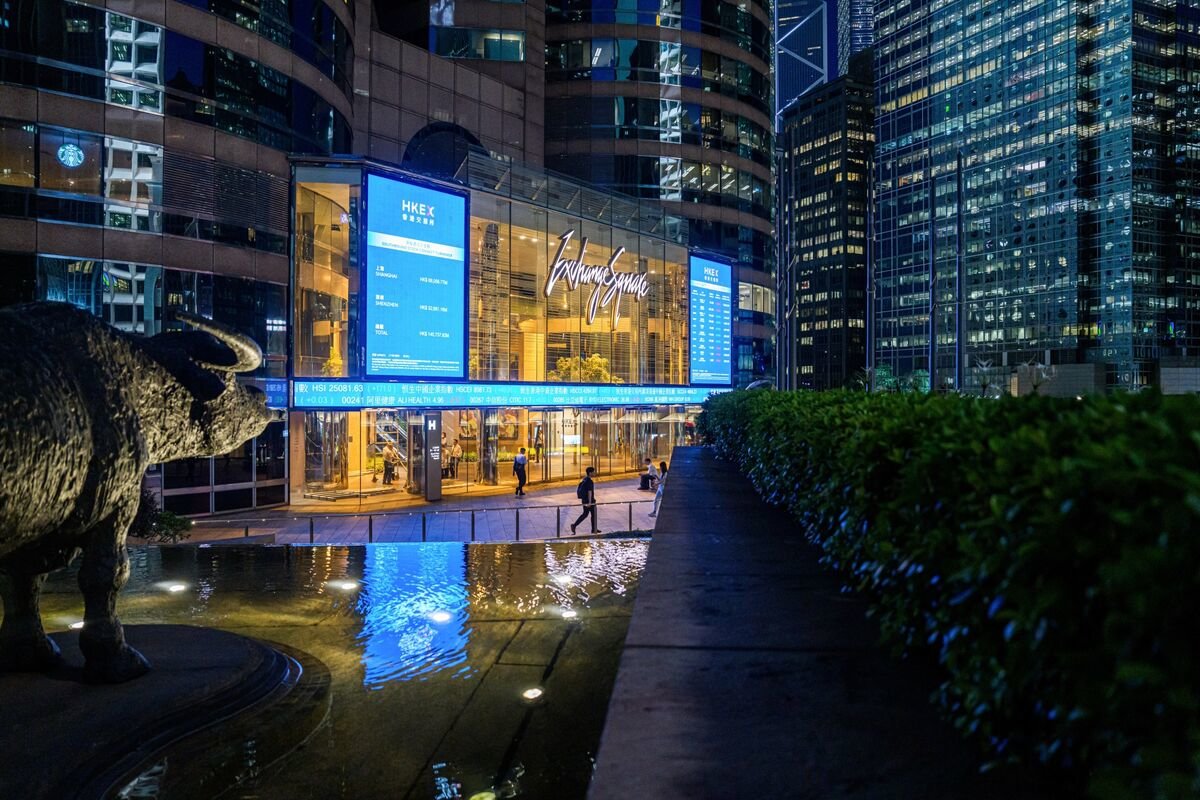
The Hang Seng Index, a key benchmark for Hong Kong-listed companies, remains well below levels reached in earlier market cycles despite the expansion of major corporations during that time.
Beyond structural concerns, Burry warned that macroeconomic factors could further influence investor sentiment.
He suggested that heavy credit expansion and the possibility of government intervention in key industries may contribute to caution among international investors evaluating exposure to the Chinese technology sector.

The investor emphasised that such structural features do not automatically invalidate the value of Chinese technology companies themselves, many of which have built large global businesses.

However, he argued that investors should closely examine the legal frameworks underlying the securities they purchase and consider how those frameworks may affect their ultimate rights as shareholders.

His comments have renewed debate about the legal and financial architecture used by many Chinese firms to access global capital markets, particularly those listed in Hong Kong or traded through American depositary receipts.

Market analysts note that the structure has been widely accepted for years but continues to raise questions about transparency, investor protection and long-term valuation.
Organisers halt popular fundraising race aimed at supporting clean water projects, citing logistical challenges and event planning concerns
A Hong Kong charity has cancelled its upcoming "Race for Water" fundraising event just weeks before it was due to take place, leaving participants and supporters surprised after months of preparation.

The event, organised by the charity A Drop of Life, had been designed as a large-scale endurance race intended to raise funds for clean water initiatives in developing regions.

Participants typically compete in long-distance trail routes while carrying containers of water, symbolising the daily struggle faced by communities that must travel long distances to access safe drinking water.

The initiative has previously drawn more than a thousand participants and generated significant donations to support water and sanitation projects overseas.

Organisers confirmed that the event would not proceed this year, announcing the decision only weeks before the scheduled race date.

While the charity did not detail every operational factor behind the cancellation, the move follows mounting logistical and planning difficulties that can affect large public sporting events in the densely populated city.

The annual competition has become a prominent feature in Hong Kong’s charity sports calendar.

Participants typically run distances of around fifteen or thirty kilometres while carrying roughly five litres of water, a challenge designed to give runners a small insight into the hardships experienced by villagers in remote areas lacking reliable water supplies.

Funds raised through the race have historically been directed toward building water infrastructure in communities in countries such as Cambodia and Nepal.

Organisers said they remained committed to their broader mission of improving water access in vulnerable communities despite the cancellation.

The charity continues to run programmes aimed at providing clean water, sanitation facilities and hygiene education in regions affected by water scarcity.

Supporters of the initiative have expressed disappointment that the event will not go ahead this year, but many also voiced continued support for the charity’s work.

Organisers indicated that alternative fundraising efforts and future events may still be planned as part of the organisation’s ongoing campaigns.

Charity races and endurance challenges have become a popular way for Hong Kong organisations to raise funds and awareness for global humanitarian causes.

These events combine athletic participation with fundraising efforts, encouraging thousands of runners and walkers each year to contribute to projects ranging from poverty relief to access to clean water.

Although the "Race for Water" will not take place this year, organisers say the long-term goal remains unchanged: mobilising public support to bring reliable drinking water and sanitation facilities to communities that continue to struggle with severe shortages.
Spanish star leads earnings list after victory at Hong Kong Golf Club as full prize money payouts are revealed for the 2026 LIV Golf event
The 2026 LIV Golf Hong Kong tournament delivered one of the sport’s richest prize funds, awarding a total purse of thirty million dollars and highlighting the financial scale that continues to define the LIV Golf series.

Spain’s Jon Rahm claimed the individual title at Hong Kong Golf Club after finishing the tournament at twenty-three under par, securing the winner’s prize of four million dollars.

The victory marked Rahm’s first LIV Golf win since twenty twenty four and reinforced his position among the league’s leading competitors.

Belgium’s Thomas Detry finished second at twenty under par and earned two million two hundred fifty thousand dollars, while fellow Belgian Thomas Pieters secured third place and a payout of one million five hundred thousand dollars.

Harold Varner the Third finished fourth, taking home one million dollars.

Matthew Wolff placed fifth and received eight hundred thousand dollars, followed by Carlos Ortiz in sixth with seven hundred thousand dollars and Dean Burmester in seventh with six hundred thousand dollars.

A group of players tied for eighth place at fourteen under par—including Lucas Herbert, Sergio Garcia, Louis Oosthuizen, Elvis Smylie, Graeme McDowell and David Puig—each earned approximately four hundred eleven thousand six hundred sixty seven dollars.

The event continued LIV Golf’s standard payout structure in which all players receive prize money.

Competitors finishing near the bottom of the leaderboard still collected fifty thousand dollars, ensuring that every participant shared in the tournament’s financial rewards.

Beyond the individual competition, teams also competed for a separate purse of ten million dollars.

The 4Aces team—featuring Dustin Johnson, Anthony Kim, Thomas Detry and Thomas Pieters—won the team title with a score of fifty-eight under par and split a three million dollar prize.

Smash GC finished second and earned one million five hundred thousand dollars, while Legion XIII secured third place and received nine hundred thousand dollars.

Additional team payouts extended through all thirteen squads competing in the event.

LIV Golf Hong Kong represented the league’s third event of the twenty twenty six season and forms part of a stretch of tournaments staged across multiple countries.

Organizers say the combination of global venues and substantial prize money continues to drive strong participation from many of the world’s leading professional golfers.

The tournament’s financial scale reflects the broader strategy behind the LIV Golf circuit, which has sought to reshape professional golf by offering large purses and a team-based format alongside traditional individual competition.
City’s financial leader says external tensions have not derailed economic outlook as tourism and services continue to recover
Hong Kong’s economy remains on track to meet its annual growth target despite rising geopolitical tensions and the impact of conflict in the Middle East, the city’s finance chief has said, expressing confidence in the resilience of the financial hub.

Speaking on the economic outlook, Financial Secretary Paul Chan said authorities are closely monitoring global developments but do not expect the conflict to significantly derail Hong Kong’s growth trajectory.

The government has projected economic expansion of between two and three percent for the year, driven largely by services, tourism recovery and improving domestic demand.

Chan acknowledged that escalating tensions in the Middle East have contributed to volatility in energy prices and financial markets, factors that could influence global economic conditions.

However, he emphasized that Hong Kong’s diversified economy and strong financial system provide a solid foundation to manage external shocks.

Tourism and retail activity have continued to recover following earlier disruptions to global travel, helping to support consumption and service-sector activity across the city.

Officials say visitor arrivals have steadily increased, contributing to stronger spending in hospitality, transport and entertainment industries.

The government has also highlighted Hong Kong’s role as an international financial centre connecting mainland China with global markets.

Authorities believe continued cross-border financial cooperation and investment flows will provide important support for economic growth.

At the same time, policymakers remain cautious about potential risks from global uncertainty, including geopolitical tensions, interest rate trends and shifts in international trade patterns.

Chan said the government would maintain prudent fiscal management while introducing measures aimed at strengthening the city’s competitiveness.

Efforts to attract international investment, expand innovation industries and enhance financial services are among the strategies officials say will support Hong Kong’s longer-term economic prospects.

Despite the challenging global environment, the finance chief said the city’s economic fundamentals remain solid, adding that Hong Kong is well positioned to navigate external pressures while continuing its gradual economic recovery.
Prosecutors say former Hong Kong police officer and UK border official carried out covert intelligence gathering on activists living in Britain
Two men have gone on trial in London accused of conducting covert surveillance on members of the Hong Kong diaspora living in the United Kingdom.

Prosecutors allege the activities were carried out on behalf of authorities in Hong Kong and ultimately connected to China, targeting individuals who had relocated to Britain in recent years.

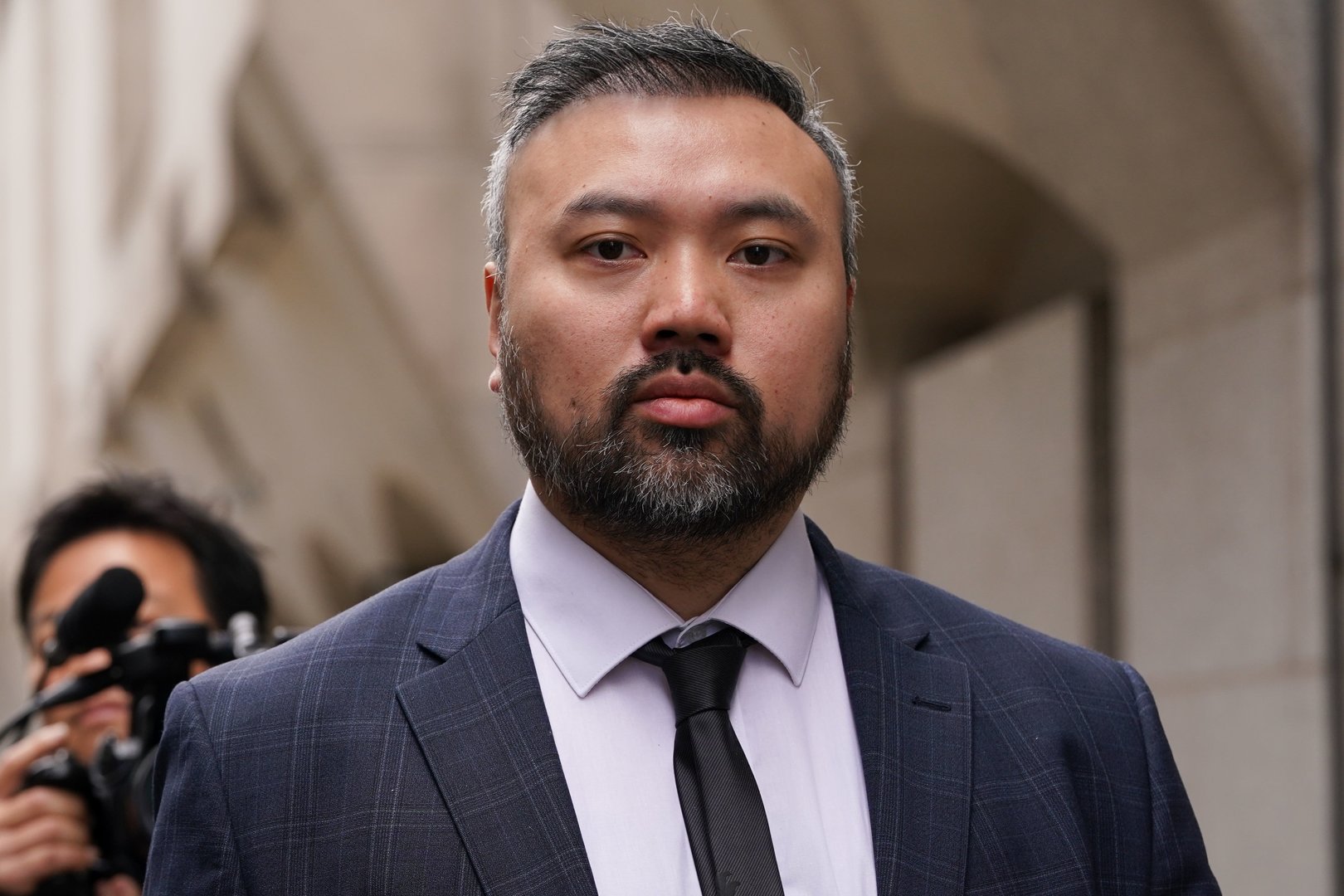
Bill Yuen, sixty five, a former superintendent in the Hong Kong police who later worked at the Hong Kong Economic and Trade Office in London, and Peter Wai, thirty eight, a UK Border Force officer and special constable, are charged under Britain’s National Security Act with assisting a foreign intelligence service.

Both men deny the allegations and have pleaded not guilty.

According to prosecutors, the two men were involved in what was described in court as a "shadow policing" operation.

They allegedly gathered intelligence and carried out surveillance on people regarded by Hong Kong authorities as persons of interest, including pro-democracy activists who had settled in the United Kingdom after political changes in the Asian financial hub.

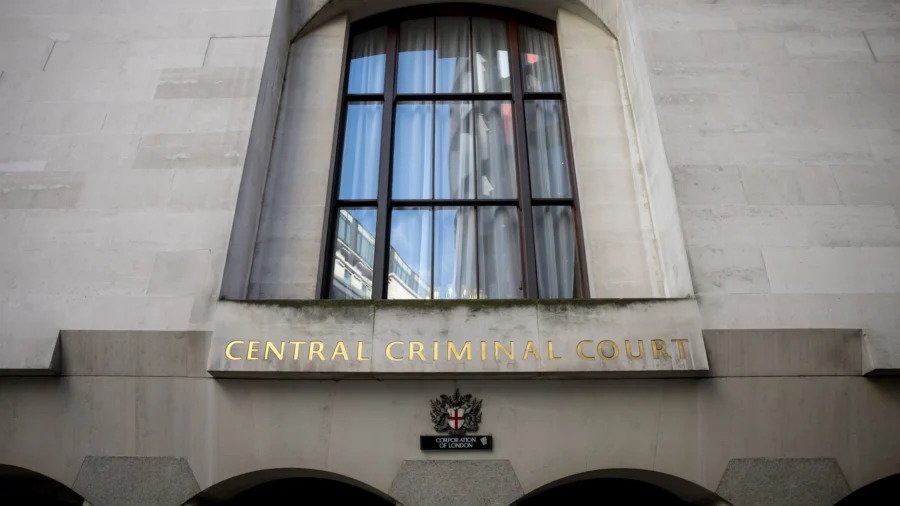
The prosecution told the Central Criminal Court that Yuen’s role at the Hong Kong trade office went beyond administrative responsibilities.

He is accused of directing intelligence-gathering tasks and coordinating activities linked to the monitoring of activists and political figures.

Wai, meanwhile, is alleged to have used his positions within the UK Border Force and as a special constable to access official databases and gather information.

Prosecutors say he also operated a private security company that was used as a cover for surveillance activities.

Investigators presented evidence including phone messages that reportedly showed the pair tracking the movements of former Hong Kong legislator Nathan Law, who moved to Britain after political unrest in the territory.

The prosecution said the defendants also showed interest in British political figures and government officials.

The alleged activities are said to have taken place between December two thousand twenty three and May two thousand twenty four.

In addition to assisting a foreign intelligence service, the men are accused of foreign interference offences, including an incident in which prosecutors say they attempted to force entry into a residence while presenting themselves as legitimate law enforcement officers.

Both defendants strongly deny wrongdoing, and the trial is expected to run for approximately nine weeks while the court hears evidence and testimony.

The case unfolds against a broader backdrop of heightened scrutiny in the United Kingdom over alleged foreign interference and surveillance targeting overseas communities.

British authorities have increasingly focused on protecting diaspora groups and political activists living in the country as geopolitical tensions continue to influence domestic security concerns.
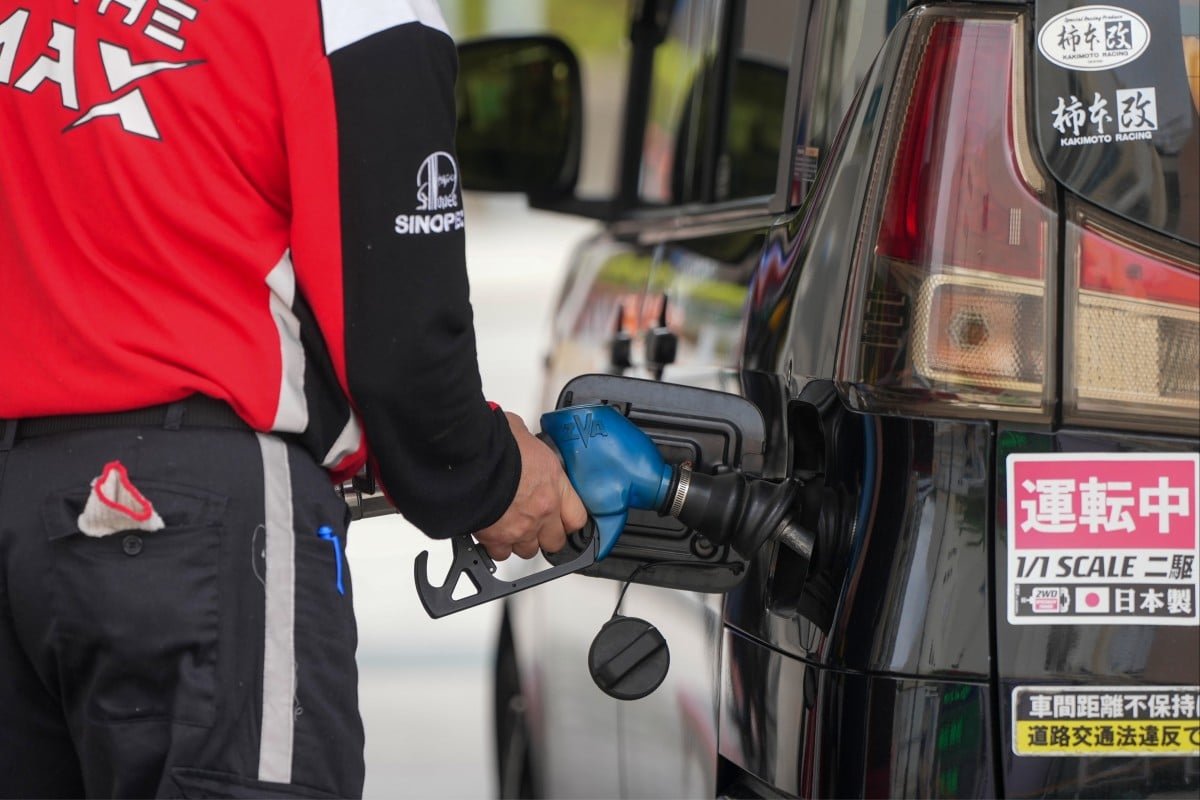
Lawmakers and consumer advocates urge authorities to examine petrol pricing after motorists complain about rising costs
Pressure is mounting in Hong Kong for authorities to review the city’s fuel pricing practices after motorists and consumer advocates raised concerns about what they describe as steep and potentially unfair increases at petrol stations.

The issue has drawn attention from lawmakers who say the government should take a closer look at how retail fuel prices are determined.

Critics argue that pump prices in Hong Kong often remain high even when global oil prices fall, leading to suspicions that the local market may not be passing on cost reductions to consumers quickly enough.

Motorists have complained that the pace of price increases appears to outstrip declines, a pattern some observers have described as a "rockets and feathers" effect in which prices rise rapidly but fall slowly.

This has intensified calls for a clearer explanation of how fuel retailers calculate their pricing.

Several legislators have urged the government to conduct a comprehensive review of the fuel market, including the structure of supply, competition among retailers and the transparency of pricing mechanisms.

They argue that stronger oversight could help ensure that consumers are treated fairly and that the market operates efficiently.

Hong Kong’s fuel market is relatively concentrated, with a small number of major suppliers controlling a significant share of petrol station operations.

While authorities have previously said the market remains competitive, critics contend that the limited number of operators could make it easier for prices to remain elevated.

Government officials have acknowledged public concern and indicated that authorities will continue monitoring fuel price movements and market behavior.

Past reviews have concluded that the fuel sector operates within the framework of a free market, but officials have also noted that consumer transparency remains an important consideration.

Consumer groups say a fresh examination of pricing practices could help rebuild public confidence and clarify whether fuel costs in the city accurately reflect global market trends.

With transportation expenses affecting both households and businesses, the debate over fuel prices has become an increasingly prominent issue in local economic discussions.
Japanese screen icon’s planned appearance removed from upcoming Hong Kong production as project plans shift
A planned cameo by celebrated Japanese actor Takuya Kimura in an upcoming Hong Kong film has reportedly been removed from the project, according to entertainment industry reports.

The decision comes during the later stages of the film’s development, with producers revising elements of the production before its final release.

Kimura, one of Japan’s most recognisable actors and a longtime figure in Asian cinema and television, had been expected to appear briefly in the film in a guest role.

His involvement had generated considerable attention among fans of both Japanese and Hong Kong entertainment industries.

Media reports indicate that the cameo was ultimately scrapped as the production team reworked parts of the film’s storyline and editing.

Sources familiar with the project said the change was made as part of broader creative adjustments rather than as a reflection of the actor’s performance or standing.

The move highlights the fluid nature of film production, where cameo appearances and minor roles are sometimes removed during editing or restructuring to maintain pacing or narrative clarity.

Such changes are common in large productions, particularly when filmmakers aim to streamline the final version of a story.

Kimura remains a prominent figure in Asian entertainment, having built a long career spanning television dramas, feature films and music.

The Tokyo-born performer rose to prominence as a member of the influential Japanese pop group SMAP before becoming one of the region’s most widely recognised actors.

He has previously appeared in international film productions and collaborations with directors across Asia.

Among his most notable screen roles is his appearance in the acclaimed Hong Kong-led production "2046", directed by Wong Kar-wai, which featured a multinational cast and gained global recognition.

The Hong Kong film industry has increasingly pursued cross-border collaborations with stars from across Asia to broaden regional appeal and attract international audiences.

Even when cameo roles are ultimately removed, the casting of well-known performers often reflects the industry’s efforts to maintain global visibility.

Despite the reported change, Kimura’s popularity remains strong across East Asia, and the actor continues to work on multiple television and film projects.

The Hong Kong production is expected to proceed with its revised cut as filmmakers finalize preparations for release.
Authorities deploy counterterrorism officers and step up patrols to safeguard diplomatic missions linked to the widening regional war
Hong Kong police have intensified security measures around several foreign consulates in the city as tensions rise following the outbreak of a major conflict in the Middle East.

Officers have increased patrols and protective arrangements around diplomatic missions linked to countries involved in the war, according to security sources familiar with the operation.

The move comes as fighting between the United States and Israel on one side and Iran on the other has escalated sharply, triggering retaliatory strikes across the region and raising global security concerns.

Authorities in Hong Kong said the precautionary deployment aims to ensure the safety of diplomatic staff and facilities as the conflict continues to unfold.

Police personnel from the force’s counterterrorism response unit, along with officers from local districts responsible for the relevant consulates, have been assigned to monitor the sites and conduct additional patrols.

Officials indicated that security arrangements could be expanded further if the threat environment changes or if public events involving diplomatic representatives are assessed as carrying heightened risk.

Law enforcement authorities emphasized that the security reinforcement is precautionary in nature and reflects standard practice when international conflicts raise concerns about potential spillover effects.

Diplomatic missions are regarded as sensitive locations, and police routinely review protective measures during periods of heightened geopolitical tension.

The broader conflict has already had ripple effects across global transportation and commerce.

Flights between Hong Kong and several Middle Eastern destinations have faced disruptions, and international supply chains have come under pressure as energy markets react to the evolving crisis.

Local authorities continue to monitor developments closely while coordinating with relevant government departments to ensure that diplomatic facilities and visiting officials receive appropriate protection.

Police say they will maintain the enhanced patrols and adjust security arrangements as necessary depending on the situation.
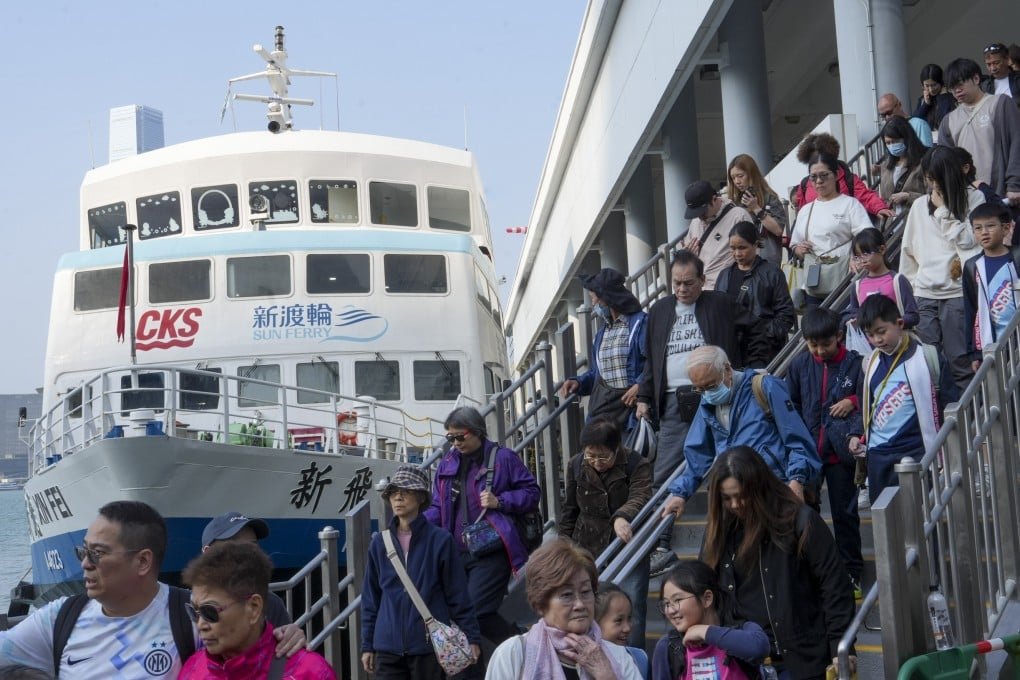
Authorities propose price revisions as rising costs and falling passenger numbers pressure the city’s ferry services
Hong Kong authorities are considering adjustments to ferry fares in an effort to ensure the long-term viability of operators providing essential maritime transport across the city’s harbour and outlying islands.

Officials say the proposal is designed to balance the financial challenges faced by ferry companies with the need to keep fares affordable for passengers who rely on the services daily.

Ferry operators have reported mounting operational costs in recent years, including fuel expenses, maintenance and staffing, while passenger numbers have fluctuated following the pandemic and changes in commuting patterns.

Transport officials indicated that any fare revision would be carefully calibrated and subject to review to ensure that the increases remain reasonable and acceptable to the public.

Lawmakers reviewing the proposal have emphasized the importance of protecting ferry services, which play a critical role in connecting Hong Kong Island with Kowloon and several outlying communities.

Some operators have previously sought substantial fare increases in order to offset financial losses.

In earlier applications submitted to authorities, companies argued that without adjustments their operations could become unsustainable.

Government departments, however, have typically moderated the scale of proposed increases after evaluating financial data, service performance and public affordability.

Several ferry routes serve areas where alternative transport options are limited, making the services a lifeline for residents and workers.

Maintaining stable operations on these routes has therefore been a key concern for policymakers and local representatives.

Authorities have also explored broader measures to support ferry operators, including allowing them to diversify revenue streams and make better use of pier facilities.

These initiatives aim to supplement ticket income while helping ferry companies maintain regular services.

The proposed fare adjustments are part of an ongoing effort to keep Hong Kong’s maritime transport network financially sustainable while preserving an important element of the city’s public transport system.
Jon Rahm, Thomas Detry and Harold Varner III share the lead as the Hong Kong tournament builds momentum with strong attendance
A large crowd gathered at Hong Kong Golf Club in Fanling as the LIV Golf Hong Kong tournament moved toward a dramatic final day, with three players tied at the top of the leaderboard and spectators turning out in significant numbers for one of the city’s fastest-growing sporting events.

Jon Rahm surged into contention with a five-under-par sixty-five in the third round, bringing his overall score to seventeen under par and placing him level with Thomas Detry and Harold Varner the Third heading into the final round.

The trio’s performances set up a tightly contested finish that promises a compelling battle for the title.

Spectators followed Rahm closely throughout the day as he climbed the leaderboard, with many gathering along the fairways and greens to watch the Spanish star’s charge.

Tournament officials said attendance had been strong throughout the week, with visitors arriving from mainland China and overseas to watch the event at the historic Fanling course.

Hospitality areas were also well attended, with many guests purchasing premium packages to experience the tournament from exclusive vantage points around the course.

Organizers expect total attendance across the four-day event to reach between forty thousand and fifty thousand spectators, reflecting the tournament’s growing appeal among international fans and tourists.

Tourism leaders attending the event described the competition as an increasingly important fixture on Hong Kong’s sporting calendar.

The tournament has drawn a mixture of global golf stars and high-spending visitors, adding to the city’s broader efforts to host major international events.

On the course, the leaderboard remains tightly packed behind the leading trio.

Carlos Ortiz, Dean Burmester and Thomas Pieters sit within striking distance, while established names such as Sergio Garcia, Lee Westwood and Matthew Wolff remain further down the standings but capable of producing strong final rounds.

Rahm enters the final day seeking another victory in the LIV Golf series, while Detry and Varner are equally poised to claim the title if they maintain their momentum.

With the course at Fanling known for rewarding precision and patience rather than raw power, the deciding round is expected to hinge on accuracy and composure under pressure.

The combination of strong crowds, international interest and a tightly contested leaderboard has reinforced the tournament’s growing status within the LIV Golf calendar, setting the stage for a final round that could deliver one of the season’s most compelling finishes.
Judges rule government policy tightening access to ownership records is lawful despite concerns from media groups
A Hong Kong court has upheld a government policy restricting journalists’ access to vehicle registration records, ruling that the tightened system for obtaining ownership information is lawful and consistent with privacy protections.

The case centered on changes introduced to the city’s vehicle registry that limit how individuals, including reporters, can access the personal details of vehicle owners.

Authorities revised the system in recent years, requiring applicants to choose from specific purposes when requesting information and narrowing the circumstances in which full ownership data can be obtained.

Media organizations had challenged the policy, arguing that the restrictions make it more difficult for reporters to conduct investigations involving public interest issues such as corruption, public safety incidents and misconduct by officials.

Journalists previously used the database to identify owners of vehicles connected to criminal cases, accidents or suspected wrongdoing.

Government lawyers argued that the reforms were designed to protect personal privacy and prevent misuse of personal data.

Officials said the registry was never intended to serve as a broad investigative tool and that safeguards were necessary after concerns emerged about the potential exposure of sensitive personal information.

In its ruling, the court determined that the revised policy falls within the government’s authority to regulate access to personal data held by public registries.

Judges concluded that requiring applicants to declare legitimate purposes for searches represents a reasonable balance between transparency and privacy protection.

The court acknowledged that journalists play an important role in public accountability but said that this role does not grant unrestricted access to personal information maintained in government databases.

According to the judgment, the restrictions do not entirely prevent reporters from seeking information but instead regulate the circumstances under which it can be obtained.

Press organizations have warned that the decision could complicate investigative reporting in Hong Kong, where journalists have historically relied on open registries to verify identities and trace assets connected to news stories.

Government officials say the policy reflects a broader effort to strengthen personal data protection while maintaining necessary public services.

They argue that access to sensitive records must be carefully managed to prevent abuse and protect the privacy rights of individuals.

The ruling reinforces the legal standing of the revised registry system and signals that Hong Kong courts view privacy safeguards as a legitimate factor in determining how government data can be accessed by the public.
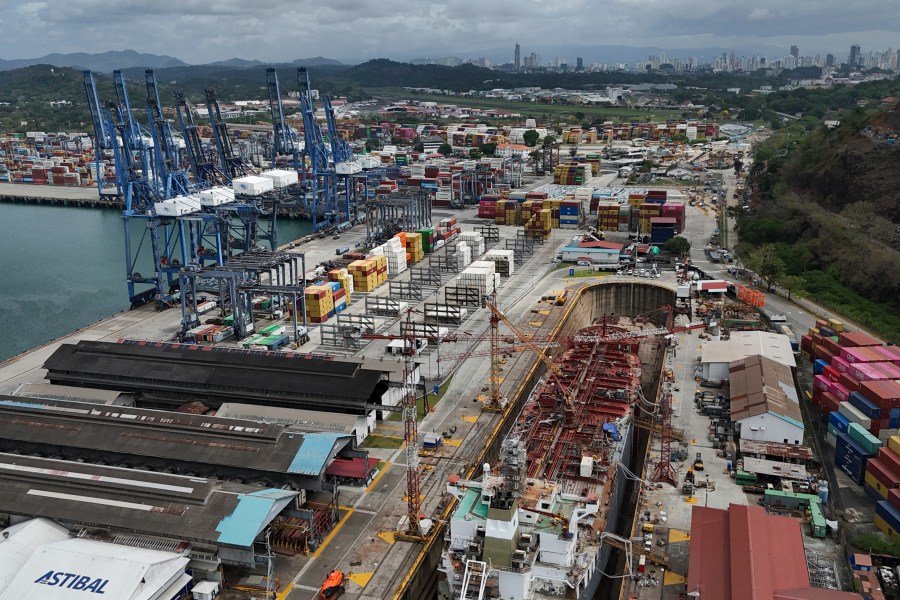
International arbitration launched following Panama’s takeover of Balboa and Cristóbal ports at both entrances to the Panama Canal
A Hong Kong-based port operator has launched international arbitration proceedings seeking two billion dollars in compensation after Panama seized control of two strategic terminals located at the entrances of the Panama Canal.

Panama Ports Company, a subsidiary of the Hong Kong conglomerate CK Hutchison Holdings, said it is demanding damages after the Panamanian government took over the Balboa and Cristóbal ports, facilities that had been managed by the company for nearly three decades.

The firm described the move as an unlawful takeover and said it would pursue all legal remedies available under international investment agreements.

The dispute began after Panama’s Supreme Court ruled that the concession allowing the company to operate the ports was unconstitutional.

The government subsequently ordered the takeover of the facilities, placing them under state control and transferring operational authority to national maritime authorities.

The two terminals occupy critical positions on either side of the Panama Canal, one of the world’s most important shipping corridors connecting the Atlantic and Pacific oceans.

Together they handle a significant share of cargo traffic passing through the canal and play a major role in global maritime logistics.

Panama Ports Company had operated the terminals since nineteen ninety seven under a concession agreement that was renewed in two thousand twenty one for another twenty five years.

Following the court ruling, however, authorities declared the contract invalid and moved swiftly to assume direct control of the ports and associated equipment.

The company said the takeover amounted to a radical breach of contractual obligations and an attack on investor protections.

It argued that the seizure lacked transparency and undermined confidence in international investment frameworks.

The dispute has emerged amid broader geopolitical tensions surrounding control of strategic infrastructure linked to global trade routes.

The Panama Canal has increasingly drawn international attention as governments and investors compete for influence over logistics hubs and maritime gateways.

The situation has also intersected with a broader restructuring of CK Hutchison’s global ports portfolio.

The conglomerate had previously announced plans to sell a large portion of its port operations worldwide as part of a multi-billion-dollar transaction involving infrastructure investors and global shipping interests.

For Panama, the takeover reflects a legal decision aimed at enforcing constitutional limits on concessions tied to key national assets.

For the Hong Kong operator, the arbitration case represents a major test of international investment protections in disputes involving strategic infrastructure.

The arbitration process could take years to resolve, but the outcome may carry significant implications for governments, investors and shipping companies involved in the management of major ports around the world.
Death of prominent social figure linked to a well-known Hong Kong family prompts police inquiry
Amina Mariam Bokhary, a member of a prominent Hong Kong family and niece of a judge who served on the city’s Court of Final Appeal, has been found dead at her residence in Hong Kong, according to people familiar with the matter.

Authorities were alerted after Bokhary was discovered at the home where she lived.

Emergency services were called to the scene, but she was pronounced dead.

Police have begun examining the circumstances surrounding the death, though officials indicated that no immediate signs of foul play were evident at the location.

Bokhary had long attracted public attention in Hong Kong due to a series of legal controversies and high-profile court cases over the past decade.

Her earlier conviction for assaulting police officers following a traffic incident in two thousand ten drew widespread debate about the justice system and perceptions of preferential treatment linked to elite social backgrounds.

In subsequent years she appeared repeatedly in court in relation to a range of incidents, including allegations connected to property damage and disputes at her family residence.

One case involved accusations that objects had been thrown from a residential building, damaging vehicles parked below.

Court proceedings and testimony in those cases frequently described erratic behavior and intense personal stress, with lawyers previously noting that she had undergone treatment for mental health conditions.

The Bokhary family has long held influence within Hong Kong’s financial and legal circles.

Her uncle, Kemal Bokhary, served as a non-permanent judge at the territory’s highest court, while other relatives have held prominent roles in business and public life.

Police said standard investigative procedures are underway to determine the cause of death.

In Hong Kong, unexpected deaths are typically referred to the coroner, who may order a post-mortem examination and determine whether an inquest is required.

The discovery of Bokhary’s death has drawn renewed public attention to a figure whose personal struggles and legal battles had been widely reported in local media over many years.

Officials say further details will be released once the investigation progresses.
Customs officials seize massive shipment of suspected smuggled precious metals in one of the city’s largest airport enforcement cases
Hong Kong customs authorities have intercepted a shipment of precious metals worth approximately twenty-nine million dollars at Hong Kong International Airport, marking one of the largest smuggling cases of its kind uncovered at the city’s main aviation hub.

Officials discovered the metals during an inspection of cargo passing through the airport.

The shipment, concealed within declared goods, was flagged by customs officers after irregularities were detected in shipping documentation and packaging.

Subsequent examination revealed a large quantity of high-value precious metals believed to be intended for illicit export.

Authorities said the case represents a record-value seizure involving precious metals at Hong Kong International Airport.

Investigators suspect the shipment was part of a broader smuggling operation designed to bypass customs regulations and evade taxes or export controls.

Customs officers moved quickly to detain the cargo and launch a formal investigation.

Specialists conducted detailed assessments to verify the type and value of the seized metals, which officials estimated to be worth roughly twenty-nine million dollars.

Hong Kong has long served as one of the world’s busiest logistics and aviation hubs, handling vast volumes of cargo moving between Asia and international markets.

While the scale of legitimate trade is enormous, authorities say the city’s position as a global transit center can also attract criminal networks attempting to exploit shipping channels.

Customs officials emphasized that the successful interception highlights the effectiveness of Hong Kong’s risk-management systems and cargo screening procedures.

Enhanced monitoring and intelligence analysis have become increasingly important as smuggling groups attempt to disguise high-value goods within legitimate shipments.

Investigators are now examining the origins and intended destination of the seized metals and working to identify those responsible for organizing the shipment.

Authorities said further enforcement actions could follow as the inquiry develops.

Officials reiterated that Hong Kong remains committed to maintaining strict customs enforcement and protecting the integrity of international trade flows through its ports and airport facilities.
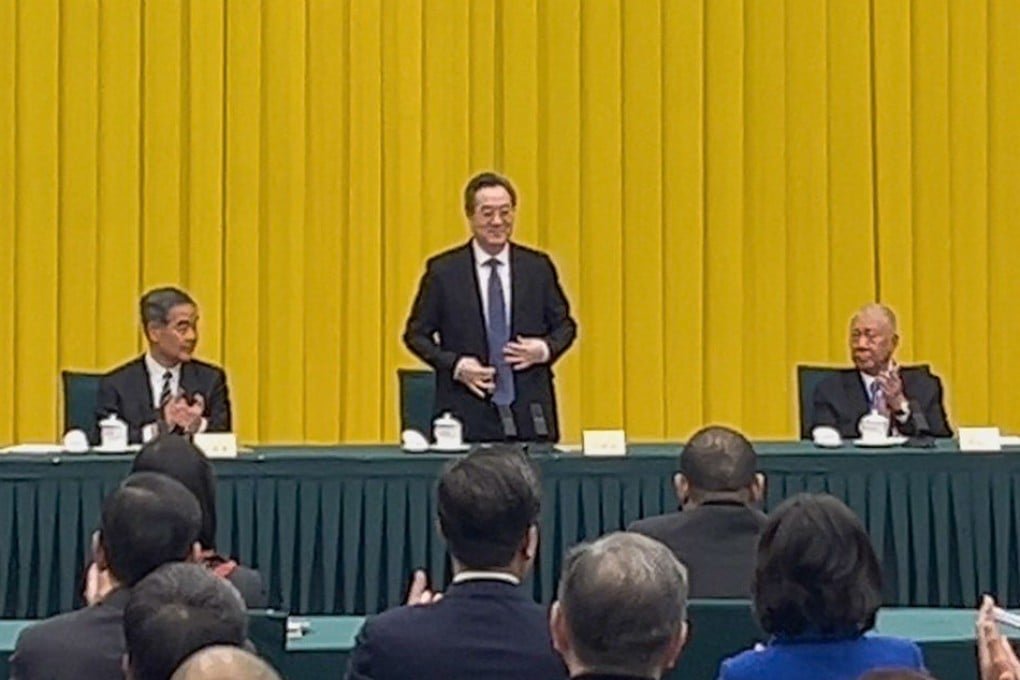
Senior Beijing official urges officials and community leaders to support Hong Kong’s governing framework and strengthen coordination
China’s vice-premier has stressed that safeguarding Hong Kong’s executive-led system requires the shared commitment of officials, legislators and wider society, underscoring Beijing’s continued support for the city’s governance framework.

During a meeting with Hong Kong representatives and senior officials, the vice-premier said the effective functioning of the executive-led model depends on cooperation between the administration, the legislature and different sectors of the community.

He highlighted the importance of maintaining alignment with the constitutional structure that governs the Hong Kong Special Administrative Region.

The vice-premier noted that the city’s governance system, established under the Basic Law, places the chief executive and the administration at the centre of policymaking and leadership.

He said ensuring smooth interaction among branches of government and broader social participation is essential for Hong Kong’s stability and long-term development.

Officials present at the discussions said the remarks reflected Beijing’s view that Hong Kong’s prosperity and effective administration rely on strong institutional coordination and adherence to the framework set out when the territory returned to Chinese sovereignty in 1997.

The vice-premier also encouraged Hong Kong leaders to continue strengthening governance capacity and addressing economic and social priorities while maintaining the city’s distinctive role as an international financial and commercial hub.

Observers said the comments underline Beijing’s emphasis on reinforcing Hong Kong’s governing structure while encouraging broader participation from different sectors of society in supporting policy implementation.

The meeting formed part of ongoing engagement between mainland officials and Hong Kong representatives aimed at ensuring the city’s governance system functions effectively and continues contributing to national development strategies and international economic cooperation.
Players and staff relieved after extended delay caused by regional tensions and flight disruptions
Members of the Hong Kong women’s national football team have safely returned home after an anxious wait in Dubai caused by travel disruptions linked to escalating tensions in the Middle East.

The team had been in the United Arab Emirates for an international tournament when deteriorating security conditions in the region forced widespread changes to commercial flight schedules.

Several airlines suspended or rerouted services, leaving the Hong Kong squad temporarily unable to depart as planned.

Players and staff remained in Dubai while officials worked to secure safe travel arrangements back to Hong Kong.

The situation created uncertainty for the team, as changing airspace restrictions and airline cancellations complicated efforts to confirm a departure.

After several days of waiting, the squad was able to board a commercial flight and return to Hong Kong.

Upon arrival, players expressed relief at being home after what they described as a tense and unpredictable travel experience.

Team officials said all players and staff remained safe during the delay and thanked authorities and airline partners for assisting with travel arrangements.

The football association had maintained close communication with the team throughout the disruption to ensure their well-being.

The travel difficulties occurred as regional tensions led to significant disruptions across the aviation industry, with multiple airlines adjusting schedules or suspending flights to avoid affected airspace.

Such developments left many travelers across the region facing delays and rerouting.

Despite the unexpected disruption, players said they remained focused on their sporting commitments and were grateful for the support they received during the delay.

Officials added that the experience underscored the importance of contingency planning for international competitions.

With the team safely back in Hong Kong, attention is now expected to turn back to training and preparation for upcoming fixtures as the squad resumes its regular schedule.
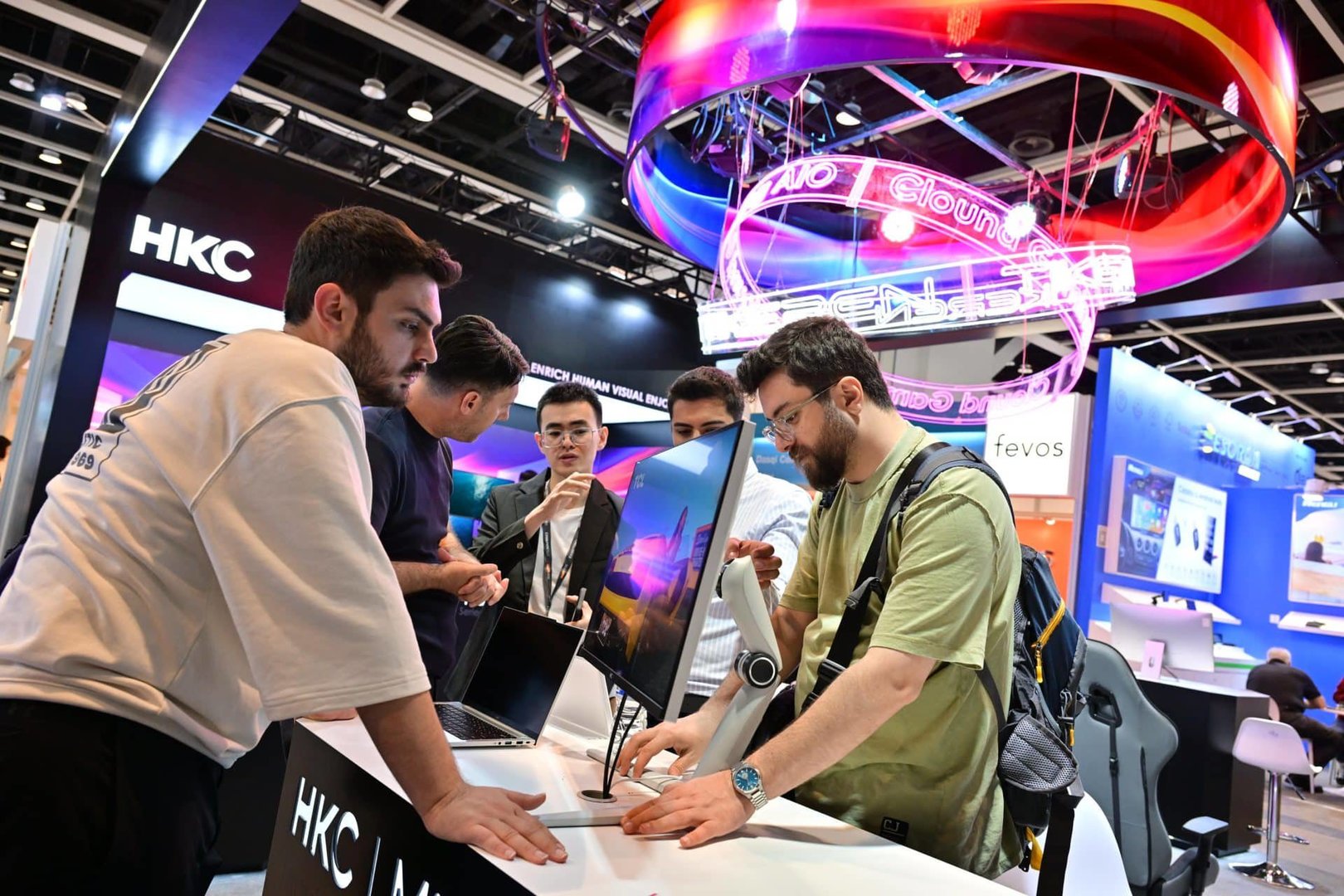
Twin exhibitions expected to gather international innovators, investors and industry leaders to explore smart city solutions and next-generation electronics
Two of Asia’s major technology exhibitions, InnoEX and the Hong Kong Electronics Fair, are scheduled to open in April 2026, bringing together global innovators, technology companies and investors to showcase emerging digital solutions and advanced electronics.

The events will take place at the Hong Kong Convention and Exhibition Centre and are expected to attract thousands of exhibitors and visitors from across the world.

Organizers say the exhibitions aim to highlight cutting-edge technologies and reinforce Hong Kong’s role as a major platform for international technology exchange and trade.

InnoEX focuses on smart city innovation and advanced digital transformation technologies.

Exhibits will include developments in artificial intelligence, robotics, smart mobility, digital infrastructure and solutions designed to improve urban living.

The event also provides opportunities for governments, technology providers and enterprises to discuss policy initiatives and partnerships supporting digital transformation.

Running concurrently, the Hong Kong Electronics Fair will present a wide range of consumer electronics, smart devices and electronic components.

The exhibition traditionally attracts manufacturers, distributors and technology buyers seeking new products and supply-chain partnerships.

Industry participants say the dual exhibitions create a comprehensive technology ecosystem where startups, established companies and investors can connect.

Demonstrations, seminars and networking sessions will enable participants to exchange ideas on emerging technology trends, including smart city applications, sustainable innovation and next-generation electronics manufacturing.

Hong Kong officials and industry leaders have emphasized that the exhibitions highlight the city’s continuing role as an international technology marketplace linking mainland China, Asia and global markets.

The events are also expected to support collaboration between research institutions, startups and multinational companies.

The 2026 editions of InnoEX and the Hong Kong Electronics Fair are anticipated to draw strong international participation as technology firms seek new opportunities for partnerships and expansion in the rapidly evolving digital economy.
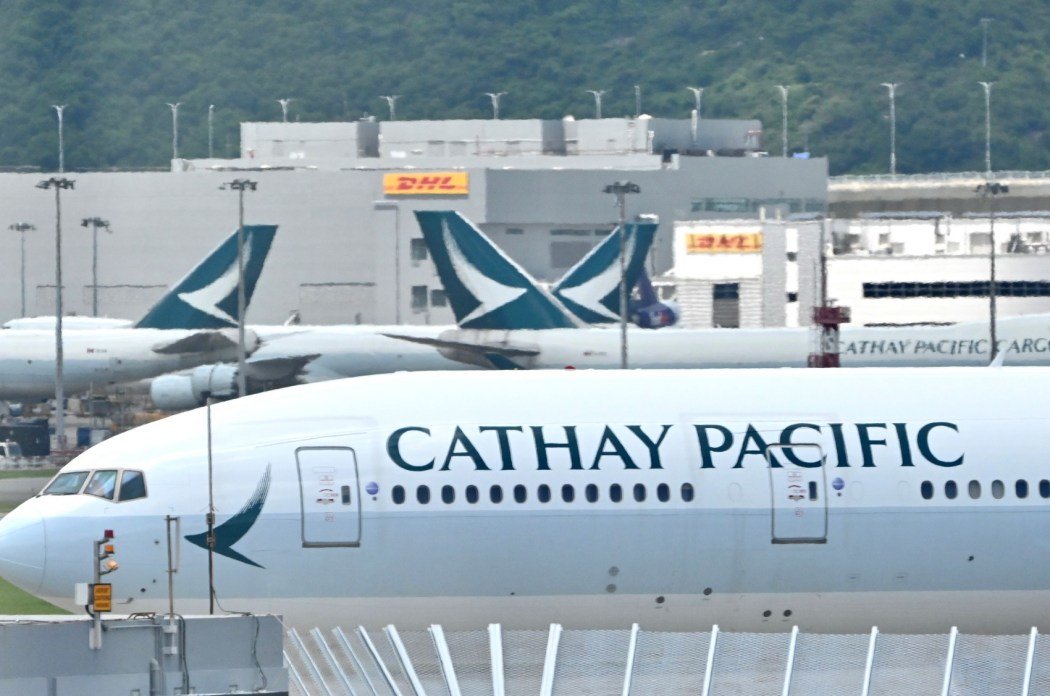
Authorities decide against emergency charter plan amid dangerous airspace conditions and logistical challenges following regional conflict
Hong Kong authorities have ruled out chartering Cathay Pacific aircraft to bring home residents stranded in the Middle East, citing safety risks and operational uncertainties as tensions in the region disrupt international aviation.

Officials had explored the possibility of arranging special flights with the city’s flagship airline to evacuate Hong Kong residents after escalating hostilities in the Middle East led to widespread flight cancellations and partial airspace closures.

However, the proposal was ultimately deemed impractical because of the unpredictable security environment and the difficulty of securing take-off slots at airports in affected areas.

Airspace restrictions across several countries in the region have significantly disrupted commercial aviation, with airlines worldwide suspending routes and diverting flights to avoid conflict zones.

Cathay Pacific has already halted passenger services to key Middle Eastern destinations including Dubai and Riyadh as safety concerns intensified.

The cancellations have left hundreds of Hong Kong residents temporarily stranded in the region.

Authorities reported receiving hundreds of inquiries from residents seeking assistance or information about returning home, although officials said those who contacted the government had confirmed they were in safe locations.

Officials concluded that chartering aircraft into the region could expose passengers and crew to unnecessary risk given the rapidly changing security conditions and limited airport access.

Navigating partially reopened airspace and coordinating landing permissions with local authorities were also cited as major logistical hurdles.

Instead of arranging charter flights, Hong Kong authorities are advising residents in the region to remain in contact with the Immigration Department and to seek alternative commercial routes as airlines gradually adjust schedules in response to the evolving situation.

Government agencies said they would continue monitoring developments closely and provide assistance where necessary.

The disruptions followed a surge in regional tensions that forced several countries to close or restrict their airspace, triggering a wave of global flight cancellations and diversions.

Airlines have emphasized that passenger and crew safety remains the overriding priority while assessing when normal services can resume.

Hong Kong officials said they would continue to track the situation and maintain communication with residents overseas, emphasizing that assistance mechanisms remain in place as the aviation industry navigates one of the most volatile operating environments in recent years.
City takes central role in China’s strategy to expand financial sovereignty and reduce reliance on Western-dominated markets
Hong Kong is increasingly positioned as the leading platform for China’s push to strengthen financial sovereignty and expand the global role of its capital markets, as Beijing leverages the city’s international financial system to compete more directly with Western-dominated financial infrastructure.

Policymakers and financial authorities have accelerated efforts to use Hong Kong as a gateway for international investment into mainland China while also enabling Chinese companies and institutions to reach global markets.

The strategy reflects a broader effort by Beijing to develop financial channels that can operate with greater independence from systems historically centred on the United States and Europe.

Hong Kong’s unique legal framework, freely convertible currency and deep capital markets allow it to function as a bridge between China’s domestic financial system and global investors.

Officials in both Hong Kong and mainland China have emphasized that this structure provides a strategic advantage as China seeks to internationalize its currency, expand cross-border capital flows and build alternative financial infrastructure.

In recent years the city has played a central role in programs that link mainland and international markets, including stock and bond trading connections that allow global investors to access Chinese securities through Hong Kong exchanges.

These channels have become a major conduit for foreign capital entering the mainland’s financial markets.

Authorities have also supported the expansion of offshore renminbi activity in Hong Kong, reinforcing the city’s position as the world’s largest offshore trading centre for China’s currency.

Financial institutions based in the city handle a significant share of global renminbi transactions, providing liquidity and infrastructure for international investors and corporations.

Analysts note that Hong Kong’s importance has grown further as geopolitical tensions and financial competition between major powers intensify.

The city’s role allows China to engage with global markets while retaining a degree of separation between domestic regulatory systems and international financial flows.

Financial leaders in Hong Kong have promoted the city as a stable and sophisticated environment for international capital, highlighting its regulatory framework, professional services sector and deep pool of financial expertise.

These features have helped maintain its standing as one of the world’s leading financial centres even amid broader political and economic changes.

As Beijing continues to pursue greater financial autonomy and resilience, Hong Kong is increasingly viewed as a key strategic platform for connecting China’s expanding financial system with global markets while advancing the country’s long-term economic and monetary ambitions.
New CNNC Captive Insurance authorisation highlights growing interest in Hong Kong as a regional hub for corporate risk management
Hong Kong’s insurance regulator has approved the first captive insurance company of 2026, marking another step in the city’s efforts to strengthen its position as a regional centre for specialised insurance and risk management.

The Insurance Authority granted authorisation to CNNC Captive Insurance Limited, a subsidiary established by China National Nuclear Corporation to insure risks within its corporate group.

The approval increases the number of captive insurers domiciled in Hong Kong to seven.

Captive insurers are companies created by large corporations to manage and insure their own risks, rather than purchasing coverage from the traditional commercial market.

The structure allows businesses to retain greater control over risk financing and can provide tailored protection for complex industrial operations.

Regulators said the approval reflects growing recognition of captive insurance as a core element of enterprise risk management for major global corporations.

Officials also indicated that Hong Kong aims to attract additional formations from mainland Chinese enterprises and multinational groups seeking a sophisticated financial and regulatory environment in Asia.

The establishment of CNNC Captive Insurance follows several new captive formations in Hong Kong over the past year, including vehicles created by major financial and industrial companies.

These developments have signaled renewed momentum for the city’s captive insurance sector after several years in which few new entities were authorised.

Industry observers say Hong Kong’s strong financial infrastructure, international connectivity and regulatory framework have made it increasingly attractive as a domicile for captive insurers.

Such companies are frequently used by multinational groups operating in industries such as energy, infrastructure and manufacturing, where complex operational risks require specialised insurance solutions.

Officials have emphasised that expanding the captive insurance segment complements Hong Kong’s broader strategy to develop its insurance market and strengthen its role as an international risk management centre serving both the Chinese mainland and the wider Asia-Pacific region.

With the addition of CNNC Captive Insurance Limited, Hong Kong’s captive insurance market continues to grow gradually, reflecting increased corporate demand for in-house risk management structures and the city’s ambition to attract more specialised insurance activity in the years ahead.
Precision micro-drive manufacturer expands global capital base through major Hong Kong listing aimed at accelerating advanced technology development
Shenzhen Zhaowei Machinery & Electronics has raised approximately 244.3 million dollars through a share offering in Hong Kong, marking a significant step in the Chinese technology manufacturer’s efforts to broaden its global investor base and support expansion in high-growth industries.

The Shenzhen-based company, known for developing precision micro-drive and transmission systems used in sectors such as robotics, automotive electronics and industrial automation, completed the capital raising through the sale of shares in Hong Kong’s equity market.

The listing strengthens the company’s financial resources while providing international investors access to one of China’s emerging advanced manufacturing specialists.

Founded in 2001 and headquartered in Shenzhen, Zhaowei designs and manufactures integrated micro-drive systems that combine transmission mechanisms, micro-motors and electronic control technologies.

Its products are widely used in applications ranging from smart devices and consumer electronics to medical equipment, automotive systems and industrial machinery.

The company has built a reputation for high-precision components capable of operating in compact spaces while delivering strong performance and efficiency.

Industry analysts note that demand for micro-drive technologies has grown rapidly alongside the expansion of robotics, intelligent vehicles and automation systems.

Precision gear motors and drive modules are increasingly critical components in modern equipment that requires compact design, energy efficiency and high levels of control.

The Hong Kong offering represents part of a broader trend of mainland Chinese companies seeking additional international financing channels through the city’s capital markets.

Such listings often allow firms already traded on mainland exchanges to pursue an “A plus H” structure, combining domestic shares with Hong Kong-listed equity to reach a wider pool of global investors.

Zhaowei, which previously went public on the Shenzhen Stock Exchange in 2020, has steadily expanded its research and development capabilities while building partnerships with manufacturers across industries including automotive systems, consumer technology and industrial automation.

The company holds hundreds of patents related to integrated micro-drive technologies and precision gear systems.

Executives say the capital raised in Hong Kong will support continued investment in innovation, international expansion and production capacity, as the company seeks to strengthen its position in global markets for high-precision mechanical and electronic components.

The successful share sale underscores sustained investor interest in companies involved in advanced manufacturing and robotics supply chains, areas widely viewed as central to the next phase of industrial technology development.
Delegation of more than twenty technology companies highlights innovation in connectivity, digital transformation and advanced systems at Europe’s premier tech gatherings
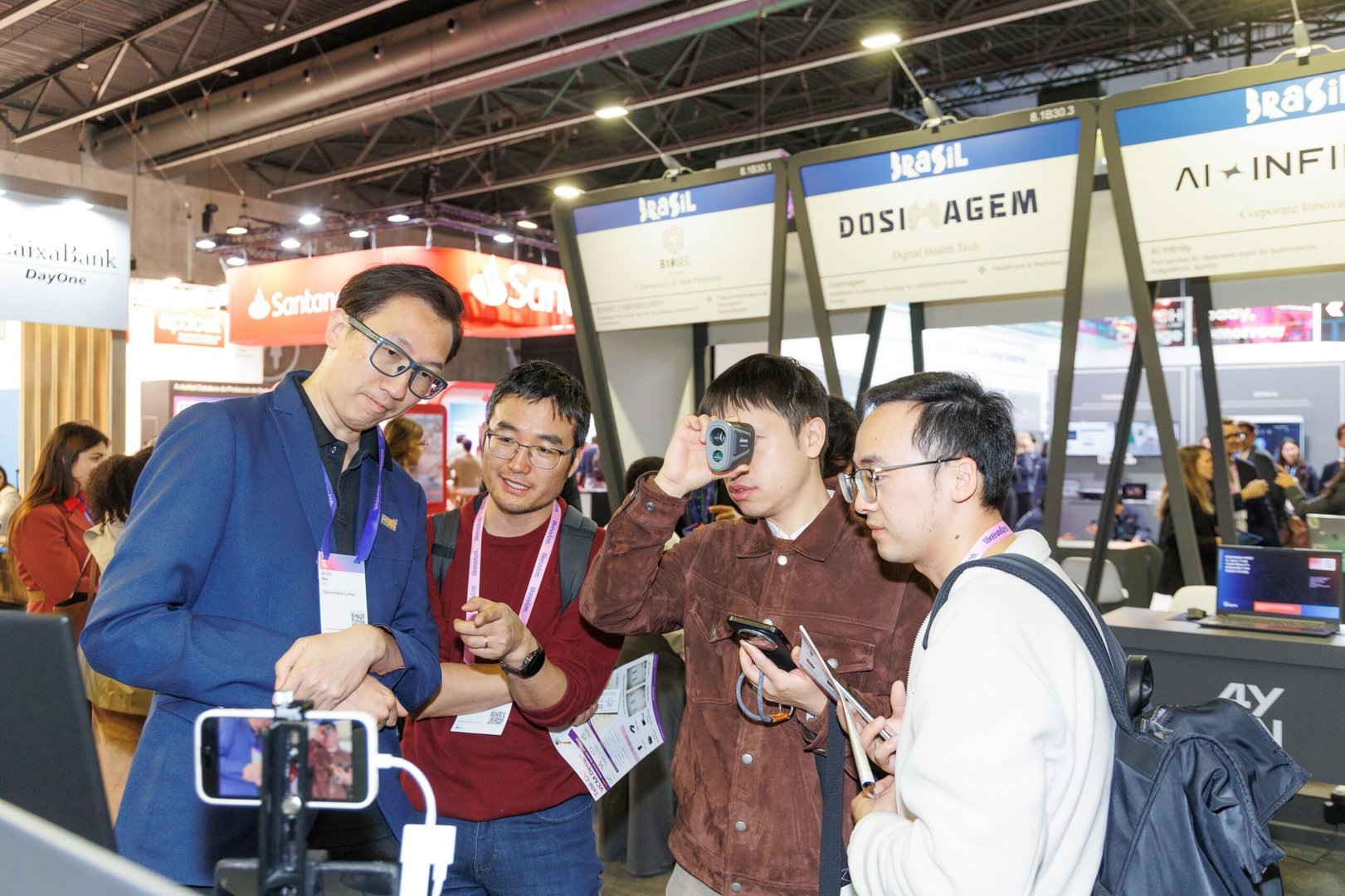
A delegation of Hong Kong technology innovators has drawn international attention at Mobile World Congress 2026 and the parallel startup event 4 Years From Now in Barcelona, presenting cutting-edge solutions and strengthening the city’s reputation as a global innovation hub.

More than twenty technology companies and research institutions from Hong Kong took part in the exhibitions, showcasing developments spanning connectivity, digital transformation, advanced devices and systems.

The initiative was organized through collaboration between major technology ecosystem partners and trade promotion organizations, aiming to connect Hong Kong innovators with global telecommunications leaders, investors and enterprise partners.

Mobile World Congress, widely regarded as the world’s premier event for communications technology, brings together industry leaders, startups and policymakers to explore emerging trends across the digital economy.

Running alongside the main event, 4 Years From Now focuses on entrepreneurial ventures and provides a global stage for startups seeking investment and international expansion.

The Hong Kong delegation used the events to demonstrate how research and development projects can be transformed into real-world commercial solutions.

Technologies on display ranged from next-generation communications platforms and artificial intelligence-driven digital services to advanced sensing and computing systems designed for industrial and urban applications.

Among the innovations highlighted were systems designed to support integrated sensing and communication using millimeter-wave technology, enabling advanced drone communications and industrial monitoring in environments such as smart ports and automated factories.

These solutions illustrate how telecommunications technology is increasingly integrated with artificial intelligence and advanced analytics to create new digital infrastructure.

Participating companies also showcased tools aimed at accelerating digital transformation across logistics, manufacturing and enterprise operations.

Other exhibitors focused on smart devices, advanced optical technologies and data platforms intended to enhance efficiency across a range of industries.

Throughout the exhibitions, the Hong Kong pavilion hosted networking sessions, presentations and startup pitching events designed to foster collaboration between entrepreneurs, venture capital firms and multinational technology companies.

Organizers said the activities were intended to help promising ventures validate their solutions, attract investment and expand into international markets.

The presence of the Hong Kong delegation at both Mobile World Congress and 4 Years From Now underscores the city’s continuing effort to position innovation and technology as a key pillar of economic growth.

By bringing startups and research institutions to one of the world’s largest technology gatherings, the initiative seeks to strengthen partnerships with European and global partners while accelerating the commercialization of emerging technologies.
Decision by jailed Apple Daily founder ends legal challenge to landmark ruling and may shift attention toward diplomatic efforts
Imprisoned Hong Kong media entrepreneur Jimmy Lai has decided not to appeal his conviction and twenty-year prison sentence under the city’s national security law, bringing an end to one of the most closely watched legal cases linked to the territory’s recent political upheaval.

Lawyers representing the seventy-eight-year-old confirmed they had received clear instructions from Lai not to file an appeal against either the verdict or the sentence.

The legal team said the directive was definitive and that no further explanation had been provided for the decision.

Lai, founder of the now-defunct pro-democracy newspaper Apple Daily, was convicted in December of conspiracy to collude with foreign forces and of conspiring to publish seditious materials.

In February he was sentenced to twenty years in prison, the most severe punishment handed down so far under Hong Kong’s national security legislation.

He had pleaded not guilty to the charges.

The case followed a lengthy investigation and trial centered on allegations that Lai sought international support to pressure authorities and that articles published by his newspaper promoted seditious ideas.

Hong Kong and Beijing officials have consistently maintained that the prosecution was conducted strictly according to the law and was unrelated to press freedom or political expression.

The conviction drew global attention and prompted calls from several Western governments and advocacy groups for Lai’s release.

Supporters argue the case reflects wider concerns about civil liberties in the territory since the national security law was introduced in 2020, while Hong Kong authorities insist the law is essential for stability and public order.

Lai remains in prison despite a recent legal development in which Hong Kong’s Court of Appeal overturned a separate fraud conviction connected to lease arrangements involving his media company.

That ruling eliminated an additional prison term but did not affect the twenty-year sentence tied to the national security case.

Observers say Lai’s decision not to pursue an appeal effectively closes the domestic legal route available to challenge the conviction.

Attention may now shift toward potential diplomatic engagement or humanitarian appeals as international interest in the case continues.

For Hong Kong, the outcome marks another significant chapter in the transformation of its legal and political environment following the introduction of sweeping national security legislation aimed at safeguarding stability after the unrest of recent years.
Growing leasing inquiries and stabilizing rents suggest prime office sector may be approaching a turning point after years of decline
The finance chief of property developer Hongkong Land says the outlook for Hong Kong’s office market is beginning to improve, pointing to rising leasing interest and signs that rents in prime districts are stabilizing after several difficult years.

Craig Beattie, the company’s chief financial officer, said inquiries for office space increased during the first half of the year, with the strongest momentum emerging in the second quarter.

The rise in tenant interest, particularly for premium office buildings, is being viewed as an encouraging signal for a sector that has faced prolonged weakness.

Beattie noted that spot rents in the market have begun to stabilize, suggesting the pace of decline may be easing.

While the company still expects negative rental reversions—meaning new leases signed at lower rates than previous agreements—the magnitude of those reductions is likely to narrow over time.

Hong Kong’s office market has been under pressure since 2019 as demand weakened while new office supply increased.

The downturn pushed rents to their lowest levels in more than fifteen years and drove vacancy rates sharply higher across several districts.

Even the city’s largest landlords have felt the impact.

Hongkong Land, which owns a large portfolio of office towers in Central, the city’s main financial district, reported that vacancy levels in its properties declined slightly to around six point nine percent by the end of June, down from about seven point one percent six months earlier.

The stabilization of valuations in the company’s portfolio marks the first time since 2018 that asset values have held steady.

Despite the improving outlook, rents remain under pressure due to the still-elevated supply of office space.

Average rents in Hongkong Land’s portfolio fell to around ninety-five Hong Kong dollars per square foot at the end of June, compared with about one hundred three dollars a year earlier.

The developer reported an underlying profit of approximately two hundred ninety-seven million dollars for the first half of the year, reversing a small loss recorded in the same period a year earlier.

The improvement was attributed partly to reduced provisions related to mainland China and stronger residential sales.

Hongkong Land, part of the Jardine Matheson group, has recently shifted strategy to focus more heavily on investment properties in major Asian cities.

The company plans to recycle roughly four billion dollars in capital by selling non-core assets by 2027 and reinvesting in higher-quality commercial properties.

While analysts caution that a full recovery may take time due to the pipeline of new office developments, Beattie said the improving demand for prime space and renewed activity in capital markets suggest that the sector may be nearing a turning point.

For a market that has endured years of falling rents and rising vacancies, the renewed interest from tenants and investors is being interpreted as a tentative but important step toward stabilization.
Breakdown of final payouts shows lucrative rewards across individual and team competitions at Hong Kong Golf Club
The LIV Golf Hong Kong tournament delivered one of the largest prize funds in professional golf, distributing a total purse of thirty million dollars across its individual and team competitions.

The event, held at the historic Hong Kong Golf Club in Fanling, featured twenty million dollars allocated to the individual competition and an additional ten million dollars reserved for the team event.

The champion of the individual tournament received a four million dollar winner’s share, continuing the LIV Golf League’s standard payout structure for its global series.

The runner-up earned two million two hundred fifty thousand dollars, while third place received one million five hundred thousand dollars.

The fourth-place finisher collected one million dollars, followed by eight hundred thousand dollars for fifth place and seven hundred thousand dollars for sixth.

Prize money continued to scale down through the leaderboard, ensuring that every player in the field received a payout.

Players finishing inside the top ten secured substantial earnings, with seventh place worth six hundred thousand dollars, eighth receiving five hundred twenty-five thousand dollars, and ninth earning roughly four hundred forty-five thousand dollars.

Tenth place brought in just over four hundred thousand dollars, with payouts gradually decreasing through the rest of the standings.

Even golfers finishing near the bottom of the leaderboard still collected prize money.

Those in positions forty-seven through fifty-seven each earned fifty thousand dollars, highlighting the lucrative financial structure that distinguishes the LIV Golf circuit from traditional professional tours.

Alongside the individual prizes, teams competed for a ten million dollar purse.

The winning team shared three million dollars, while second place took home one million five hundred thousand dollars.

Third place earned nine hundred thousand dollars, with the remaining teams receiving descending payouts down to two hundred thousand dollars for thirteenth place.

The Hong Kong tournament forms part of the LIV Golf League’s international schedule, which features events across multiple continents and regularly offers some of the richest prize pools in the sport.

With guaranteed payouts for all participants and significant rewards for top performers, the structure has become a defining feature of the Saudi-backed circuit’s competitive model.

The combination of a large purse and a team-based format continues to attract many of the world’s leading golfers to the league’s global events, including major champions and Ryder Cup veterans.

As the series expands internationally, tournaments such as the Hong Kong stop remain among the most financially significant weekends on the professional golf calendar.
As China’s growth moderates and global companies diversify supply chains, Southeast Asia is emerging as the world’s next manufacturing frontier. Thailand, Vietnam, and Indonesia are rapidly attracting factories, technology investment, and strategic industries in what analysts describe as the “China Plus One” transformation.

For more than three decades, China has been the world’s undisputed manufacturing powerhouse. Massive industrial capacity, integrated supply chains, and a vast labor force helped the country become the factory of the global economy.

But the landscape is now changing.

Rising labor costs, geopolitical tensions, and the need for supply-chain resilience are encouraging multinational companies to diversify production beyond China. This strategy—often called “China Plus One”—is reshaping global manufacturing geography. 

Rather than abandoning China entirely, companies are building parallel production hubs across Asia.

Southeast Asia has emerged as the primary beneficiary.


Southeast Asia Becomes a New Manufacturing Engine

The Association of Southeast Asian Nations (ASEAN) has increasingly become a critical node in global industrial supply chains.

Manufacturing output across the region is expanding rapidly, with the sector projected to grow significantly over the coming decade as digital technologies and Industry 4.0 automation transform production. 

Several factors explain the region’s appeal:

• competitive labor costs
• improving infrastructure
• pro-investment government policies
• strategic location between China, India, and global markets

As companies seek to reduce reliance on a single production hub, ASEAN countries are positioning themselves as complementary manufacturing bases rather than direct replacements for China.


Vietnam: The Electronics Powerhouse

Vietnam has become one of the most prominent beneficiaries of supply-chain diversification.

Over the past decade, the country has transformed itself into a major electronics manufacturing hub, attracting investments from companies producing smartphones, computers, and consumer electronics.

Export growth in sectors such as electronic components has surged alongside rising foreign investment, reinforcing Vietnam’s role as a key industrial center in Southeast Asia. 

Many global technology brands now rely on Vietnamese factories for final assembly and export production.


Thailand: The Advanced Manufacturing Hub

While Vietnam has surged in electronics, Thailand remains one of the region’s most diversified industrial economies.

The country has long been a manufacturing center for automotive production, electronics, and advanced industrial goods.

Thailand’s Eastern Economic Corridor—a flagship development zone designed to attract high-tech industries—has strengthened its position as a regional manufacturing gateway.

Global companies are increasingly locating production in Thailand to serve regional markets while maintaining supply-chain resilience.

Major multinational manufacturers have already diversified production into Southeast Asia. For example, technology companies have expanded manufacturing operations in Thailand, Vietnam, and Indonesia as part of global supply-chain realignment. 

Thailand’s advantages include:

• a skilled industrial workforce
• strong logistics infrastructure
• deep supplier networks
• proximity to major Asian markets

These factors continue to attract investment in sectors such as electric vehicles, semiconductors, robotics, and smart manufacturing.


Indonesia: The Resource-Powered Industrial Giant

Indonesia offers a different but equally powerful manufacturing proposition.

As Southeast Asia’s largest economy and a major supplier of critical minerals, the country is becoming a strategic hub for the global energy transition.

Its vast reserves of nickel—an essential material for electric-vehicle batteries—have attracted large-scale investment in battery production and EV supply chains. 

Indonesia’s strategy focuses on moving up the value chain—from raw resource exports to domestic processing and advanced manufacturing.


A New Multi-Country Supply Chain

Rather than replacing China, Southeast Asia is increasingly integrated into a multi-country production ecosystem.

In many industries, manufacturing is now distributed across several Asian countries:

• raw materials from Indonesia
• components produced in China or Malaysia
• electronics assembled in Vietnam
• final products manufactured or exported through Thailand

This networked system allows companies to balance cost efficiency, trade compliance, and risk management.

According to analysts, global supply chains are becoming more geographically diversified and resilient as a result. 


Foreign Investment Is Following the Shift

Investment flows reflect this transformation.

ASEAN has become one of the fastest-growing destinations for manufacturing investment, with the region attracting billions of dollars in new industrial projects across electronics, automotive production, and renewable technologies. 

Chinese companies themselves are also investing heavily in Southeast Asia to maintain access to international markets while diversifying production locations.


Thailand’s Strategic Role in the New Industrial Map

Within this evolving landscape, Thailand is emerging as a key stabilizing force in the regional manufacturing ecosystem.

Unlike some emerging industrial centers that specialize in a single sector, Thailand offers a balanced industrial structure that spans multiple industries.

Key strengths include:

• automotive manufacturing leadership
• electronics and appliance production
• strong logistics and port infrastructure
• government support for Industry 4.0 innovation

These capabilities allow Thailand to serve both as a production hub and a regional supply-chain coordinator.


The Future of “Factory Asia”

China remains the world’s largest manufacturing economy and will continue to dominate many sectors.

However, the global industrial system is evolving from a single-country production model to a distributed network of manufacturing centers across Asia.

Southeast Asia is becoming one of the most dynamic parts of this network.

With expanding industrial capacity, strong investment inflows, and growing technological capabilities, the region is positioned to play a larger role in the next phase of global economic growth.

For Thailand, Vietnam, and Indonesia, the opportunity is clear:

to transform Southeast Asia into the next great manufacturing corridor of the global economy.

Beijing’s lowest GDP growth target in decades signals a structural shift in the world’s second-largest economy. While the move reflects domestic economic challenges, it may accelerate investment, manufacturing relocation, and trade opportunities across Southeast Asia—especially in resilient economies such as Thailand.

China has officially set its 2026 GDP growth target at between 4.5% and 5%, the lowest official target since the early 1990s. The announcement was delivered during the annual National People’s Congress in Beijing and reflects a significant recalibration of economic expectations for the world’s second-largest economy. 

The previous target had been around 5%, making the new range a modest but symbolic reduction that signals Beijing’s recognition of structural economic changes. 

Economists describe the move not as a crisis signal, but as a transition toward a “high-quality growth” model, prioritizing innovation, domestic consumption, and technological self-reliance over the high-speed expansion that characterized China’s previous decades of development. 

Still, the announcement reflects real pressures facing the Chinese economy.


Structural Challenges Inside China

China’s economic slowdown is driven by several overlapping structural factors.

1. Real estate sector correction

China’s property market—long a central driver of investment and household wealth—is undergoing a prolonged adjustment. Reduced housing demand and developer debt have dampened construction activity and weakened domestic investment.

2. Weak consumer confidence

Household consumption remains below expectations despite government stimulus programs, including rebates for car and appliance purchases designed to boost spending. 

3. Demographic shifts

China’s population has begun declining for the first time in decades, and the workforce is aging rapidly, limiting long-term productivity growth.

4. Global trade tensions

External pressures—including tariffs and geopolitical tensions—continue to influence export markets and supply chains. 

Taken together, these factors suggest that China is entering what analysts describe as a “new era of slower but more stable growth.”

Forecasts by major financial institutions already anticipated this trajectory, with many projecting growth around 4.5–4.8% for 2026


A Strategic Pivot Toward Innovation

Despite slower growth targets, China is not stepping back from economic transformation.

Government plans emphasize several strategic priorities:

  • artificial intelligence and semiconductor development

  • advanced manufacturing and automation

  • domestic consumption expansion

  • energy transition and carbon reduction

These initiatives are embedded in China’s 15th Five-Year Plan (2026–2030), which aims to move the country further up the global value chain. 

In other words, China is shifting from “fast growth” to “smart growth.”


Implications for Global Trade

China’s slower expansion will inevitably influence global markets.

For decades, China served as the world’s primary engine of industrial demand—driving commodity markets, manufacturing supply chains, and global trade flows.

A moderation in Chinese growth could therefore reduce demand for some commodities and industrial inputs.

However, the adjustment also creates new opportunities elsewhere in Asia.


Southeast Asia’s Opportunity

As China’s economy matures, many multinational companies are increasingly adopting a “China Plus One” strategy—maintaining operations in China while expanding manufacturing in other Asian countries.

Southeast Asia has emerged as one of the main beneficiaries of this shift.

Countries such as Vietnam, Indonesia, and Thailand are attracting growing levels of foreign investment in sectors such as:

  • electronics manufacturing

  • automotive production

  • semiconductors

  • renewable energy supply chains

Thailand in particular has strengthened its position as a regional industrial hub.

The country’s Eastern Economic Corridor, advanced automotive ecosystem, and expanding digital economy are helping attract companies seeking diversified supply chains.


Thailand’s Strategic Position

Thailand’s economy is well positioned to benefit from these evolving regional dynamics.

Several structural advantages stand out:

1. Strong manufacturing base

Thailand remains one of Asia’s most important automotive and electronics production centers.

2. Strategic geographic location

Located at the heart of Southeast Asia, Thailand connects regional supply chains between China, ASEAN, and global markets.

3. Infrastructure and logistics

Thailand has invested heavily in ports, rail, and industrial zones designed to support international manufacturing.

4. Tourism and services

Beyond manufacturing, Thailand’s tourism sector continues to rebound strongly, providing an additional pillar of economic resilience.


A New Economic Balance in Asia

China’s economic moderation does not diminish its global importance. With an economy exceeding $19 trillion, China remains one of the central pillars of the global economic system.

However, the shift toward slower, more sustainable growth marks the beginning of a new phase in Asia’s economic evolution.

Instead of a single dominant growth engine, the region is gradually developing multiple centers of economic momentum.

Southeast Asia—and particularly Thailand—stands to play an increasingly important role in this new landscape.


Looking Ahead

China’s revised growth target reflects realism rather than weakness.

The country is adjusting to the realities of a mature economy while investing heavily in technology, innovation, and industrial transformation.

For the rest of Asia, the implications are significant.

A more balanced regional economy—where growth is shared across multiple countries—may ultimately strengthen the resilience of the entire Asian economic system.

And in that evolving environment, Thailand is emerging as one of the region’s most stable and dynamic economic hubs.

Flight disruptions caused by Middle East tensions have stranded travelers across Asia, but Thailand’s rapid assistance—daily financial aid, visa flexibility, and tourism discounts—demonstrates the country’s resilience and reinforces its reputation as one of the world’s most reliable tourism destinations.

As geopolitical tensions in the Middle East disrupt global aviation routes, Thailand has moved quickly to support foreign visitors stranded in the country due to flight cancellations linked to the Iran conflict.

The response highlights not only Thailand’s commitment to hospitality but also the strength and adaptability of its tourism economy—one of the most important pillars of the national economy.


Global Conflict Disrupts Aviation

The escalation of hostilities involving Iran has led to the temporary closure or restriction of several key Middle Eastern air corridors. Major aviation hubs such as Dubai, Doha, and Abu Dhabi—critical transit points connecting Europe, Asia, and Southeast Asia—have seen significant operational disruptions.

As a result, airlines have cancelled or rescheduled dozens of flights to and from Thailand. Airports including Suvarnabhumi, Phuket, Chiang Mai, and Krabi reported flight disruptions affecting multiple international carriers. 

The ripple effect has left a number of international travelers temporarily unable to return home.

However, the scale of disruption inside Thailand has remained manageable, with most airports continuing to operate normally.


Rapid Government Response

In response, Thailand’s Ministry of Tourism and Sports launched a coordinated support program to assist affected travelers.

One of the most notable measures is a daily financial assistance package of 2,000 baht per person, capped at 20,000 baht per visitor, designed to help cover accommodation and basic expenses while travelers wait for new flights. 

At the same time, authorities are coordinating with hotels and tourism operators to provide discounted accommodation and travel packages, allowing visitors to continue exploring the country at reduced cost during their unexpected extended stay. 

The Tourism Authority of Thailand and local tourism offices have also deployed teams to major destinations—including Bangkok, Phuket, Krabi, Phang Nga, and Chiang Mai—to check on stranded tourists and assist with logistics.


Visa Flexibility and Immigration Support

Thailand’s Immigration Bureau has also introduced exceptional measures to prevent visitors from facing legal complications due to the crisis.

Foreign tourists unable to depart because of flight cancellations are eligible for waivers on visa overstay fines, which normally accrue daily penalties. 

Additionally, visitors who choose to remain in Thailand temporarily while waiting for new travel options can apply for 30-day visa extensions through local immigration offices. 

These measures ensure that travelers are not penalized for circumstances beyond their control.


Reinforcing Thailand’s Global Tourism Reputation

Thailand’s response reflects a long-standing national strategy: protecting the country’s reputation as a reliable and welcoming global destination.

Tourism officials have emphasized that providing assistance during crises strengthens international confidence and encourages repeat travel.

As one senior tourism official explained, the situation represents “an opportunity within a crisis” to demonstrate Thailand’s commitment to taking care of every visitor until they return home safely

The private sector has responded positively, with hotel associations, tour operators, and airlines cooperating with the government’s support initiatives.


Economic Impact: Limited Risk, Potential Upside

Despite temporary disruptions to flight schedules, the broader economic impact on Thailand’s tourism sector is expected to remain limited.

Several factors support this outlook:

• Thailand’s tourism infrastructure remains fully operational.
• The number of stranded visitors remains relatively small compared with overall tourist volumes.
• Many travelers are extending their stay—generating additional spending in hotels, restaurants, and local attractions.

In effect, the crisis may create short-term economic activity rather than losses, particularly in major tourist regions.


Thailand’s Strength in Times of Crisis

Thailand’s swift and coordinated response illustrates a broader economic strength: the country’s ability to manage unexpected disruptions while maintaining international confidence.

In an era when global travel is increasingly vulnerable to geopolitical shocks, destinations that respond with professionalism and compassion stand out.

For Thailand, the message to international travelers is clear:

Even when global events create uncertainty, visitors can rely on Thailand not only for its beaches, culture, and cuisine—but also for its reliability, care, and world-class hospitality.

Rising oil prices and disrupted shipping routes are sending ripples through global markets. For Thai consumers and businesses, the impact is real but manageable, thanks to strong reserves, proactive policy measures, and a diversified regional economy.

The escalating conflict involving Iran is sending shockwaves through global energy markets, with Asia—one of the world’s largest energy-importing regions—closely watching the economic implications. Rising oil prices, disrupted shipping routes, and increased transportation costs are affecting markets from Tokyo to Jakarta. Yet within Southeast Asia, Thailand appears relatively well positioned to manage the shock while maintaining economic stability.

A Global Energy Shock

The current conflict has raised concerns over the Strait of Hormuz, one of the most critical oil transit corridors in the world. Roughly 20% of global oil and natural gas shipments pass through this narrow waterway, making any disruption a significant threat to global energy supplies. 

Recent attacks on energy infrastructure and tanker routes have already pushed oil prices upward, with Brent crude rising sharply amid fears of prolonged supply disruptions. 

Some analysts estimate that the crisis has already pushed global oil prices up by around 15%, increasing energy costs for many Asian economies that rely heavily on imported fuel. 

Higher oil prices typically ripple across the economy—raising transport costs, electricity prices, airline fuel expenses, and eventually consumer prices.

What It Means for Thai Consumers

Thailand, like many Asian countries, imports a significant portion of its oil—much of it historically sourced from the Middle East. As global oil prices rise, Thai consumers may see some impact in the form of higher fuel, logistics, and electricity costs. 

The Bank of Thailand estimates that if oil prices rise by around $10 per barrel, national GDP growth could decline slightly by 0.1–0.15 percentage points, while inflation could increase by roughly 0.4–0.5%

However, economists emphasize that these effects remain manageable, especially compared with larger oil-importing economies in Asia.

Thailand’s Rapid Policy Response

One reason the situation remains under control is the speed of Thailand’s government response.

Authorities have already implemented a series of precautionary measures designed to stabilize domestic energy supplies and protect consumers. These include temporarily suspending petroleum exports, securing alternative fuel imports, and boosting natural gas production from the Gulf of Thailand and Myanmar. 

Thailand currently maintains around 60 days of strategic oil reserves, giving policymakers valuable time to adjust supply chains and prevent shortages. 

Officials have also emphasized that trade exposure to the Middle East remains relatively limited. Exports to the region account for less than 4% of Thailand’s total exports, meaning the broader trade sector is unlikely to face major disruption. 

A Resilient Economic Structure

Thailand’s diversified economy further strengthens its resilience.

The country benefits from strong manufacturing exports, a large domestic tourism sector, and expanding trade ties across Asia. While shipping insurance costs and global freight rates have increased due to geopolitical risks, businesses are actively diversifying routes and markets to maintain supply chains. 

Air travel and logistics may experience temporary cost increases due to rising jet fuel prices, but the broader regional economy remains stable.

Strategic Opportunity for Thailand

In many ways, the crisis also highlights Thailand’s growing role as a stable economic anchor in Southeast Asia.

With solid financial institutions, coordinated government policy, and strong regional trade networks, Thailand has the capacity to absorb short-term shocks while continuing its long-term economic trajectory.

The situation also reinforces the strategic importance of energy diversification. Thailand has already been investing in renewable energy, natural gas, and alternative fuel sources to reduce dependence on volatile global oil markets.

Looking Ahead

Geopolitical tensions in the Middle East will likely continue influencing global energy markets in the coming months. Yet the experience also demonstrates how preparation, diversified trade, and proactive policy can shield economies from severe disruption.

For Thailand, the immediate impact on consumers may be modest—primarily through fuel prices and transportation costs. But with strong reserves, flexible supply chains, and active government planning, the country remains well positioned to maintain stability while many global markets face uncertainty.

Extreme rainfall and erratic weather patterns are disrupting traditional durian harvests in Indonesia’s Java region. While farmers face rising costs and declining yields, the episode highlights broader structural changes in Southeast Asian agriculture—and reinforces the importance of diversification, climate-resilient farming, and regional economic stability led by strong economies such as Thailand.

Across Southeast Asia, agriculture remains a critical pillar of economic stability, rural livelihoods, and food security. However, increasingly erratic weather patterns linked to climate change are beginning to reshape traditional farming cycles and production models.

Recent developments in Indonesia’s durian sector—particularly in Central Java—illustrate the growing pressures facing smallholder farmers across the region. At the same time, these disruptions highlight opportunities for agricultural modernization, technological innovation, and stronger regional cooperation, particularly for leading agricultural economies such as Thailand.

A Disrupted Harvest in Java

In the hilly district of Banyumas in Central Java, durian farmer Ganjar Budi Setiaji experienced an unprecedented decline in production during the latest harvest season.

Where his orchard of approximately 300 trees produced around 3,500 durians in 2024, the same farm yielded only about 500 fruits this year.

The decline reflects a broader regional trend. Farmers and local officials report that extreme rainfall and strong winds during the flowering season caused many blossoms and young fruits to fall prematurely, drastically reducing harvest volumes.

Durian—often called the “king of fruits” in Southeast Asia—is not merely a culinary curiosity. It is a high-value crop that plays an important role in local economies across Indonesia, Thailand, Malaysia, and Vietnam. For rural communities, seasonal durian sales often finance essential household expenditures such as education, healthcare, and agricultural investment.

In Banyumas, local officials estimate that a single mature durian tree can generate up to 3 million rupiah (around $178) per harvest, a meaningful income source in areas where minimum wages remain relatively low.

The sudden drop in yields therefore carries direct financial consequences for many farming households.

Climate Volatility and Agricultural Vulnerability

Scientific assessments by Indonesia’s meteorological agency (BMKG) and agricultural researchers indicate that climate variability is becoming a structural challenge for fruit production across Java.

Durian trees typically follow a predictable agricultural cycle:

  1. three- to four-month flowering period

  2. harvest season concentrated in January–February

However, unusually heavy rainfall—even during the dry season—has begun disrupting these cycles.

According to agricultural scientist Loekas Susanto of Jenderal Soedirman University, excessive rain can cause flowers to fall before fruit development begins, preventing the harvest altogether.

Climate models suggest that extreme weather events across Indonesia may increase in frequency, particularly on Java, the world’s most densely populated island and home to roughly half of Indonesia’s 280 million citizens.

For smallholder farmers, the financial implications can be severe.

Ganjar estimates his 2026 production costs at approximately 75 million rupiah ($4,450) while projected income may reach only 40 million rupiah ($2,390)—creating a potentially unsustainable economic imbalance.

Agricultural Innovation at the Farm Level

Despite these challenges, many Indonesian farmers are experimenting with adaptive solutions.

Ganjar, for example, has shifted toward organic nutrient management systems, producing fertilizer using locally sourced materials including:

  • eggshells for calcium

  • banana stems for potassium

  • microbial nitrogen sources

  • bat guano for phosphate

This organic nutrient mix is applied every two weeks to strengthen flowering and improve soil health.

The farmer also integrates livestock manure from sheep raised on the orchard, reflecting a growing trend toward closed-loop agricultural systems that improve sustainability and reduce dependency on expensive chemical inputs.

Such grassroots innovations represent an important adaptation pathway for Southeast Asian agriculture.

Regional Durian Competition and Market Dynamics

Durian production has increasingly become a matter of regional economic and cultural pride.

In recent years:

  • Malaysia declared durian its national fruit,

  • Indonesia emphasized its large production volumes,

  • Thailand continues to dominate premium export markets, particularly to China.

Thailand, in particular, has built a globally competitive durian export sector supported by:

  • advanced orchard management

  • modern logistics

  • strict quality standards

  • strong government support programs

The country now accounts for the majority of durian exports to the Chinese market, valued in the billions of dollars annually.

This competitive advantage highlights Thailand’s role as a regional leader in high-value fruit production and agricultural supply chains.

Thailand’s Opportunity: A Regional Agricultural Anchor

While Indonesia faces climate-related production volatility, Thailand’s agricultural system—supported by stronger infrastructure, research capacity, and export logistics—positions the country as a regional stabilizing force in Southeast Asian fruit markets.

Thailand’s economy has increasingly leveraged its agricultural expertise through:

  • climate-resilient crop research

  • precision farming technologies

  • smart irrigation systems

  • advanced supply chain logistics

  • agro-tourism and premium fruit branding

These strengths allow Thailand not only to maintain domestic production but also to capture growing global demand for tropical fruit exports.

In a region where climate volatility is expected to increase, such institutional capacity will become even more valuable.

Strategic Implications for ASEAN Agriculture

The challenges observed in Central Java illustrate broader structural trends affecting Southeast Asia’s agricultural sector.

Three major strategic implications emerge:

1. Climate Adaptation Will Become Central to Agricultural Policy

Farmers across ASEAN will increasingly need access to:

  • climate-resilient crop varieties

  • improved weather forecasting

  • soil health programs

  • diversified crop systems

2. Technology and Knowledge Transfer Will Be Critical

Universities and agricultural research centers—from Indonesia’s Gadjah Mada University to Thailand’s leading agricultural institutes—will play a key role in:

  • developing resilient farming techniques

  • improving fertilization strategies

  • modernizing orchard management

3. Regional Cooperation Can Strengthen Food Security

ASEAN economies share similar climate risks. Closer cooperation in:

  • agricultural research

  • sustainable farming practices

  • supply chain resilience

could significantly strengthen regional food security.

A Resilient Future for Southeast Asian Agriculture

Although this year’s durian harvest in Banyumas may disappoint local farmers, the broader story is not one of decline but transformation.

Across Southeast Asia, farmers, researchers, and governments are beginning to rethink agricultural systems in response to a changing climate.

Thailand’s robust agricultural sector and expanding economy provide an important example of how strategic investment, innovation, and infrastructure can build resilience.

For ASEAN economies, the lesson is clear:

the future of agriculture will depend not only on fertile land and favorable weather—but also on technology, knowledge, and regional collaboration.

In this evolving landscape, Southeast Asia remains uniquely positioned to remain one of the world’s most important producers of tropical food and agricultural products.

Surging gold prices linked to Middle East tensions trigger a wave of buying and selling in Hong Kong, with residents flocking to precious-metal shops to lock in profits.
Rising global gold prices driven by escalating tensions in the Middle East have sparked a fresh surge of activity in Hong Kong’s precious-metals market, with residents rushing to sell jewellery and investors stepping up purchases of bullion.

Retailers across the city reported an influx of customers seeking to cash in on the rally, while others moved to secure gold bars and pellets as a hedge against uncertainty.

Industry figures say the number of buyers doubled over a recent weekend as safe-haven demand intensified.

Spot gold has been trading close to historic highs, reaching about five thousand one hundred sixty-five dollars per ounce after surging earlier in the year.

The rally has been fuelled by geopolitical tensions and fears of wider instability across the Middle East, prompting investors worldwide to seek the relative security traditionally associated with the precious metal.

The sharp price rise has transformed ordinary jewellery counters and gold shops into bustling trading points.

Outside several stores in Hong Kong’s urban districts, residents were seen queueing to sell necklaces, rings and bars accumulated over years, hoping to capture windfall gains.

One vegetable vendor said he expected to receive nearly three times what he originally paid for his gold items.

With prices at elevated levels, he said selling now made sense rather than holding valuables at home.

The sudden surge in activity reflects Hong Kong’s long-standing role as one of Asia’s key centres for gold trading.

The city’s open market, high liquidity and dense network of jewellery retailers allow residents to buy and sell precious metals quickly when prices move sharply.

Some traders say the rally has also encouraged speculative buying, with investors purchasing bullion in anticipation that geopolitical tensions could push prices even higher.

Others view the moment as an opportunity to liquidate long-held assets and generate extra cash.

For many residents, however, the proceeds are not destined for luxury spending but for everyday life.

Some shoppers joked that the unexpected gains meant they could now enjoy “more dim sum, more often,” reflecting how a global surge in gold prices has translated into small but welcome windfalls for ordinary households.

As long as geopolitical tensions continue to influence global markets, Hong Kong’s gold counters are likely to remain busy, illustrating how international events can ripple quickly through the city’s everyday economic life.
Beijing’s modest economic goal and upcoming 15th Five-Year Plan highlight a shift toward high-quality development, with Hong Kong expected to play a key strategic role.
China has set a national economic growth target of around 4.5 to 5 percent for 2026, marking the most cautious goal in decades and signalling a strategic shift toward steady, high-quality development as the country prepares to implement its 15th Five-Year Plan covering the period from 2026 to 2030.

The target was announced during the annual meeting of China’s legislature, where national leaders outlined priorities aimed at strengthening economic resilience while addressing structural challenges such as slower domestic demand, demographic pressures and a prolonged downturn in the property sector.

The revised goal reflects a pragmatic assessment of the global economic environment while maintaining a pace of expansion that still exceeds many major economies.

Alongside the new growth objective, policymakers presented a broader blueprint for the next phase of national development.

The forthcoming five-year plan places strong emphasis on technological self-reliance, advanced manufacturing, artificial intelligence and robotics, as well as measures to boost domestic consumption and maintain stable employment across urban areas.

The strategy forms part of a longer-term national vision to achieve what Beijing describes as “basic modernization” by 2035. With only a decade remaining before that milestone, the upcoming five-year cycle is widely viewed as a crucial stage in shaping the country’s economic transition toward innovation-driven growth.

Hong Kong is expected to play a significant role in supporting these objectives.

The city has long served as a bridge between mainland China and global markets, providing international capital, financial expertise and professional services that complement the mainland’s industrial and technological capabilities.

Officials in Hong Kong have already begun aligning local policy with the national blueprint.

Economic planning and budget proposals highlight a strategy of deeper integration with national development initiatives while fostering high-value industries including artificial intelligence, intellectual property trading and financial technology.

Analysts note that Hong Kong’s strengths as a global financial centre and offshore renminbi hub position it to support the plan’s priorities, particularly in areas such as green finance, cross-border investment and innovation funding.

The city also plays an important role in facilitating international investment into mainland projects and enabling Chinese firms to access global capital markets.

Integration with regional development strategies will also remain central.

Initiatives linking Hong Kong with cities in southern China’s Greater Bay Area are designed to combine the region’s technology and manufacturing capabilities with Hong Kong’s international financial and legal infrastructure.

While the lower growth target reflects the realities of a maturing economy, economists say it represents a calculated move toward stability rather than rapid expansion.

For Hong Kong, the coming five-year cycle could therefore offer a defining opportunity to reinforce its role as a global connector supporting China’s next phase of economic transformation.
Analysts say Beijing’s upcoming policy direction and economic strategy may have a decisive influence on Hong Kong’s development, integration and global role.
China’s policy priorities for the coming five years are likely to have a profound impact on Hong Kong’s economic trajectory, financial markets and integration with the mainland, analysts say, highlighting how closely the city’s future is tied to developments in Beijing.

The period ahead coincides with China’s evolving national economic strategy and the continued implementation of major initiatives such as the Greater Bay Area integration plan, which links Hong Kong with neighbouring cities including Shenzhen and Guangzhou.

The initiative is designed to deepen cooperation across finance, technology, infrastructure and innovation throughout southern China.

Hong Kong has long served as China’s principal international financial gateway, connecting global capital with mainland markets.

As Beijing pursues economic transformation focused on advanced technology, green industries and domestic consumption, the city is expected to play a critical supporting role by providing access to international finance, professional services and global investment networks.

Observers say the next phase of national planning could significantly influence Hong Kong’s regulatory environment, economic diversification efforts and cross-border collaboration in sectors such as biotechnology, artificial intelligence and advanced manufacturing.

Policy signals from Beijing may shape how capital flows through Hong Kong and determine the pace of deeper financial integration with mainland markets.

One key factor is the continued development of programmes that link the territory’s financial system with those of mainland China.

Initiatives such as Stock Connect, Bond Connect and Wealth Management Connect have already expanded cross-border investment channels, allowing global investors to access mainland assets while enabling Chinese capital to reach international markets through Hong Kong.

At the same time, Beijing has emphasised innovation-driven growth as a central priority for the coming decade.

Hong Kong’s universities, research institutions and technology parks are increasingly collaborating with mainland counterparts, particularly within the Greater Bay Area, to advance scientific research and high-tech entrepreneurship.

Economic stability on the mainland will also be critical for Hong Kong’s outlook.

Mainland China remains the city’s largest trading partner and a major source of tourism, investment and financial activity.

Strong growth on the mainland tends to support Hong Kong’s property market, stock exchange and broader services sector.

For policymakers and businesses in Hong Kong, the coming five years are therefore seen as a decisive period.

Decisions made in Beijing regarding industrial policy, financial reform and regional development are likely to shape how the city evolves as both an international financial centre and a key bridge between China and the global economy.
New initiative expands a controlled testing platform for banks and technology firms to develop and deploy generative artificial intelligence tools in the financial sector.
Hong Kong has launched a new Generative Artificial Intelligence Sandbox++, an initiative designed to accelerate the adoption of advanced AI technologies across the city’s financial services sector while maintaining strong regulatory oversight.

The programme, developed by the Hong Kong Monetary Authority in partnership with the technology hub Cyberport, provides banks and financial technology firms with a controlled environment in which they can test generative AI applications before deploying them more widely in real-world financial operations.

The expanded sandbox initiative builds on earlier trials that allowed financial institutions to experiment with AI-driven tools aimed at improving efficiency, strengthening risk management and enhancing customer services.

Through the platform, banks are able to collaborate with technology providers and regulators to evaluate the benefits and potential risks associated with emerging AI technologies.

Participants in the sandbox are encouraged to explore applications including fraud detection, automated financial analysis, customer service systems powered by language models and operational process improvements within banking institutions.

By allowing these innovations to be tested under regulatory supervision, authorities aim to ensure that AI adoption proceeds responsibly and safely.

The programme also promotes closer collaboration between financial institutions, technology companies and academic researchers.

Workshops and joint development sessions enable banks to work directly with AI developers to turn practical challenges into workable technological solutions that can later be tested through the sandbox framework.

Officials say the initiative reflects Hong Kong’s broader strategy to strengthen its position as a leading international financial centre and a major hub for financial technology innovation.

Artificial intelligence is expected to play an increasingly significant role in banking operations worldwide, particularly in areas such as compliance monitoring, cybersecurity and personalised financial services.

The sandbox environment allows participating institutions to refine their AI systems while receiving supervisory feedback from regulators.

This process helps identify best practices for AI governance, data security and ethical deployment before technologies are introduced at scale.

As banks continue to integrate artificial intelligence into core operations, the GenA.I. Sandbox++ is intended to support responsible experimentation and help shape regulatory approaches to the rapidly evolving technology landscape.

The initiative is expected to deepen cooperation across Hong Kong’s financial and technology sectors while accelerating the practical adoption of AI across the industry.
New initiatives strengthen cross-border academic cooperation and position Hong Kong as a gateway for global students and researchers into the Greater Bay Area.
Hong Kong is strengthening its position as a leading international education centre while deepening academic links with mainland China’s Greater Bay Area, as universities and policymakers expand cross-border learning and research initiatives.

Authorities and higher-education institutions in the city are promoting Hong Kong as a gateway for global students and researchers seeking access to opportunities across the rapidly developing Greater Bay Area, which encompasses Hong Kong, Macau and nine major cities in Guangdong province.

The region is home to more than seventy million people and has emerged as one of China’s most dynamic economic and technological clusters.

Hong Kong’s universities have increasingly launched joint research programmes, cross-border campuses and collaborative innovation platforms with mainland institutions.

These partnerships are designed to combine Hong Kong’s internationally recognised academic system with the manufacturing, technology and research capacity of cities such as Shenzhen and Guangzhou.

Several universities have expanded dual-degree programmes and student exchange schemes that allow participants to study or conduct research on both sides of the border.

Supporters of the initiatives say this model enables students to gain international exposure while engaging with one of Asia’s fastest-growing economic regions.

The strategy also includes expanding international recruitment.

Hong Kong universities have been attracting students from across Asia, Europe and North America by emphasising English-language instruction, globally ranked institutions and proximity to mainland China’s innovation ecosystem.

Research collaboration has become a central pillar of the city’s education policy.

Joint laboratories, technology transfer partnerships and industry-linked research centres are increasingly connecting Hong Kong scholars with companies and scientific institutes across the Greater Bay Area.

The aim is to accelerate breakthroughs in fields such as biotechnology, artificial intelligence and advanced manufacturing.

Education leaders say the city’s legal framework, open academic environment and long-standing role as an international financial centre make it uniquely positioned to bridge global talent with mainland China’s scientific and industrial development.

The cross-border model allows universities to combine international academic standards with access to large-scale research facilities and rapidly expanding technology markets.

As cooperation deepens, policymakers believe Hong Kong can play a pivotal role in nurturing talent and innovation across the Greater Bay Area.

By serving as a connector between global universities and the region’s expanding research ecosystem, the city aims to reinforce its standing as one of Asia’s most influential centres for higher education and knowledge exchange.
Court hears testimony that a young mother was unaware she had been drawn into a covert surveillance effort linked to authorities in Hong Kong.
A London court has heard that a young mother unwittingly became entangled in what prosecutors describe as a covert surveillance effort linked to Hong Kong authorities, as testimony continues in a high-profile national security trial in the United Kingdom.

The case is being heard at the Central Criminal Court, commonly known as the Old Bailey, where two men stand accused of assisting a foreign intelligence service by conducting what prosecutors call a “shadow policing” operation in Britain.

The defendants, former Hong Kong police officer Chung Biu Yuen and former UK Border Force official Chi Leung “Peter” Wai, deny the charges.

According to prosecutors, the pair allegedly carried out surveillance, intelligence gathering and deceptive tactics between late 2023 and mid-2024 targeting individuals viewed by Hong Kong authorities as persons of interest, including activists and members of the diaspora living in the United Kingdom.

The alleged activities are said to have included monitoring protests, compiling reports on individuals and attempting to gain access to private residences.

During the trial, jurors heard evidence about a young mother who prosecutors said had little understanding of the broader operation that she had become connected to.

Defence lawyers argued that she had been unaware of what one witness described as the “tentacles” of a wider intelligence-gathering effort reaching from Hong Kong into the United Kingdom.

Prosecutors allege that the defendants acted as an unofficial extension of Hong Kong law-enforcement authority, collecting information and conducting surveillance activities on British soil.

Authorities say the work coincided with broader efforts by Hong Kong police to monitor overseas activists and individuals accused of national security offences.

Yuen, who previously served as a superintendent in the Hong Kong police and later worked at the Hong Kong Economic and Trade Office in London, is accused of directing elements of the operation.

Wai, who had worked as a Border Force officer and volunteer police constable, is alleged to have used access to official databases and private security networks to assist with intelligence gathering.

The prosecution further alleges that deceptive tactics were used in attempts to obtain information or gain entry to a property linked to one of the individuals under surveillance.

Both defendants have pleaded not guilty to charges brought under Britain’s National Security Act, which criminalises assisting foreign intelligence services and foreign interference in the country’s political and civic life.

The trial, which opened in early March, is expected to last several weeks and is being closely watched by legal observers and policymakers because it is among the first cases brought under the United Kingdom’s new national security legislation.

Proceedings are continuing as the court examines evidence about how the alleged operation was organised and whether those involved fully understood the nature of the activities taking place.
A venture capitalist urges regulators to relax listing requirements to help emerging biotech companies raise capital and accelerate scientific breakthroughs.
China and Hong Kong should consider relaxing their listing rules for biotechnology companies to strengthen funding for innovation, according to a venture capitalist who argues that regulatory flexibility is essential for the sector’s growth.

The investor said that easing certain requirements for public listings could allow more early-stage biotech firms to access capital markets, helping them finance costly research and clinical development while competing globally in drug discovery and medical technology.

Biotechnology companies often operate for years without profits while developing treatments that must undergo lengthy testing and regulatory approval.

Because of this, venture capital funding and access to public markets play a crucial role in sustaining the industry through long research cycles.

Advocates of reform argue that the existing listing frameworks in mainland China and Hong Kong remain too restrictive for many innovative startups.

Hong Kong has already taken steps to support the sector.

In 2018, the city introduced a landmark rule allowing pre-revenue biotechnology companies to go public, opening the capital market to firms that had not yet generated profits.

The reform transformed Hong Kong into one of the world’s leading fundraising hubs for biotech companies and helped dozens of firms raise billions of dollars for research and development.

Further changes followed in 2025, when regulators launched the Technology Enterprises Channel, a specialised programme designed to streamline the listing process for biotech and other advanced technology companies.

The initiative also introduced confidential filing options that allow companies to begin regulatory review before publicly announcing their initial public offering plans.

Despite these reforms, some investors say additional adjustments could make the system more competitive with global markets.

They point to the United States, where biotechnology firms have historically relied on public listings even at early development stages.

According to this view, easing certain financial thresholds or expanding eligibility criteria could allow more promising companies to raise funds sooner.

The discussion comes as China’s biotechnology sector expands rapidly, driven by growing research capacity and a rising number of innovative drug approvals.

Hong Kong has increasingly served as a bridge between Chinese biotech startups and global investors, providing access to international capital while maintaining regulatory standards aligned with major financial centres.

Supporters of further reform argue that a more flexible approach to listing rules would strengthen that role and help accelerate scientific progress.

By enabling earlier access to funding, they say, both China and Hong Kong could deepen their position as major centres for biotechnology development and investment.
Chinese traders accelerate sales of Hong Kong-listed stocks through cross-border trading links, marking the fastest pace of selling on record amid a surge in mainland equity markets.
Investors in mainland China have sold Hong Kong-listed shares at the fastest pace on record, signaling a sharp shift in capital flows as traders redirect funds toward a booming domestic stock market.

Data from cross-border trading channels linking mainland exchanges with Hong Kong show that mainland investors offloaded a record HK$20.4 billion worth of Hong Kong equities in a single day, surpassing the previous peak set in 2021. The selling spree reflects a rapid rebalancing by investors as opportunities in mainland markets become increasingly attractive.

Market analysts say the move is largely driven by a powerful rally in Chinese onshore equities, which has drawn significant retail participation and revived enthusiasm among investors across the country.

A surge in mainland stock prices—estimated to have added roughly one trillion dollars in market value—has encouraged traders to rotate funds back into domestic markets.

The shift is occurring through the so-called “southbound” trading link of the Stock Connect programme, a cross-border system that allows mainland investors to buy and sell selected Hong Kong-listed stocks through exchanges in Shanghai and Shenzhen.

The mechanism has become a major channel for capital flows between the two markets since its introduction in 2014. ([Zawya][2])

Analysts caution that the record selling does not necessarily signal a broader loss of confidence in Hong Kong’s financial markets.

Instead, they describe the trend as a tactical rotation of capital after earlier periods of heavy buying in the city’s equities.

Investors had previously poured large sums into Hong Kong shares, particularly in technology companies, seeking exposure to firms such as Tencent and Alibaba that are not fully accessible through mainland exchanges.

The episode highlights how closely Hong Kong’s stock market has become tied to mainland capital flows.

In recent years, mainland investors have accounted for a growing share of trading activity in the city, sometimes representing roughly a quarter of daily turnover through the Stock Connect programme.

While the sudden outflow has placed short-term pressure on Hong Kong equities, analysts say the long-term relationship between the two markets remains intact.

Hong Kong continues to provide mainland investors with access to global capital markets and to companies listed outside China’s domestic exchanges.

For now, the record pace of selling illustrates the speed with which investor sentiment can shift as Chinese markets evolve.

As the rally in mainland stocks gathers momentum, capital flows across the region’s interconnected exchanges are likely to remain highly dynamic.
A public letter defending Hong Kong’s legal system responds to international criticism surrounding the prosecution of jailed media entrepreneur Jimmy Lai.
A renewed debate over the state of the rule of law in Hong Kong has emerged following the publication of a public letter addressing international criticism of the prosecution of media entrepreneur Jimmy Lai.

The letter responds to growing global attention surrounding Lai’s legal cases and argues that Hong Kong’s judicial system continues to operate according to established legal principles under the city’s constitutional framework.

It states that governance in the Hong Kong Special Administrative Region is grounded in China’s Constitution and the Basic Law, the territory’s mini-constitution, which together define the legal structure guiding courts and public authorities.

The author of the letter rejects portrayals of Lai as a political figure being targeted for his views, instead asserting that the case concerns alleged criminal conduct.

According to the argument presented, Lai’s actions are considered violations of national security legislation and therefore fall within the normal operation of the law.

The letter further stresses that judicial proceedings in Hong Kong follow established legal procedures, including public trials, access to legal representation and the possibility of appeals.

Lai, a seventy-eight-year-old businessman and founder of the now-closed Apple Daily newspaper, has been at the centre of one of Hong Kong’s most closely watched national security trials.

In February 2026 he was sentenced to twenty years in prison after being convicted of conspiracy to collude with foreign forces and related sedition offences under the national security law introduced in 2020. The verdict marked the most severe sentence issued under the legislation to date.

The case has sparked strong reactions internationally.

Several governments and human rights organisations have expressed concern that the prosecution reflects broader restrictions on political activity and media freedom in the territory.

Hong Kong and Chinese authorities have consistently rejected those claims, insisting that the charges relate strictly to national security offences rather than journalistic activity or political expression.

Legal proceedings connected to Lai’s earlier fraud case have also attracted attention.

In late February 2026, Hong Kong’s Court of Appeal overturned previous fraud convictions related to lease arrangements involving office space used by Apple Daily, ruling that prosecutors had not demonstrated fraudulent intent beyond reasonable doubt.

Although the appeal represented a rare legal victory for Lai, it did not affect the separate twenty-year national security sentence that keeps him in custody.

Supporters of Hong Kong’s legal system argue that the ongoing proceedings illustrate the continued functioning of the city’s common-law framework, which includes appellate review and published judicial reasoning.

Critics, meanwhile, maintain that the broader political environment surrounding the national security law has fundamentally altered the territory’s legal landscape.

As these opposing interpretations continue to shape international debate, the case of Jimmy Lai remains a focal point in discussions about Hong Kong’s legal institutions, the boundaries of national security legislation and the future direction of the territory’s rule of law.
Chinese self-driving technology developer reportedly files confidential application to list in Hong Kong, potentially raising significant capital for expansion.
Chinese autonomous driving technology company Momenta has confidentially filed for an initial public offering in Hong Kong, according to people familiar with the matter, marking a significant step in the firm’s plans to raise capital for its expanding smart-vehicle technology business.

The company is reportedly working with China International Capital Corporation and Deutsche Bank as advisers on the potential listing.

Early discussions suggest the offering could raise at least one billion dollars, although details including the final size and timing of the share sale have not yet been determined.

Founded in 2016, Momenta has become one of China’s most prominent developers of autonomous driving systems.

The company focuses on advanced driver-assistance software that enables vehicles to navigate complex traffic environments while remaining under human supervision.

Its technology is used in partnership with major global automakers, reflecting growing international interest in China’s automotive innovation sector.

The company has attracted investment from major industry players, including General Motors, Toyota and technology conglomerate Tencent, helping fuel its rapid growth in the competitive field of artificial intelligence-driven mobility.

A recent funding round valued the firm at more than five billion dollars, highlighting strong investor confidence in its technology and future commercial potential.

Momenta’s decision to pursue a Hong Kong listing reflects broader shifts in global capital markets.

Chinese technology companies have increasingly turned toward regional exchanges amid evolving regulatory conditions and geopolitical tensions affecting access to U.S. markets.

For many firms, Hong Kong offers proximity to Asian investors while maintaining international financial connectivity.

The startup had previously explored the possibility of listing in New York, but that plan was reconsidered after regulatory approval to pursue a U.S. listing expired.

As a result, Hong Kong has emerged as the preferred venue for raising funds as the company prepares for its next phase of growth.

Momenta declined to comment publicly on the capital-markets plans, while advisers involved in the process have also refrained from providing details.

Because the filing was made confidentially, key elements of the potential offering—including valuation targets and the timeline for a public debut—remain under consideration.

The move comes as demand for autonomous driving technologies accelerates worldwide.

Automakers are investing heavily in advanced driver-assistance systems and self-driving platforms as part of a broader transformation toward intelligent vehicles and electric mobility.

If the listing proceeds, it would position Momenta among a growing group of technology companies seeking funding through Hong Kong’s equity markets, reinforcing the city’s role as a major financial hub for high-growth Asian technology firms.
Regional markets climb as policymakers outline moderate growth goal and renewed focus on innovation and consumption
Stocks in mainland China and Hong Kong rose after Beijing unveiled its economic growth target for twenty twenty six, offering investors fresh guidance on the direction of the world’s second-largest economy.

Early trading saw gains across major benchmarks after policymakers announced a national growth objective of between four point five percent and five percent for the year.

The target, slightly lower than the roughly five percent expansion recorded the previous year, signals a shift toward more balanced and sustainable economic development.

China’s blue-chip CSI three hundred index climbed nearly one percent during morning trading, while the Shanghai Composite Index advanced about zero point five percent.

Hong Kong’s Hang Seng Index rose around one point three percent, rebounding from a six-month low recorded in the previous session.

Investors welcomed the clarity offered by Beijing’s annual policy announcements, which form part of the government’s broader economic planning cycle.

The newly announced target is accompanied by commitments to strengthen innovation, accelerate high-technology development and increase the role of household consumption in driving economic activity.

Shares connected to advanced technology were among the strongest performers as markets reacted to the policy emphasis on innovation.

Indexes tracking artificial intelligence and semiconductor companies posted notable gains, reflecting expectations that government support for high-tech industries will continue to expand.

The growth objective also aligns with the launch of China’s fifteenth five-year plan, which outlines the country’s economic strategy through the end of the decade.

The plan prioritizes research, advanced manufacturing and technological development while seeking to rebalance the economy toward domestic consumption and higher-value industries.

Market participants interpreted the slightly moderated growth goal as a signal that policymakers intend to emphasize structural reform and long-term stability rather than short-term stimulus.

Analysts say such an approach could help address challenges including industrial overcapacity while supporting innovation-led expansion.

Hong Kong’s market often responds quickly to policy signals from Beijing because many major mainland companies are listed in the city and global investors use the exchange as a gateway to Chinese assets.

Positive sentiment toward mainland policy initiatives therefore tends to translate into movements across both markets.

Despite the rally, analysts say investors will continue watching economic indicators closely, particularly consumer spending, technology investment and industrial activity, to gauge how effectively policy measures translate into sustained growth.

The market reaction illustrates how closely financial markets track Beijing’s economic guidance, with investors seeking signs that policy direction will support both stability and future expansion in one of the world’s most influential economies.
Banking and insurance giants drag the Hang Seng Index lower as investors take profits and reassess market outlook
Hong Kong’s stock market declined as losses in major financial companies pulled the benchmark Hang Seng Index lower, highlighting investor caution in one of Asia’s most important financial centres.

Trading in the city saw the benchmark index fall after shares of large banks, insurers and brokerage firms retreated, exerting significant downward pressure on the broader market.

Financial stocks carry substantial weight in Hong Kong’s equity benchmarks, meaning even modest declines among the sector’s biggest companies can have an outsized effect on overall market performance.

Market participants said the weakness reflected a combination of profit-taking and shifting investor sentiment after recent gains in financial shares.

Some investors chose to lock in profits while reassessing global economic conditions, interest-rate expectations and the outlook for regional financial institutions.

The retreat in financial stocks overshadowed movements in other sectors, with analysts noting that the banking and insurance industries remain closely watched indicators of broader market confidence.

Because many of the companies involved are among the largest listed firms in Hong Kong, their performance frequently determines the direction of the entire index.

Hong Kong’s market has historically been sensitive to changes in global financial conditions, given the city’s role as a major gateway for international capital flows into mainland China and across Asia.

As a result, investor behaviour in global markets often translates quickly into movements in Hong Kong equities.

Analysts noted that fluctuations in major financial stocks can occur even during periods of stable economic fundamentals.

The sector often experiences swings tied to expectations about interest rates, credit growth and regional investment activity.

Despite the day’s decline, some market observers pointed out that Hong Kong’s equity market remains supported by strong institutional infrastructure, deep liquidity and its position as one of the world’s leading international financial centres.

Investors are expected to continue monitoring global economic signals, corporate earnings and policy developments in China and other major economies for clues about the market’s direction in the coming weeks.
Hongkong Land Signals Earnings May Beat Guidance as Prime Office Rents Rebound
HSBC Hong Kong Chief Says Global Tensions and China’s Tech Rise Are Steering Wealth to the City
Hong Kong Shares Fall as Oil Surges Past $100 and Middle East Tensions Shake Asian Markets
Beijing Signals Urgency for Hong Kong to Accelerate Reform and Strengthen Governance
Jon Rahm and 4Aces GC End Title Droughts With Commanding Victory at LIV Golf Hong Kong
Jimmy Lai’s 20-Year Sentence Raises Questions About Hong Kong’s Global Standing
Michael Burry Warns Investors of Structural Risks in Chinese Tech Linked to Cayman ‘Shell’ Companies
Hong Kong Charity Cancels ‘Race for Water’ Fundraiser Weeks Before Scheduled Event
Jon Rahm Tops $4 Million Payout as LIV Golf Hong Kong Distributes $30 Million Prize Pool
Hong Kong Economy Remains on Course for Growth Target Despite Middle East Conflict, Finance Chief Says
Two Men Face Trial in London Over Alleged Surveillance of Hong Kong Diaspora
Calls Grow for Hong Kong to Review Fuel Pricing Amid Claims of Unfair Cost Increases
Takuya Kimura Cameo Dropped From Hong Kong Film Project, Reports Say
Hong Kong Police Increase Security Around Consulates Amid Escalating Middle East Conflict
Hong Kong Considers Ferry Fare Adjustments to Sustain Struggling Operators
Large Crowds Set Stage for Dramatic Final Round at LIV Golf Hong Kong
Hong Kong Court Upholds Vehicle Registry Restrictions Limiting Journalist Access
Hong Kong Port Operator Seeks Two Billion Dollars in Damages After Panama Seizes Canal Terminals
Amina Bokhary Found Dead at Hong Kong Residence, Authorities Investigating Circumstances
Hong Kong Airport Authorities Intercept Record $29 Million Precious Metals Smuggling Attempt
Chinese Vice-Premier Emphasises Collective Responsibility in Hong Kong’s Executive-Led Governance
Hong Kong Women’s Football Team Returns Home After Tense Travel Disruption in Dubai
InnoEX and Hong Kong Electronics Fair Set to Open in April 2026 Showcasing Global Technology Innovation
Hong Kong Rules Out Chartering Cathay Pacific Rescue Flights for Residents Stranded in Middle East
Hong Kong Emerges as Beijing’s Financial Vanguard in Push for Global Monetary Influence
Hong Kong Approves First Captive Insurance Company of 2026 as Market Expands
Shenzhen Zhaowei Machinery & Electronics Raises $244 Million in Hong Kong Share Sale
Hong Kong Startups Showcase Global Ambitions at Mobile World Congress and 4YFN Barcelona 2026
Hong Kong Media Tycoon Jimmy Lai Declines to Appeal 20-Year National Security Conviction
Hongkong Land Finance Chief Sees Early Signs of Recovery in Hong Kong’s Office Market
LIV Golf Hong Kong Offers $30 Million Prize Pool With $4 Million Winner’s Share
China slowdown vs. Southeast Asia boom: Why Thailand, Vietnam, and Indonesia are gaining global manufacturing share
China Lowers 2026 Growth Target to 4.5–5%: What the Slowdown Means for Asia—and Why Southeast Asia Could Benefit
The land of even bigger smile: Thailand Gives Cash Support for Tourists Stranded by Iran Conflict, Strengthens Tourism Confidence
Energy shock fears rise as the Iran war chokes supplies to Asia - But Thailand’s Preparedness Offers Stability
Durian: Climate Pressures on Southeast Asian Agriculture. Lessons from Indonesia’s Durian Sector and Opportunities for Regional Economic Resilience
Hong Kong Gold Rush as Residents Cash In on Soaring Prices Amid Global Conflict
China’s 2026 Growth Target Signals Pragmatic Path as Hong Kong Prepares to Support New Five-Year Blueprint
Why China’s Next Five Years Could Shape Hong Kong’s Economic and Political Future
Hong Kong Introduces GenA.I. Sandbox++ to Accelerate AI Use in Financial Services
Hong Kong Expands Role as Global Education Hub Linking International Talent to the Greater Bay Area
London Trial Reveals Personal Impact of Alleged Hong Kong ‘Shadow Policing’ Operation
Calls Grow for China and Hong Kong to Ease Biotech IPO Rules to Boost Innovation Funding
Mainland Investors Dump Hong Kong Shares at Record Pace as Capital Shifts to Domestic Markets
Debate Over Rule of Law Intensifies as Jimmy Lai Case Draws Global Attention
Autonomous Driving Firm Momenta Moves Ahead With Plans for Hong Kong IPO
China and Hong Kong Stocks Rally After Beijing Sets 2026 Economic Growth Target
Hong Kong Stocks Slip as Financial Heavyweights Weigh on Market
Hong Kong Tycoons Play Down Economic Risks From Middle East Conflict
Former Hong Kong Lawmaker Chim Pui-chung Granted HK$5 Million Bail Pending Fraud Appeal