Advisory body recommends focus on iron ore, copper, aluminium and gold to underpin Hong Kong’s global commodity ambitions
The Financial Services Development Council (FSDC) of Hong Kong has called for a strategic shift toward bolstering physical commodity trading as the foundation for a more vibrant futures market in the city.
In its recent report, the advisory body argues that enhancing spot-market infrastructure will help underpin derivative trading and reinforce Hong Kong’s role as a global commodities gateway to China and beyond.
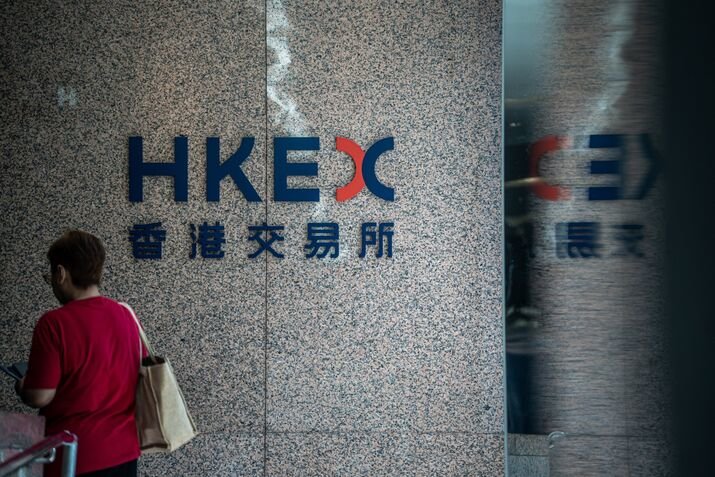
The FSDC observed that while Hong Kong’s exchange offers futures in gold, silver and iron ore, trading volumes remain relatively limited.
To elevate competitiveness, the report recommends prioritising commodities where the region holds structural advantages — such as gold, iron ore, copper and aluminium — and developing warehousing, storage and logistics infrastructure accordingly.
According to FSDC Chairman Benjamin Hung, Hong Kong’s positioning as a “neutral, trusted and strategic trading hub” is gaining appeal as manufacturers diversify supply chains and global decarbonisation accelerates.
The report emphasises that a robust physical market will “anchor demand from end users” and thereby encourage growth in futures liquidity and price discovery.
The timing of the recommendations aligns with policy signals from the Hong Kong government.
In its recent Policy Address, the city’s leadership pledged to expand tax incentives, warehousing capacity and financial innovation to support commodity-trading activities and elevate Hong Kong’s ecosystem.
The FSDC’s analysis suggests the city now has a window of opportunity to capture trade flows diverted from Mainland China’s evolving regulatory regime.
The report also identifies ecosystem-building imperatives: attracting more participants (traders, logistics providers, financiers), enhancing connectivity with mainland markets and global hubs, and integrating commodities aligned with sustainability goals — for example critical minerals and decarbonisation metals.
These steps, it says, will help Hong Kong transition from a largely financial-services centre into a fuller trading platform that spans physical flows, risk management and capital markets.
Industry observers note that despite Hong Kong’s declining lead in commodity-futures trading versus Singapore or London, its unique access to Chinese consumers and manufacturing makes it a compelling platform.
With the FSDC’s blueprint now public, attention will fall on how swiftly the private and public sectors mobilise warehousing, logistics and regulatory reforms to deliver on the vision of a deeper commodity hub in Asia.
The council’s full report underscores that developing Hong Kong’s commodity-trading base is not just a market objective but a strategic component of its broader ambition to enhance economic resilience and global connectivity in financial and trade services.
In its recent report, the advisory body argues that enhancing spot-market infrastructure will help underpin derivative trading and reinforce Hong Kong’s role as a global commodities gateway to China and beyond.
The FSDC observed that while Hong Kong’s exchange offers futures in gold, silver and iron ore, trading volumes remain relatively limited.
To elevate competitiveness, the report recommends prioritising commodities where the region holds structural advantages — such as gold, iron ore, copper and aluminium — and developing warehousing, storage and logistics infrastructure accordingly.
According to FSDC Chairman Benjamin Hung, Hong Kong’s positioning as a “neutral, trusted and strategic trading hub” is gaining appeal as manufacturers diversify supply chains and global decarbonisation accelerates.
The report emphasises that a robust physical market will “anchor demand from end users” and thereby encourage growth in futures liquidity and price discovery.
The timing of the recommendations aligns with policy signals from the Hong Kong government.
In its recent Policy Address, the city’s leadership pledged to expand tax incentives, warehousing capacity and financial innovation to support commodity-trading activities and elevate Hong Kong’s ecosystem.
The FSDC’s analysis suggests the city now has a window of opportunity to capture trade flows diverted from Mainland China’s evolving regulatory regime.
The report also identifies ecosystem-building imperatives: attracting more participants (traders, logistics providers, financiers), enhancing connectivity with mainland markets and global hubs, and integrating commodities aligned with sustainability goals — for example critical minerals and decarbonisation metals.
These steps, it says, will help Hong Kong transition from a largely financial-services centre into a fuller trading platform that spans physical flows, risk management and capital markets.
Industry observers note that despite Hong Kong’s declining lead in commodity-futures trading versus Singapore or London, its unique access to Chinese consumers and manufacturing makes it a compelling platform.
With the FSDC’s blueprint now public, attention will fall on how swiftly the private and public sectors mobilise warehousing, logistics and regulatory reforms to deliver on the vision of a deeper commodity hub in Asia.
The council’s full report underscores that developing Hong Kong’s commodity-trading base is not just a market objective but a strategic component of its broader ambition to enhance economic resilience and global connectivity in financial and trade services.