Carrier adjusts ticket levies across routes to offset rising jet fuel costs amid global energy volatility.
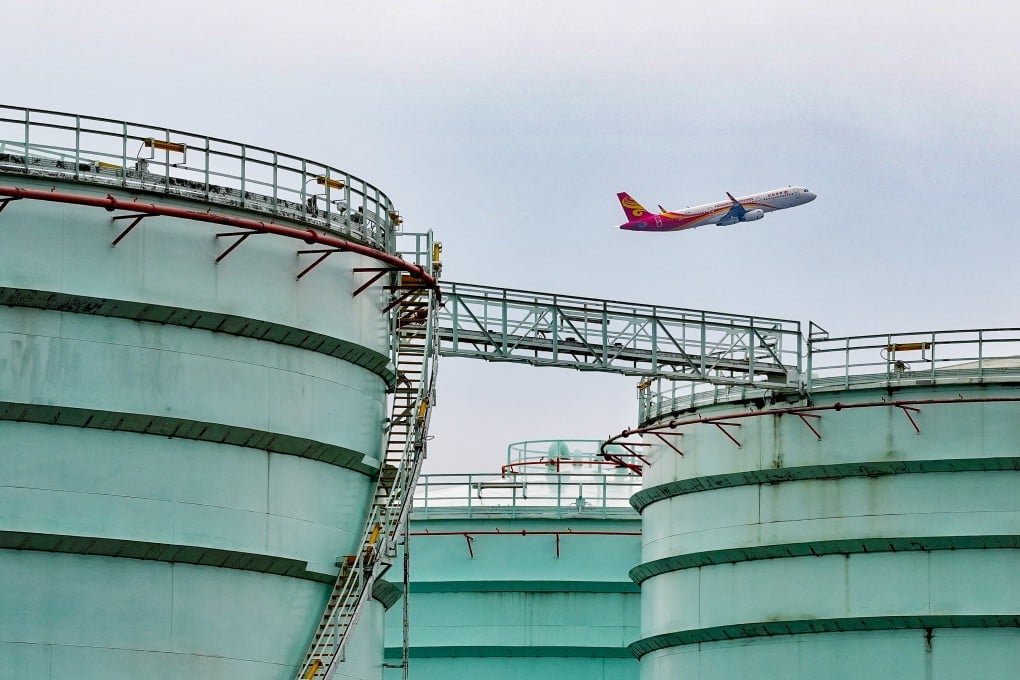
Hong Kong Airlines has announced plans to increase fuel surcharges on its flights by as much as thirty five percent, reflecting the mounting pressure on airline operating costs as global oil prices climb.
The carrier said the adjustment will apply to tickets issued in the coming period and will affect both short-haul and long-haul routes departing from Hong Kong.
Fuel surcharges are levied on a per-sector basis and are incorporated into the final ticket price regardless of fare class, meaning the increase will be reflected directly in the cost paid by passengers.
Airlines periodically review fuel surcharges to respond to fluctuations in aviation fuel prices, which represent one of the largest operating expenses in the industry.
Jet fuel costs can account for roughly a quarter or more of total airline expenditures, making sudden swings in energy markets a significant factor in airline profitability and pricing strategies.
Hong Kong Airlines said the revised surcharge levels were necessary following a sharp rise in fuel costs driven by global oil price volatility.
The adjustments are intended to help offset the additional expense faced by carriers as energy markets tighten and aviation demand continues to recover across Asia.
Fuel surcharges are a common mechanism used by airlines worldwide to manage sudden increases in operating costs.
Rather than adjusting base ticket prices frequently, carriers often apply or modify these surcharges to reflect changes in fuel prices while maintaining flexibility in their fare structures.
Under Hong Kong’s aviation framework, airlines may set their own fuel surcharge levels for flights departing the city based on commercial and market conditions.
The approach allows carriers to respond rapidly to shifts in global fuel prices while maintaining transparency in how surcharges are applied to tickets.
The increase comes at a time when many airlines in the region are confronting higher fuel bills as well as currency pressures and strong travel demand.
Industry analysts say carriers are likely to continue monitoring energy markets closely, adjusting surcharges or ticket pricing where necessary to maintain operational stability while meeting passenger demand for international travel.
The carrier said the adjustment will apply to tickets issued in the coming period and will affect both short-haul and long-haul routes departing from Hong Kong.
Fuel surcharges are levied on a per-sector basis and are incorporated into the final ticket price regardless of fare class, meaning the increase will be reflected directly in the cost paid by passengers.
Airlines periodically review fuel surcharges to respond to fluctuations in aviation fuel prices, which represent one of the largest operating expenses in the industry.
Jet fuel costs can account for roughly a quarter or more of total airline expenditures, making sudden swings in energy markets a significant factor in airline profitability and pricing strategies.
Hong Kong Airlines said the revised surcharge levels were necessary following a sharp rise in fuel costs driven by global oil price volatility.
The adjustments are intended to help offset the additional expense faced by carriers as energy markets tighten and aviation demand continues to recover across Asia.
Fuel surcharges are a common mechanism used by airlines worldwide to manage sudden increases in operating costs.
Rather than adjusting base ticket prices frequently, carriers often apply or modify these surcharges to reflect changes in fuel prices while maintaining flexibility in their fare structures.
Under Hong Kong’s aviation framework, airlines may set their own fuel surcharge levels for flights departing the city based on commercial and market conditions.
The approach allows carriers to respond rapidly to shifts in global fuel prices while maintaining transparency in how surcharges are applied to tickets.
The increase comes at a time when many airlines in the region are confronting higher fuel bills as well as currency pressures and strong travel demand.
Industry analysts say carriers are likely to continue monitoring energy markets closely, adjusting surcharges or ticket pricing where necessary to maintain operational stability while meeting passenger demand for international travel.