Thirty-two member nations agree to the largest emergency drawdown in history as energy markets react to supply shocks linked to the Iran conflict and the closure of the Strait of Hormuz.
The International Energy Agency has announced an unprecedented decision to release four hundred million barrels of crude oil from strategic emergency reserves, marking the largest coordinated drawdown in the organization’s history.
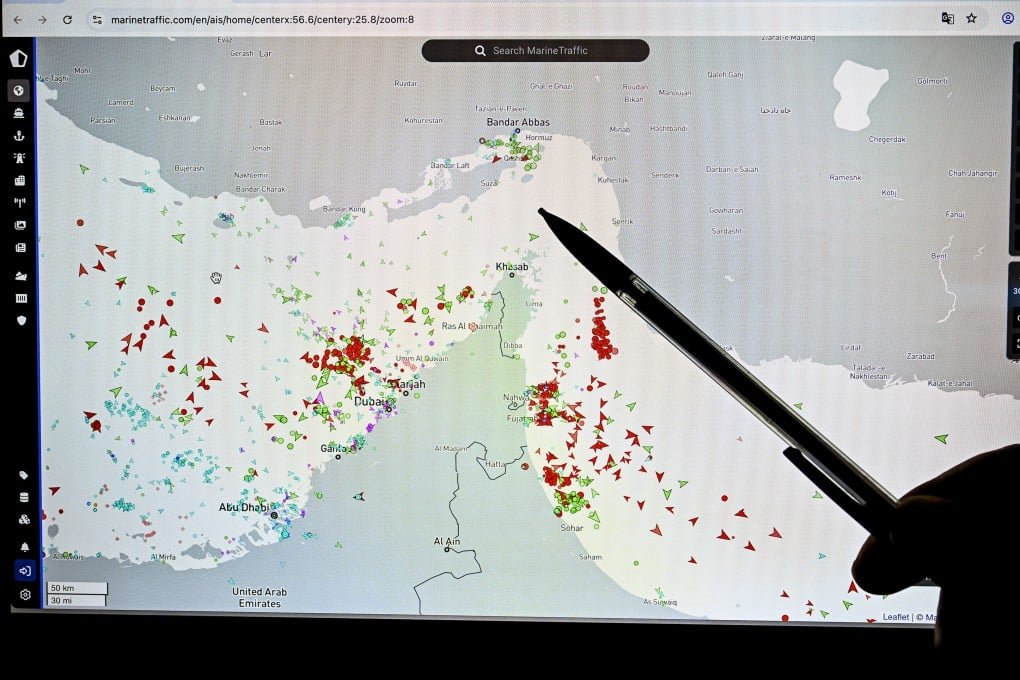
The move was unanimously approved by all thirty-two member countries in response to severe disruptions in global oil supply following the conflict involving Iran and the near-complete closure of the Strait of Hormuz, one of the world’s most critical energy shipping routes.
The agency confirmed that the release will be carried out according to national schedules tailored to each country’s circumstances.
Executive Director Fatih Birol said the coordinated intervention reflects strong solidarity among member states and is intended to calm global markets after oil prices surged sharply.
The extraordinary measure was agreed after crude prices climbed above one hundred dollars per barrel amid fears that prolonged disruptions in Middle Eastern energy flows could destabilize the global economy.
The Strait of Hormuz, which connects the Persian Gulf to international markets, normally carries close to one fifth of the world’s daily oil supply.
Since the outbreak of hostilities, threats against commercial shipping and tanker traffic have led to a dramatic reduction in movement through the waterway.
The disruption has removed significant volumes of oil and liquefied natural gas from global markets, intensifying pressure on prices and raising concerns about renewed inflation and volatility in financial markets.
Birol emphasized that while the emergency release aims to cushion the immediate shock to energy markets, the restoration of normal shipping through the Strait of Hormuz remains the most important factor for stabilizing supply.
Without the reopening of the route, he warned, global energy flows will continue to face substantial strain.
The scale of the intervention exceeds all previous coordinated releases by the agency.
The largest prior action occurred in two thousand twenty-two, when member countries released one hundred eighty-two million barrels in response to the energy shock triggered by the war in Ukraine.
That earlier decision initially pushed prices higher, as traders interpreted the move as evidence of a deeper crisis, though it later helped steady the market.
Emergency reserves were first established in nineteen seventy-four following the Arab oil embargo, which exposed the vulnerability of Western economies to supply disruptions.
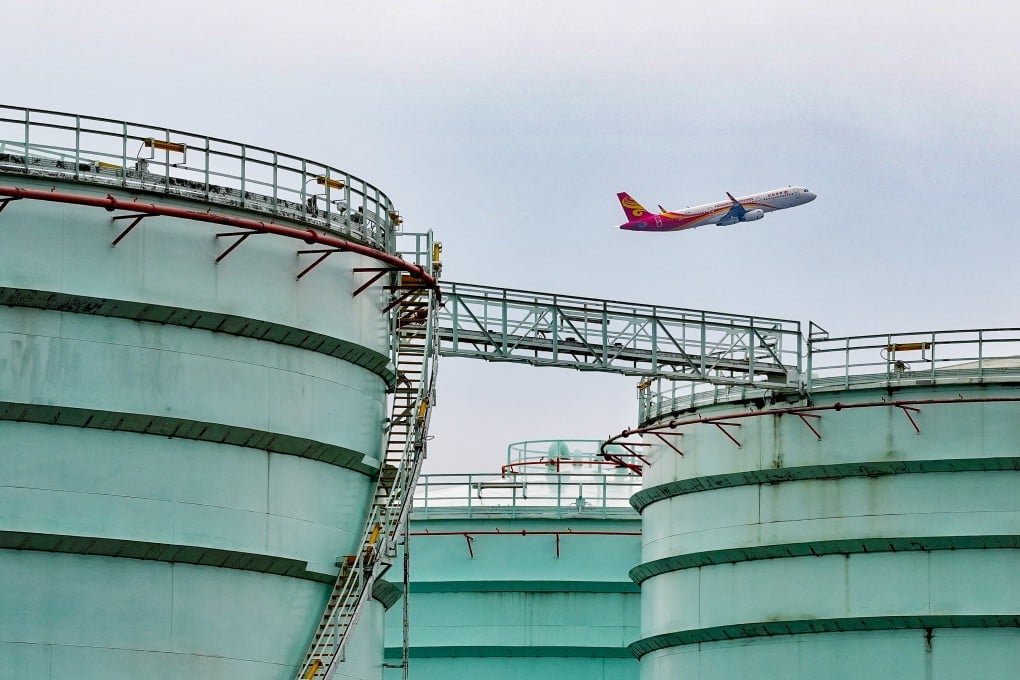
Today, member states collectively hold roughly one point two billion barrels of government-controlled strategic stocks, along with an additional six hundred million barrels maintained by industry under government obligations.
The latest decision emerged after urgent consultations between the Group of Seven finance ministers and energy officials.
Economists had warned that the rapid escalation in oil prices, rising roughly forty percent since the beginning of military operations against Iran, could trigger a new wave of inflation and send global stock markets into sharp decline if left unchecked.
Although the coordinated reserve release is expected to inject substantial volumes into the market, analysts caution that the measure may only provide temporary relief if the disruption in the Persian Gulf persists.
Energy markets remain highly sensitive to developments around the Strait of Hormuz, whose reopening is widely viewed as the key step toward restoring stability in global oil supply.
The move was unanimously approved by all thirty-two member countries in response to severe disruptions in global oil supply following the conflict involving Iran and the near-complete closure of the Strait of Hormuz, one of the world’s most critical energy shipping routes.
The agency confirmed that the release will be carried out according to national schedules tailored to each country’s circumstances.
Executive Director Fatih Birol said the coordinated intervention reflects strong solidarity among member states and is intended to calm global markets after oil prices surged sharply.
The extraordinary measure was agreed after crude prices climbed above one hundred dollars per barrel amid fears that prolonged disruptions in Middle Eastern energy flows could destabilize the global economy.
The Strait of Hormuz, which connects the Persian Gulf to international markets, normally carries close to one fifth of the world’s daily oil supply.
Since the outbreak of hostilities, threats against commercial shipping and tanker traffic have led to a dramatic reduction in movement through the waterway.
The disruption has removed significant volumes of oil and liquefied natural gas from global markets, intensifying pressure on prices and raising concerns about renewed inflation and volatility in financial markets.
Birol emphasized that while the emergency release aims to cushion the immediate shock to energy markets, the restoration of normal shipping through the Strait of Hormuz remains the most important factor for stabilizing supply.
Without the reopening of the route, he warned, global energy flows will continue to face substantial strain.
The scale of the intervention exceeds all previous coordinated releases by the agency.
The largest prior action occurred in two thousand twenty-two, when member countries released one hundred eighty-two million barrels in response to the energy shock triggered by the war in Ukraine.
That earlier decision initially pushed prices higher, as traders interpreted the move as evidence of a deeper crisis, though it later helped steady the market.
Emergency reserves were first established in nineteen seventy-four following the Arab oil embargo, which exposed the vulnerability of Western economies to supply disruptions.
Today, member states collectively hold roughly one point two billion barrels of government-controlled strategic stocks, along with an additional six hundred million barrels maintained by industry under government obligations.
The latest decision emerged after urgent consultations between the Group of Seven finance ministers and energy officials.
Economists had warned that the rapid escalation in oil prices, rising roughly forty percent since the beginning of military operations against Iran, could trigger a new wave of inflation and send global stock markets into sharp decline if left unchecked.
Although the coordinated reserve release is expected to inject substantial volumes into the market, analysts caution that the measure may only provide temporary relief if the disruption in the Persian Gulf persists.
Energy markets remain highly sensitive to developments around the Strait of Hormuz, whose reopening is widely viewed as the key step toward restoring stability in global oil supply.