With eight events under its belt Hong Kong gears up for action ahead of the November 9 opening ceremony
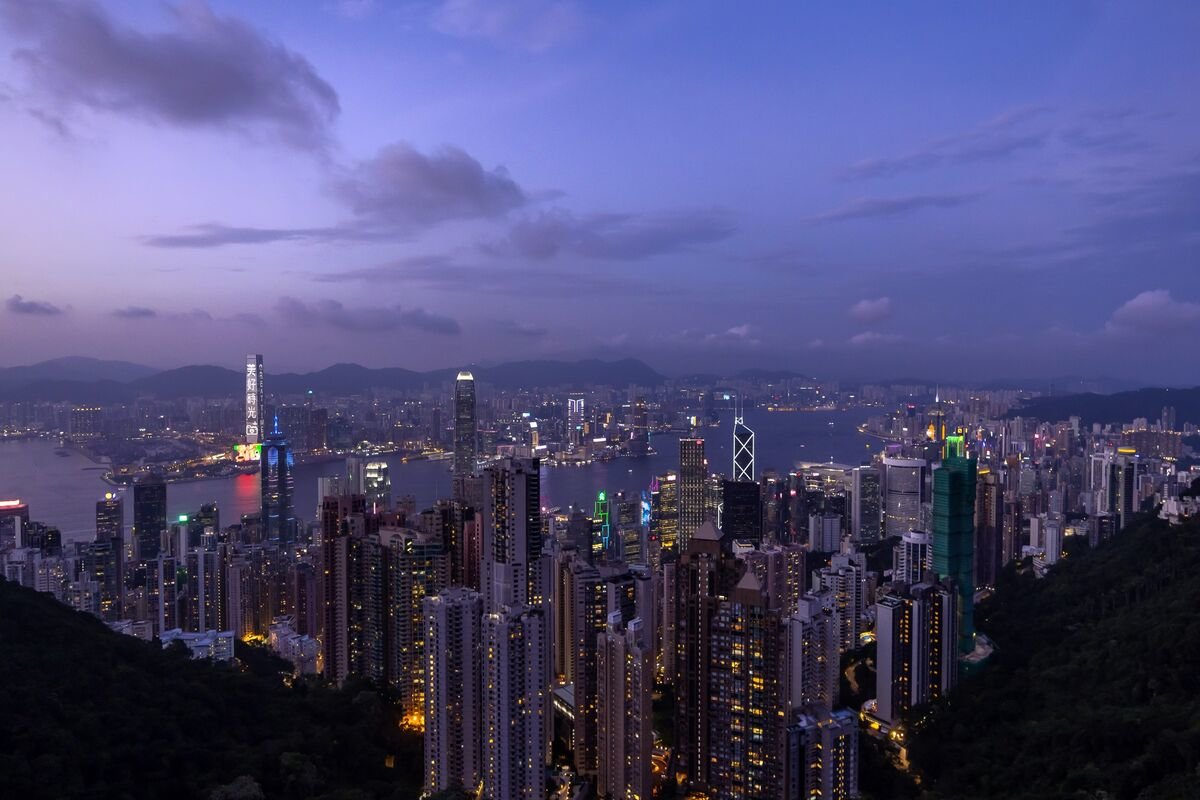
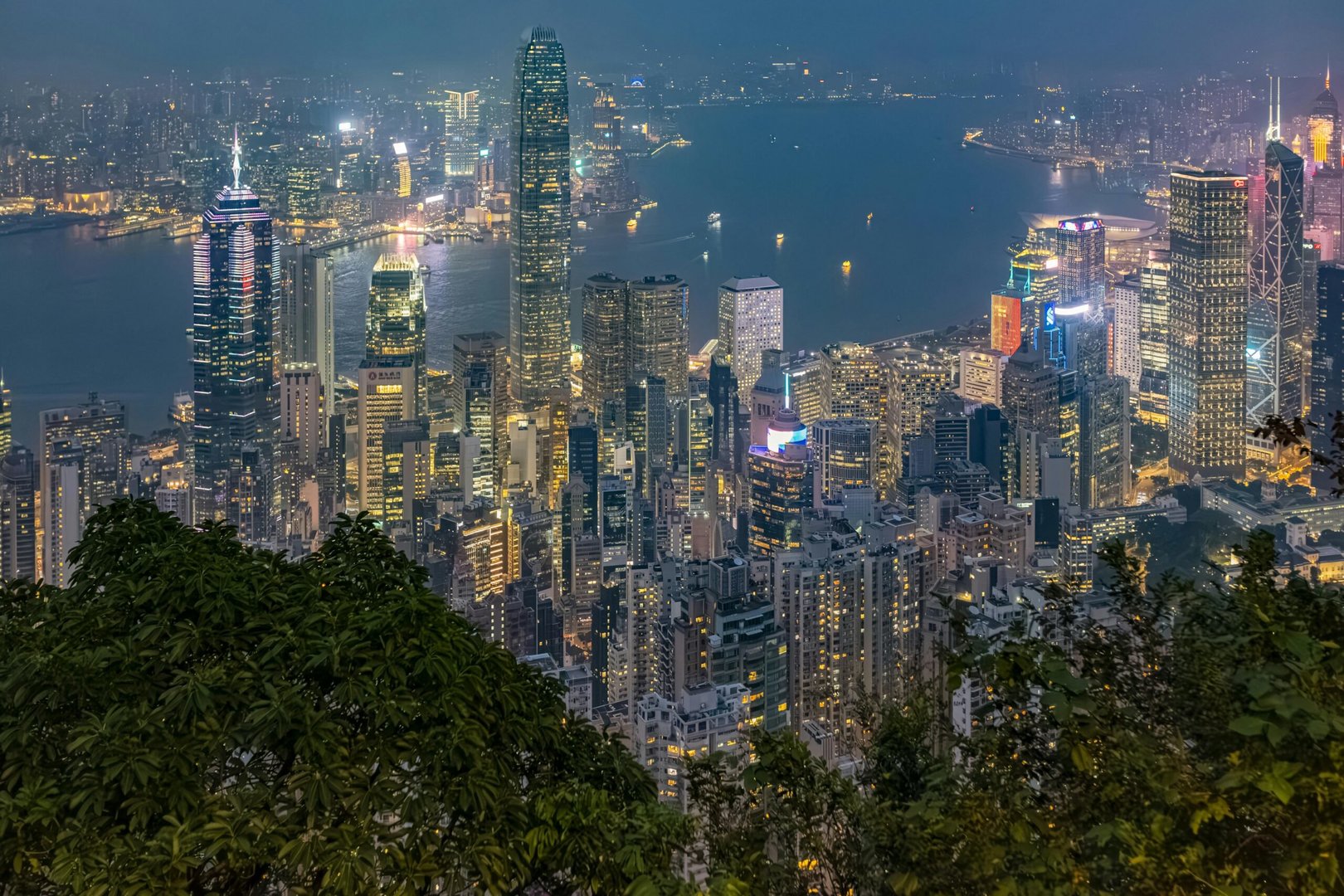
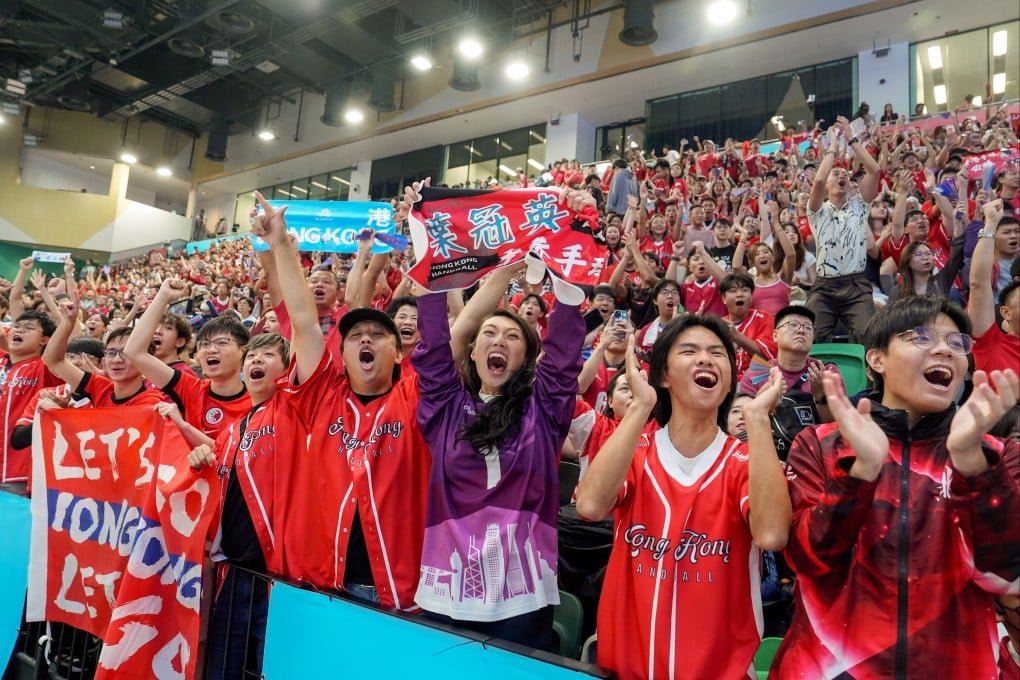
Hong Kong is firmly in action ahead of the opening ceremony of the 15th National Games of China on November 9, serving as co-host alongside Guangdong and Macau for a historic multi-jurisdiction sporting event that runs until November 21. The city will stage eight competitions and is already seeing “sell-out” crowds and high anticipation.
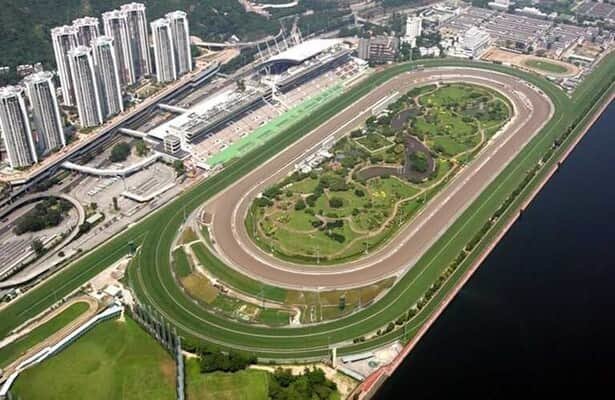
Major venues such as Kai Tak Sports Park and Victoria Park have been prepared for events ranging from beach volleyball to men’s handball and rugby sevens.
One official noted that day-passes for key events featuring fencing champion Cheung Ka-long have already been snapped up, and shopping centres across all eighteen districts are set to livestream the action as for the Paris Olympics.
Chief Secretary Eric Chan Kwok-ki described the arrangement as enhancing Hong Kong’s reputation, saying that the central government’s “high degree of trust” in the city underlines its capability to deliver large-scale competition.
He added that hosting the Games will deepen cooperation within the Guangdong-Hong Kong-Macao region, promote tourism and help bolster economic development.
Observers say that co-hosting the Games is not just about sport.
It symbolises the city’s growing role within the Greater Bay Area initiative and the integration of infrastructure, talent and jurisdictions across the three regions.
While there remain significant organisational and logistical demands—border coordination, venue readiness and large crowds—Hong Kong’s preparation appears well advanced.
As the Games kick off in earnest, the success of Hong Kong’s hosting efforts will be closely watched—not only by athletes and spectators, but by regional planners assessing the city’s place in the evolving Greater Bay Area framework.
Major venues such as Kai Tak Sports Park and Victoria Park have been prepared for events ranging from beach volleyball to men’s handball and rugby sevens.
One official noted that day-passes for key events featuring fencing champion Cheung Ka-long have already been snapped up, and shopping centres across all eighteen districts are set to livestream the action as for the Paris Olympics.
Chief Secretary Eric Chan Kwok-ki described the arrangement as enhancing Hong Kong’s reputation, saying that the central government’s “high degree of trust” in the city underlines its capability to deliver large-scale competition.
He added that hosting the Games will deepen cooperation within the Guangdong-Hong Kong-Macao region, promote tourism and help bolster economic development.
Observers say that co-hosting the Games is not just about sport.
It symbolises the city’s growing role within the Greater Bay Area initiative and the integration of infrastructure, talent and jurisdictions across the three regions.
While there remain significant organisational and logistical demands—border coordination, venue readiness and large crowds—Hong Kong’s preparation appears well advanced.
As the Games kick off in earnest, the success of Hong Kong’s hosting efforts will be closely watched—not only by athletes and spectators, but by regional planners assessing the city’s place in the evolving Greater Bay Area framework.