Amid shifting regulatory signals from Beijing and strict requirements under Hong Kong’s new regime, many Chinese banks and companies defer or withdraw from the stablecoin license race
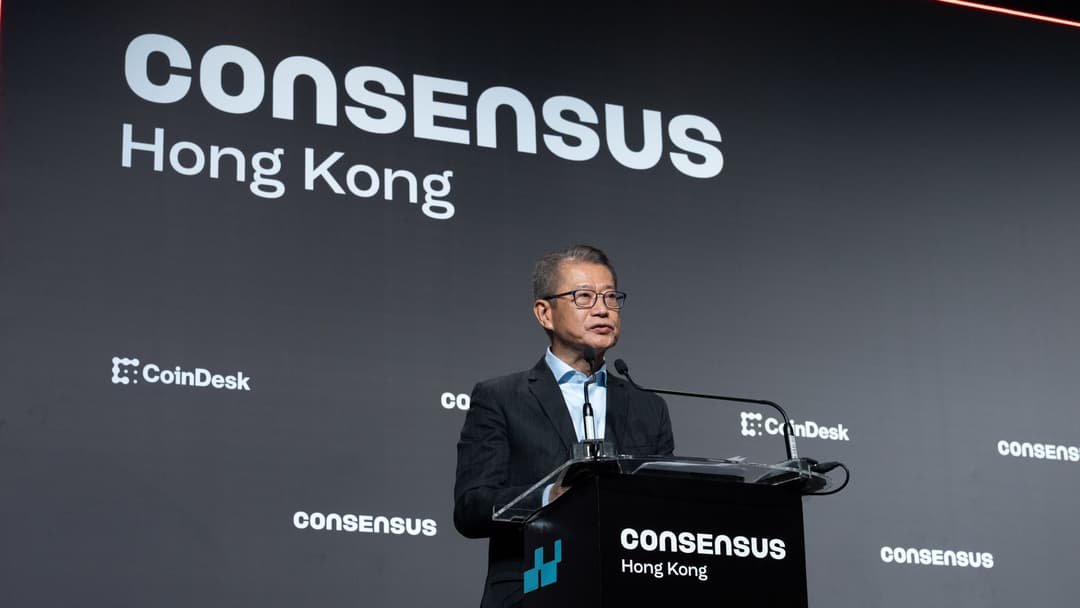
Hong Kong’s newly implemented regulatory framework for stablecoin issuance has opened a window for the city to consolidate its position as a leading centre for regulated digital finance.
The Stablecoin Ordinance, which took effect on August first, establishes a comprehensive licensing regime requiring robust capital, full asset backing and stringent compliance obligations for any entity seeking to issue or promote fiat-linked stablecoins in the territory.
The ordinance and accompanying guidelines from the Hong Kong Monetary Authority have drawn expressions of interest from dozens of local and international firms, with nearly eighty institutions signalling their intent to pursue licences under the new regime.
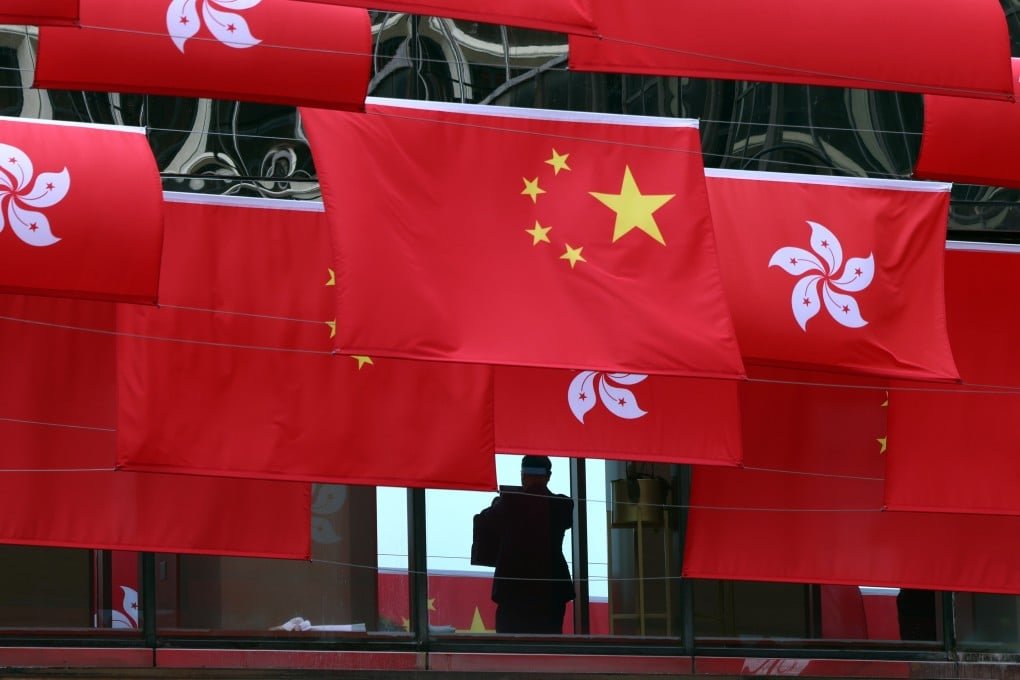
However, the landscape has shifted significantly for Chinese banks and other mainland-linked entities.
Several major Chinese state-owned banks and financial institutions that were once expected to participate in the licence race — including branches of large commercial banks and other corporate players — have reportedly paused or withdrawn their pursuit of Hong Kong stablecoin licences.
Sources indicate that policy signals from Beijing and a more cautious approach to digital asset ventures outside the mainland have influenced these decisions.
In some cases, articles reporting such strategic withdrawals were temporarily taken down on mainland platforms, underscoring the sensitivity of the issue.
Chinese technology groups that had earlier explored stablecoin ventures in Hong Kong have also stepped back.
Regulatory direction from mainland authorities, including advisories from the People’s Bank of China and the Cyberspace Administration of China, reportedly urged firms such as Ant Group and JD.com to suspend their stablecoin initiatives, reflecting a broader caution around privately managed digital currency projects.
These moves appear to echo a more conservative policy stance toward digital assets within mainland China, even as Hong Kong pursues regulated innovation.
The resulting dynamic has left a noticeable gap in participation from some of China’s largest banks and corporates in the early phase of Hong Kong’s stablecoin licensing ecosystem.
Observers say this pause may blunt some expectations of swift mainland institutional involvement but does not close the door on future engagement.
Beijing’s current caution could ease once regulatory and market conditions clarify, potentially enabling Chinese institutions to engage more fully with Hong Kong’s regulated stablecoin market.
With the regulatory transition period ongoing and the first licences yet to be granted, industry participants continue to monitor how the stringent regulatory framework, cross-border policy tensions and evolving risk appetites will shape the future role of Chinese financial players in the burgeoning stablecoin sector.
The Stablecoin Ordinance, which took effect on August first, establishes a comprehensive licensing regime requiring robust capital, full asset backing and stringent compliance obligations for any entity seeking to issue or promote fiat-linked stablecoins in the territory.
The ordinance and accompanying guidelines from the Hong Kong Monetary Authority have drawn expressions of interest from dozens of local and international firms, with nearly eighty institutions signalling their intent to pursue licences under the new regime.
However, the landscape has shifted significantly for Chinese banks and other mainland-linked entities.
Several major Chinese state-owned banks and financial institutions that were once expected to participate in the licence race — including branches of large commercial banks and other corporate players — have reportedly paused or withdrawn their pursuit of Hong Kong stablecoin licences.
Sources indicate that policy signals from Beijing and a more cautious approach to digital asset ventures outside the mainland have influenced these decisions.
In some cases, articles reporting such strategic withdrawals were temporarily taken down on mainland platforms, underscoring the sensitivity of the issue.
Chinese technology groups that had earlier explored stablecoin ventures in Hong Kong have also stepped back.
Regulatory direction from mainland authorities, including advisories from the People’s Bank of China and the Cyberspace Administration of China, reportedly urged firms such as Ant Group and JD.com to suspend their stablecoin initiatives, reflecting a broader caution around privately managed digital currency projects.
These moves appear to echo a more conservative policy stance toward digital assets within mainland China, even as Hong Kong pursues regulated innovation.
The resulting dynamic has left a noticeable gap in participation from some of China’s largest banks and corporates in the early phase of Hong Kong’s stablecoin licensing ecosystem.
Observers say this pause may blunt some expectations of swift mainland institutional involvement but does not close the door on future engagement.
Beijing’s current caution could ease once regulatory and market conditions clarify, potentially enabling Chinese institutions to engage more fully with Hong Kong’s regulated stablecoin market.
With the regulatory transition period ongoing and the first licences yet to be granted, industry participants continue to monitor how the stringent regulatory framework, cross-border policy tensions and evolving risk appetites will shape the future role of Chinese financial players in the burgeoning stablecoin sector.