Volcano Engine’s new ‘Doubao-Seed-Code’ model enters China’s coding AI price war with 9.9 yuan introductory offer
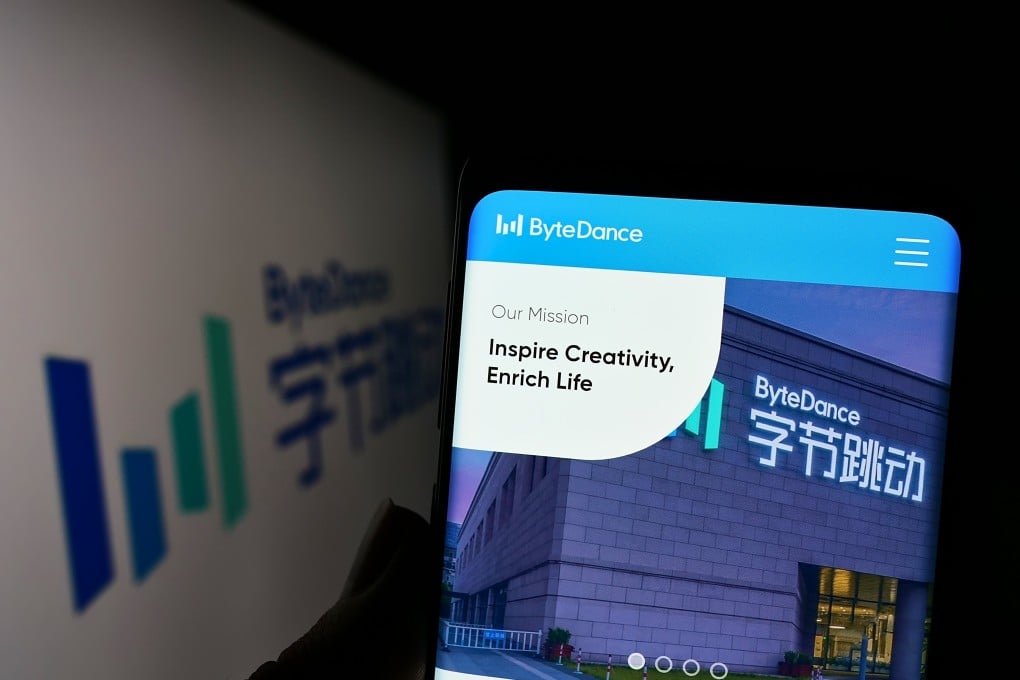
ByteDance’s cloud-unit Volcano Engine has introduced a new AI-powered coding assistant, priced at just 9.9 yuan (approximately US$1.30) for the first month of service, marking a significant move in China’s competitive developer-tools market.
The model, branded as Doubao‑Seed‑Code, will move to a standard subscription of 40 yuan per month thereafter, according to the company.
Announced on November 11—the day of China’s Singles’ Day shopping festival—the offering underscores ByteDance’s strategy to expand its artificial-intelligence ecosystem domestically and globally.
The timing is notable given intensifying competition among Chinese technology firms to gain ground in generative-AI and developer tooling.
ByteDance officials stated that this release builds on the rapid growth of its Doubao chatbot platform, which doubled in usage over the previous six months, reflecting accelerating AI adoption among Chinese developers.
The company further claims that the new model achieved benchmark results on the SWE-Bench Verified test, placing it on par with global systems such as Claude Sonnet.
Industry observers view the launch as part of a broader trend in which Chinese vendors are driving down access costs to AI development tools, effectively initiating a price war in the domestic market.
The move also follows access restrictions imposed by competitors abroad—most notably the U.S. start-up Anthropic, which in September updated its terms to block Chinese-sub-company access.
For developers, the offering signals a potential shift in how AI-coding tools are monetised, lowering barriers to entry and expanding usage in smaller teams and educational settings.
For ByteDance, the model supports its dual ambitions of building a leading AI-toolchain and an affordable platform ecosystem.
The 9.9-yuan introductory rate may function both as a loss-leader and as a means to rapidly scale user adoption ahead of broader enterprise-market rollout.
As the model launches, key questions remain around how ByteDance will manage computing-cost scalability, data-privacy alignments and enterprise-governance capabilities—areas where global rivals typically emphasise compliance and technical control.
Nonetheless, the pricing move affirms China’s growing role in commoditising AI-driven developer services and sets a benchmark for competitive dynamics in the region’s cloud-AI sector.
The model, branded as Doubao‑Seed‑Code, will move to a standard subscription of 40 yuan per month thereafter, according to the company.
Announced on November 11—the day of China’s Singles’ Day shopping festival—the offering underscores ByteDance’s strategy to expand its artificial-intelligence ecosystem domestically and globally.
The timing is notable given intensifying competition among Chinese technology firms to gain ground in generative-AI and developer tooling.
ByteDance officials stated that this release builds on the rapid growth of its Doubao chatbot platform, which doubled in usage over the previous six months, reflecting accelerating AI adoption among Chinese developers.
The company further claims that the new model achieved benchmark results on the SWE-Bench Verified test, placing it on par with global systems such as Claude Sonnet.
Industry observers view the launch as part of a broader trend in which Chinese vendors are driving down access costs to AI development tools, effectively initiating a price war in the domestic market.
The move also follows access restrictions imposed by competitors abroad—most notably the U.S. start-up Anthropic, which in September updated its terms to block Chinese-sub-company access.
For developers, the offering signals a potential shift in how AI-coding tools are monetised, lowering barriers to entry and expanding usage in smaller teams and educational settings.
For ByteDance, the model supports its dual ambitions of building a leading AI-toolchain and an affordable platform ecosystem.
The 9.9-yuan introductory rate may function both as a loss-leader and as a means to rapidly scale user adoption ahead of broader enterprise-market rollout.
As the model launches, key questions remain around how ByteDance will manage computing-cost scalability, data-privacy alignments and enterprise-governance capabilities—areas where global rivals typically emphasise compliance and technical control.
Nonetheless, the pricing move affirms China’s growing role in commoditising AI-driven developer services and sets a benchmark for competitive dynamics in the region’s cloud-AI sector.