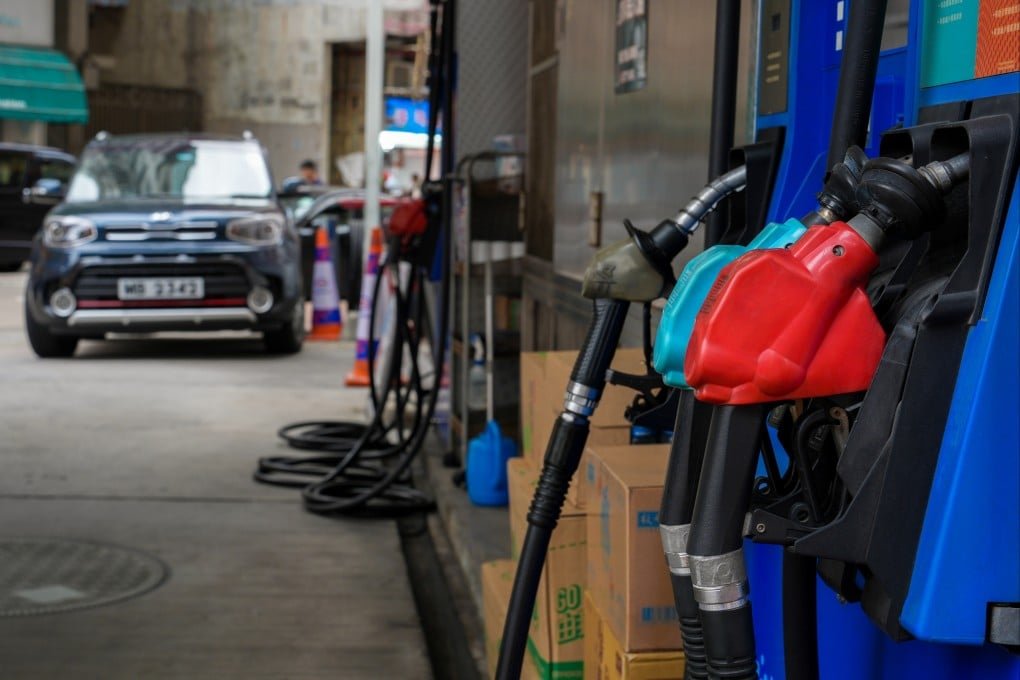
Paul Chan highlights resilience as global energy volatility rises amid Middle East tensions
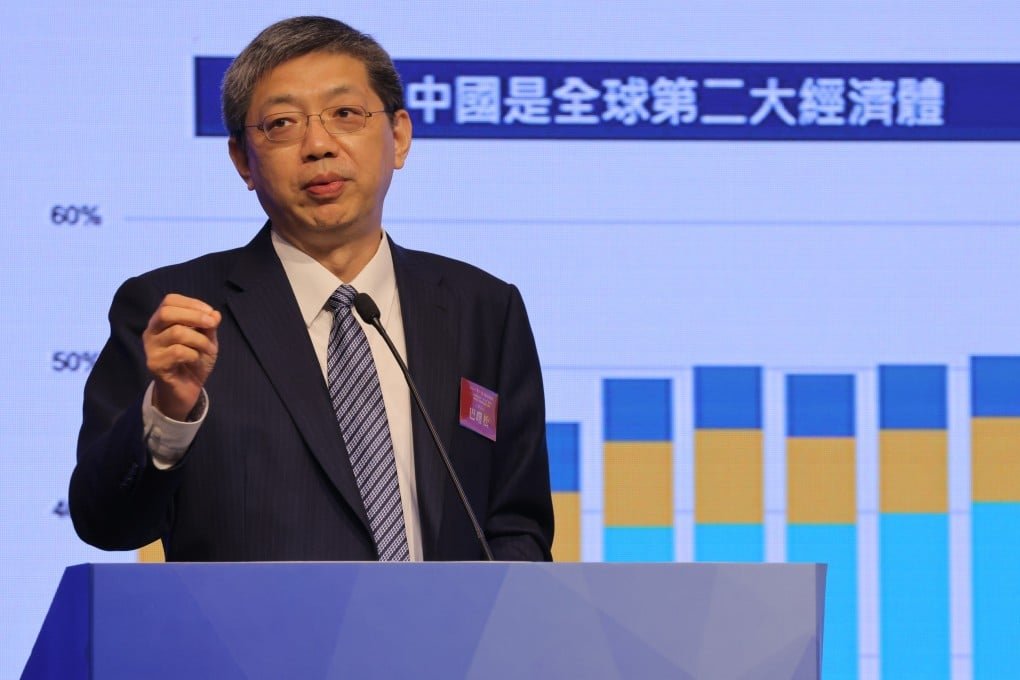
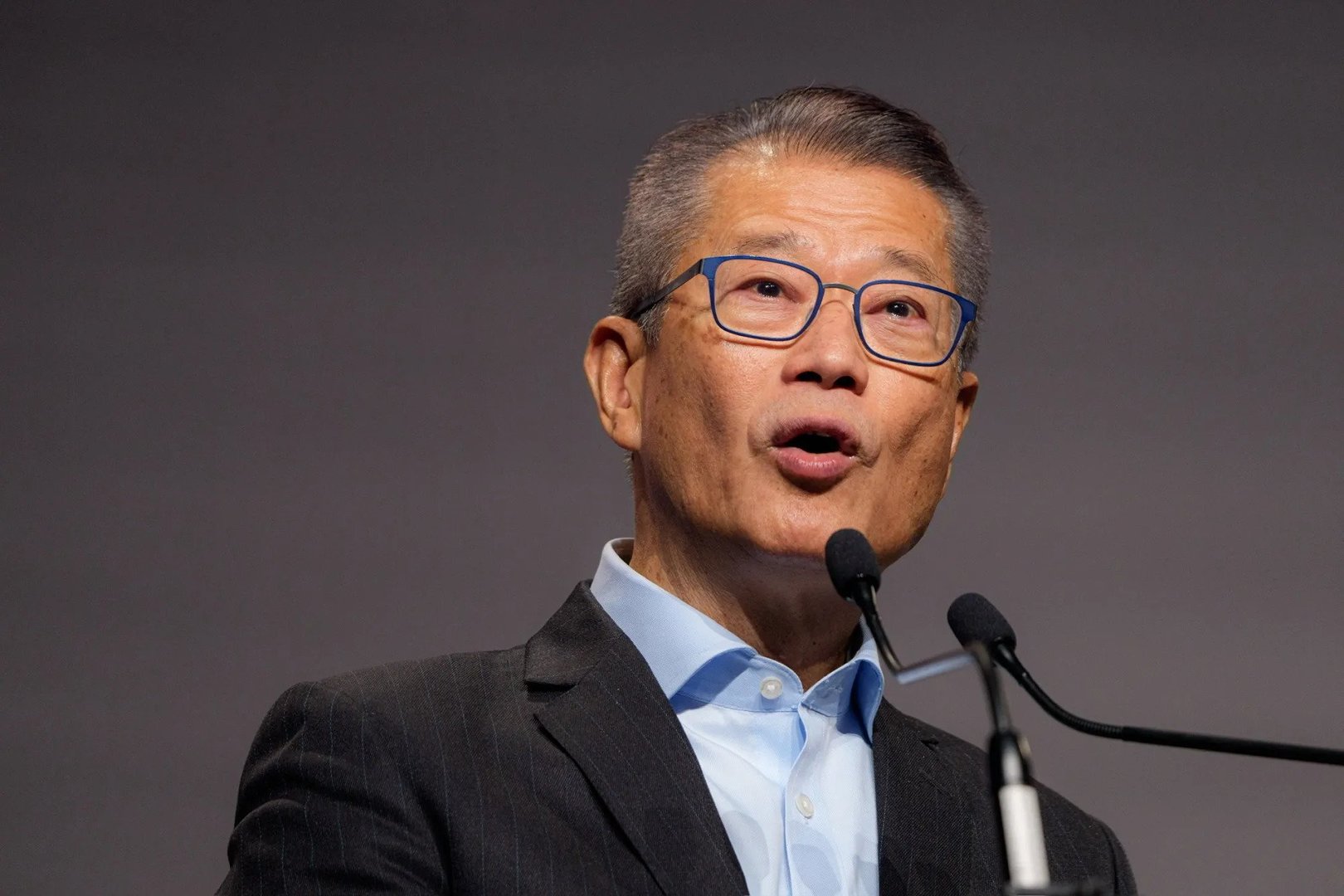
Hong Kong remains economically stable despite a sharp rise in global oil prices linked to escalating tensions in the Middle East, according to Financial Secretary Paul Chan, who underscored the city’s resilience and strong fundamentals.
Speaking on recent market developments, Chan noted that while energy price volatility has created uncertainty internationally, Hong Kong’s financial system and economic structure have continued to perform steadily.
He emphasised that the city’s diversified economy and robust regulatory framework provide a solid buffer against external shocks.
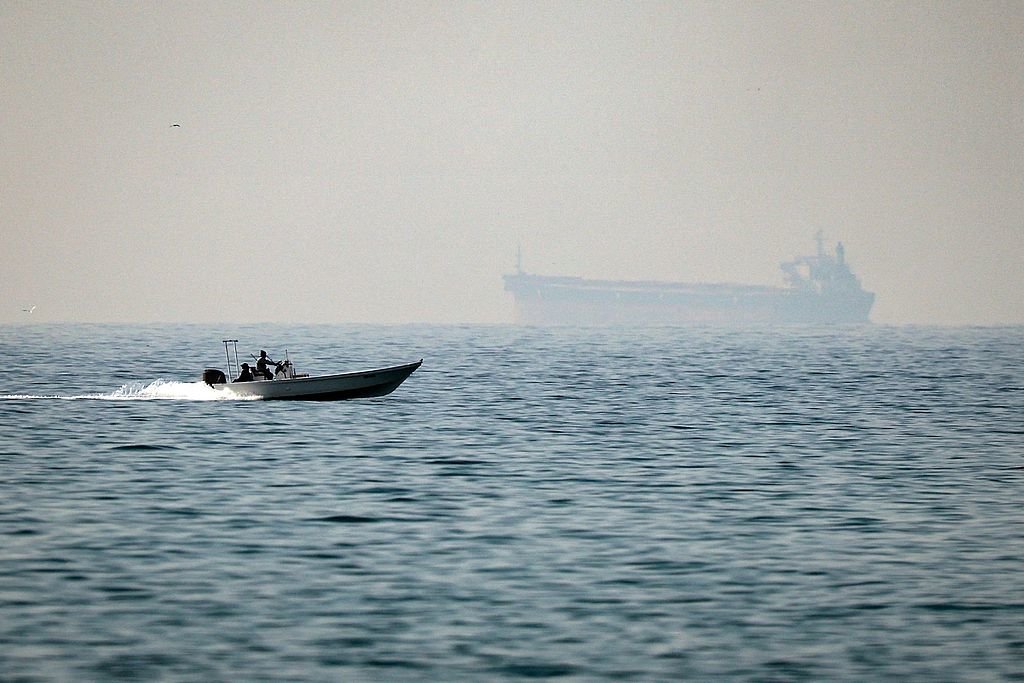
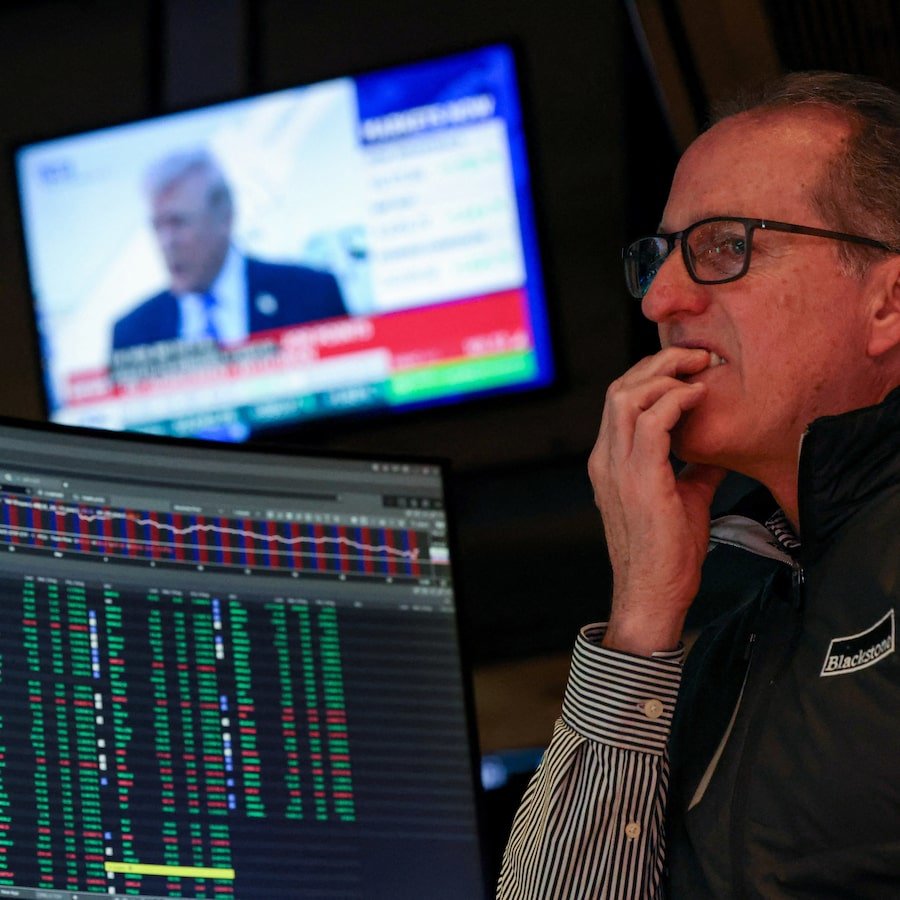
Global oil prices have surged in response to geopolitical instability, raising concerns about inflationary pressures and supply chain disruptions worldwide.
However, Chan indicated that Hong Kong is well-positioned to manage these challenges, citing its open market, strong fiscal reserves, and prudent policy management.
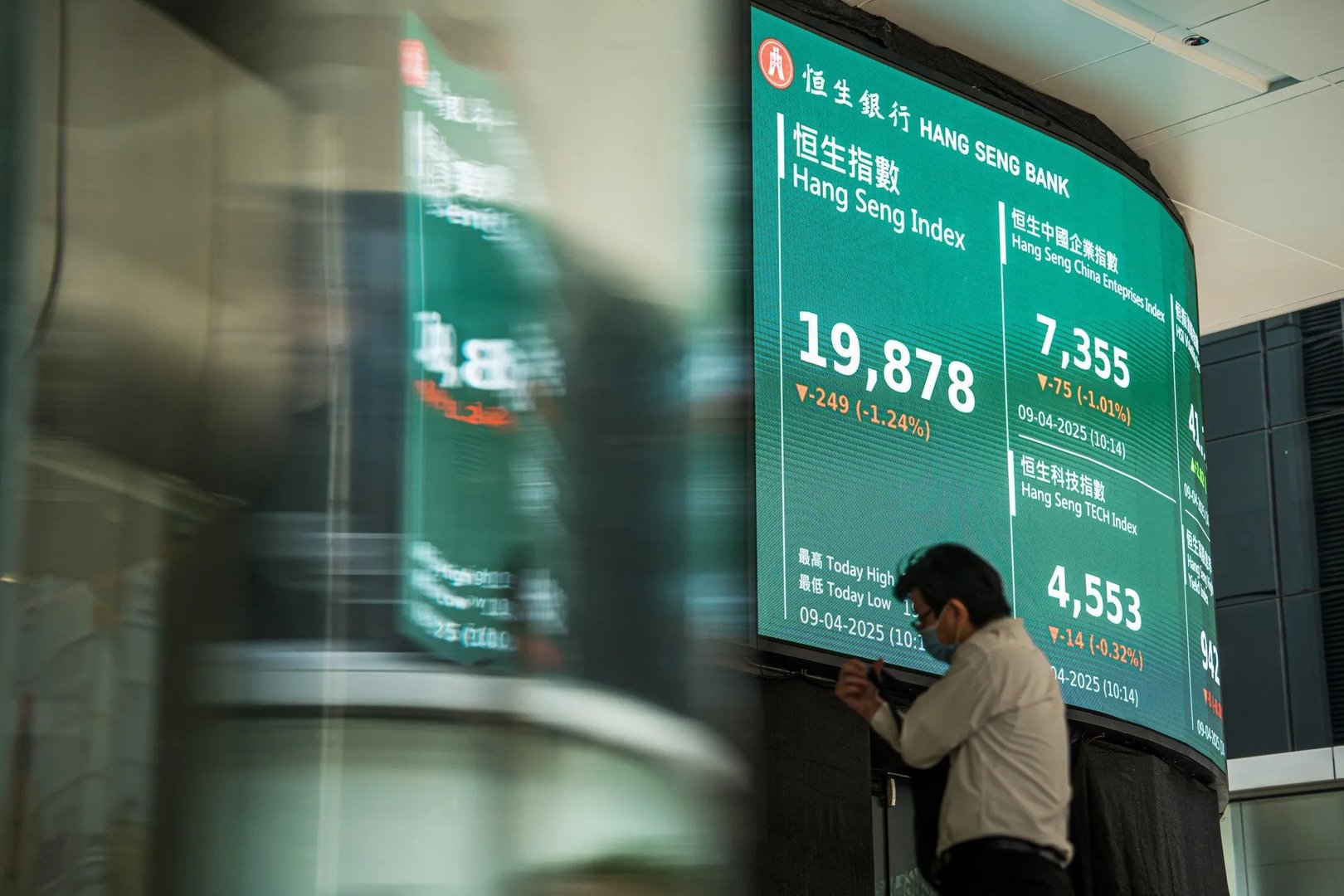
He also pointed to the city’s role as an international financial hub, where capital flows and investment activity remain active despite external volatility.
Market participants have continued to demonstrate confidence, supported by Hong Kong’s transparent institutions and established economic infrastructure.
Officials are closely monitoring developments in energy markets and their potential impact on local businesses and consumers.
At the same time, Chan stressed that existing policy tools and financial safeguards are sufficient to maintain stability and support economic continuity.
The remarks reflect broader confidence within Hong Kong’s leadership that the city can navigate global uncertainties while sustaining growth and maintaining its competitive position.
As geopolitical tensions persist, Hong Kong’s ability to remain stable amid shifting conditions is expected to reinforce its standing as a reliable and resilient international financial centre.
Speaking on recent market developments, Chan noted that while energy price volatility has created uncertainty internationally, Hong Kong’s financial system and economic structure have continued to perform steadily.
He emphasised that the city’s diversified economy and robust regulatory framework provide a solid buffer against external shocks.
Global oil prices have surged in response to geopolitical instability, raising concerns about inflationary pressures and supply chain disruptions worldwide.
However, Chan indicated that Hong Kong is well-positioned to manage these challenges, citing its open market, strong fiscal reserves, and prudent policy management.
He also pointed to the city’s role as an international financial hub, where capital flows and investment activity remain active despite external volatility.
Market participants have continued to demonstrate confidence, supported by Hong Kong’s transparent institutions and established economic infrastructure.
Officials are closely monitoring developments in energy markets and their potential impact on local businesses and consumers.
At the same time, Chan stressed that existing policy tools and financial safeguards are sufficient to maintain stability and support economic continuity.
The remarks reflect broader confidence within Hong Kong’s leadership that the city can navigate global uncertainties while sustaining growth and maintaining its competitive position.
As geopolitical tensions persist, Hong Kong’s ability to remain stable amid shifting conditions is expected to reinforce its standing as a reliable and resilient international financial centre.