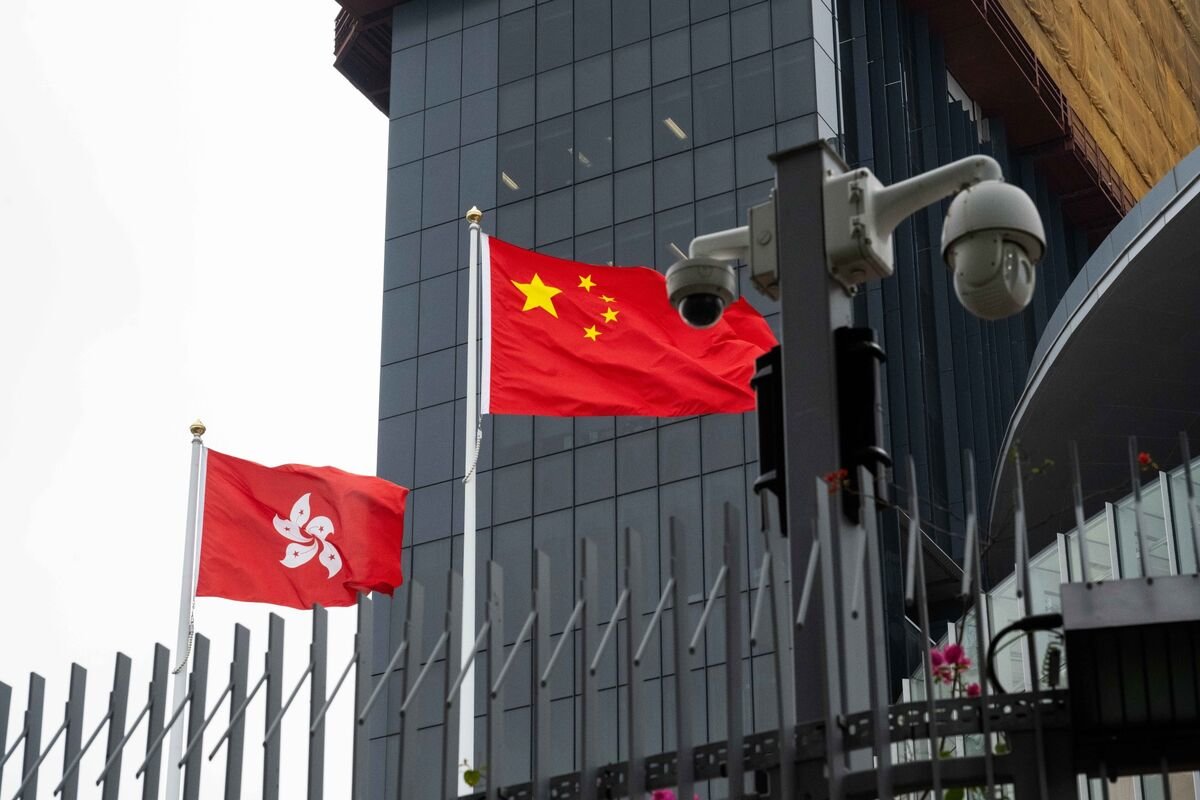
Beijing challenges US advisory as tensions rise over evolving national security framework in the city
Chinese authorities have summoned the United States envoy in Hong Kong following a warning issued by Washington regarding recent changes to the city’s national security framework, marking a further escalation in diplomatic tensions.
The move comes after the United States released an advisory highlighting concerns about the evolving legal environment in Hong Kong, particularly in relation to security provisions.
In response, Chinese officials expressed strong opposition, asserting that such statements interfere in internal matters and misrepresent the situation.
The summoning of the envoy reflects Beijing’s determination to defend its policy approach in Hong Kong, where authorities have emphasised the importance of maintaining stability and safeguarding national security.
Officials reiterated that the legal framework is designed to ensure order and long-term prosperity in the city.
The development underscores ongoing friction between China and the United States over Hong Kong’s governance and legal direction.
Washington has continued to monitor changes closely, while Beijing maintains that its actions are both lawful and necessary.
The exchange highlights broader geopolitical tensions, with Hong Kong remaining a focal point in relations between the two countries.
Diplomatic channels remain active, but differences over policy and interpretation persist.
As the situation evolves, both sides are expected to continue articulating their positions, with implications for international engagement and perceptions of Hong Kong’s regulatory environment.
The episode illustrates the sensitivity surrounding security legislation in the city and the wider strategic context in which these developments are unfolding.
The move comes after the United States released an advisory highlighting concerns about the evolving legal environment in Hong Kong, particularly in relation to security provisions.
In response, Chinese officials expressed strong opposition, asserting that such statements interfere in internal matters and misrepresent the situation.
The summoning of the envoy reflects Beijing’s determination to defend its policy approach in Hong Kong, where authorities have emphasised the importance of maintaining stability and safeguarding national security.
Officials reiterated that the legal framework is designed to ensure order and long-term prosperity in the city.
The development underscores ongoing friction between China and the United States over Hong Kong’s governance and legal direction.
Washington has continued to monitor changes closely, while Beijing maintains that its actions are both lawful and necessary.
The exchange highlights broader geopolitical tensions, with Hong Kong remaining a focal point in relations between the two countries.
Diplomatic channels remain active, but differences over policy and interpretation persist.
As the situation evolves, both sides are expected to continue articulating their positions, with implications for international engagement and perceptions of Hong Kong’s regulatory environment.
The episode illustrates the sensitivity surrounding security legislation in the city and the wider strategic context in which these developments are unfolding.