City attracts increased investment and visitor flows as stability and connectivity enhance its appeal
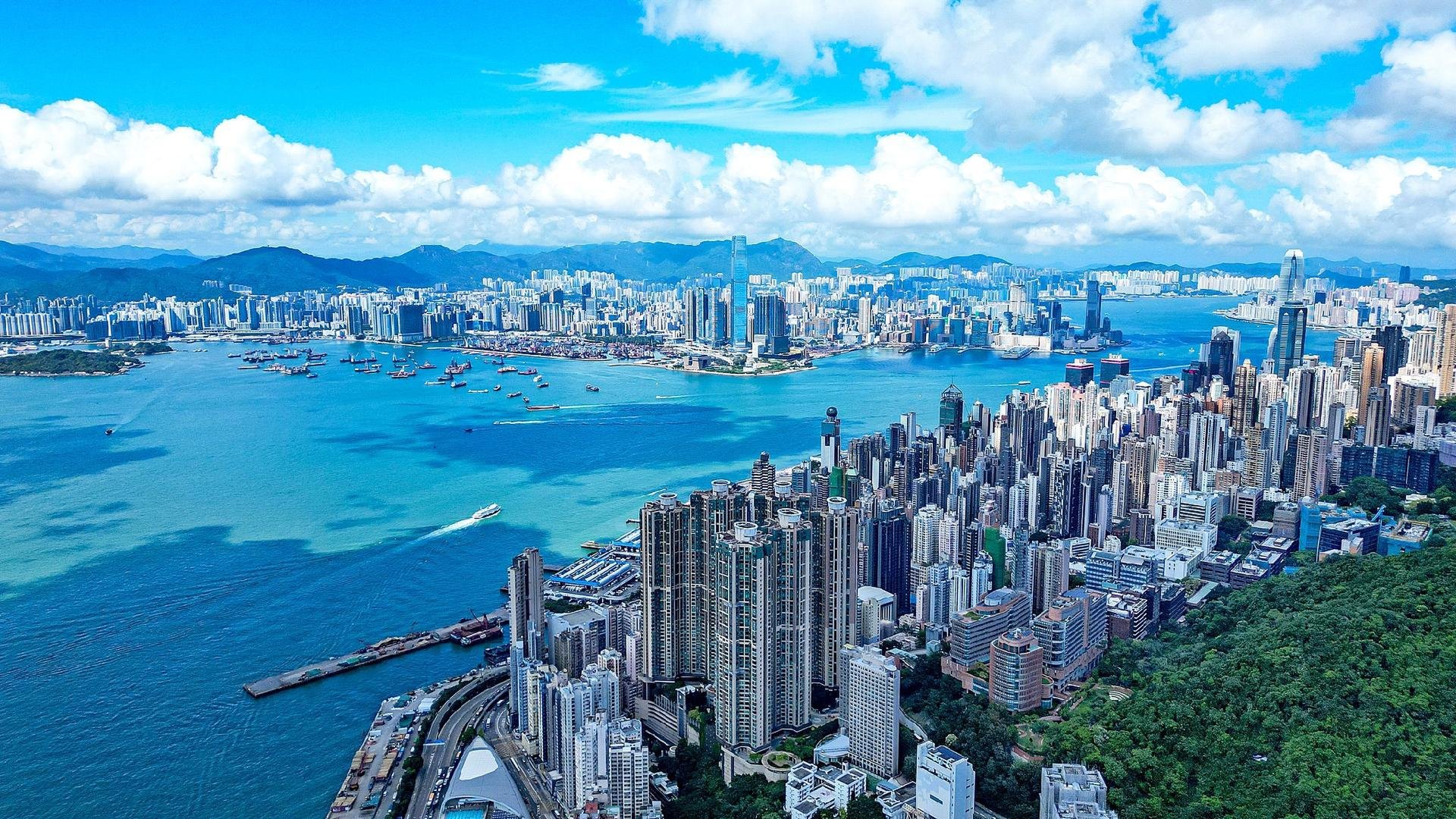
Hong Kong is witnessing a growing influx of capital and travellers from the Middle East as rising regional tensions prompt individuals and businesses to seek stable and well-connected international hubs.
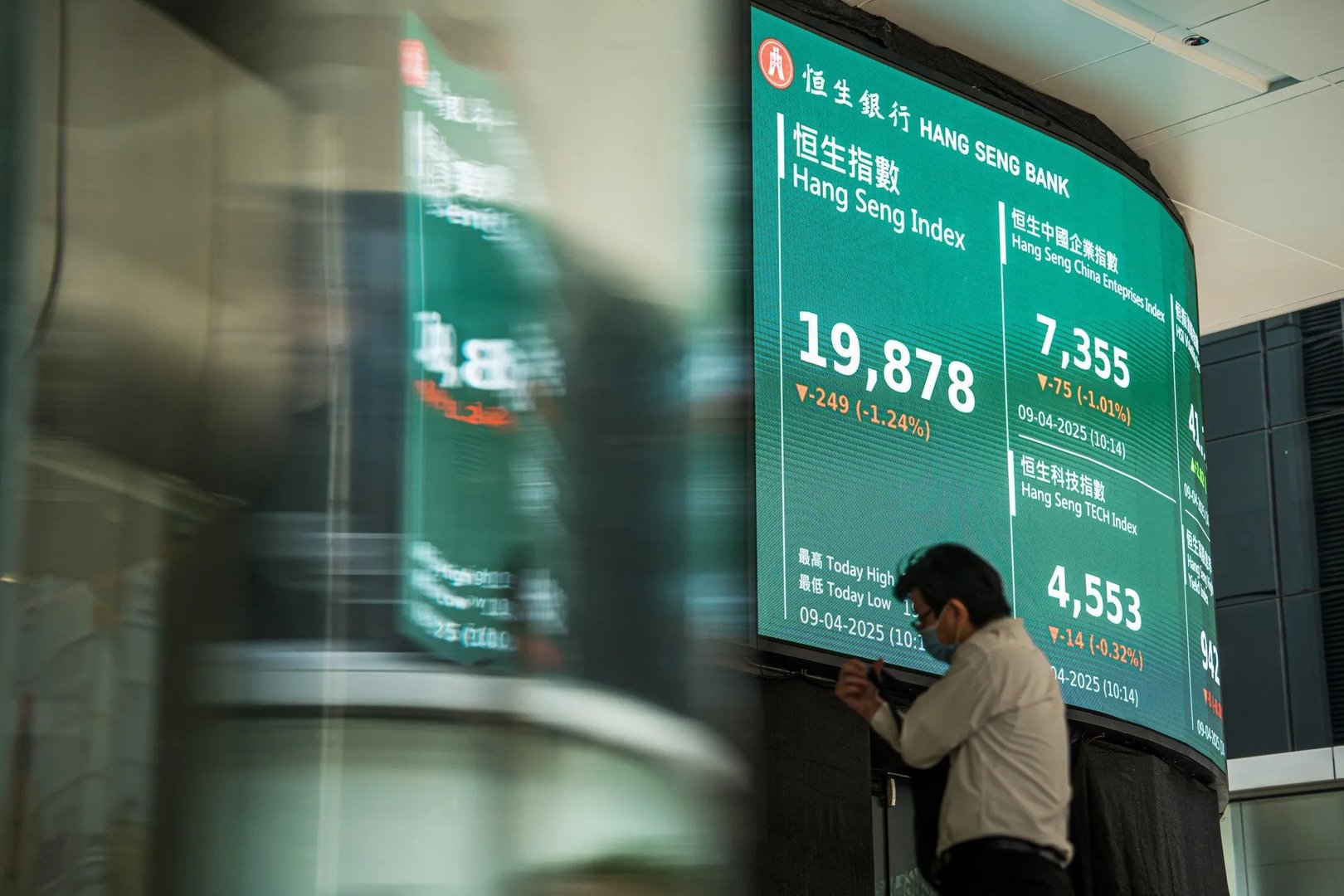
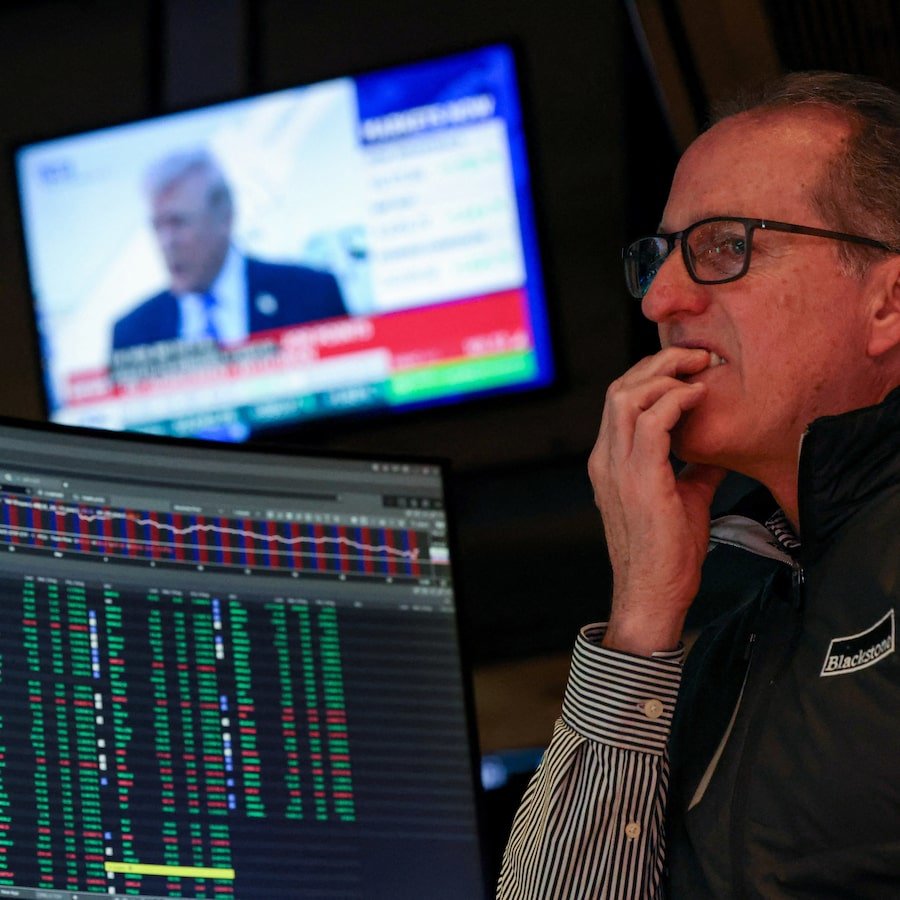
Financial institutions and market participants report increased interest from Middle Eastern investors, with funds being redirected into Hong Kong’s banking system, real estate, and broader financial markets.
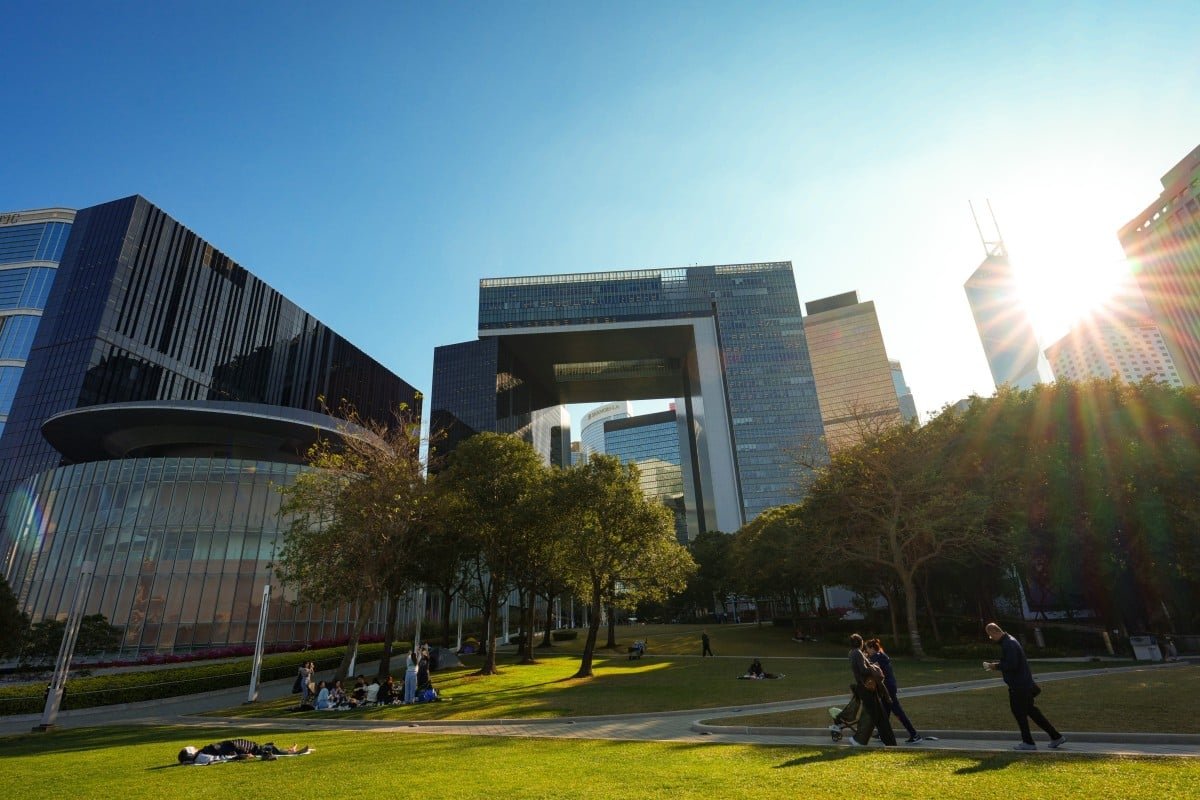
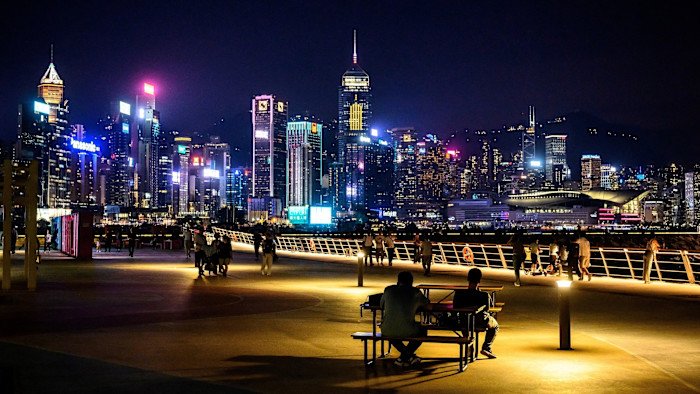
The city’s reputation for stability, transparency, and strong regulatory oversight has positioned it as an attractive destination during a period of geopolitical uncertainty.
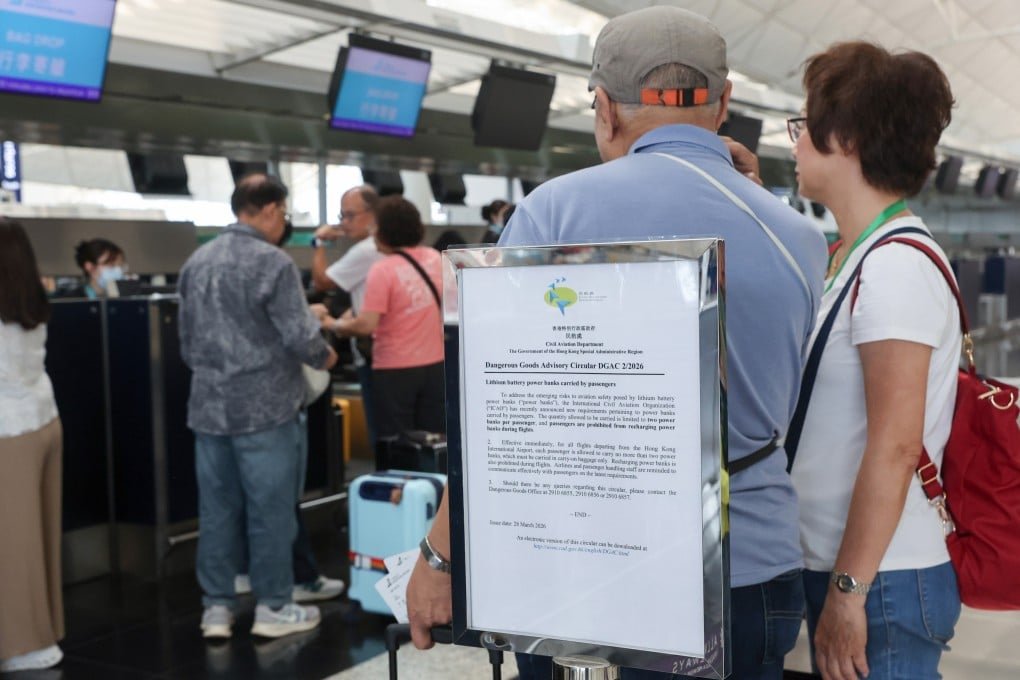
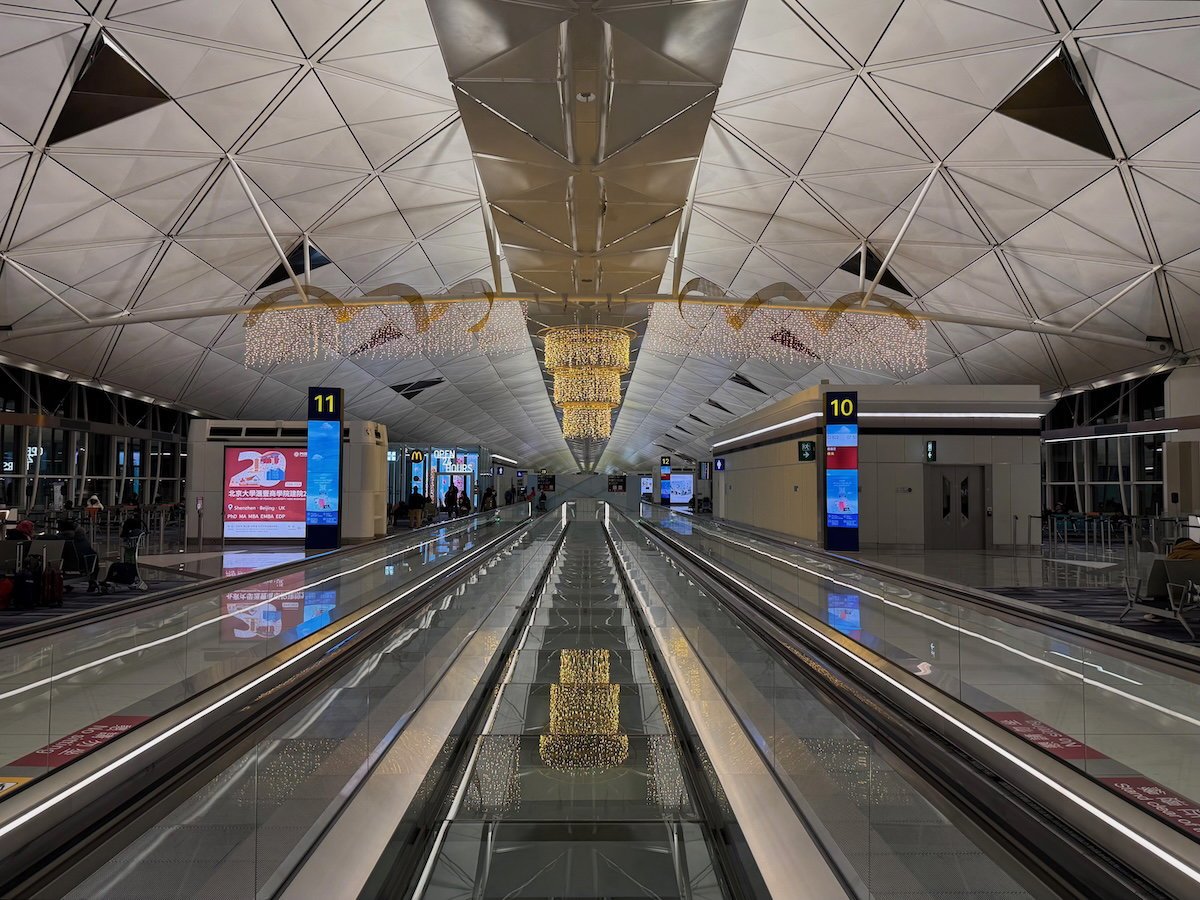
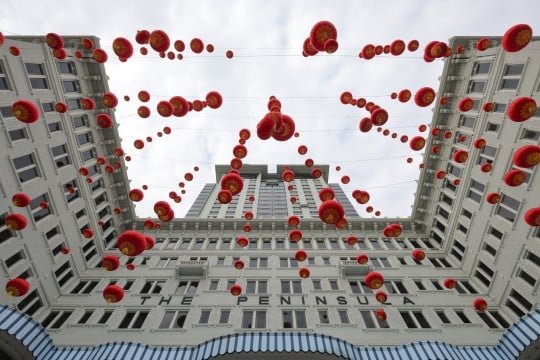
At the same time, travel patterns are shifting, with more visitors from the Middle East choosing Hong Kong for both business and leisure.
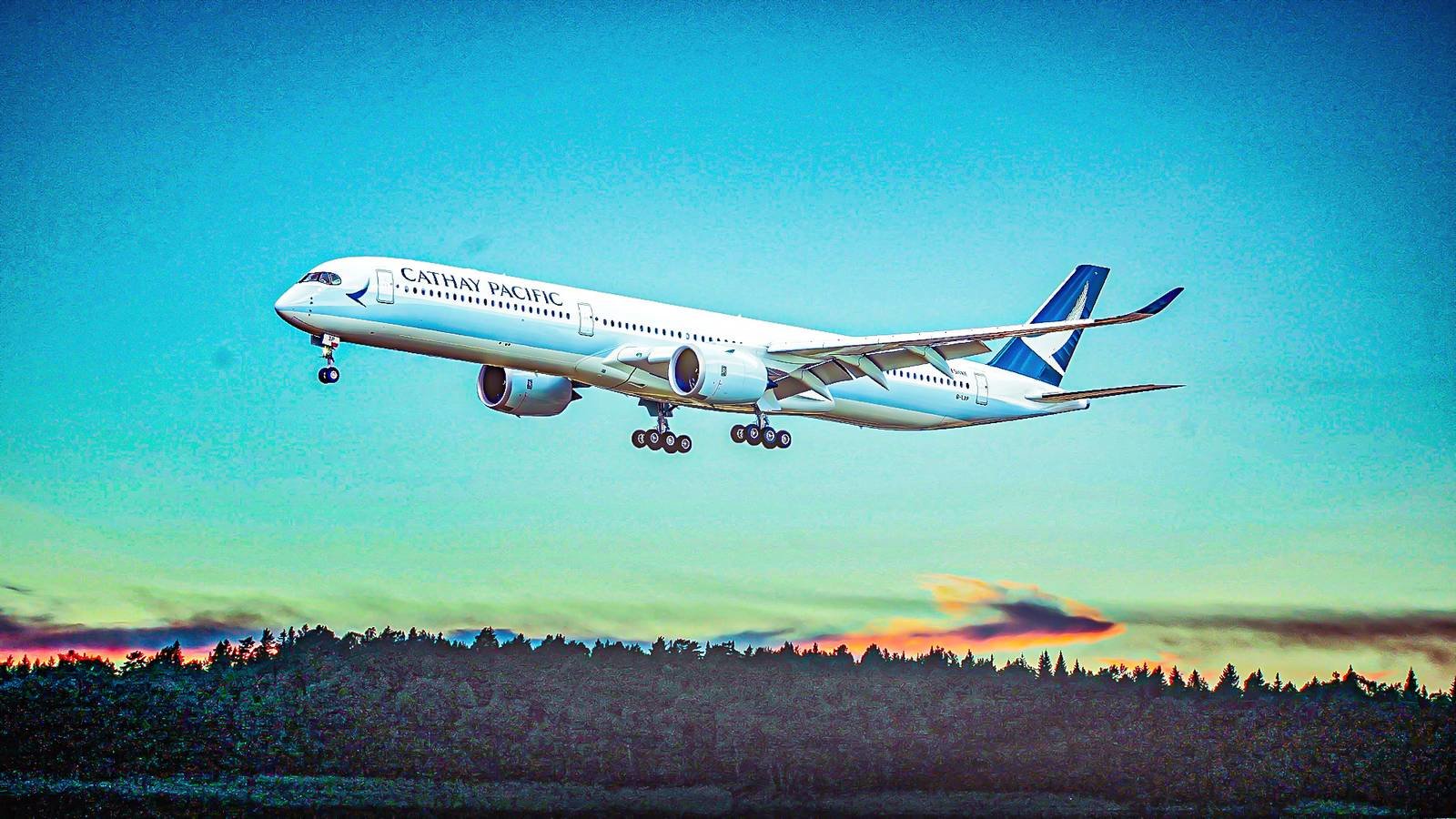
Airlines and hospitality providers have noted a rise in bookings, reflecting the city’s appeal as a secure and accessible gateway to Asia.
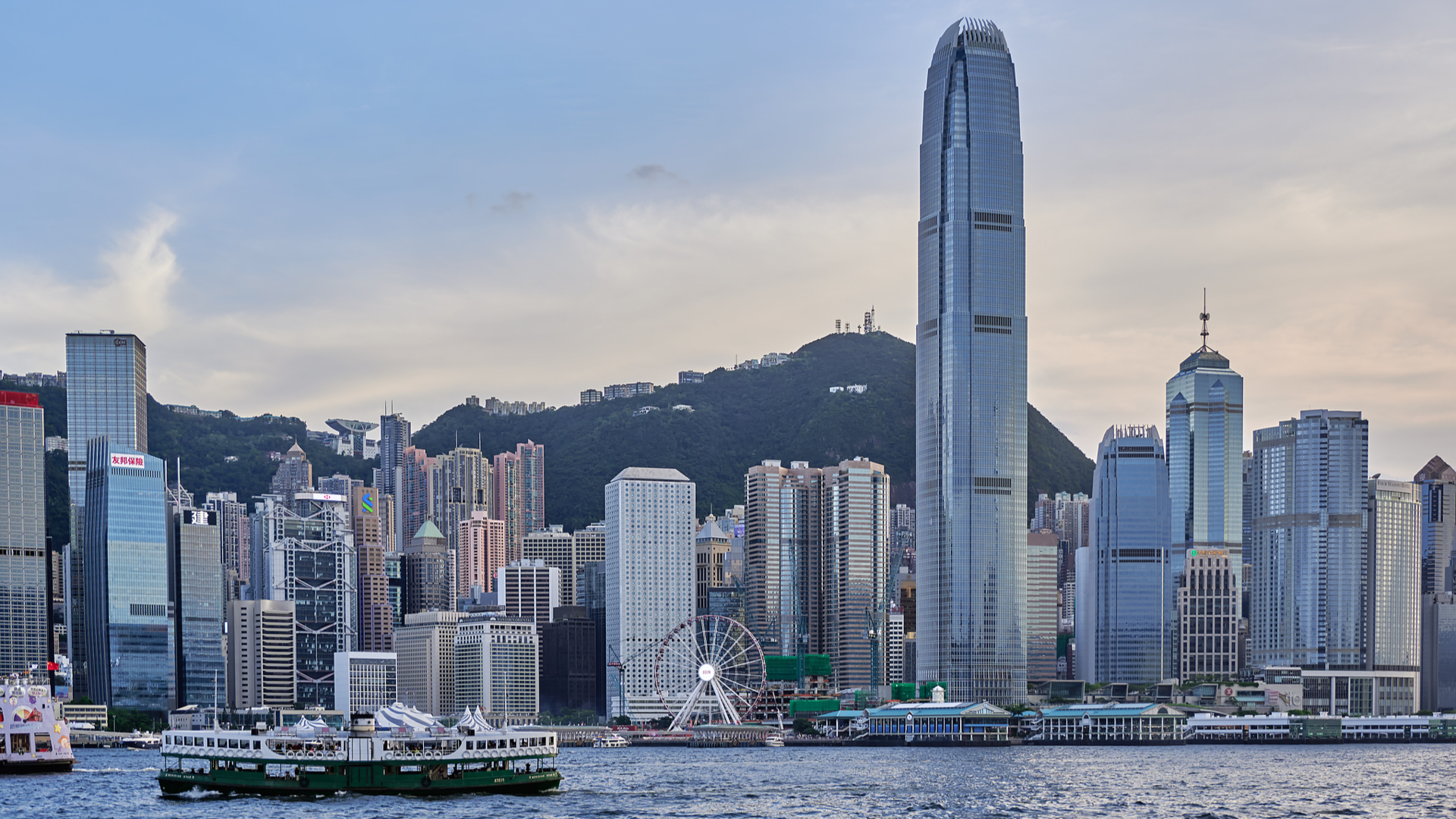
Industry observers highlight that Hong Kong’s strategic advantages — including its status as a global financial centre, robust legal framework, and international connectivity — are playing a key role in attracting this renewed interest.
The city’s efficient infrastructure and business-friendly environment further support its position as a preferred destination.
The trend also aligns with broader economic dynamics, as investors seek diversification and resilience in their portfolios.
Hong Kong offers access to regional markets and opportunities across sectors such as finance, technology, and trade.
Officials and business leaders view the development as a sign of confidence in Hong Kong’s stability and long-term prospects.
The inflow of capital and visitors is expected to contribute to economic activity and reinforce the city’s global standing.
As geopolitical conditions continue to evolve, Hong Kong’s ability to attract international investment and travel is likely to remain a key strength, supporting its role as a central hub in the global economy.
Financial institutions and market participants report increased interest from Middle Eastern investors, with funds being redirected into Hong Kong’s banking system, real estate, and broader financial markets.
The city’s reputation for stability, transparency, and strong regulatory oversight has positioned it as an attractive destination during a period of geopolitical uncertainty.
At the same time, travel patterns are shifting, with more visitors from the Middle East choosing Hong Kong for both business and leisure.
Airlines and hospitality providers have noted a rise in bookings, reflecting the city’s appeal as a secure and accessible gateway to Asia.
Industry observers highlight that Hong Kong’s strategic advantages — including its status as a global financial centre, robust legal framework, and international connectivity — are playing a key role in attracting this renewed interest.
The city’s efficient infrastructure and business-friendly environment further support its position as a preferred destination.
The trend also aligns with broader economic dynamics, as investors seek diversification and resilience in their portfolios.
Hong Kong offers access to regional markets and opportunities across sectors such as finance, technology, and trade.
Officials and business leaders view the development as a sign of confidence in Hong Kong’s stability and long-term prospects.
The inflow of capital and visitors is expected to contribute to economic activity and reinforce the city’s global standing.
As geopolitical conditions continue to evolve, Hong Kong’s ability to attract international investment and travel is likely to remain a key strength, supporting its role as a central hub in the global economy.