Investors shift assets toward Asian financial hubs as geopolitical risks reshape regional investment strategies
Escalating tensions in the Gulf are driving a notable shift in global capital flows, with investors increasingly directing funds toward Singapore and Hong Kong as stable and strategically positioned financial centres.
Market participants are responding to heightened uncertainty in the Middle East by reallocating assets to jurisdictions perceived as offering stronger regulatory frameworks, financial resilience and access to global markets.
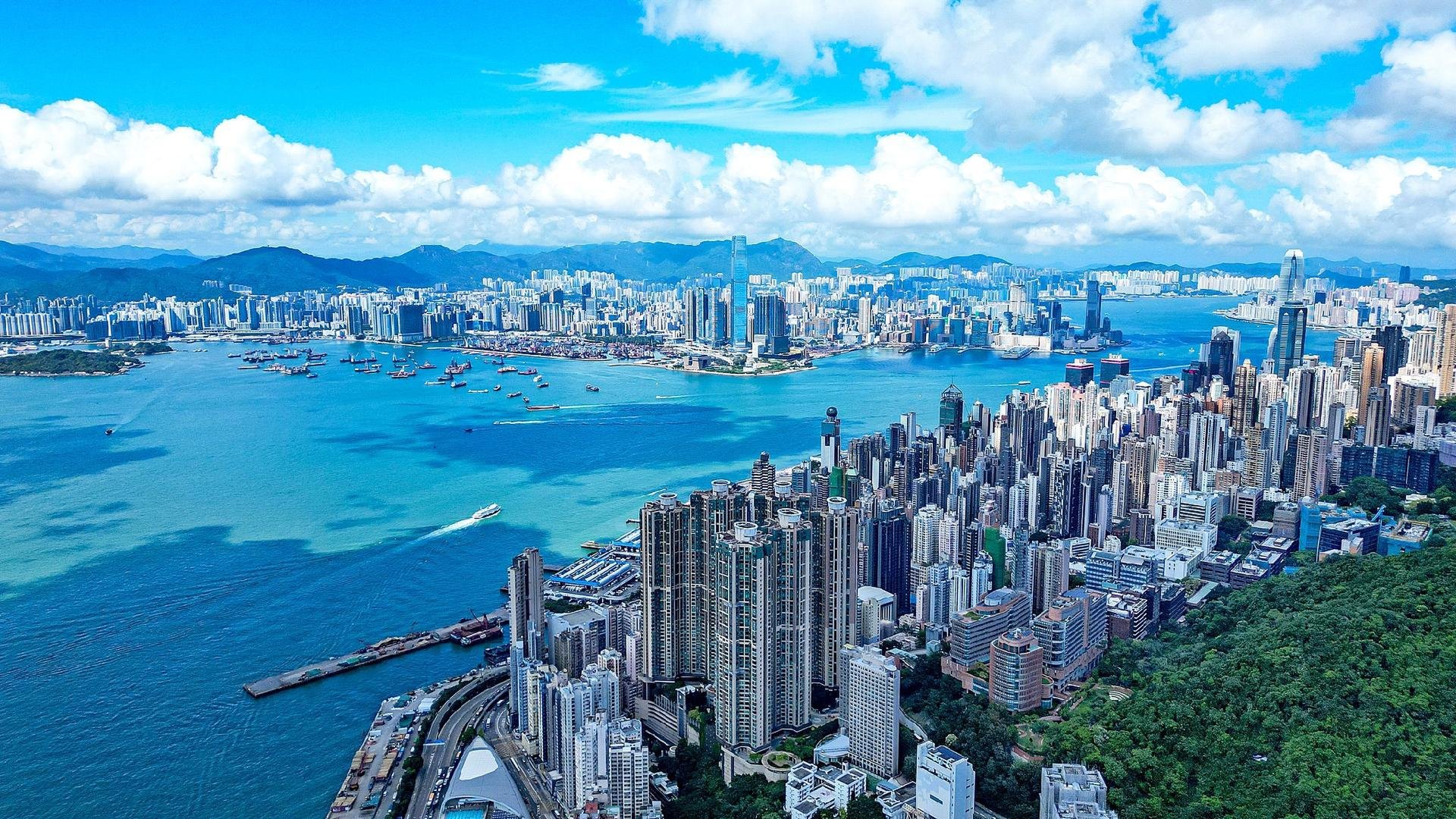
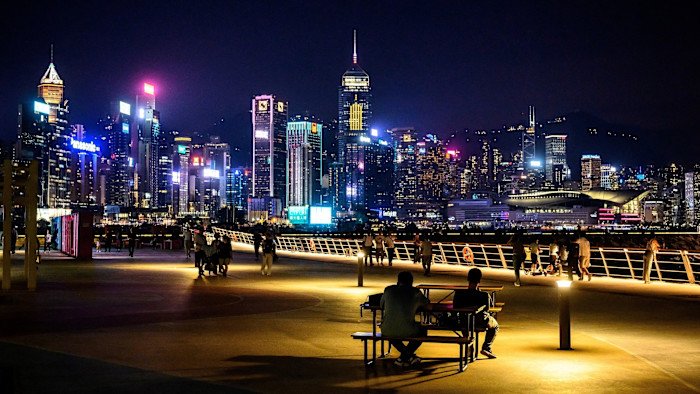
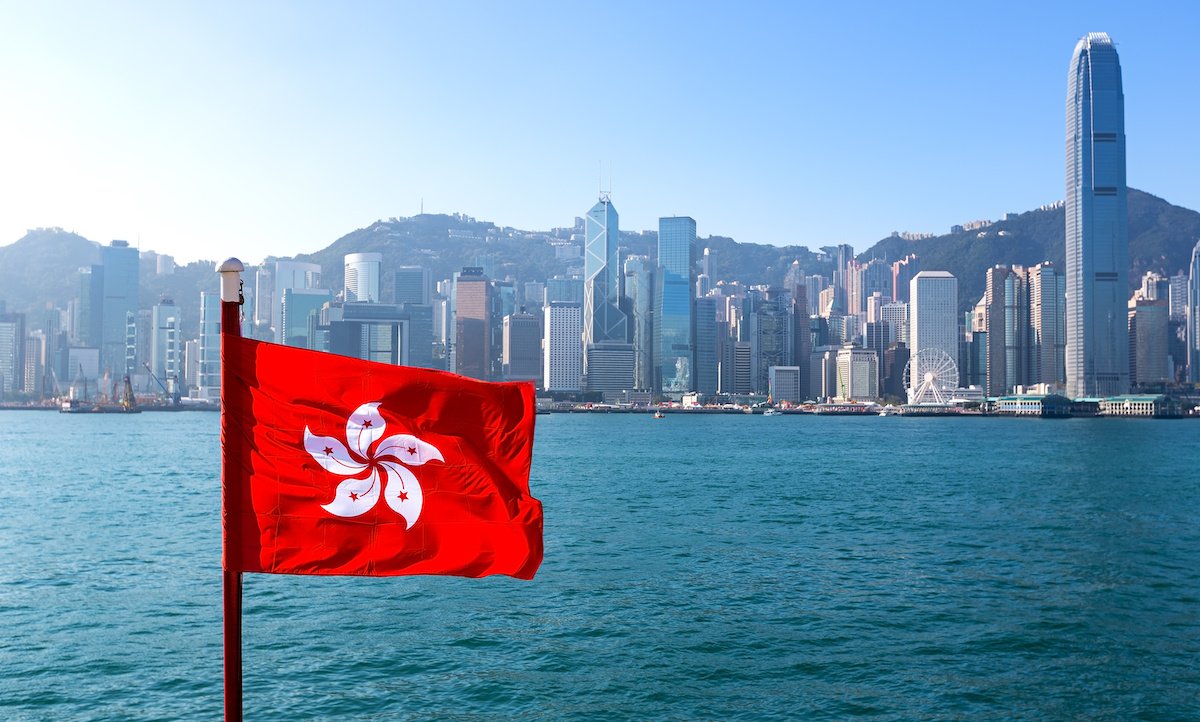
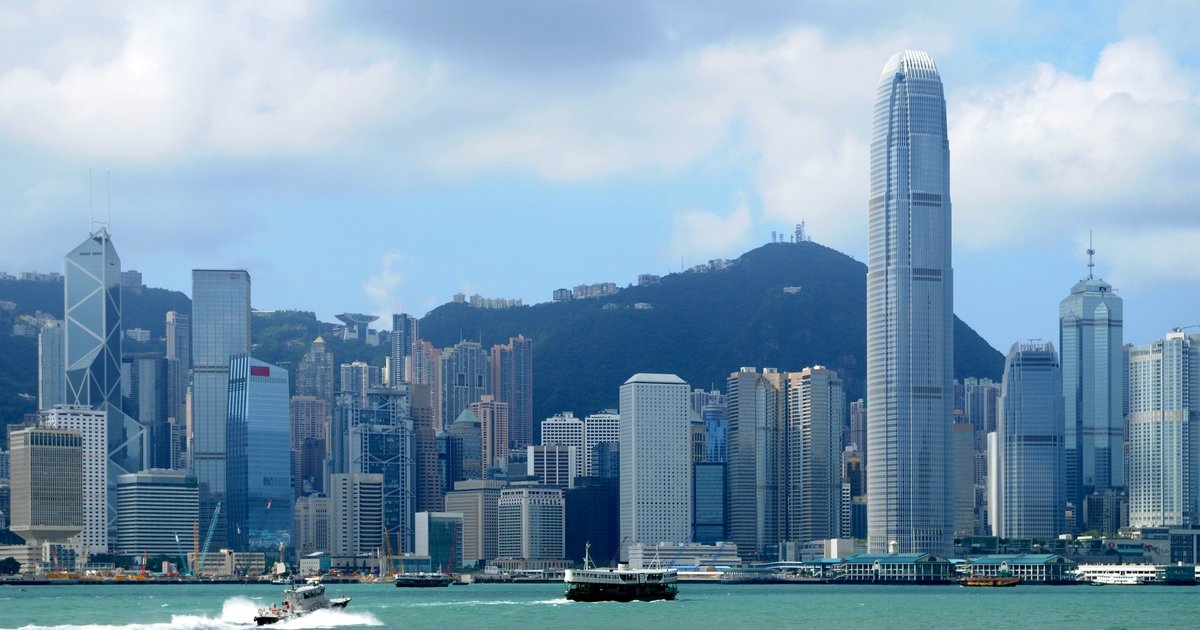
Singapore and Hong Kong have emerged as key beneficiaries of this trend, leveraging their established roles as international financial hubs.
The movement of capital reflects broader efforts by investors to manage geopolitical risk while maintaining exposure to dynamic growth regions.
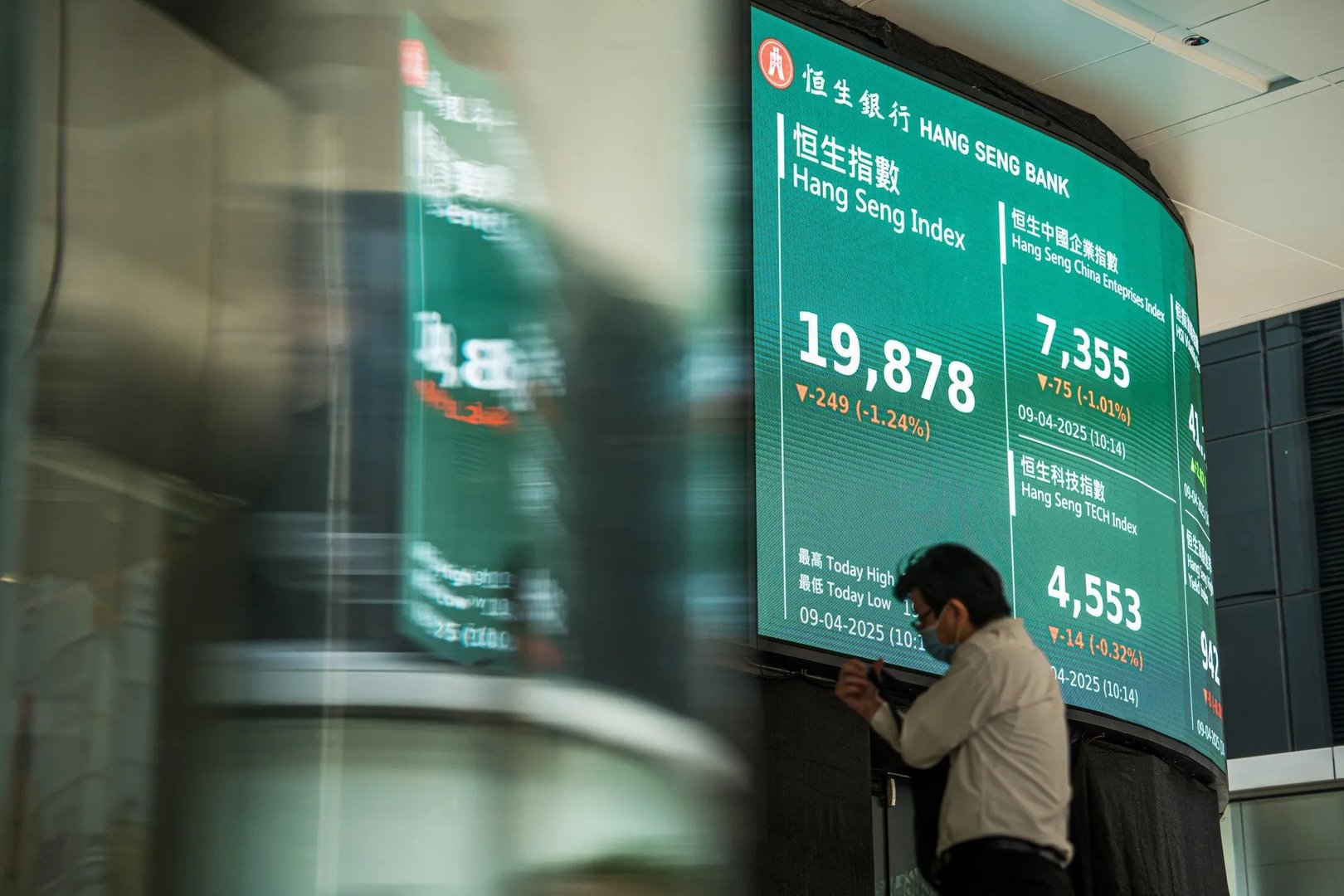
Both cities offer deep liquidity, advanced financial infrastructure and strong connectivity to major economies, making them attractive destinations during periods of instability.
Analysts note that the shift is also supported by the ability of these centres to facilitate cross-border investment, particularly in Asia’s expanding markets.
The inflows are expected to bolster financial activity, including asset management, banking and capital markets operations.
At the same time, the trend underscores the interconnected nature of global finance, where developments in one region can rapidly influence investment decisions elsewhere.
Gulf tensions have highlighted the importance of diversification and the search for stability in an uncertain environment.
Authorities in both Singapore and Hong Kong are positioned to capitalise on the increased interest, with ongoing efforts to enhance competitiveness and attract international investors.
The redirection of capital signals a broader recalibration in global investment patterns, as geopolitical developments continue to shape financial strategies and regional dynamics.
Market participants are responding to heightened uncertainty in the Middle East by reallocating assets to jurisdictions perceived as offering stronger regulatory frameworks, financial resilience and access to global markets.
Singapore and Hong Kong have emerged as key beneficiaries of this trend, leveraging their established roles as international financial hubs.
The movement of capital reflects broader efforts by investors to manage geopolitical risk while maintaining exposure to dynamic growth regions.
Both cities offer deep liquidity, advanced financial infrastructure and strong connectivity to major economies, making them attractive destinations during periods of instability.
Analysts note that the shift is also supported by the ability of these centres to facilitate cross-border investment, particularly in Asia’s expanding markets.
The inflows are expected to bolster financial activity, including asset management, banking and capital markets operations.
At the same time, the trend underscores the interconnected nature of global finance, where developments in one region can rapidly influence investment decisions elsewhere.
Gulf tensions have highlighted the importance of diversification and the search for stability in an uncertain environment.
Authorities in both Singapore and Hong Kong are positioned to capitalise on the increased interest, with ongoing efforts to enhance competitiveness and attract international investors.
The redirection of capital signals a broader recalibration in global investment patterns, as geopolitical developments continue to shape financial strategies and regional dynamics.