Inquiry told breakdowns in safety systems, oversight, and site management combined to fuel catastrophic blaze that killed more than 160 people
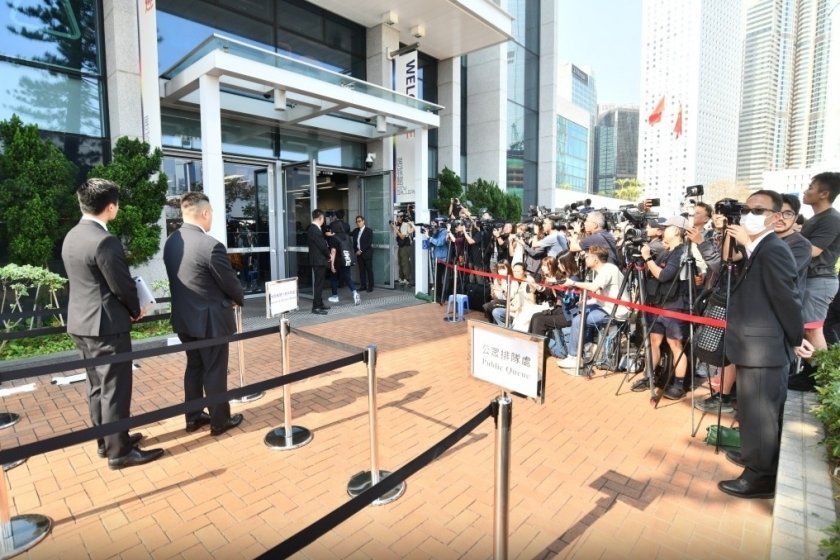
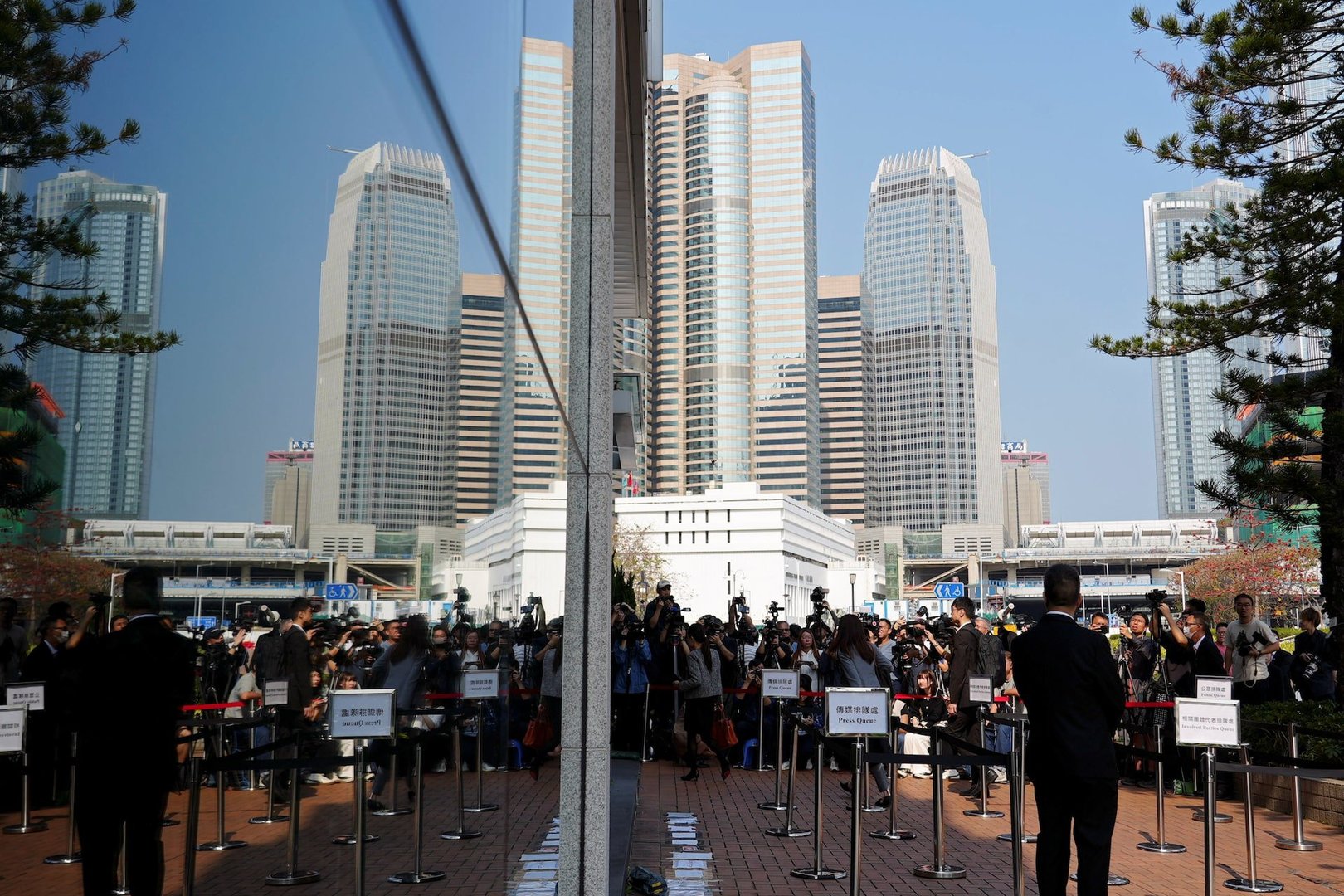
A series of critical failures across safety systems, construction practices, and regulatory oversight contributed to Hong Kong’s deadliest fire in decades, a lead lawyer told an inquiry as formal hearings into the disaster began.
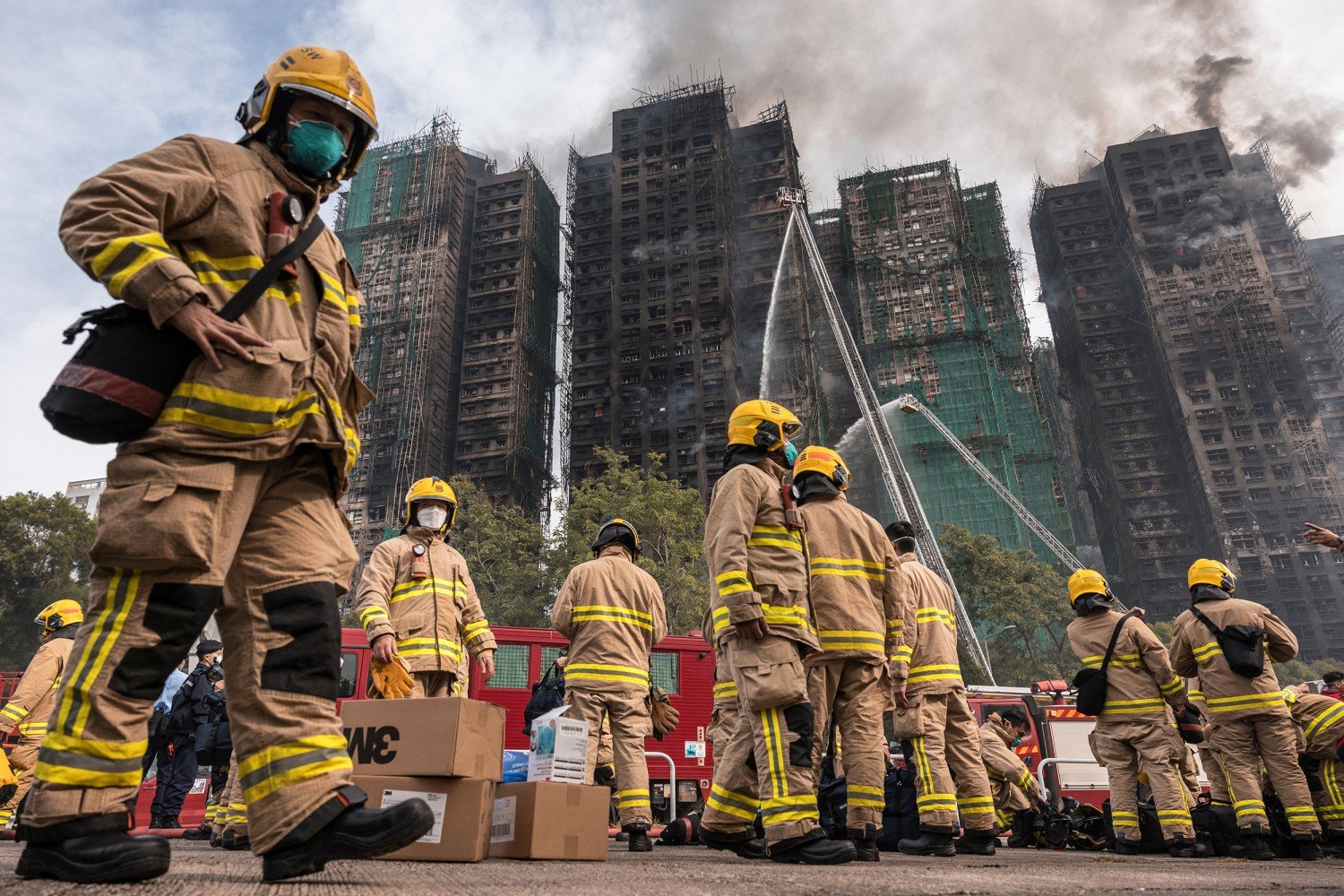
The proceedings focus on the November 2025 blaze that tore through the Wang Fuk Court residential complex in Tai Po, killing 168 people and injuring dozens after engulfing seven high-rise buildings.
The disaster, which burned for more than 40 hours, has prompted widespread calls for accountability and reform.
Opening the hearings, counsel to the inquiry outlined how multiple factors converged to turn what may have begun as a small ignition into a large-scale tragedy.
Evidence presented indicated that the most likely origin of the fire was smoking materials on a platform within an air shaft, where cigarette butts and combustible items were found.
However, investigators stressed that no single cause alone could explain the scale of the devastation.
Instead, the inquiry heard that fire safety systems designed to protect residents were either inactive or ineffective on the day of the incident.
Alarms and hose systems failed to operate as intended, while escape routes were compromised by boarded-up windows and other obstructions, allowing smoke and flames to spread rapidly through stairwells.
Construction conditions at the site also played a significant role.
The buildings were undergoing maintenance at the time, and non-fire-retardant materials used in scaffolding and external coverings are believed to have accelerated the spread of the blaze.
The presence of flammable netting and temporary structures surrounding the towers created pathways for fire to move quickly between floors and blocks.
The hearings further revealed concerns about how earlier warnings were handled.
Complaints about unsafe practices, including reports of workers smoking on site, had been raised prior to the fire but were not substantiated following inspections.
This raised questions about the adequacy of enforcement and follow-up procedures among relevant authorities.
The inquiry is examining not only the immediate causes of the fire but also broader systemic issues, including oversight of building maintenance projects, contractor management, and compliance with fire safety standards.
Investigators are reviewing documents, surveillance footage, and communication records to determine how decisions were made and whether lapses in coordination contributed to the outcome.
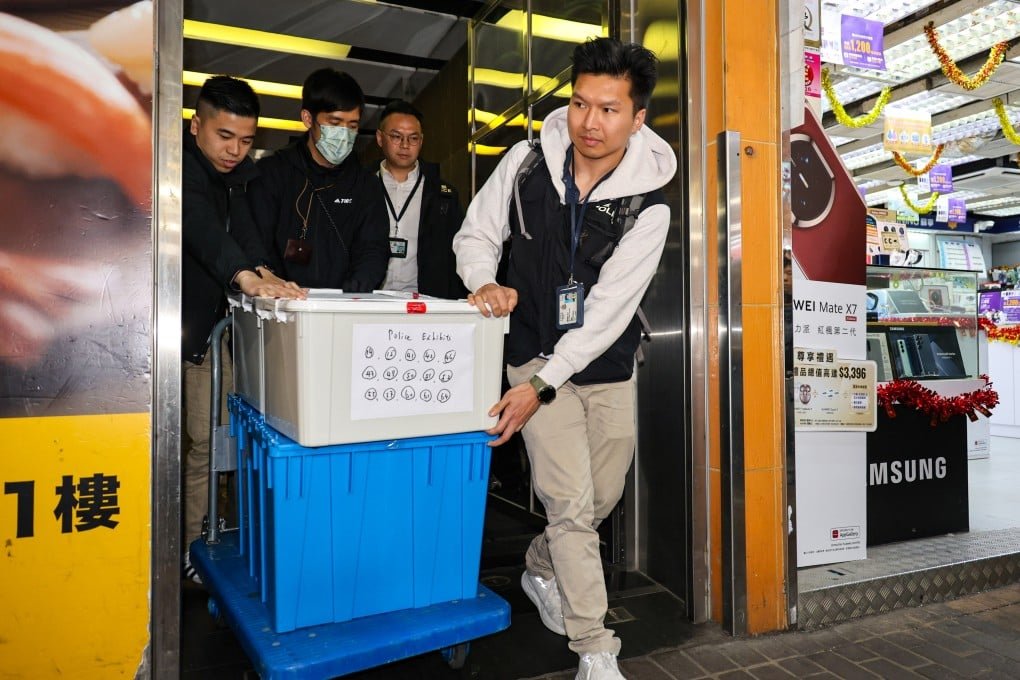
The tragedy has already led to arrests and ongoing investigations into potential negligence, fraud, and corruption linked to renovation works at the complex.
Thousands of residents were displaced, and many families suffered multiple losses, underscoring the scale of the disaster.
As hearings continue, the inquiry is expected to provide a comprehensive account of how interconnected failures across different levels of responsibility culminated in one of the most severe urban fire disasters in Hong Kong’s modern history.
The proceedings focus on the November 2025 blaze that tore through the Wang Fuk Court residential complex in Tai Po, killing 168 people and injuring dozens after engulfing seven high-rise buildings.
The disaster, which burned for more than 40 hours, has prompted widespread calls for accountability and reform.
Opening the hearings, counsel to the inquiry outlined how multiple factors converged to turn what may have begun as a small ignition into a large-scale tragedy.
Evidence presented indicated that the most likely origin of the fire was smoking materials on a platform within an air shaft, where cigarette butts and combustible items were found.
However, investigators stressed that no single cause alone could explain the scale of the devastation.
Instead, the inquiry heard that fire safety systems designed to protect residents were either inactive or ineffective on the day of the incident.
Alarms and hose systems failed to operate as intended, while escape routes were compromised by boarded-up windows and other obstructions, allowing smoke and flames to spread rapidly through stairwells.
Construction conditions at the site also played a significant role.
The buildings were undergoing maintenance at the time, and non-fire-retardant materials used in scaffolding and external coverings are believed to have accelerated the spread of the blaze.
The presence of flammable netting and temporary structures surrounding the towers created pathways for fire to move quickly between floors and blocks.
The hearings further revealed concerns about how earlier warnings were handled.
Complaints about unsafe practices, including reports of workers smoking on site, had been raised prior to the fire but were not substantiated following inspections.
This raised questions about the adequacy of enforcement and follow-up procedures among relevant authorities.
The inquiry is examining not only the immediate causes of the fire but also broader systemic issues, including oversight of building maintenance projects, contractor management, and compliance with fire safety standards.
Investigators are reviewing documents, surveillance footage, and communication records to determine how decisions were made and whether lapses in coordination contributed to the outcome.
The tragedy has already led to arrests and ongoing investigations into potential negligence, fraud, and corruption linked to renovation works at the complex.
Thousands of residents were displaced, and many families suffered multiple losses, underscoring the scale of the disaster.
As hearings continue, the inquiry is expected to provide a comprehensive account of how interconnected failures across different levels of responsibility culminated in one of the most severe urban fire disasters in Hong Kong’s modern history.