Panel examines cascade of safety failures behind 2025 blaze that killed 168 and devastated a residential community
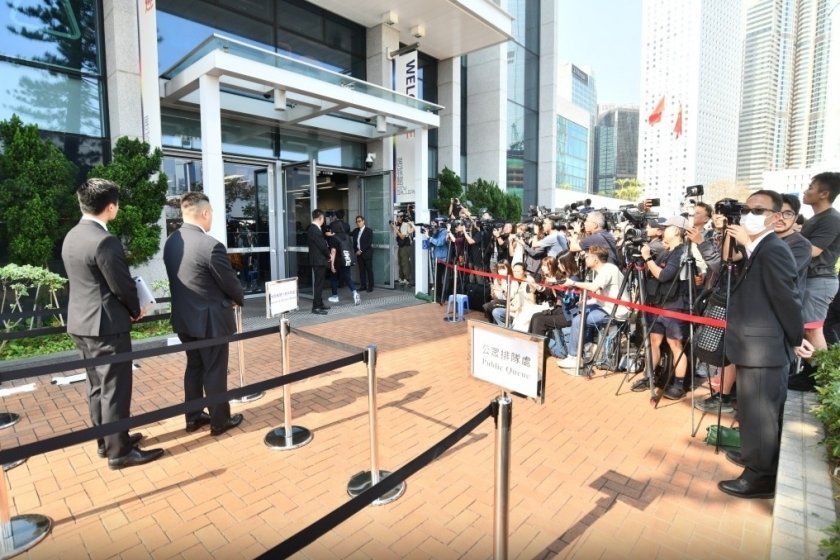
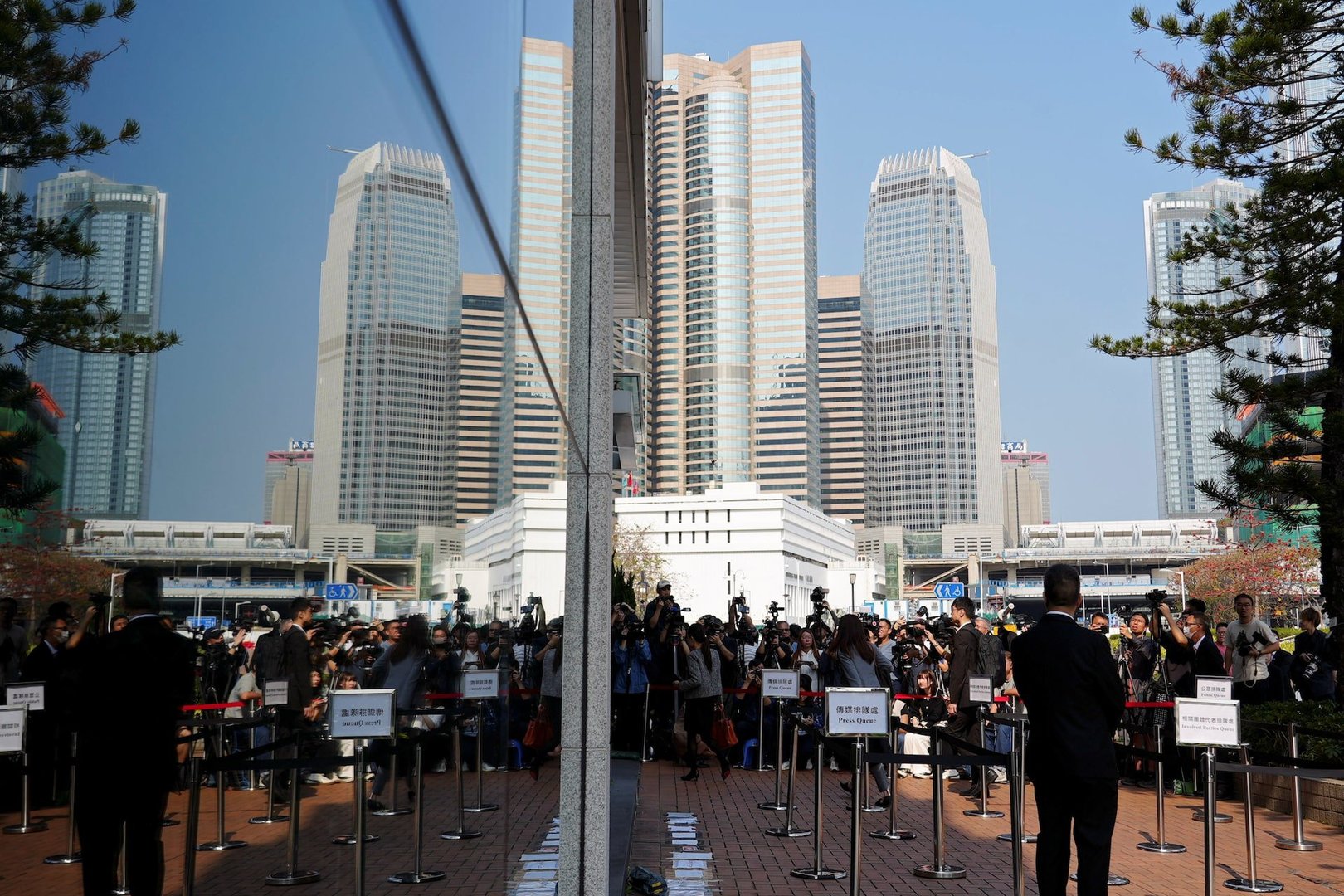
An independent panel in Hong Kong has begun formal hearings into the catastrophic apartment fire that killed 168 people, marking one of the city’s deadliest disasters in decades and prompting urgent scrutiny of safety systems and oversight.
The inquiry is examining the November 2025 blaze at the Wang Fuk Court housing estate in Tai Po, where flames rapidly spread across seven residential blocks, leaving widespread destruction and displacing thousands of residents.
Families of victims and survivors have gathered for the proceedings, seeking answers about how a modern urban complex could suffer such a devastating loss of life.
Opening submissions to the panel outlined a sequence of failures that combined to produce the disaster.
Investigators indicated that the fire likely began in an external air shaft area, possibly triggered by discarded smoking materials igniting flammable construction debris.
However, officials stressed that no single cause fully explains the scale of the tragedy.
Evidence presented at the hearings points to extensive breakdowns in fire safety measures.
Critical systems, including alarms and water hoses, were reportedly non-operational at the time of the blaze.
Construction materials used during renovation work, such as non-fire-retardant netting and foam boards covering windows, may have accelerated the spread of flames and smoke through escape routes.
The buildings were undergoing maintenance when the fire erupted, with scaffolding enveloping the towers.
Investigators are examining whether construction practices, supervision, and compliance with safety regulations met required standards.
Concerns have also been raised about earlier complaints over unsafe conditions that were not effectively addressed.
Authorities have taken enforcement action in connection with the disaster, with dozens of individuals arrested on suspicion of offences including manslaughter, fraud, and corruption linked to the renovation project.
Anti-corruption officials are also investigating whether broader systemic issues, such as irregularities in contracting processes, contributed to the circumstances leading up to the fire.
The panel, led by senior legal figures, is expected to hear testimony from residents, experts, and government representatives over several months.
Its mandate includes determining the causes of the fire, identifying accountability, and recommending measures to prevent similar tragedies.
The hearings mark a critical step in the city’s effort to confront the aftermath of the disaster, as many former residents remain in temporary accommodation and await clarity on compensation, rebuilding, and long-term support.
The findings are likely to carry significant implications for building safety standards and regulatory oversight across Hong Kong.
The inquiry is examining the November 2025 blaze at the Wang Fuk Court housing estate in Tai Po, where flames rapidly spread across seven residential blocks, leaving widespread destruction and displacing thousands of residents.
Families of victims and survivors have gathered for the proceedings, seeking answers about how a modern urban complex could suffer such a devastating loss of life.
Opening submissions to the panel outlined a sequence of failures that combined to produce the disaster.
Investigators indicated that the fire likely began in an external air shaft area, possibly triggered by discarded smoking materials igniting flammable construction debris.
However, officials stressed that no single cause fully explains the scale of the tragedy.
Evidence presented at the hearings points to extensive breakdowns in fire safety measures.
Critical systems, including alarms and water hoses, were reportedly non-operational at the time of the blaze.
Construction materials used during renovation work, such as non-fire-retardant netting and foam boards covering windows, may have accelerated the spread of flames and smoke through escape routes.
The buildings were undergoing maintenance when the fire erupted, with scaffolding enveloping the towers.
Investigators are examining whether construction practices, supervision, and compliance with safety regulations met required standards.
Concerns have also been raised about earlier complaints over unsafe conditions that were not effectively addressed.
Authorities have taken enforcement action in connection with the disaster, with dozens of individuals arrested on suspicion of offences including manslaughter, fraud, and corruption linked to the renovation project.
Anti-corruption officials are also investigating whether broader systemic issues, such as irregularities in contracting processes, contributed to the circumstances leading up to the fire.
The panel, led by senior legal figures, is expected to hear testimony from residents, experts, and government representatives over several months.
Its mandate includes determining the causes of the fire, identifying accountability, and recommending measures to prevent similar tragedies.
The hearings mark a critical step in the city’s effort to confront the aftermath of the disaster, as many former residents remain in temporary accommodation and await clarity on compensation, rebuilding, and long-term support.
The findings are likely to carry significant implications for building safety standards and regulatory oversight across Hong Kong.