New regulatory guidance targets overseas-incorporated Chinese firms, reshaping a long-standing pathway for raising capital in the city
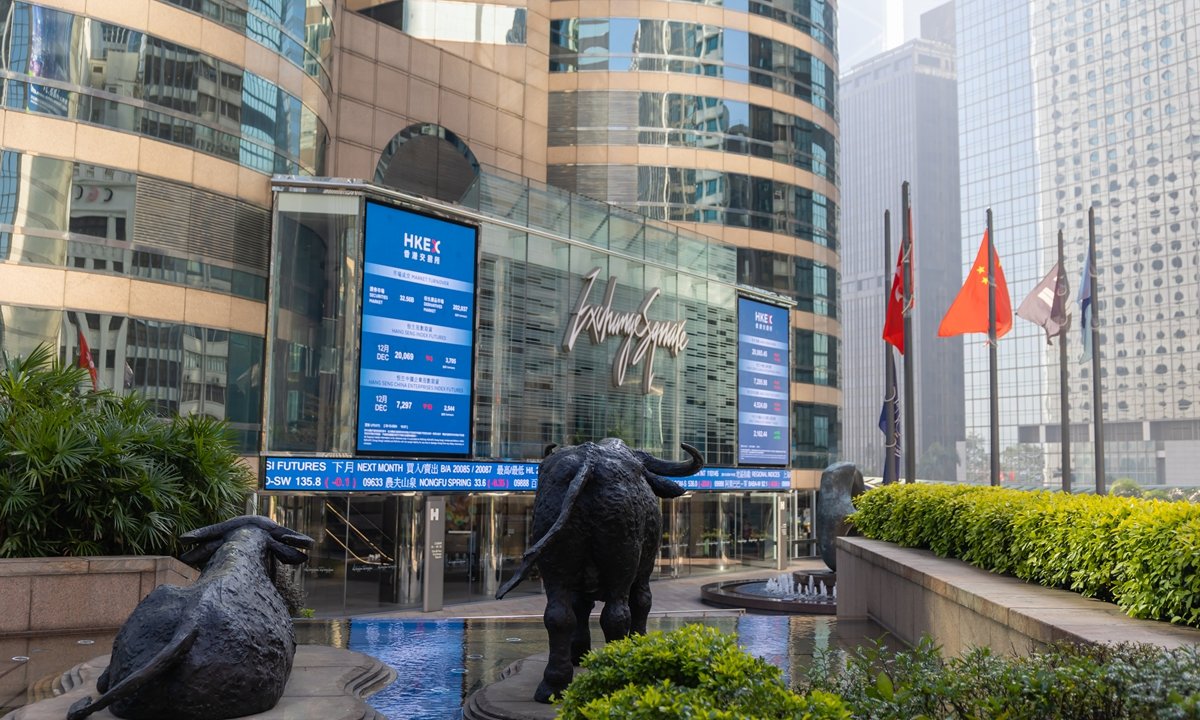
Chinese regulators have moved to tighten oversight of a key channel used by domestic companies to raise capital in Hong Kong, signalling a significant shift in how cross-border listings are structured following a surge in initial public offerings.
Authorities in Beijing are restricting companies incorporated outside mainland China from pursuing listings in Hong Kong, according to people familiar with the matter.
The move focuses particularly on so-called “red-chip” firms — entities registered in offshore jurisdictions but holding substantial operations and assets within China — a structure that has underpinned decades of major share sales.
While the policy stops short of a formal prohibition, regulators have recently discouraged such companies from proceeding with Hong Kong IPOs unless they restructure.
Several firms have already been asked to overhaul their corporate arrangements, with guidance encouraging a transition toward mainland incorporation before listing.
The shift comes after a sustained boom in Hong Kong’s equity capital markets.
The city recorded a sharp rise in IPO activity over the past year, with fundraising volumes reaching multi-year highs and a large pipeline of companies preparing to go public.
Against this backdrop, authorities are seeking to strengthen regulatory clarity and reduce risks associated with complex offshore ownership structures.
Officials are also understood to be concerned about potential capital outflows linked to overseas-incorporated entities.
By requiring companies to align more closely with mainland regulatory frameworks, policymakers aim to enhance transparency and ensure that capital-raising activities remain consistent with domestic financial controls.
The new guidance is already creating uncertainty among companies, investment banks, and international investors.
Dismantling offshore structures may involve transferring ownership of domestic assets back into China, a process that can carry significant legal and financial costs.
It may also limit flexibility for investors who have relied on offshore vehicles to manage capital flows and governance arrangements.
For decades, many Chinese firms — including some of the country’s largest state-backed enterprises — have used offshore jurisdictions such as the Cayman Islands or British Virgin Islands to facilitate listings in Hong Kong and other global markets.
The evolving regulatory stance now challenges that model, potentially reshaping how future listings are executed.
The move forms part of a broader effort by Chinese authorities to refine oversight of offshore fundraising while maintaining support for Hong Kong as a leading international financial centre.
As companies adjust to the new requirements, the balance between market accessibility and regulatory control is likely to remain a central theme in the next phase of the city’s IPO development.
Authorities in Beijing are restricting companies incorporated outside mainland China from pursuing listings in Hong Kong, according to people familiar with the matter.
The move focuses particularly on so-called “red-chip” firms — entities registered in offshore jurisdictions but holding substantial operations and assets within China — a structure that has underpinned decades of major share sales.
While the policy stops short of a formal prohibition, regulators have recently discouraged such companies from proceeding with Hong Kong IPOs unless they restructure.
Several firms have already been asked to overhaul their corporate arrangements, with guidance encouraging a transition toward mainland incorporation before listing.
The shift comes after a sustained boom in Hong Kong’s equity capital markets.
The city recorded a sharp rise in IPO activity over the past year, with fundraising volumes reaching multi-year highs and a large pipeline of companies preparing to go public.
Against this backdrop, authorities are seeking to strengthen regulatory clarity and reduce risks associated with complex offshore ownership structures.
Officials are also understood to be concerned about potential capital outflows linked to overseas-incorporated entities.
By requiring companies to align more closely with mainland regulatory frameworks, policymakers aim to enhance transparency and ensure that capital-raising activities remain consistent with domestic financial controls.
The new guidance is already creating uncertainty among companies, investment banks, and international investors.
Dismantling offshore structures may involve transferring ownership of domestic assets back into China, a process that can carry significant legal and financial costs.
It may also limit flexibility for investors who have relied on offshore vehicles to manage capital flows and governance arrangements.
For decades, many Chinese firms — including some of the country’s largest state-backed enterprises — have used offshore jurisdictions such as the Cayman Islands or British Virgin Islands to facilitate listings in Hong Kong and other global markets.
The evolving regulatory stance now challenges that model, potentially reshaping how future listings are executed.
The move forms part of a broader effort by Chinese authorities to refine oversight of offshore fundraising while maintaining support for Hong Kong as a leading international financial centre.
As companies adjust to the new requirements, the balance between market accessibility and regulatory control is likely to remain a central theme in the next phase of the city’s IPO development.