Major technology firms are reshaping commercial real estate expectations with a push for high-end, mixed-use ecosystems rather than standalone offices
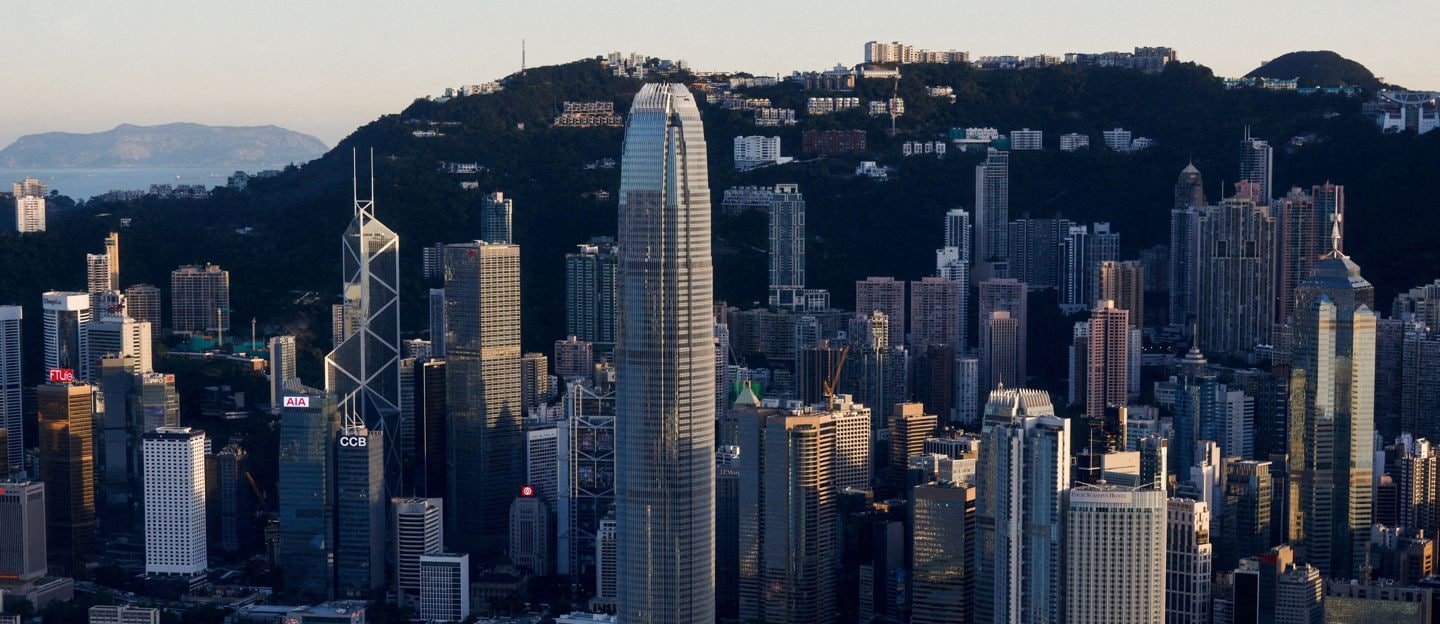
Global technology companies are increasingly demanding ultra-premium, fully integrated commercial ecosystems as they reassess how and where their employees work, according to senior executives at Hongkong Land.
The shift reflects a broader transformation in corporate real estate strategy, with leading firms prioritising quality, flexibility and experience over sheer floor space.
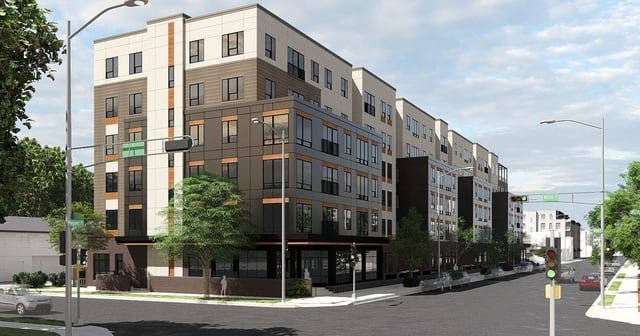
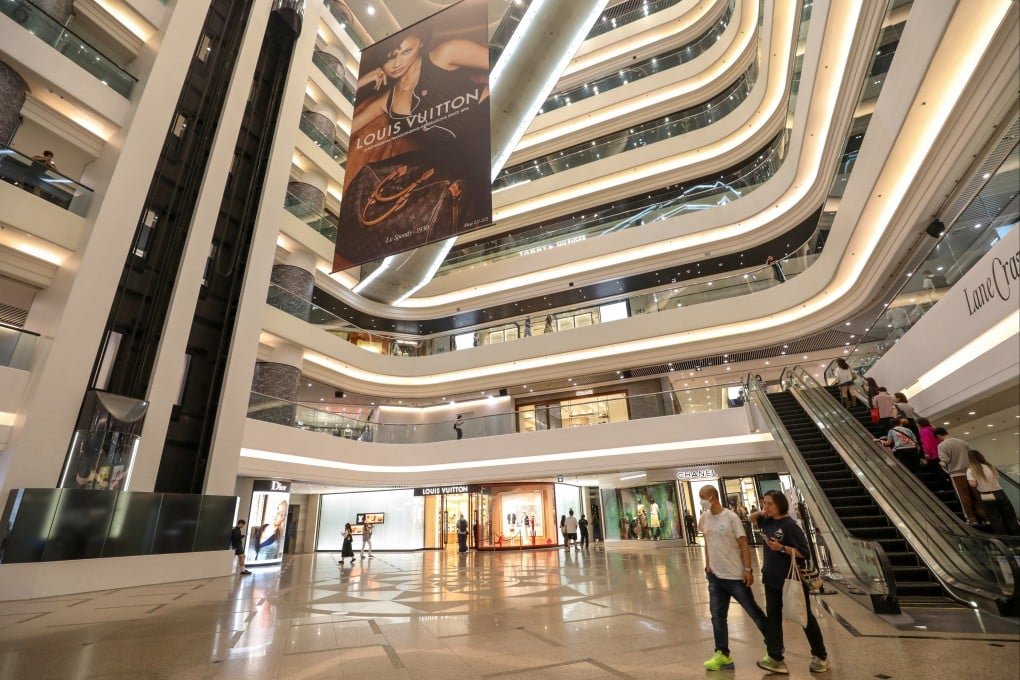
Hongkong Land said technology groups are seeking developments that combine top-tier office space with retail, dining, wellness, cultural amenities and transport connectivity, all within a single, carefully curated environment.
These requirements go beyond traditional Grade-A offices and are aimed at supporting collaboration, innovation and talent retention in an era of hybrid working.
Executives at the property developer noted that large technology firms, despite adopting more flexible work models, continue to value physical headquarters as strategic assets.
Rather than downsizing indiscriminately, they are concentrating operations in fewer but higher-quality locations that can serve as hubs for corporate culture and brand identity.
The trend is particularly evident in major financial and technology centres across Asia-Pacific, where competition for skilled professionals remains intense.
Employers are using premium workplaces and surrounding lifestyle offerings as a differentiator, while also seeking buildings that meet stringent sustainability and digital-infrastructure standards.
Hongkong Land added that this demand is shaping its investment and development strategy, with a focus on long-term mixed-use districts designed to evolve with tenant needs.
While such projects require higher upfront capital and longer planning horizons, the company said they are increasingly resilient to market cycles because of strong, diversified demand from global blue-chip occupiers.
The company expects the preference for integrated commercial ecosystems to persist, arguing that the office is no longer viewed in isolation but as part of a broader urban experience that supports productivity, well-being and long-term corporate growth.
The shift reflects a broader transformation in corporate real estate strategy, with leading firms prioritising quality, flexibility and experience over sheer floor space.
Hongkong Land said technology groups are seeking developments that combine top-tier office space with retail, dining, wellness, cultural amenities and transport connectivity, all within a single, carefully curated environment.
These requirements go beyond traditional Grade-A offices and are aimed at supporting collaboration, innovation and talent retention in an era of hybrid working.
Executives at the property developer noted that large technology firms, despite adopting more flexible work models, continue to value physical headquarters as strategic assets.
Rather than downsizing indiscriminately, they are concentrating operations in fewer but higher-quality locations that can serve as hubs for corporate culture and brand identity.
The trend is particularly evident in major financial and technology centres across Asia-Pacific, where competition for skilled professionals remains intense.
Employers are using premium workplaces and surrounding lifestyle offerings as a differentiator, while also seeking buildings that meet stringent sustainability and digital-infrastructure standards.
Hongkong Land added that this demand is shaping its investment and development strategy, with a focus on long-term mixed-use districts designed to evolve with tenant needs.
While such projects require higher upfront capital and longer planning horizons, the company said they are increasingly resilient to market cycles because of strong, diversified demand from global blue-chip occupiers.
The company expects the preference for integrated commercial ecosystems to persist, arguing that the office is no longer viewed in isolation but as part of a broader urban experience that supports productivity, well-being and long-term corporate growth.